
Animal-feed trains

TRNAT1116_01

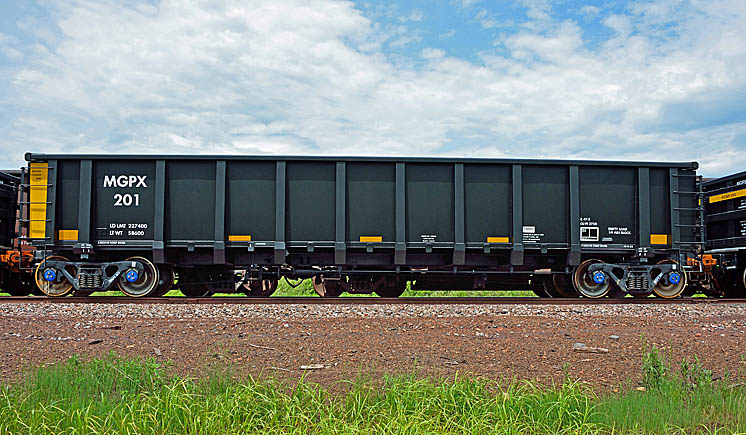
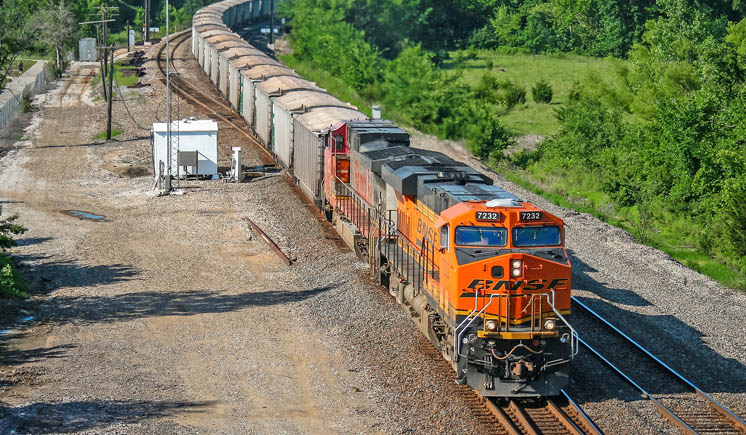
A Cargill unit feed train rolls through Shawnee, Kan., in June 2009. The train consists of covered bathtub gondolas pulled from coal service. Zach Pumphery Q While traveling near Atchison, Kan., I noticed a BNSF Railway train with covered bathtub coal gondolas. What were the covers for, and could they be removed should they be […]

Read More…

Distributed power in the Midwest

NS1056SD70ACeDPU

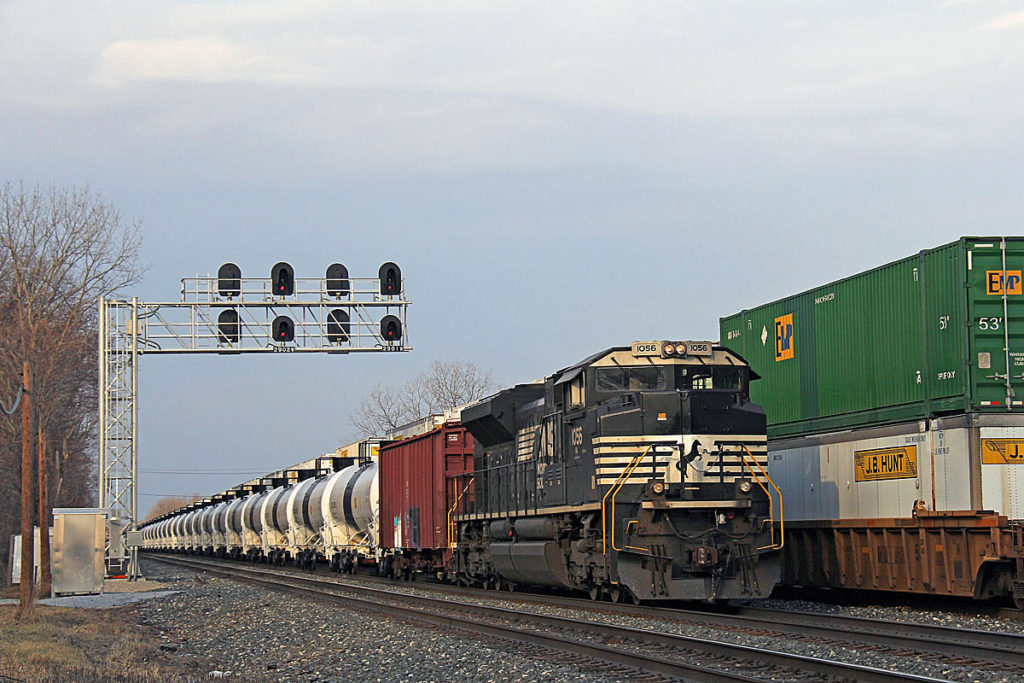
A Norfolk Southern SD70ACe pushes on an empty crude oil train in Toledo, Ohio, in March 2013. Michael D. Harding Q Watching passing freight trains, I’ve seen a locomotive located in the middle or at the end of the train. Are these pusher locomotives being run by remote control by the engineer in the lead […]

Read More…

Steam engine water treatment

Watertank

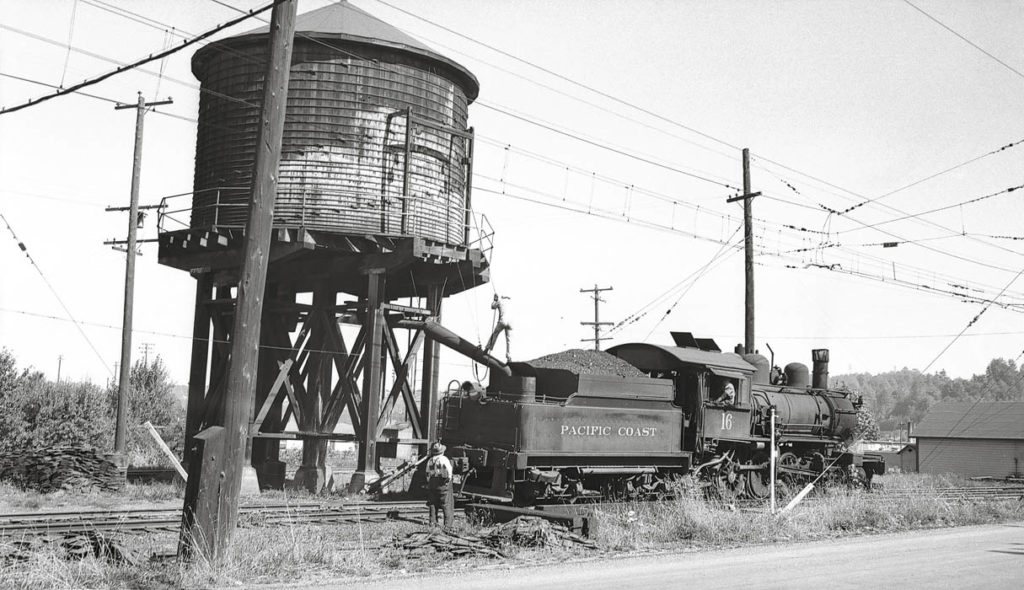
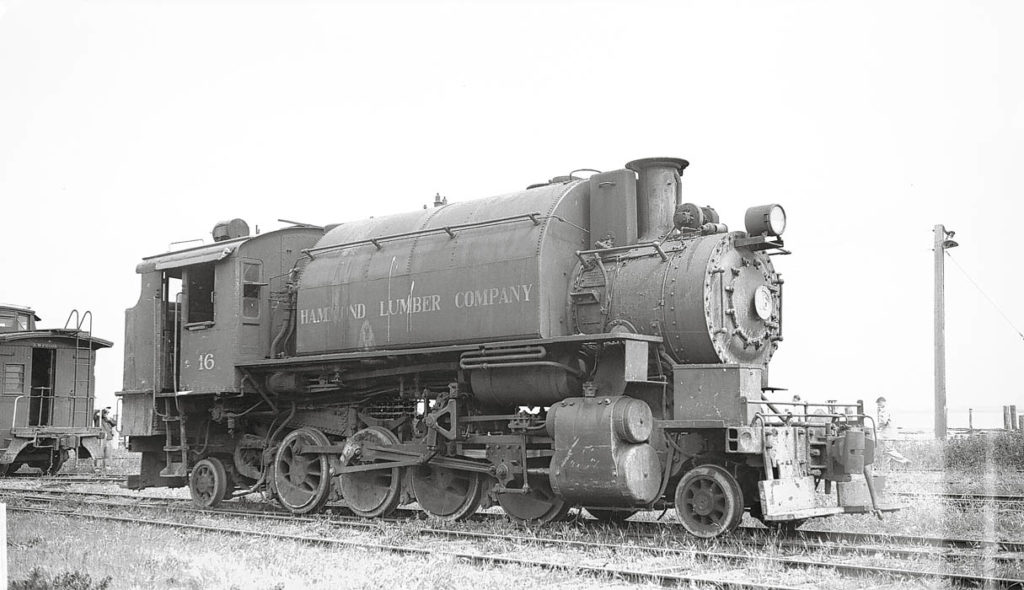
A water tank on the Pacific Coast Railroad in Washington displays discoloration brought by impurities in the local water. Al Farrow photo, Martin E. Hansen collection Q Did steam locomotive operators test the water prior to filling the tender? Was water treated then or prior to filling the tank? Without treatment would there have been […]

Read More…

Tracks on the PGA Tour?

PW2215B408ProvidenceWorcesterThamesRiver

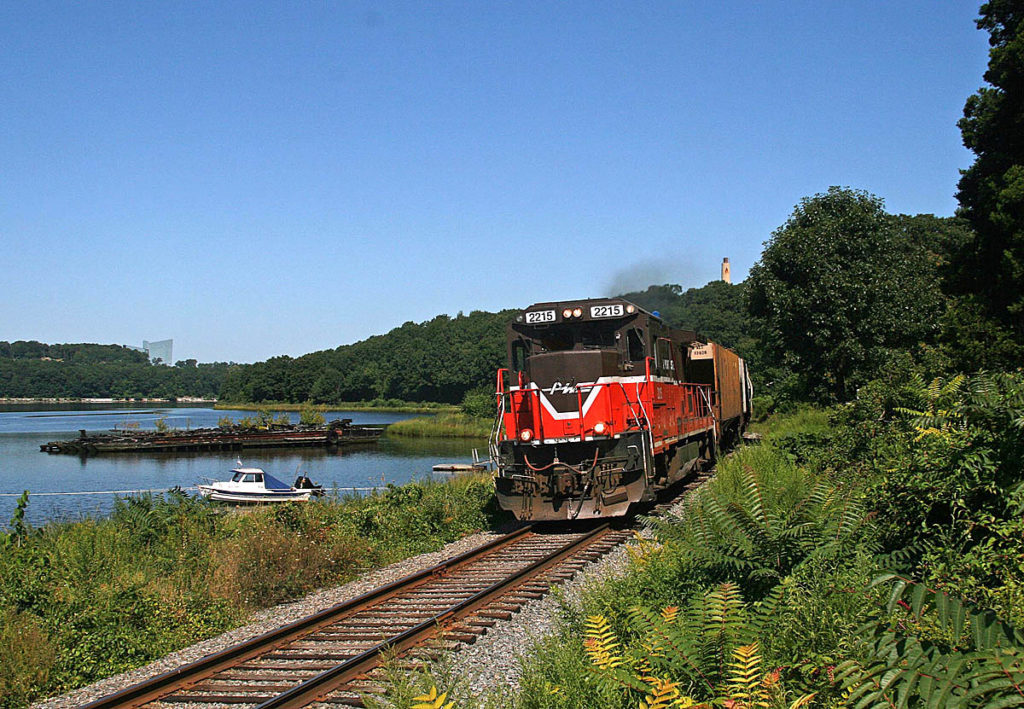
The Providence & Worcester operates in four Northeastern states. Here, train NR3 passes the Thames River in Preston, Conn., on Sept. 1, 2009. Robert A. LaMay Q I was watching a professional golf tournament being played in Cromwell, Conn., just south of Hartford. Who owns the rail line that passes between the 13th hole and […]

Read More…

Why long hood vs. short?

CNJRS31546

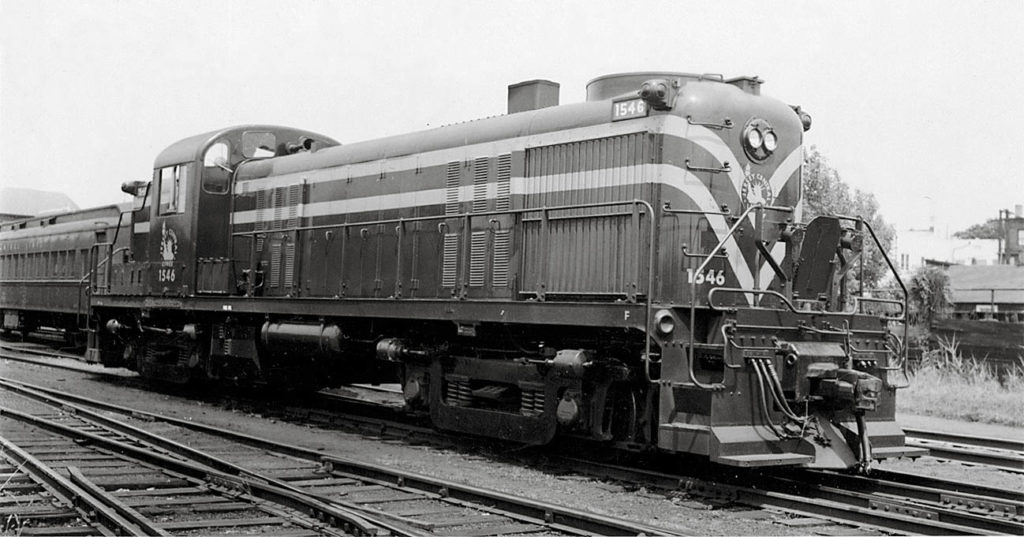
Although this CNJ RS3 had dual engineer controls, the “F” defines the leading end for hand or radio signals. Bert Pennypacker Q When diesels replaced steam locomotives, early cab units had snub noses with good front visibility for the engineer. When hood units appeared, some railroads set them up to run short hood forward and […]

Read More…

British vs. U.S. practices

LondonNorthEasternClassD49

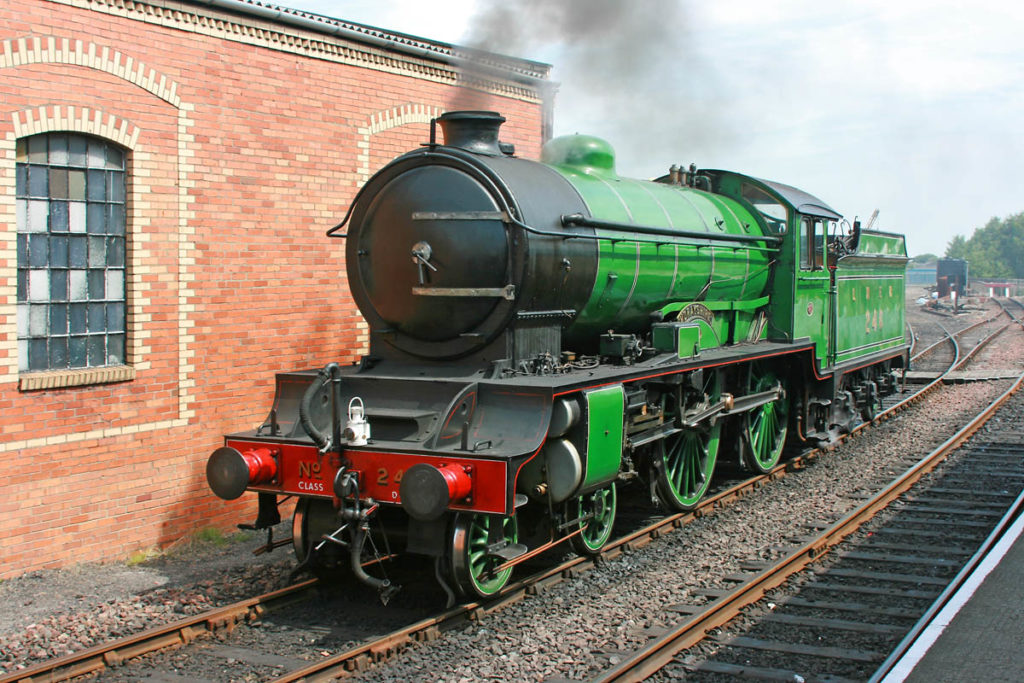
A former London & North Eastern Class D49 4-4-0 displays the British-style method of securing the smokebox door and using buffers with couplers. Kenneth G. Williamson Q Why did British steam locomotives use a center-locking device on the smokebox and buffers with link and chain for car coupling? How did U.S. railroads do it differently? […]

Read More…