




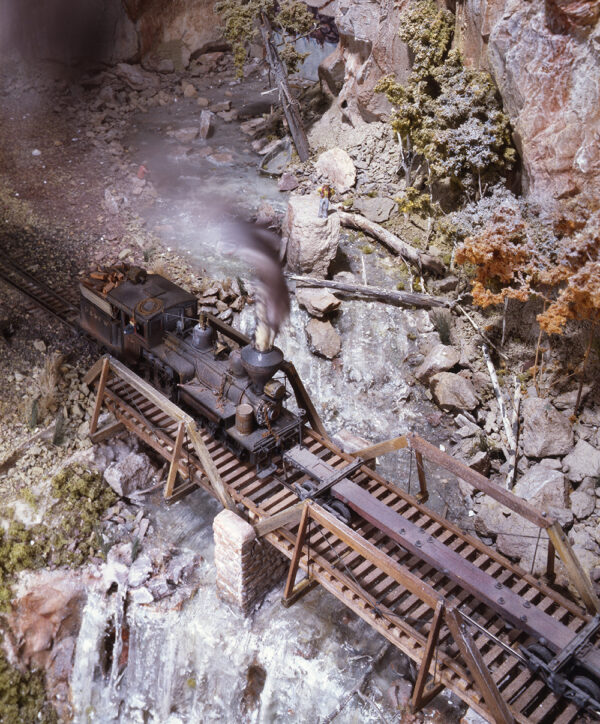
Malcolm Furlow’s waterfall modeling technique
Malcolm Furlow’s waterfall modeling technique: Malcolm Furlow’s article presented here originally ran in the August 1980 issue of Model Railroader…
Read moreMalcolm Furlow’s waterfall modeling technique: Malcolm Furlow’s article presented here originally ran in the August 1980 issue of Model Railroader…
Read more
You can use old transformers with modern O and S gauge locomotives and keep the former from gathering dust under…
Read more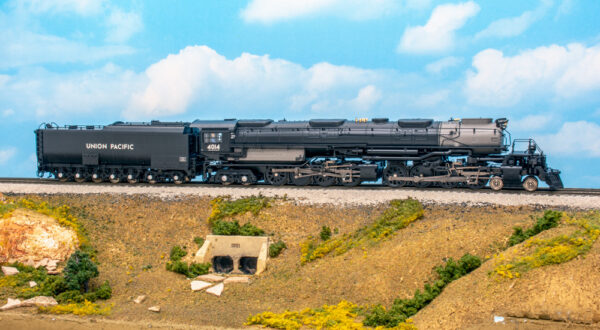
If you’ve ever tried to run a big locomotive around a small radius curve of track, you probably realized that…
Read more
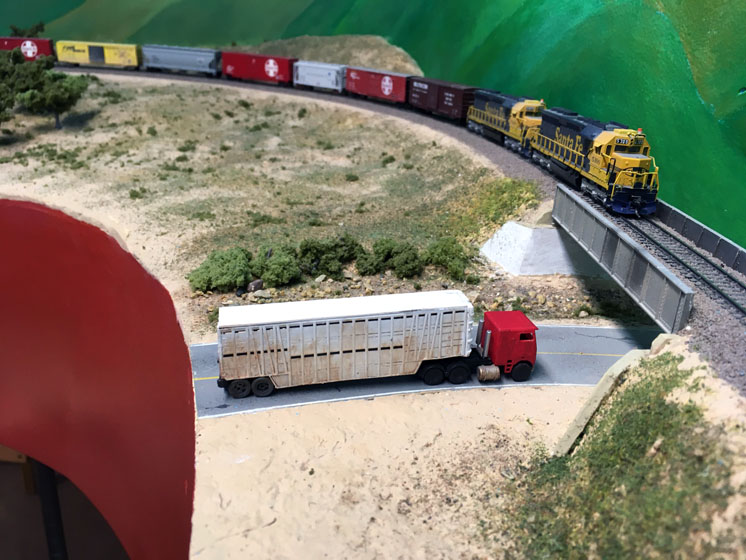
A signature N scale truck for Tehachapi: This photo of a cattle truck at Caliente, Calif., existed in my mind…
Read more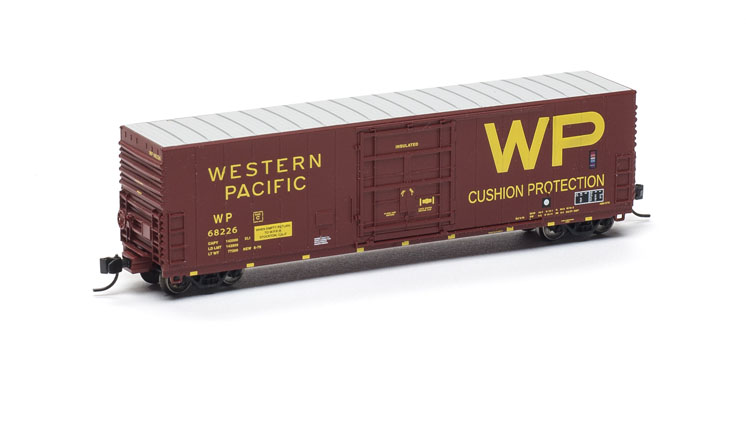
N scale by the numbers: Scale model railroading couldn’t exist without numbers, some that are very important and some that…
Read more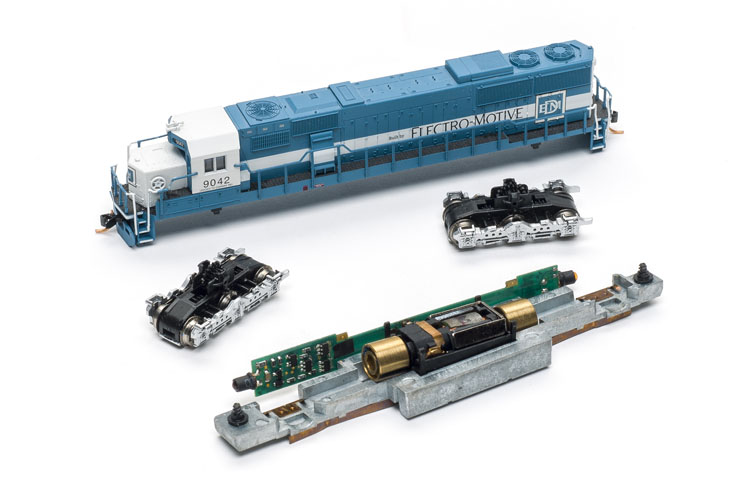
Improving N scale engine performance: One of the most puzzling N scale locomotive performance problems I’ve encountered came with the…
Read more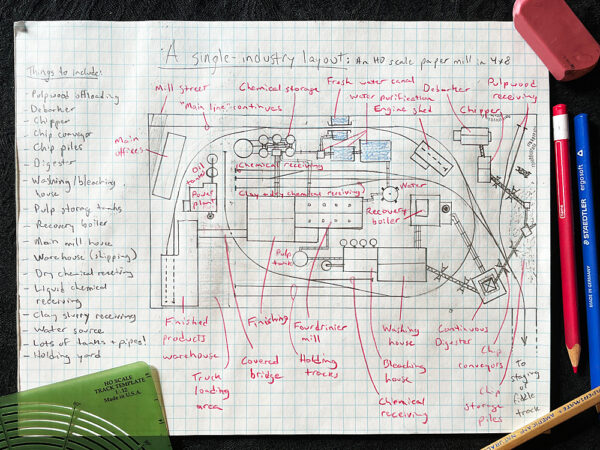
Modelers often compress industries to fit more of them on our model railroads. But doing the opposite – expanding a…
Read more
Three types of staging yards: Staging serves the role of representing a model railroad’s connections to the rest of the…
Read more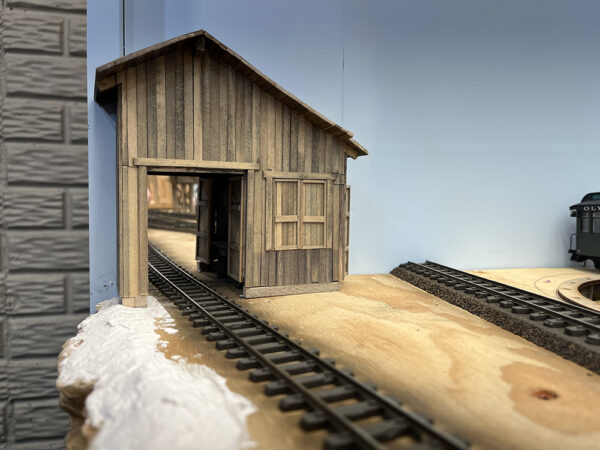
Add depth to structures using mirrors: In working on the addition to my On30 Olympia & Sand Creek layout, I’d…
Read more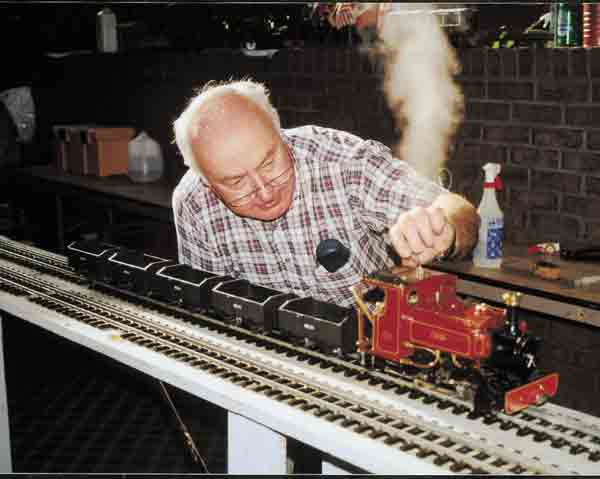
Common questions about live steam locomotives: At model-train shows and garden-railway open houses, live-steam locomotives always seem to gather a…
Read more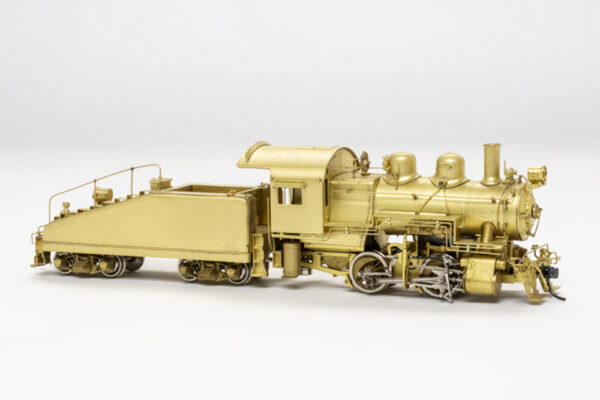
Brass engine disassembly basics: When I was a kid, I’d go to the local hobby shop and drool over the…
Read more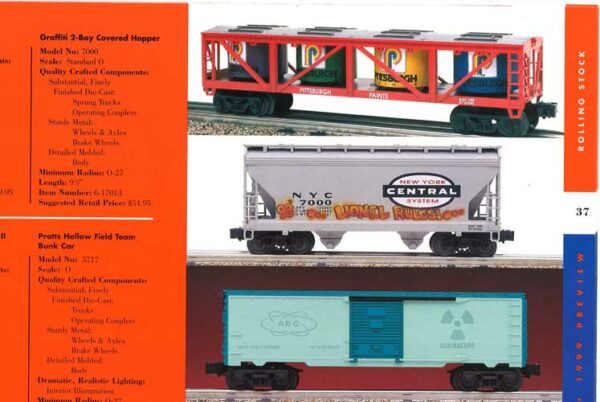
Graffiti on O gauge trains typically has a polarizing effect: One either loves or hates it. But there’s no denying…
Read more