Galvanic corrosion

Galvanic corrosion

By Angela Cotey | December 15, 2016

| Last updated on November 3, 2020


Ask Trains from January 2015

TRNAT0115_01
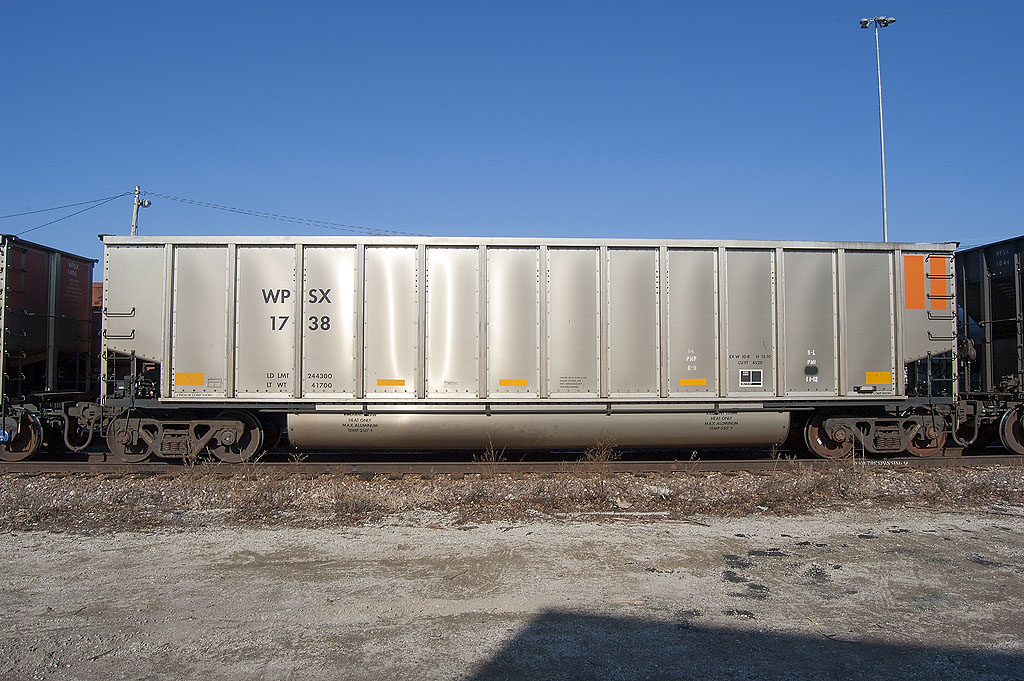
This coal hopper, seen in Butler, Wis., has a main body built from aluminum and a center sill made of steel. Freight-car makers use non-conductive materials to separate the metals and prevent galvanic corrosion.
Steve Sweeney
Q There are aluminum-body Talgos and aluminum-body coal cars, both with steel center sills. High school chemistry teaches that aluminum and steel are a bad combination for corrosion. How do rail car makers handle the corrosion problem? — Don R. Sutherland, Romeo, Mich.

A This concept is known as galvanic corrosion. It happens when metals with different electrochemical values come into direct contact with each other through an electrical conductor, such as salt or rain water, and the metal with the stronger negative charge of electrons gets attacked by the metal with a weaker charge. Railcar makers use an epoxy resin or other non-conductive materials to separate the metals, avoiding corrosion completely. — Steve Sweeney

Share this article