Locomotive air horn

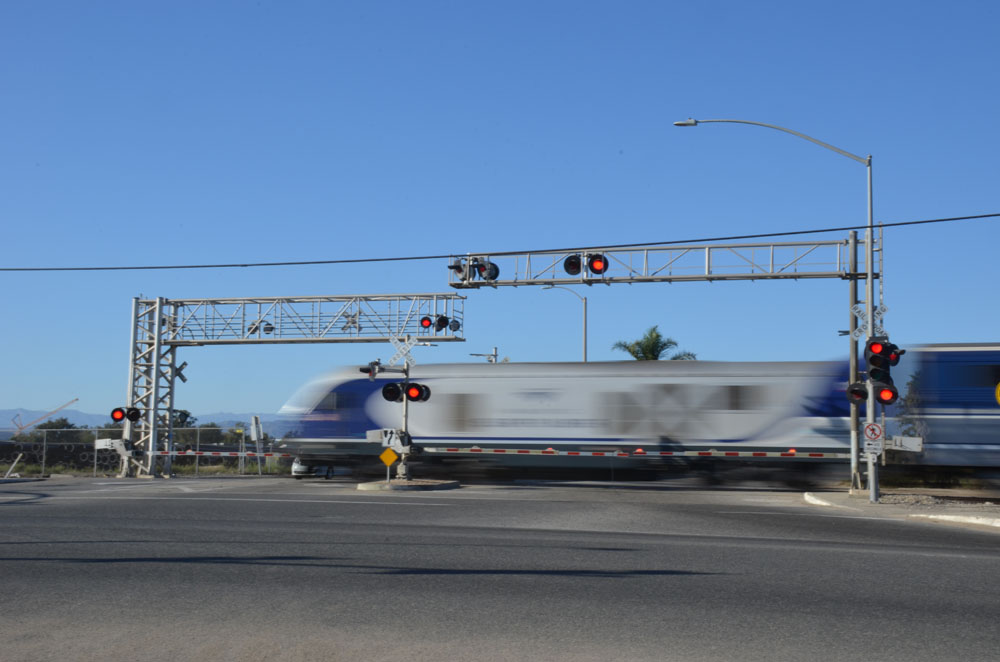
Throughout the United States, there are hundreds of thousands of railroad crossings that require sounding the horn. Federal law dictates that the engineer must blow the locomotive air horn with a sequence of blasts in the fashion of long, long, short, and long, no later than 15 seconds and as early as 20 seconds prior to entering the crossing. Failure to do so could result in a personal fine(s) to the engineer — up to $30,000 per incident.
Putting the law aside for a moment, the following issues are routinely seen around the country:
- Cars, trucks, and busses that go around lowered crossing gates.
- Vehicles stopped between the gates and the track at stoplights.
- Pedestrians and bicyclists that quickly cross the tracks in an effort to beat the train.
According to Operation Lifesaver, a person or vehicle in the U.S. is struck every three hours, usually ending in a fatality. It’s a well-established but misunderstood fact that trains cannot stop quickly. The combination of weight and momentum will propel a train, with the brakes locked in emergency, for thousands of feet before coming to a complete stop.
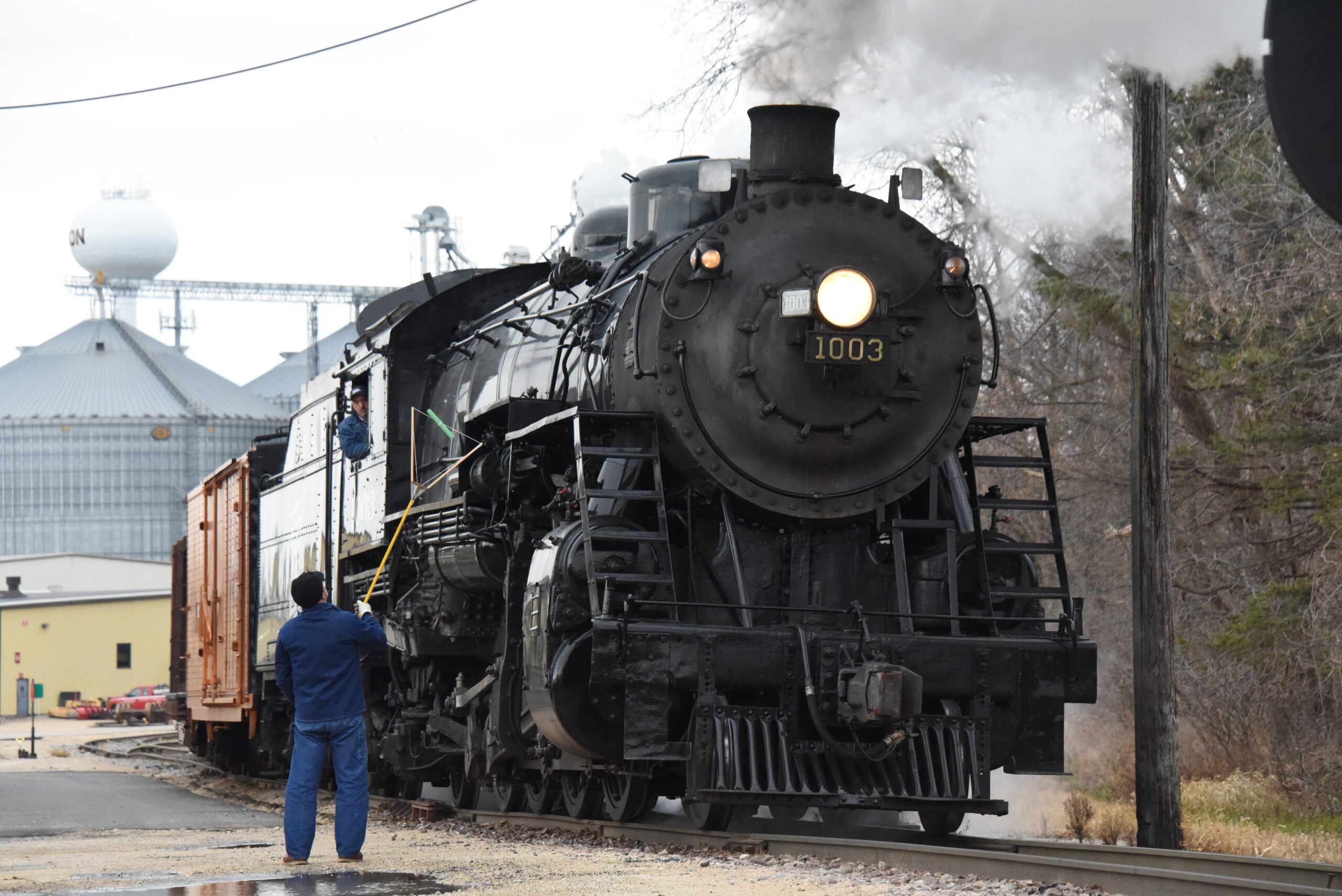
In the days before the radio, the whistle was also a means of communication between crew members. Hand or lantern signals were given and the whistle would sound off in acknowledgment. During helper operations or doubleheading, the lead engineer controlled the brakes and used the whistle to relay commands to his fellow engineers.
Throughout the country, the railroads have had communities — usually newer subdivisions — that built homes near the tracks, and then complain at the sound of the horn. Hence, the solution for the residents’ peace and quiet.
What is a quiet zone?
Quiet zones can only be implemented by a public authority or local government, under rules established by the Federal Railroad Administration. The local authority must pay for the upgrades to the crossings needed to bring them up to quiet zone standards and assumes the liability if a vehicle or pedestrian is struck by a train within a quiet zone.
There are many quiet zones in cities and towns throughout the country. Crews I have talked to say they don’t like them. Most people are already oblivious to the dangers surrounding trains as it is. Now throw in no horn at the crossings and we have an even bigger recipe for disaster.
A 2020 FRA report that monitored 333 quite zones with two years of observable trespass casualty data increased from 28 before to 40 after. For those with three years of data it increased from 39 before to 47 after the establishment of the quiet zones. However, those with only one year of data decreased from 19 to 17. Ultimately, the FRA could not find statistically significant results that definitively say quiet zones cause more casualties.
Most of us love hearing the horns and whistles; just be aware that the engineer is mandated to do it by law.
More technical information here: “Locomotive horns are important safety features.”