The Fiscal and Management Control Board was formed in response to operational and management failures at the Massachusetts Bay Transportation Authority exposed by a brutal Boston winter in 2015. Joseph Aiello was named chairman and led the FMCB for six years until the board expired on June 30, 2021, having improved the agency’s debt and finances, increased capital spending, and reformed its senior management team. Previously, Aiello was a partner at Meridiam, a private equity firm that mainly invests in infrastructure projects, but had worked for the MBTA in construction and development more than 20 years prior. This interview with Trains has been edited and condensed for clarity.

Q: What was the situation like when you chaired your first FMCB meeting in July 2015?
A: The headline was that the T melted down during the snowstorm. What we discovered was that there had been a long, lingering deterioration in the capital stock of the T. The operating procedures at the T, the human resources at the T, and the culture of the T had all been allowed to deteriorate over a previous 20 year cycle.
Q: What was your first priority?
A: The first thing, as chair, I needed to make sure was that each of the board members felt they had a voice, that we knitted five strangers together and were able to act as a team, and that we could have disagreements in public as we’re required to do. Right behind it was a move to make sure that the public felt that they had a voice. So, we created an extraordinarily transparent process for making sure people knew what was going to be on the [FMCB meeting] agenda in advance, to make sure that we had adequate time for public comment and that we showed that we listened.
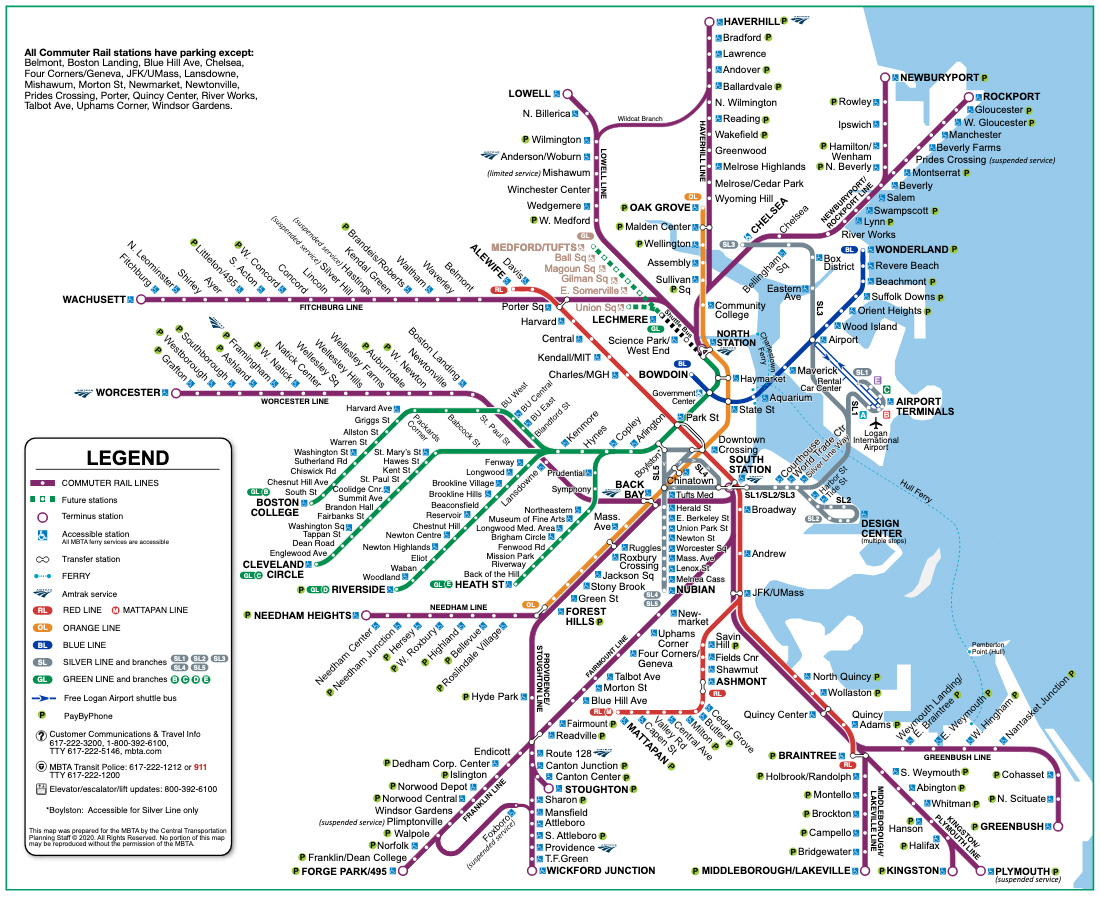
Q: One of your first issues was with the Green Line light rail extension to Somerville. How did the board address that?
A: The T had signed a full funding grant agreement with the [Federal Transit Administration] for that project stating that with contingency and everything the project could be brought in under $2.3 billion. By the time we got our first briefing on it, the estimates were ballooning up towards $3 billion with great uncertainty about everything.
We felt that project was a very important project that needed to be saved, but it needed draconian measures. We got rid of the consulting team and we disbanded the construction management team, brought in outside engineering firms, outside legal firms, people [who] had never worked for the T to look at this fresh.
The restoration of a project we were on the precipice of losing was going to be important not only for the community, but for the T, to the show that the board did have confidence that the organization can pull off a very difficult project and can do it well. And that sent an important signal to the staff.
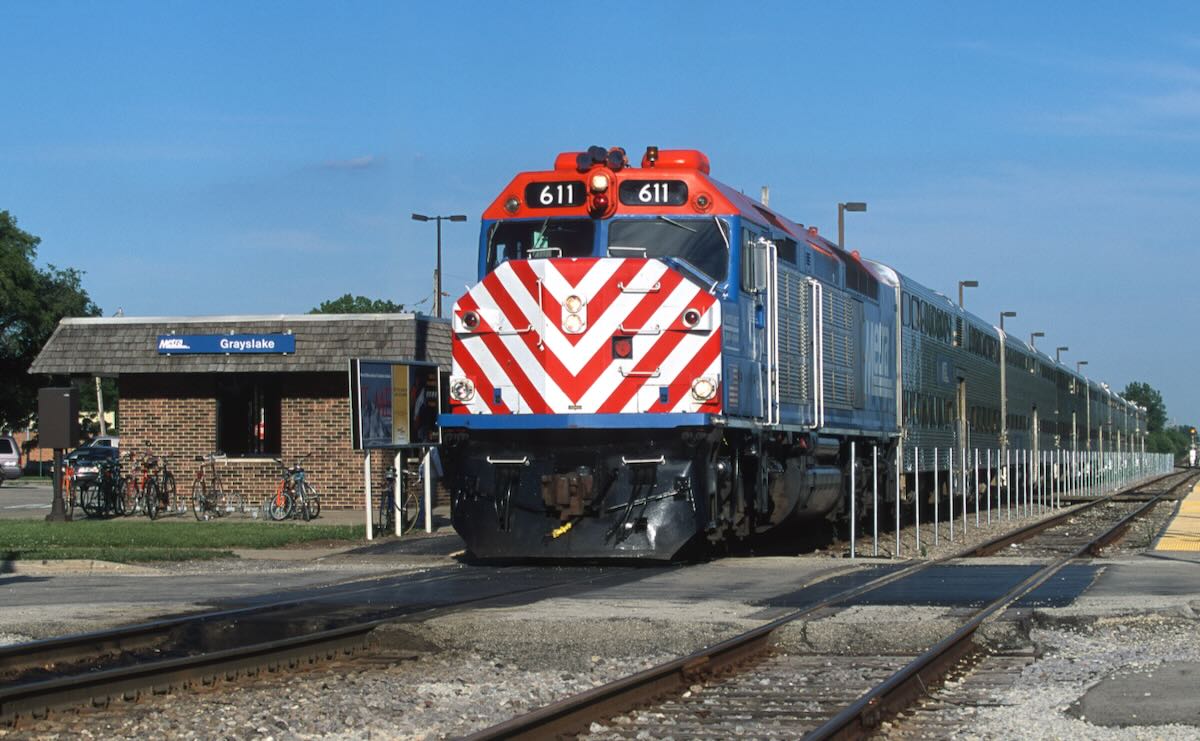
Q: The commuter rail system in 2015 was incurring high costs, running 40-year old locomotives, and on-time performance was dismal. How has that changed?
A: The commuter rail system was still operating the same way [it had] been since the early 1960s. And the reason behind that is the system service delivery was always outsourced to a private enterprise. So, the staff would rewrite the contract every five years, never understanding that there was a mismatch between crucial innovations that could lead to great productivity and service improvement gains versus the term of the contract. No vendor could possibly influence vehicle procurement decisions and point to productivity because any gains would happen outside the contract.
This is not the present game at the T. They understand better now. The rail system is in the process of dramatically changing. You’ll see a completely different product within the next 10 years.
Q: The board was set to expire in 2020 and then the pandemic hit, and you were asked to continue another year. How did you respond to the crisis?
A: The first thing was to make sure that we could operate safely from the employees’ perspective. And then the second was to understand it from the passengers’ standpoint. So, focus on the bottom line at the beginning and focus on making sure that safety and public health were No. 1.
We were just being reactive in the very short term. And then we began to see that those folks who had to continue to work were relying very heavily on the bus system, but not all bus routes were equal. So, there was a redeployment of services to those corridors to make sure we could service them.
We went into a heavy run-as-directed environment on everything. The starters of the various platforms would phone in immediately, “Hey, we got a pattern of a train getting busier. Pull another train out of the yard.” Now that’s not the typical culture of any transit system. Transit systems typically are these big stodgy things where maybe they change an operating plan once a year. We were literally doing it day to day, week to week.
Q: What did you take away from your experience at the FMCB?
A: I grew up as a kid riding the subway but when you’re in the seat of a board chair when the organization is in crisis, and when the world is in crisis, you begin to really deeply understand [that] a transit system is the backbone of a competitive, highly livable city, that has just got to work and has got to work for everybody.
The MBTA is as important as any institution is to civic life in the greater Boston metropolitan area. I learned an increased need to focus on folks of limited means who are really transit dependent.
Q: What do you hope to see for the MBTA?
A: There is no doubt in my mind that the T needs to be an ever-increasing presence in the mobility choices that people make going forward. We simply can no longer ignore the fact that the T needs to attract more riders over the long term. It needs to decarbonize its own operations as rapidly as possible, and it needs to invest in resiliency. There’s an enormous climate change agenda ahead of it, but it will be a key tool. Transit needs to become an ever increasing part of the mobility solution for the region.
Share this article