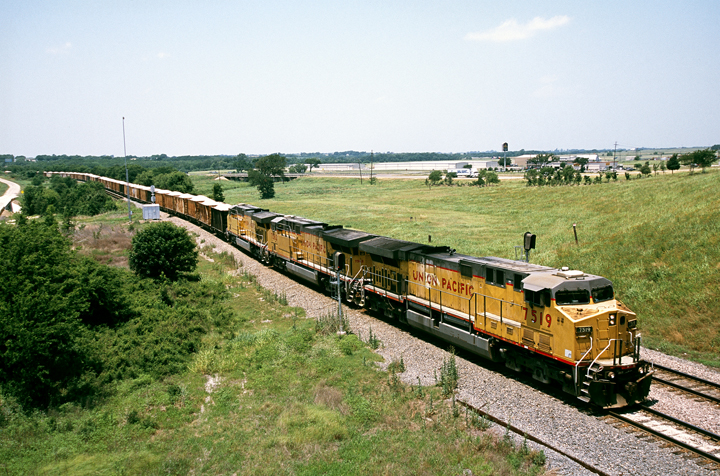


 WASHINGTON — The Surface Transportation Board will allow a Minnesota company to proceed with its complaint against Union Pacific that alleges service reductions by the railroad violate UP’s common carrier obligation and constitute unreasonable practices.
In a decision issued Tuesday, the board granted a request by Sanimax USA to partially revoke commodity exemptions and allow the case to move forward, while denying UP’s motion to dismiss the Sanimax complaint.
Sanimax, in South St. Paul, Minn., processes animal waste for use in animal feed, pet food, soap, and other products. In August 2020, UP reduced service to Sanimax’s plant from five days a week to three; the company said it spent almost $14,000 to move products by truck in the first month of the reduced service and has been assessed more than $8,500 in demurrage charges as a result of the decrease.
Sanimax filed a complaint with the STB over the reduction of service in November 2020; later that same month, UP field a motion to dismiss on the grounds that the commodities in question are exempt from STB regulation. Sanimax responded with a request for the board to grant a partial revocation of those commodity exemptions.
In Tuesday’s decision, the board determined the revocation was necessary. “Given the nature of the service dispute at issue here and the issues raised regarding Sanimax’s dependence on UP’s service,” the board wrote, “ it is important that the Board examine Sanimax’s claims and UP’s responses to determine if regulatory relief is appropriate in order to provide the balanced regulatory process envisioned in the Staggers Rail Act.” The board also set a procedural schedule that will have all submissions in its possession by April 18, 2022.
Share this article