


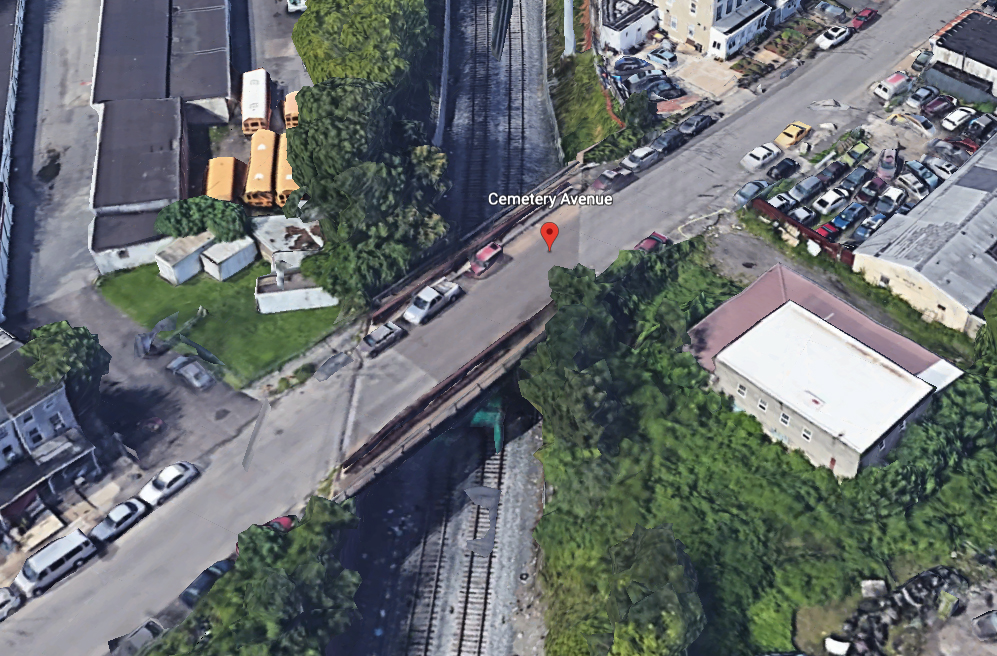
PHILADELPHIA — The Pennsylvania Public Utilities Commission has turned down a request by CSX Transportation to remove a 60-year-old bridge in Southwest Philadelphia, siding with the city of Philadelphia’s recommendation to replace the structure at a cost of $5 million.
The Philadelphia Inquirer reports that CSX filed the request to demolish the bridge on Cemetery Avenue — which was built in 1961 and is the third structure at a spot that has had a bridge since 1886 — saying it was no longer necessary and that alternate routes existed. But the newspaper says the case generated an “astonishing volume” of testimony, reports and rebuttals before the commission ruled on Feb. 3 that it would deny CSX’s request and adopt the recommendation of an administrative law judge who wrote that “abolishing the Crossing is not in the public interest, nor is it necessary and proper for the service, accommodation, convenience, or safety of the public.”
The administrative law judge, Darlene Heep, determined the railroad was responsible for repairs to the bridge while the city is responsible for the bridge approaches. CSX predecessor Baltimore & Ohio had committed to maintaining the structure after the 1961 rebuild, which replaced a bridge destroyed in a derailment.
The chief engineer of the Philadelphia Streets Department, Darin L. Gatti, told the newspaper the matter was “a very important fight for the city,” which is engaged in ongoing disputes with railroads over maintaining their property: “We were not about to give in lightly because the railroad doesn’t feel like maintaining [the bridge] anymore.”
The railroad had argued that if the city felt the bridge was necessary, it should maintain it.
Among those making the case for a bridge was a Philadelphia police official who said the bridge was the primary route to respond to 4,500 police calls in 2020, including 195 calls for “higher-grade felonies.” About 5,400 vehicles use the bridge daily, officials said.
CSX and its attorney did not respond to questions from the newspaper asking if it planned to appeal the decision, which is available at the PUC website.
Share this article