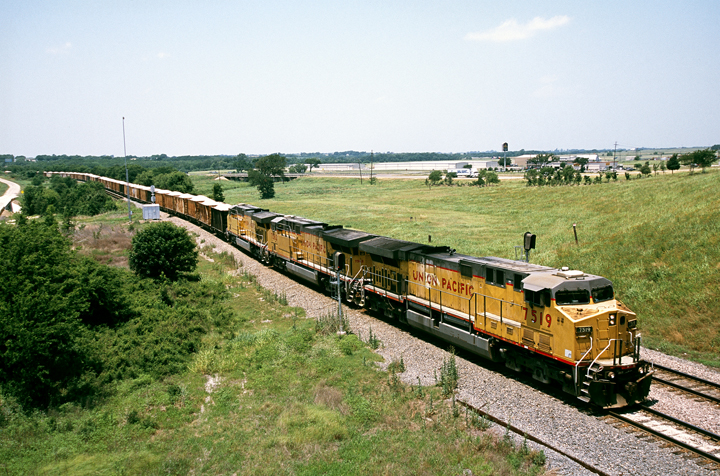


Norfolk Southern and Canadian Pacific have released details of their plans to address greenhouse gas emissions, with NS aiming for a 42% reduction by 2034, while CP has set a goal of reducing locomotive emissions by more than 38% by 2030, along with a reduction from non-locomotive operations by more than 27%.
 The NS figure is for a reduction in scope 1 and 2 greenhouse gas emissions, based on baseline figures from 2019. Locomotive fuel account for more than 90% of Norfolk Southern’s carbon emissions. The railroad increased fuel efficiency by 9.4% between 2016 and 2020, avoiding approximately 1.3 million metric tons of emissions, and focused on older, less fuel efficient engines in retiring more than 700 locomotives in 2020. Other measures include rebuilding locomotives into lower-emission “Eco” models; a D.C.-to-A.C. program creating more efficient locomotives; equipping locomotives with energy-management technology; and replacing diesel-powered cranes at intermodal facilities
“As a leading transportation provider, it is our responsibility to reduce our environmental impact and also to help our customers reduce their carbon footprint,” CEO James A. Squires said in a press release. “In recent years, our customers have avoided 15 million metric tons of carbon emissions annually by shipping their goods and materials with Norfolk Southern. Shipping by rail instead of truck lowers carbon emissions by 75% on average, relieves traffic congestion, and reduces wear on public infrastructure.”
 CP’s figures are part of its first comprehensive climate strategy published this month. The locomotive figures address scope 1, 2, and 3 emissions, while the non-locomotive target addresses scope 1 and 2 emissions. Other CP measures include its ongoing efforts to develop a hydrogen fuel-cell locomotive [see “Canadian Pacific’s hydrogen locomotive should be operating in 2022 ..,” Trains News Wire, Jan. 20, 2021] and installation of a solar farm at its Calgary corporate headquarters.
“CP’s Climate Strategy is ambitious, which we feel appropriately reflects the urgency of the fight against climate change,” CEO Keith Creel said in a press release. “We look forward to collaborating with government, industry and research partners to create and test the new solutions required to achieve our targets. CP has been in business for 140 years and this collective commitment to sustainability and willingness to integrate new approaches will ensure we have a future as bright as our past.”
Share this article