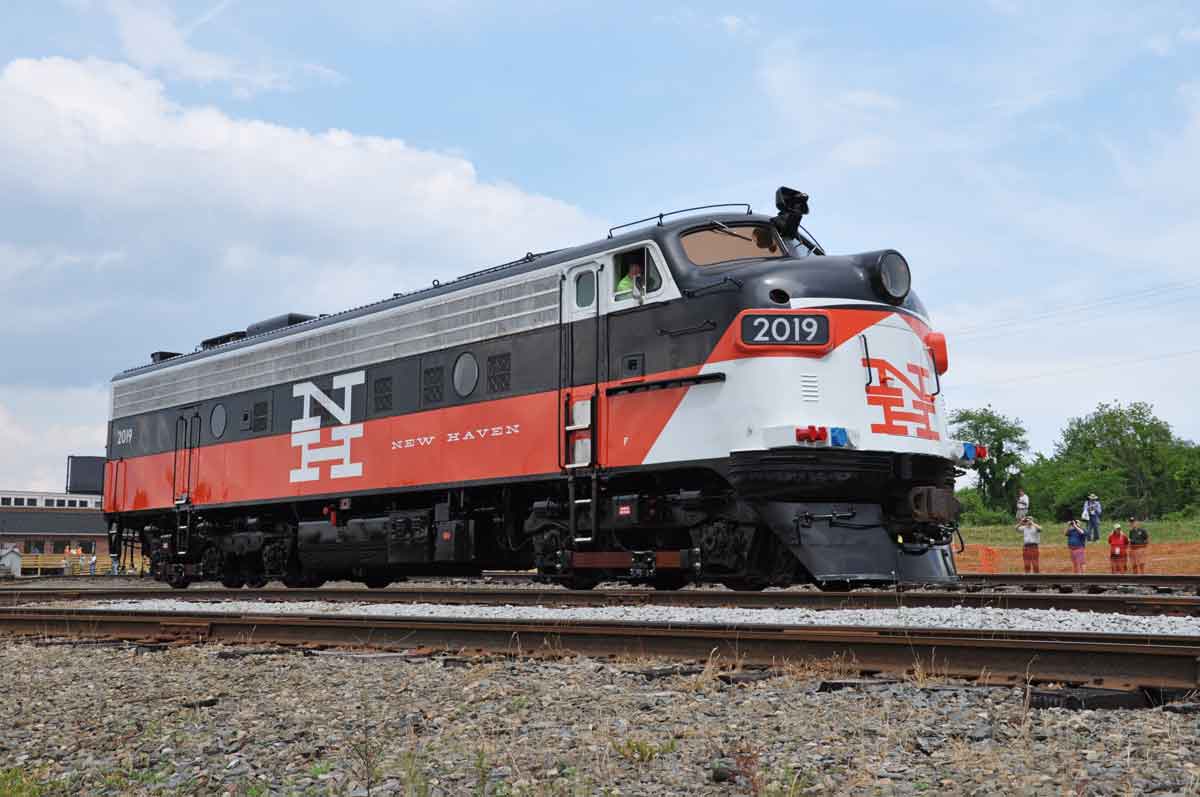


At the onset of the pandemic in 2020, Class I railroads furloughed train crews as volume sank at its fastest rate ever.
When volume rebounded, crew members were not called back to work at the same rate as traffic returned because railroads were moving their tonnage on fewer but longer trains.
Then three things happened that put railroads in a bind. Furloughed conductors found work elsewhere. Train and engine crews quit or retired at higher rates than usual. And an extremely tight job market made it difficult for railroads to recruit and hire conductor trainees.
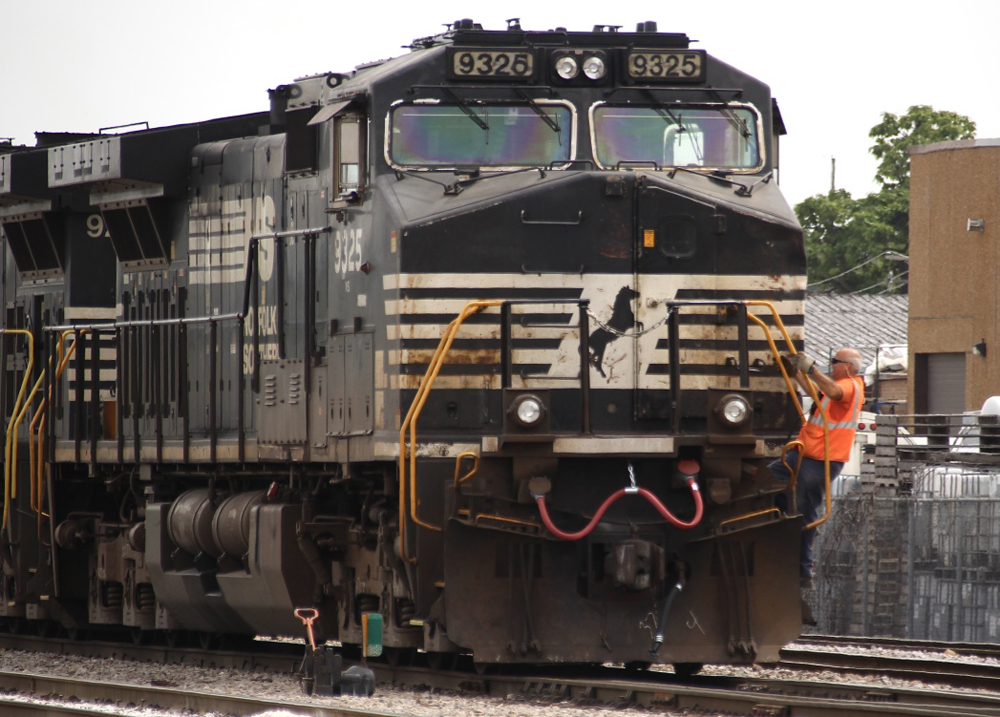
The result has been widespread crew shortages, particularly in the East where CSX Transportation and Norfolk Southern service has suffered.
Railroads are caught up in broader trends in the labor force amid a wave of workers who are retiring or finding better jobs. A record number of Americans left their jobs this year in what’s been called the Great Resignation, a phenomenon spurred on in part by the pandemic. Simply put, there are more job openings than job candidates.
“No way did I or anybody else in the last six months realize how difficult it was going to be to try and get people to come to work these days. It is an enormous challenge for us to go out and to find people that want to be conductors on the railroad, just like it’s hard to find people who want to be baristas or anything else,” Foote said on CSX’s July 21 earnings call. “It’s very, very difficult.”
A few months later NS executives faced the same challenges.
“Norfolk Southern is a great place to work,” Chief Financial Officer Mark George says, citing high pay and good benefits.
“But it’s an outdoor sport,” he notes, making it harder for railroads to compete for workers.
“People have a lot of options, and what we’re finding is that people are really making decisions to leave or not to join … largely based on lifestyle,” George told an investor conference.
When seeking conductors, NS now finds itself in competition with Amazon warehouses, trucking, and housing construction jobs. “In this post-COVID world, people are choosing different ways to live their life, and work-life balance is part of that. So that’s really what we’re dealing with,” George says.
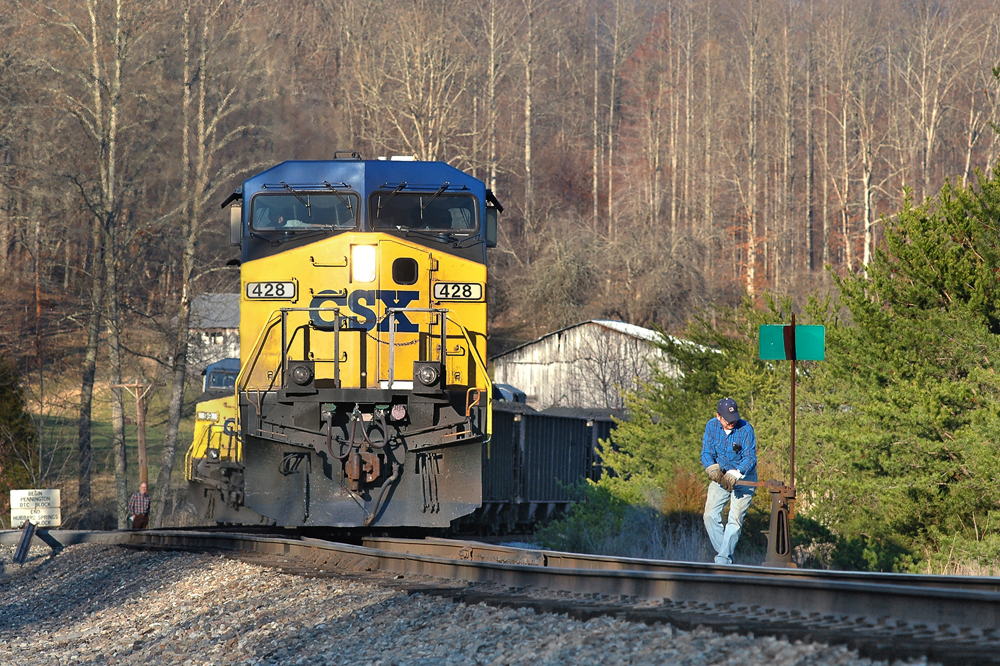
Both railroads are hiring as fast as they can and said they likely wouldn’t be fully staffed until sometime in the first quarter of 2022. CSX and NS were offering incentives to current train and engine crews as well as new hires.
“We recognize our current service levels do not meet our customers’ or our expectations. We also understand the critical role we play in supporting our customers’ business plans and the national economy,” NS President Alan Shaw wrote in a December letter to Surface Transportation Board Chairman Martin J. Oberman. “We are in business to provide an efficient, reliable transportation service and we are highly motivated to restore the level of service our customers expect and handle higher volumes of their freight.”
Foote told Oberman that CSX’s service was not where he’d like it to be. “On the carload side of our business, CSX continues to work towards the goal of delivering our customer freight in the most efficient and reliable manner,” Foote wrote.
Oberman pins some of the blame for crew shortages on job cuts at Class I railroads, which have shed 25% of the workforce over the past few years. “Now the railroads tell us they’re working mightily to hire more staff, and they’re finding it difficult to do so,” he told the RailTrends 2021 conference in November.
Oberman acknowledges that railroads are facing the same labor market pressures as every industry.
“But to the railroads there’s another factor causing the problem in finding enough people,” he says. “I don’t think it’s a mystery that working conditions on many of the Class Is have become unacceptable for too many who have chosen to abandon their railroad jobs, in many cases in mid-career even when it’s caused them to forgo their pensions that they may have spent years accumulating.”
Additional News Wire reading:
“NS, CN, and KCS are hiring conductors to meet rising traffic demand,” June 22, 2021.
“As volume rises, CSX feels pinch from crew attrition, tight job market,” Aug. 5, 2021.
“Norfolk Southern service deteriorates amid crew shortages,” Nov. 15, 2021.
“Norfolk Southern reports record earnings, but crew shortages affect service levels,” Oct. 27. 2021.
“Train crew shortages spread to short lines,” Nov. 23, 2021.
Coming Dec. 27: Top 10 stories Nos. 5 and 6.
Previously:
News Wire Top 10: The runners up.
News Wire Top 10, No. 9 (tie): The STB and Wall Street.
News Wire Top 10, No. 9 (tie): Amtrak sidelines equipment, turns away revenue.
News Wire Top 10, No. 8: Climate challenges.
Share this article