

WASHINGTON — With a Dec. 9 deadline looming, a coalition of more than 400 business groups today urged Congress to prevent a national railroad strike that would cripple the economy.
The U.S. Chamber of Commerce, along with trade groups representing manufacturers and retailers, said a strike would have major economic impacts as railroads curtail shipments of hazardous materials and other goods up to a week before the Dec. 8 negotiating deadline.
“Chemical manufacturers are one of the first industries that will be impacted as railroads start restricting service up to a week before a threatened strike,” Chris Jahn, CEO of the American Chemistry Council, said in a statement today. “Freight rail transportation is vital for transporting chemicals critical to everyday life, including water treatment, energy production and food production. Shutting down chemical shipments by rail would quickly send shockwaves that would be felt through the entire economy and households across the country.”
The Washington Post reported on Monday afternoon that the Biden Administration was preparing to urge Congress to take action that would avert a strike.
Meanwhile, a poll commissioned by the Association of American Railroads found that 92% of those surveyed said it was important for rail service to continue without interruption from a strike, and that if a strike did occur it would exacerbate rising prices.
The poll also found that 72% of respondents believe the Presidential Emergency Board’s contract recommendations, which include a 24% compounded raise over the five-year life of the contract, are fair. Some 73% said they believed rail workers should accept the tentative agreements with the Class I railroads.
Congressional leaders have said in recent days that they are closely monitoring the situation. But they have not said what action they might take to prevent or end a strike.
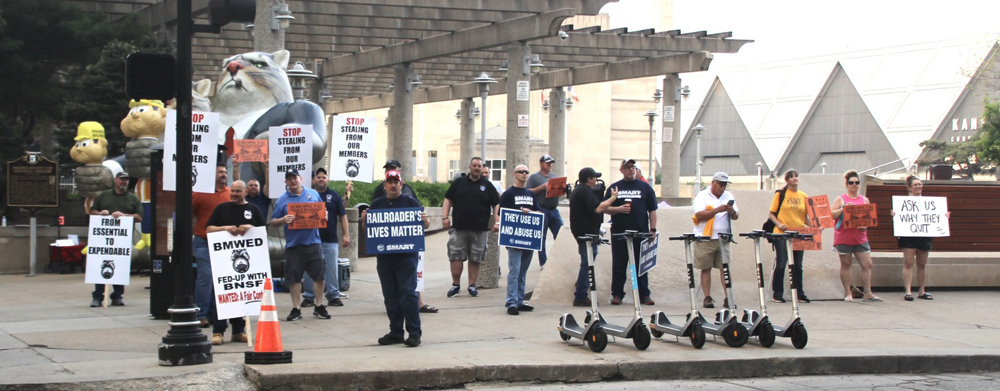
Four unions have rejected their tentative agreements with the railroads that are part of national negotiations, while the other eight unions have ratified their contracts. A strike by just one of the unions would trigger a nationwide walkout or lockout affecting freight railroads, most Amtrak service, and commuter operations in many cities.
The four unions are in a cooling off period that expires on Dec. 9. The two sides are back at the negotiating table.
Share this article