

To see why it is so difficult to build anything these days, consider the sad case of the proposed Savage Tooele Railroad.
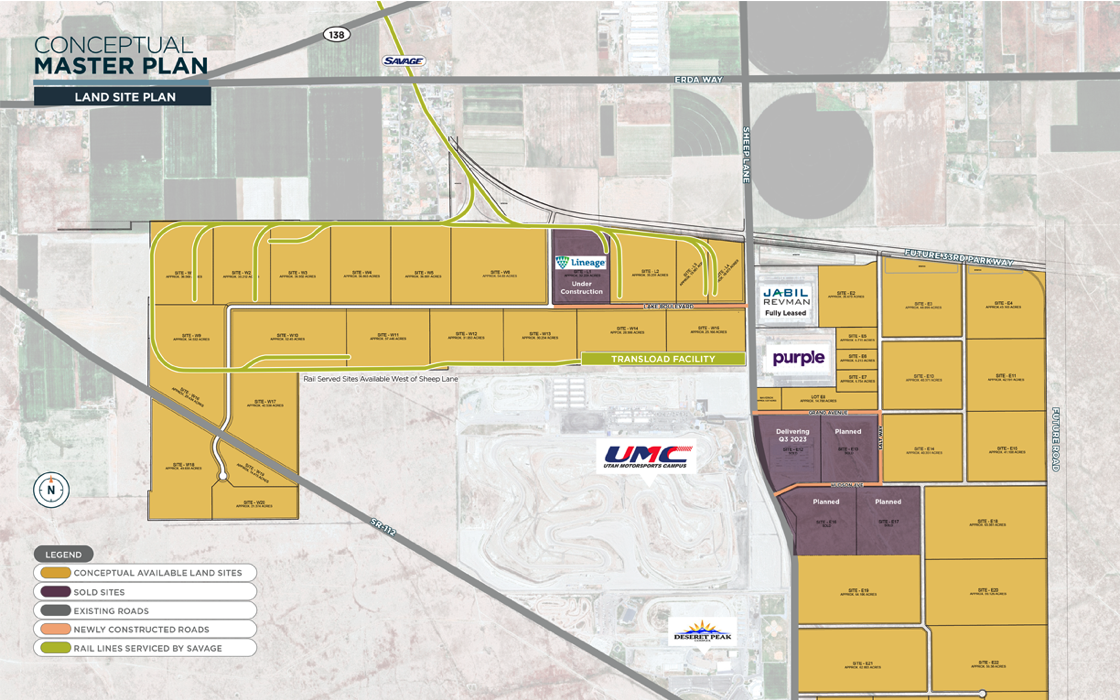
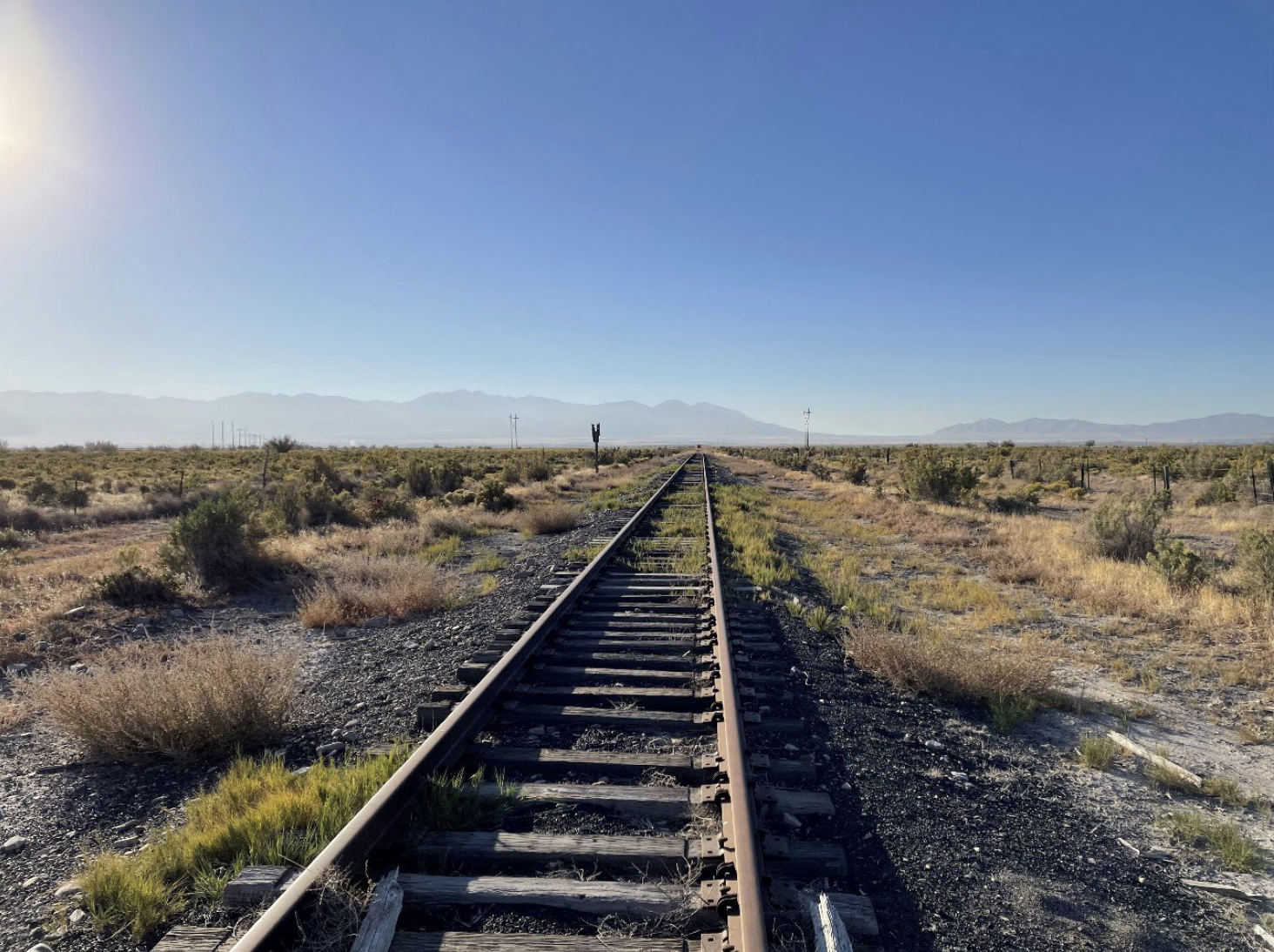
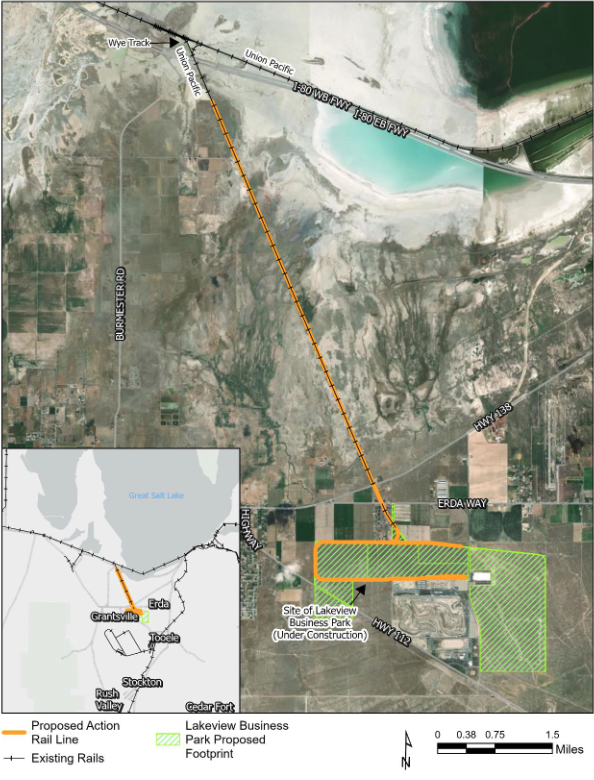
Savage wants to revive Union Pacific’s abandoned 6-mile Warner Branch in Tooele County, Utah, restore a quarter mile of ripped-up track, and build 5 miles of new track within the Lakeview Business Park and its planned 800 acres of rail-served property. The business park is under construction in Grantsville, which sits southwest of Salt Lake City.
Tooele is the fastest-growing county in Utah and lacks the rail lines necessary to meet future transportation and logistics needs. Once built, the 11-mile Savage Tooele Railroad would operate a single 12- to 20-car train in each direction every weekday between the business park and the interchange with UP’s Shafter Subdivision at Burmester.
It’s small potatoes for sure, but the story is bigger than that because it spotlights how ridiculously cumbersome the regulatory review process can be.
In September 2021, Savage first sought to have acquisition of the moribund Warner Branch and related construction exempt from Surface Transportation Board review. But the board had questions. So Savage refiled in June 2022. And it was determined that the transaction would require both STB approval and an environmental assessment.
In January 2023, Savage made a reasonable request: Could the board issue a decision on the transportation merits of the proposal while the environmental review was under way? Such a decision, Savage said, would help potential business park tenants determine whether they should include rail in their building plans.
The regulatory uncertainty had already caused the loss of one potential rail customer. Another was nearing a design deadline on whether its planned $125 million cold storage warehouse would include $7 million in rail-related infrastructure or would be built to be served only by trucks.
The STB was not swayed by those arguments. It denied Savage’s request in a 3-2 decision in March.
STB Chairman Martin J. Oberman has frequently criticized Class I railroads for their failure to show meaningful growth. The consequences of rail’s loss of market share, he has noted, include increased truck traffic and higher greenhouse gas emissions. And now here’s the STB delaying a decision that could put more freight on rails.
You only get one chance to build a new rail-served facility, and the STB made the wrong call. As board member Michelle Schultz noted in her dissent, the STB between 2020 and 2022 received 59 requests for permission to abandon rail lines but only nine seeking authority to build new ones. The board should be making it easier — not harder — for rail projects to be built.
The Savage Tooele Railroad draft environmental assessment was released last month. It runs 626 pages. If you’re keeping score at home, that’s roughly 57 pages per mile. Any way you look at it, it’s an astounding sum for an 11-mile railroad that will operate just two short trains per day. (Worth noting: An environmental assessment is an easier path than a far more detailed environmental impact statement.)
But don’t blame the STB’s Office of Environmental Analysis for doing a thorough job. They were merely following the law that Congress created back in 1970 and has been updated several times since.

Is there really a need to look under every rock while doing an environmental review for simply restoring and extending a branch line into a business park that is already under construction? Of course not. Congress should create an escape hatch that exempts this sort of rail expansion from such a rigorous environmental review. Given rail’s huge environmental advantages over trucks, the priority should be greasing the skids, not throwing sand in the gears.
The draft environmental assessment, by the way, told us what we already knew: The Savage Tooele Railroad won’t create any significant environmental impacts. Comments on the draft environmental assessment are due by Oct. 30. The STB likely will approve the project … eventually.
The railroad regulatory review process needs to be streamlined. It creates headaches and delays — something that the truckers never face. In fact, the extension of a parkway to improve access to the Lakeview Business Park is scheduled to go from design and environmental review in 2024 to construction in 2025. Railroads are competing on a playing field tilted in favor of trucks.
Savage Tooele is not the first rail project to face regulatory obstacles and it won’t be the last. But this short, low-density rail line proposal shows just how hard it can be to build, even when a project seems like a slam dunk.
You can reach Bill Stephens at bybillstephens@gmail.com and follow him on LinkedIn and X @bybillstephens