


NEW YORK — A proposal to reorganize New York’s Metropolitan Transportation Authority found a receptive audience at the MTA’s monthly board meeting.
The proposal, announced Tuesday by Gov. Andrew Cuomo and New York City Major Bill de Blasio, offered a 10-point plan to change the MTA, which oversees commuter rail operations and the New York City Subway. The proposal hinges on restructuring of the MTA and adoption of “congestion pricing,” a fee for vehicle operation in parts of central Manhattan, as well as taxes on legalized marijuana and internet sales.
The following day, the MTA board concurred with the recommendations, and added that without congestion pricing and cost reductions, fares would face a 30 percent increase, the number of trains would have to be reduced, and the employee headcount would have to be cut.
“In addition to the urgency of securing additional revenue, we recognize we must fundamentally reform the MTA,” said MTA Acting Chair Fernando Ferrer.
Among the facets of the proposal from Cuomo and de Blasio, which must be approved by state lawmakers:
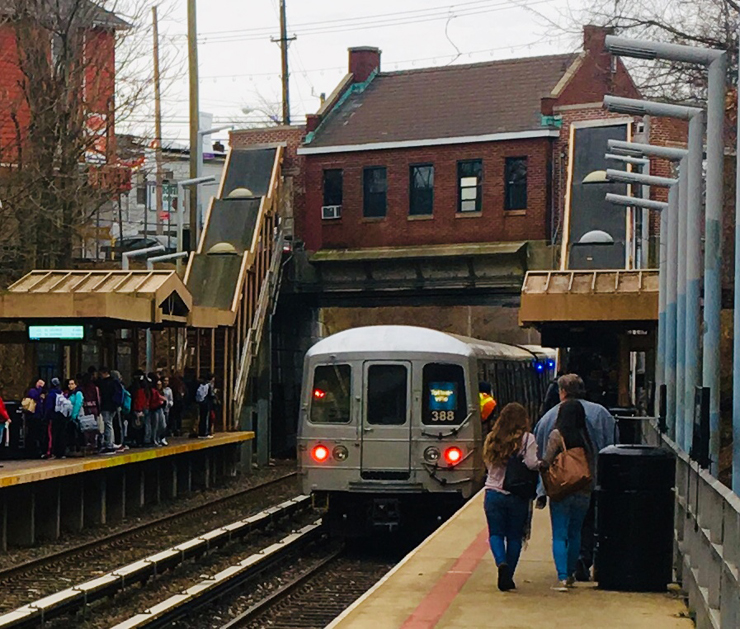
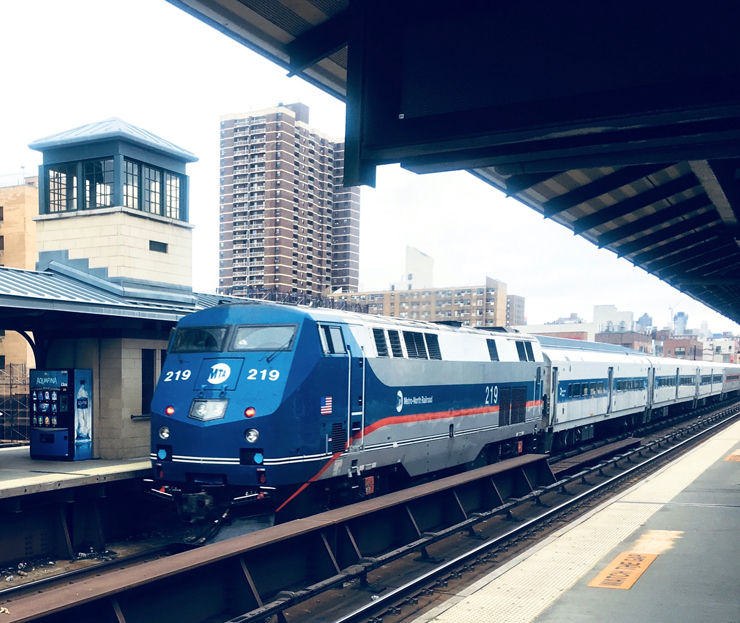
— Centralization of back-office functions currently spread among the MTA’s six parts, which include the NY City Transit Authority, the Long Island Rail Road, Metro-North and the Staten Island Railway. There will be a restructuring plan in place by June.
— Revenue from congestion pricing, as practiced in London and other cities elsewhere in the world, will address the MTA’s capital needs. Priority would to given to new subway system signaling, new subway cars, track and car repair, accessibility, and investments in expanding transit availability. This program is to be in place by December 2020.
— The plan, including any proposed fare increases, will be reviewed by a committee of transportation, engineering, and government experts with no existing financial relationship with the MTA. Committee members will be appointed by the governor, mayor, state assembly and state senate, and organizations representing subway riders.
— All major construction projects will be “design-build” projects, with a single entity responsible for both design and construction, in contrast to the practice in which projects are designed, and then companies bid to build to the already-set specifications. All projects will be reviewed by an outside committee of members not affiliated with the MTA or its consultants. This same committee will also review a planned upgrade of subway signals, choosing between competing technologies: Communications Based Train Control, in use on two subway lines, and Ultra-Wide-Band, which was tested on two lines but is not currently in use.
— Expedited completion of the existing Subway Action Plan, which includes signal repair, water management, station enhancements, rail welding, friction pad installation, increased refurbishment efforts, and other service improvements.
At Wednesday’s MTA board meeting, Ferrer offered examples of further reforms. Each of the six MTA agencies has submitted consolidation proposals and been asked to identify $500 million in annually recurring savings. Also, vendor and contractor hourly rates have been cut by 10 percent across the board, a move expected to save $75 million.
The board also approved fare increases, effective April 21.
For the Transit Authority, which operates the subway, Staten Island Railway, and buses, the base fare of $2.75 per ride will stay the same; the 30-day unlimited ride will increase by 5 percent; the 7-day unlimited ride MetroCard will increase 3.1 percent; and a discount for those who buy multiple base-fare rides in advance will end.
Increases for weekly and monthly tickets for the Long Island Rail Road and Metro-North Railroad, which are distance- and time-based, were capped at a little less than 4 percent. There is a maximum monthly increase of $15, and a cap on tickets of $460; a maximum weekly increase will be $5.75. One-way tickets will be increase by as much as 50 cents.