
Broken rails: an unexpected pain

TRNTC0814_01

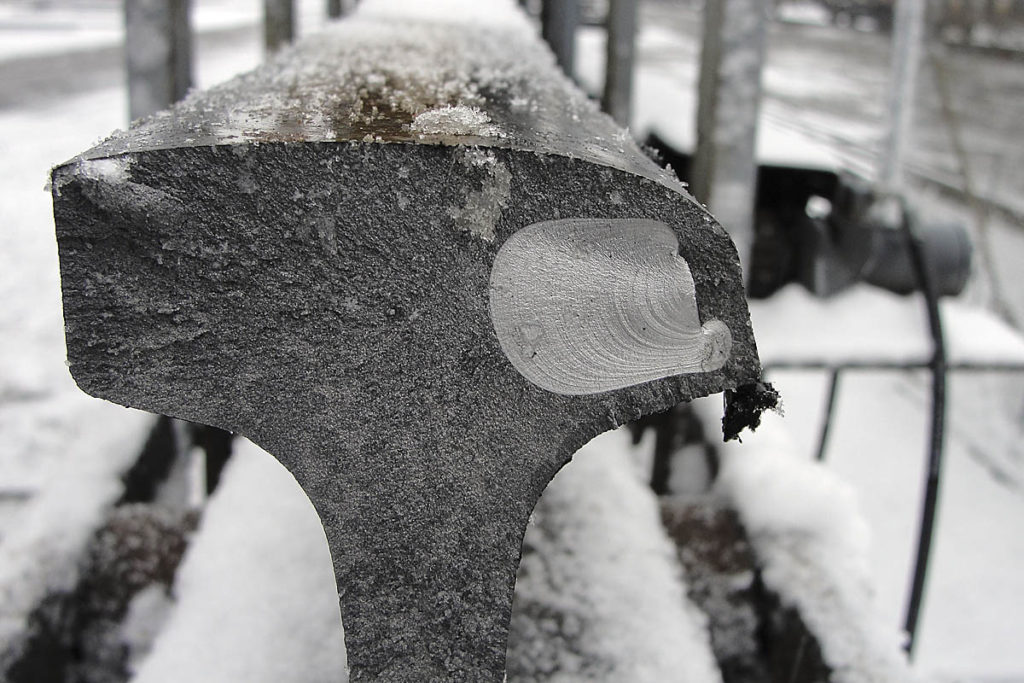
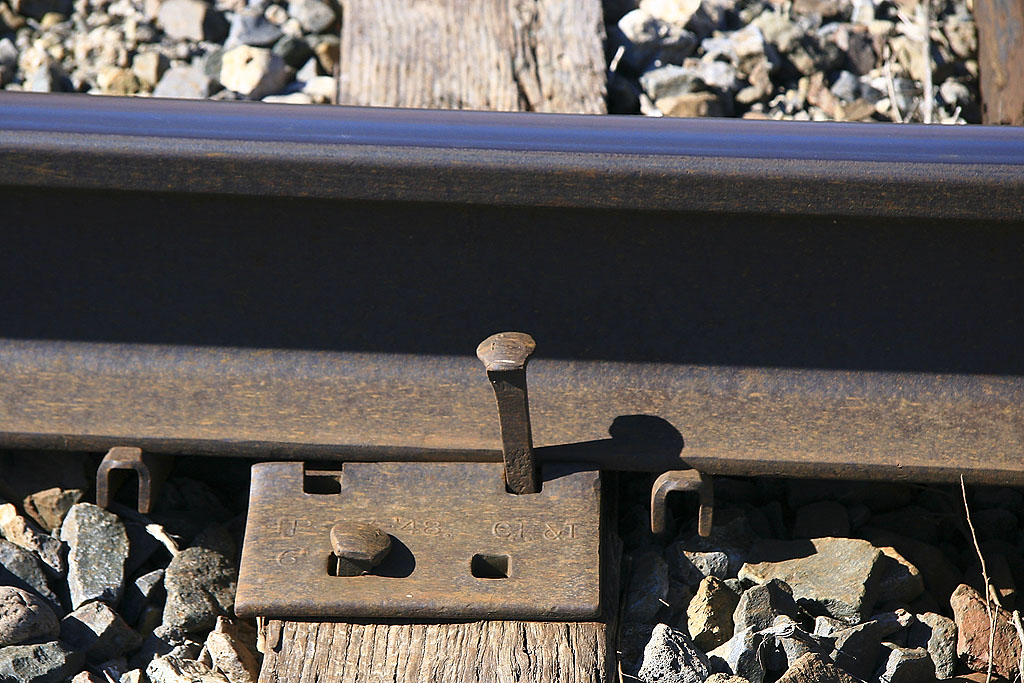
The manufacture and maintenance of rail is as old as railroading — and so are broken rails. Though today’s rail is much harder, stronger, and of higher quality than rail made even 40 years ago, railroads and metallurgists have just recently begun to understand why rails still are breaking. As railroads installed new rail in […]

Read More…

The fine science of friction control

TRNTC0612_01

Hydraulic flange greasers are activated when a wheel rolls over an actuator, as shown on CSX’s Indianapolis Line Subdivision. Two photos, Eric Powell Forgive the pun, but it’s a slippery slope that railroads have to deal with, in terms of rail and flange lubrication. Too much or too little grease on the track can cause […]

Read More…

Running ‘backward’

TRNAT0315_03

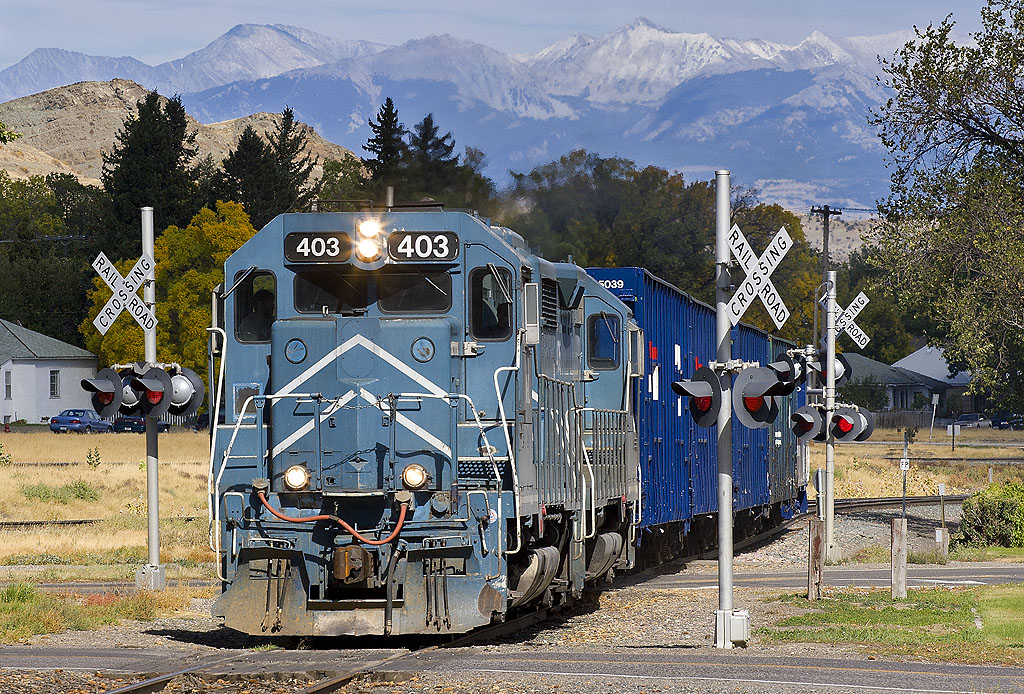
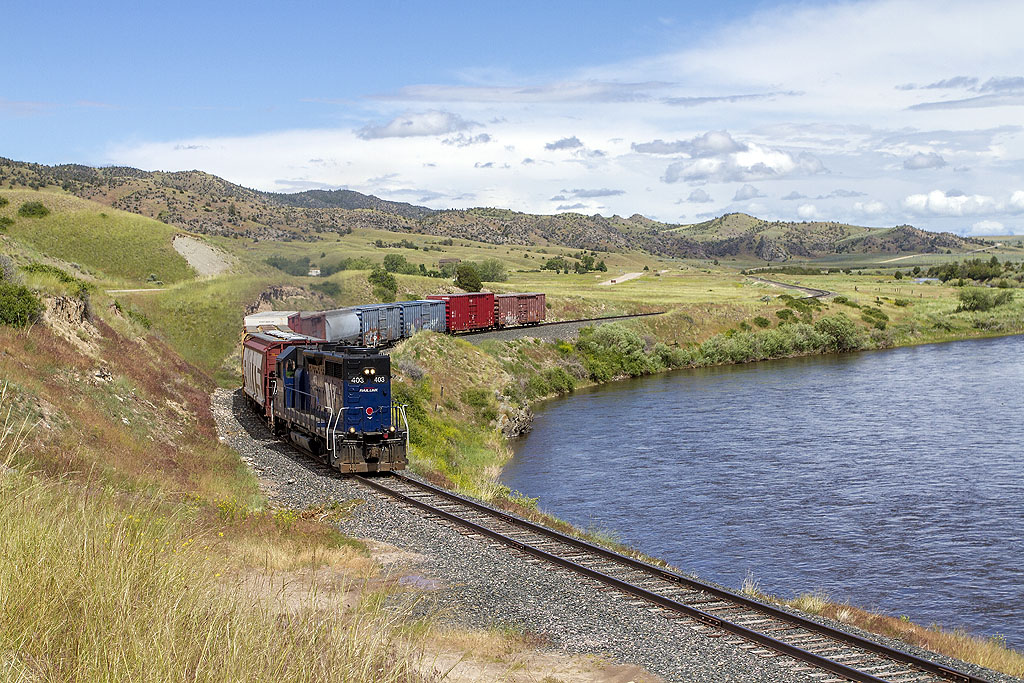
A Montana Rail Link local with a GP35 running backward (long hood forward) rolls along the Jefferson River west of Sappington, Mont. Tom Danneman Q In the 2010 movie, “Unstoppable,” movie makers create a lot of drama about running a locomotive backward at high speed. How capable are road and switch engines of operating in […]

Read More…

Amtrak in Deshler, Ohio

TRNAT0615_01

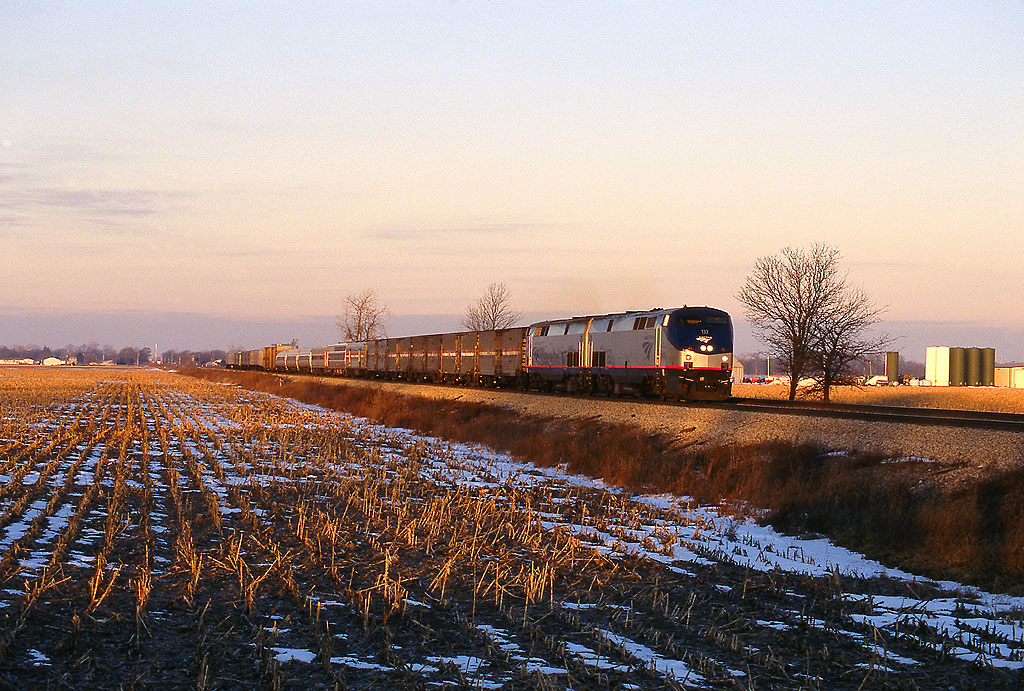
Amtrak’s ‘Three Rivers’ passes through Deshler, Ohio, in January 2003. Brian Schmidt Q While watching a DVD recently, I noticed an Amtrak train heading west through Deshler, Ohio. In what years did Amtrak go through that piece of Ohio? – David Harnisfeger, Findlay, Ohio A Amtrak operated on the former Baltimore & Ohio main line […]

Read More…

Burlington ‘Zephyr’ record

TRNAT0215_02

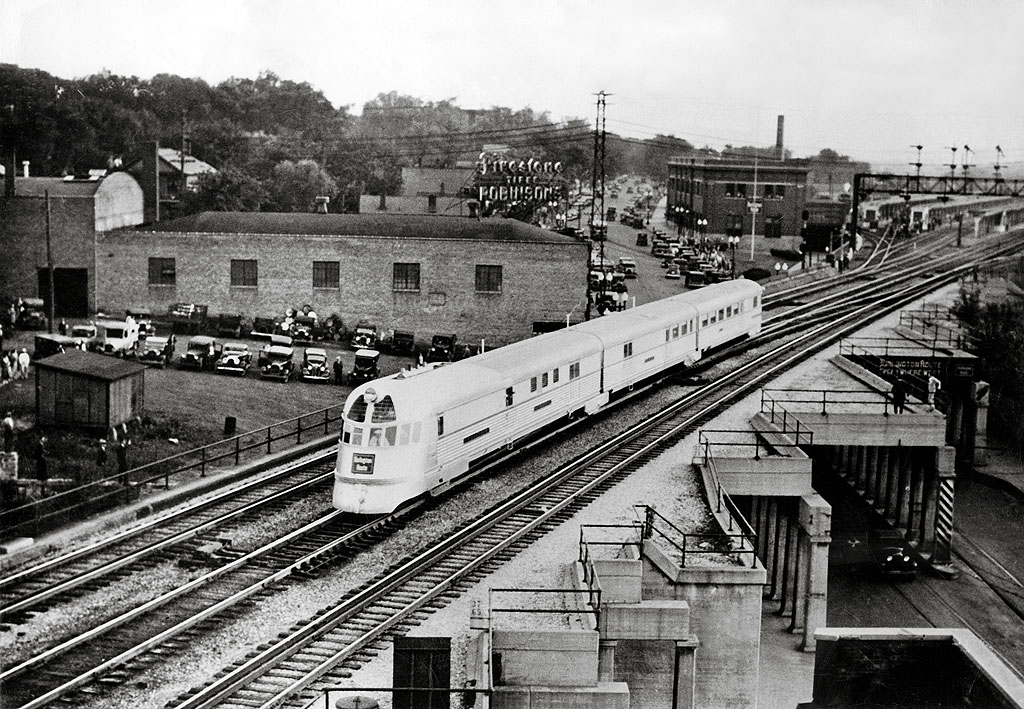
The Burlington ‘Zephyr’ as seen in Aurora, Ill., on May 26, 1934. Its nonstop run may have included slow spots. CB&Q Q In 1934, the Chicago, Burlington & Quincy ran the Zephyr from Denver to Chicago nonstop. How did they do this without changing crews? Did they have crews on-board for each subdivision and change […]

Read More…

Galvanic corrosion

TRNAT0115_01

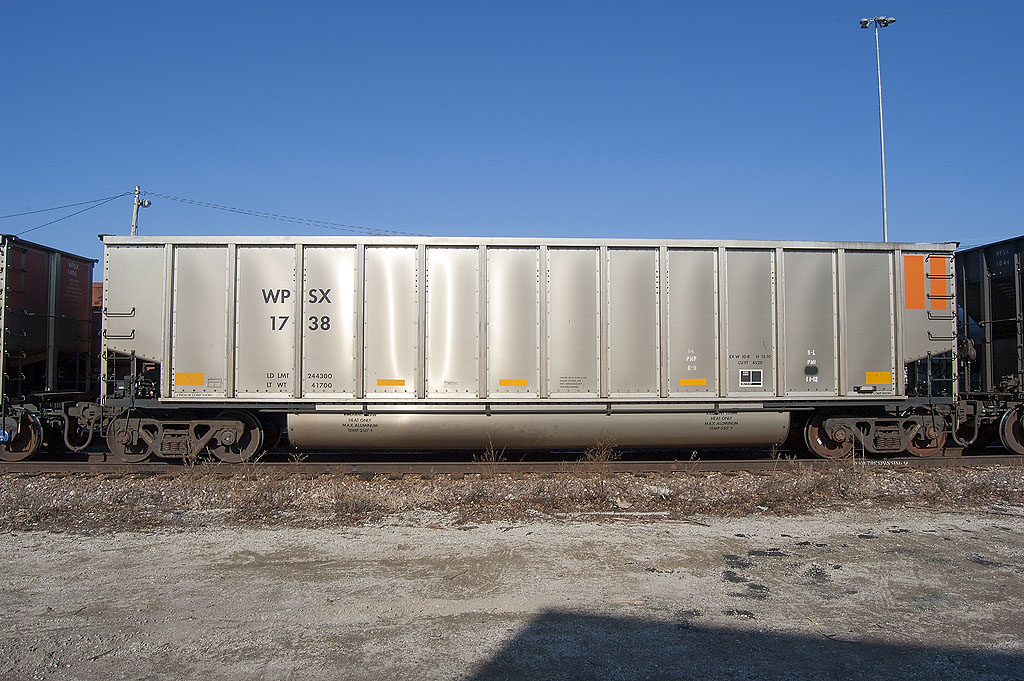
This coal hopper, seen in Butler, Wis., has a main body built from aluminum and a center sill made of steel. Freight-car makers use non-conductive materials to separate the metals and prevent galvanic corrosion. Steve Sweeney Q There are aluminum-body Talgos and aluminum-body coal cars, both with steel center sills. High school chemistry teaches that […]

Read More…