




If you’re just getting into O gauge, or even if you’re a collector getting the urge to build a layout, you’ll need to lay some track. After all, without track (and a transformer, of course), your three-rail trains are just expensive push toys! Where I refer to “tubular” track, I’m talking about regular Lionel, K-Line, […]
Tag: Track & Roadbed
TrainsTube: How does a cog work?
[…]
Quick and easy Flextrack
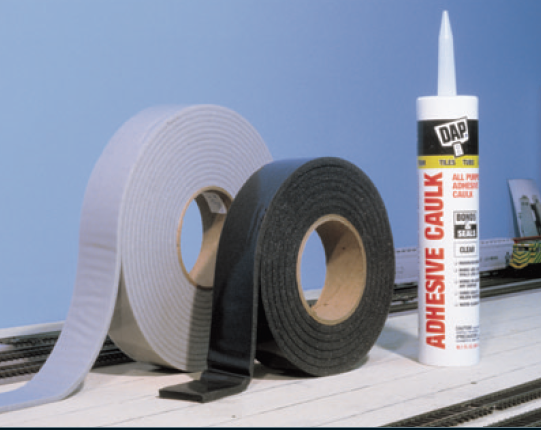
Instead of using spikes or contact cement, Model Railroader contributor Chuck Hitchcock shows you how to use DAP adhesive caulk and topper tape (a material used to insulate pickup truck caps) to lay track. Quick and easy Flextrack […]
Ask Trains from May 2007
Q On page 57 of January TRAINS is a magnificent photo of a BNSF train about to hit the diamonds at Savanna, Ill. What intrigues me is thepattern on the railheads within the diamond. They appear to be deliberate and not just from wear. Is there a reason for them, or are my eyes deceiving […]
Cleaning old tubular track in bulk

Q: I have a bunch of old track – maybe 500 pieces – which I’d like to use on a layout. Most of it is dirty, greasy, and rusty, and I’d like to know how to clean it without doing each piece separately. – Larry Novis, Hermitage, Tenn. A: There is no mass-cleaning technique, shortcut, […]
Rail
Perhaps no part of railroading is as important as that which gave the industry its name: rail. Together with flanged-wheel vehicles, rails allowed the development of a transport system quite distinct from the conventional roadway. Though rails of steel are standard today, iron and even wood found widespread use in the 19th century. Many early […]