
How-to Library: Easy Model Railroad Photography – Episode 3 Depth of Field and Lighting
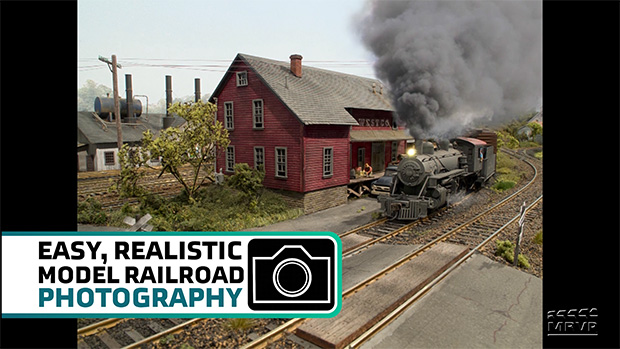
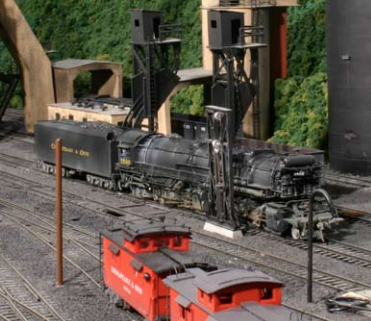
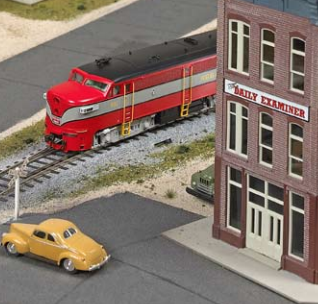
Model train going past a building.

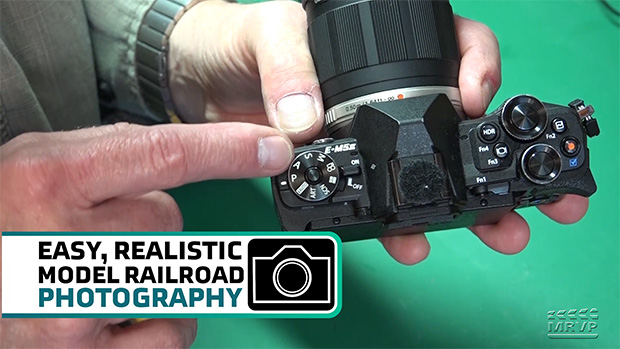
Having trouble viewing this video?   Please visit our Video FAQ page In this episode, Gerry Leone talks about how to adjust your camera settings to capture model railroad settings with a realistic depth of field. He also addresses lighting options (type and placement)! […]

Read More…

Servicing Steam Locomotives

Sign up for your FREE download and Model Railroader’s FREE weekly e-newsletter. Steam locomotives were usually serviced every 100 – 150 miles, making engine terminals as much a part of the railroad scene as crossties and creosote. These terminals offer a variety of structures and operations and they can be modeled in a compact space.  Download […]

Read More…

How-to Library: Easy Model Railroad Photography – Episode 2 Equipment and Terms

Easy Railroad Photography logo

Having trouble viewing this video?   Please visit our Video FAQ page More helpful lessons from MRVP’s Gerry Leone in this model railroad photography how-to mini-series. This time, you’ll learn how to talk the talk so you can walk the walk with ease! […]

Read More…

Build an easy Christmas layout

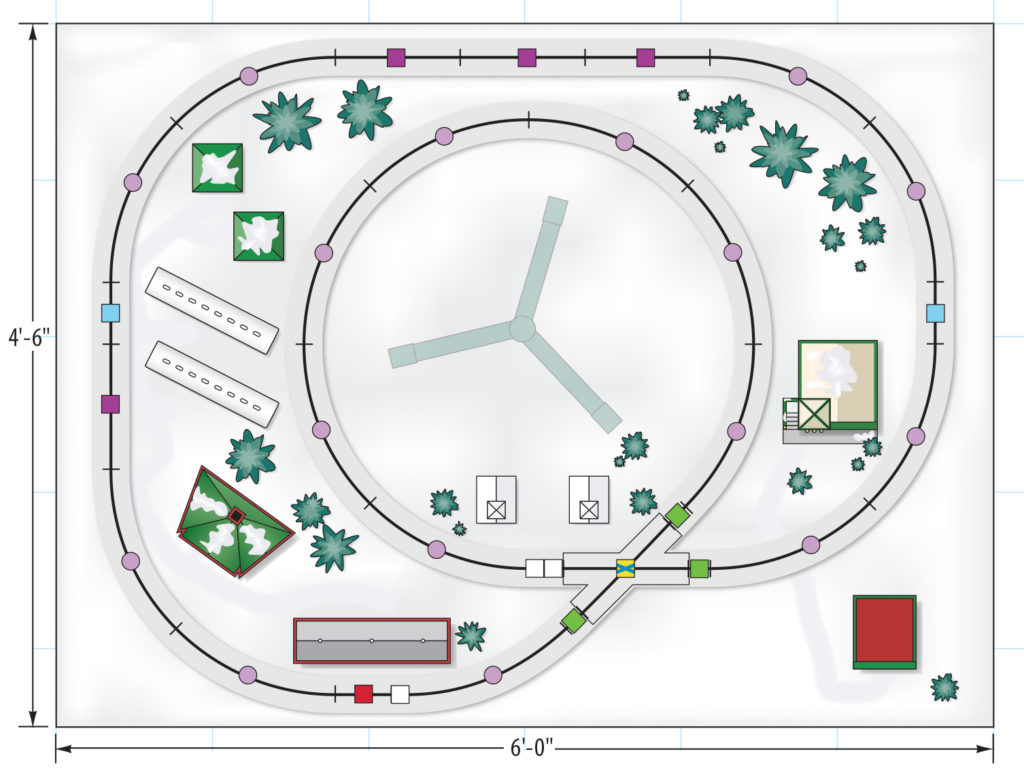
easy_christmas_trackplan

When I learned our 4-year-old granddaughter was visiting my wife Diana and me for Christmas, I was determined to make the holiday extra special by building an O gauge Christmas tree train layout – and I knew where to turn for help. My brother Norman has been a model railroader for as long as I […]

Read More…

Layout Planning Ideas

model car waiting for a train to pass

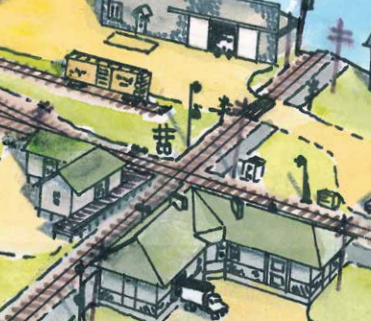
When creating model railroads, it’s important to give your model cities and scenery the same realistic treatment you give your trains. A well-detailed and realistic downtown scene and scenery can add as much to a model railroad as any lineside industry. Download this free 15-page PDF for layout planning ideas that will bring your layout […]

Read More…

How to check track gauge and rail alignment

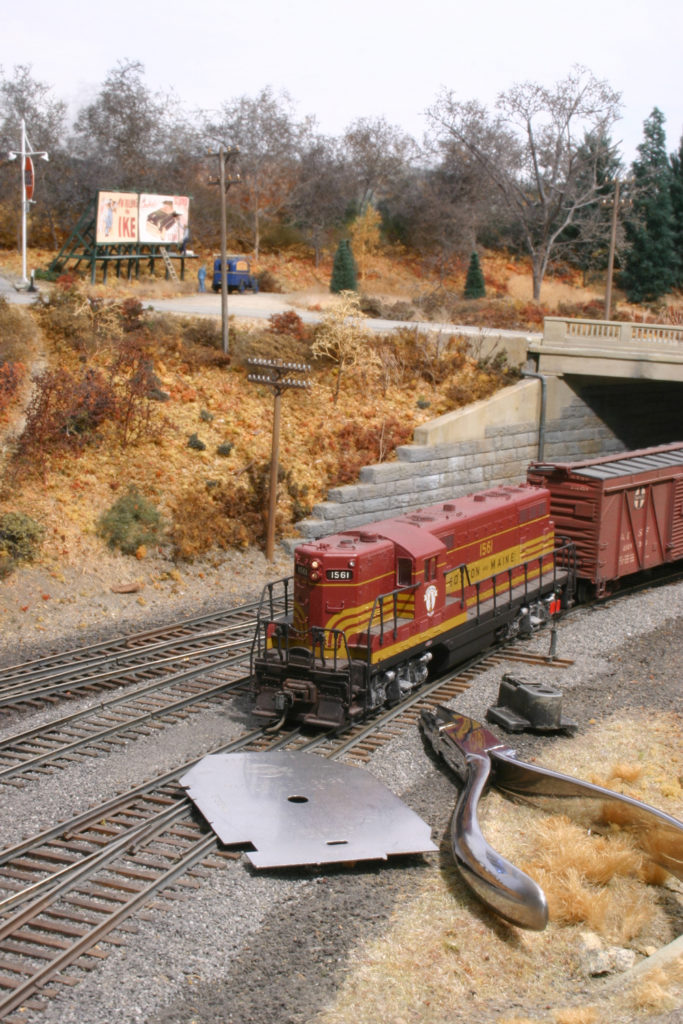
Track troubleshooting Boston Maine

So long as your rails are clean and your rolling stock is fine-tuned, it’s time to inspect your right-of-way for problems. This is the first of five quick articles on how to check for and fix common mechanical and electrical track problems with model railroad track. First, you’ll need to run a test train over […]

Read More…

Track troubleshooting tips and tricks, Part 2: Avoiding derailments at turnouts

Track Troubleshooting Diagram 2

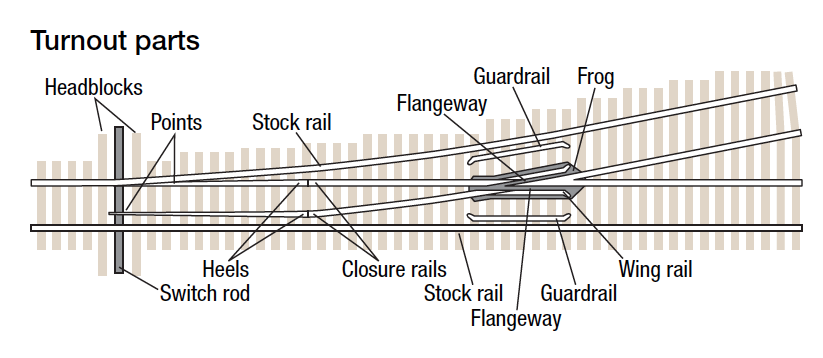
Theo Cobb illustration Theo Cobb illustration For each turnout, make sure that the check gauge — spacing between the guardrail and the frog — is correct. Paul J. Dolkos So long as your rails are clean and your rolling stock is fine-tuned, it’s time to inspect your right-of-way for problems. This is the second of […]

Read More…

Track troubleshooting tips and tricks, Part 3: Checking track power

Track troubleshooting Volt meter

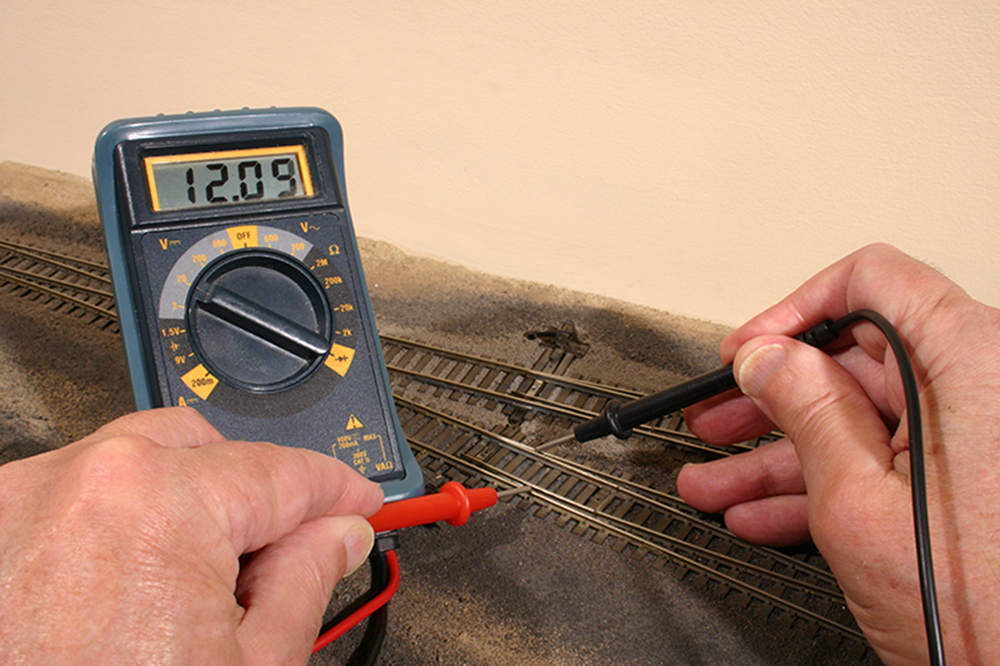
Check the track voltage using a multimeter. The voltage reading should be the same along each powered track section. Paul J. Dolkos So long as your rails are clean and your rolling stock is fine-tuned, it’s time to inspect your right-of-way for problems. This is the third of five quick articles on how to check […]

Read More…

Track tricks: Superelevate curves in 4 easy steps

Superelevatetrack1

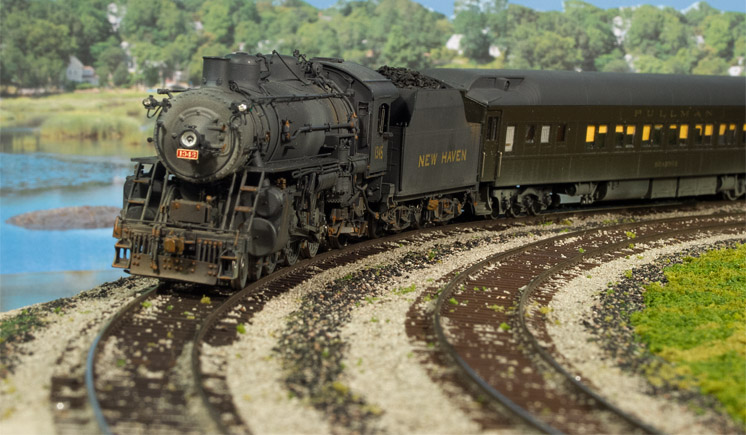
A locomotive leaning into a superelevated curve is a dramatic scene on a prototype and model railroad. Follow the simple method above for making superelevated curves on your model train layout using layers of cardstock shims I think the most exciting railroad photos are of a locomotive at speed leaning into a curve. This “lean” […]

Read More…