
Do it yourself locomotive restoration

pile of green toy trains

Do it yourself locomotive restoration Yes, you can do it yourself! Restoring old tin trains is not as difficult as the popular folklore would have you believe. It doesn’t require any special skill or knowledge that you can’t master. Nor does it entail exotic or expensive equipment. Anyone can do it with simple household tools […]

Read More…

Get your toy trains ready for the holidays

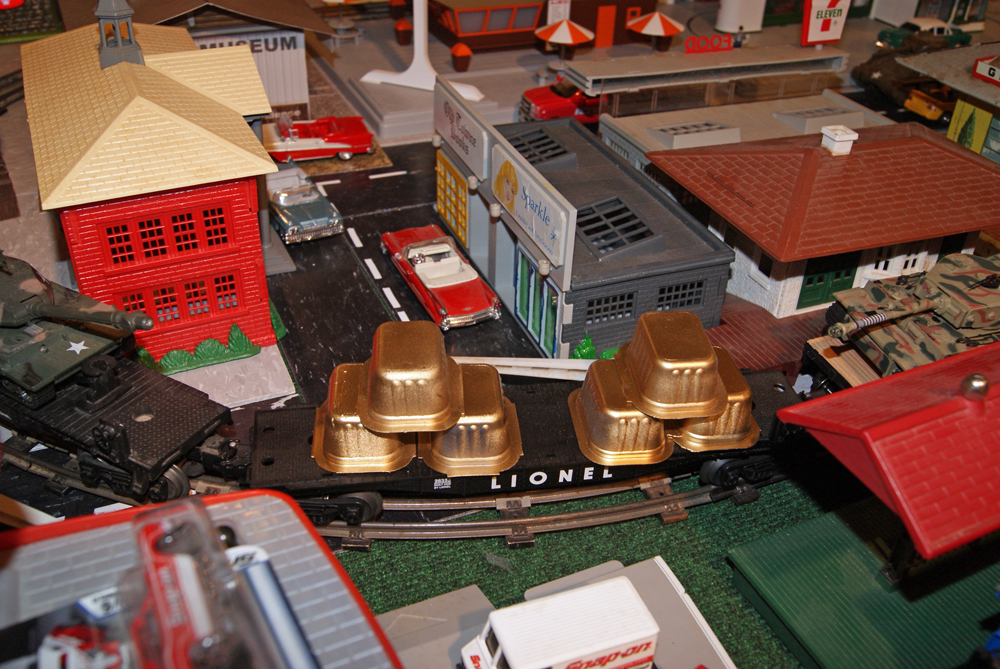
christmas layout scene

Get your toy trains ready for the holidays While cleaning out my parents’ attic I found my old trains. Even after I had grown up and moved away, Mom and Dad still used them for years around their Christmas tree. Now, however, my trains have been boxed up and haven’t run for five years. I’d […]

Read More…

Types of model railroad benchwork

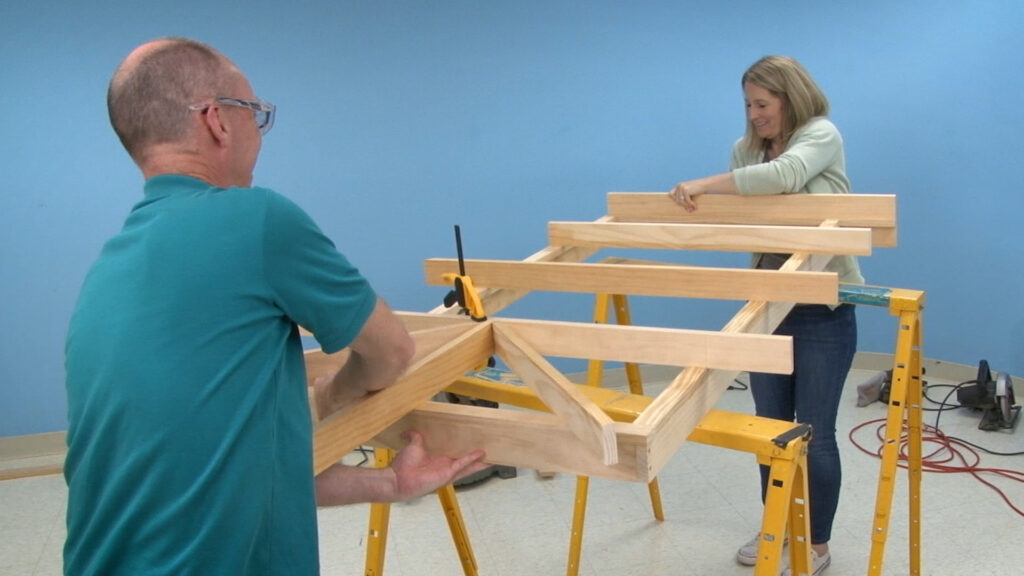
One of the first things that you must do when building a model train layout is decide which style of benchwork you will build for the layout. Simple tables A common starter style of model railroad benchwork is just a 4 x 8 sheet of plywood on a tabletop. My first layout was on a […]

Read More…

10 vintage toy train items for your holiday layout

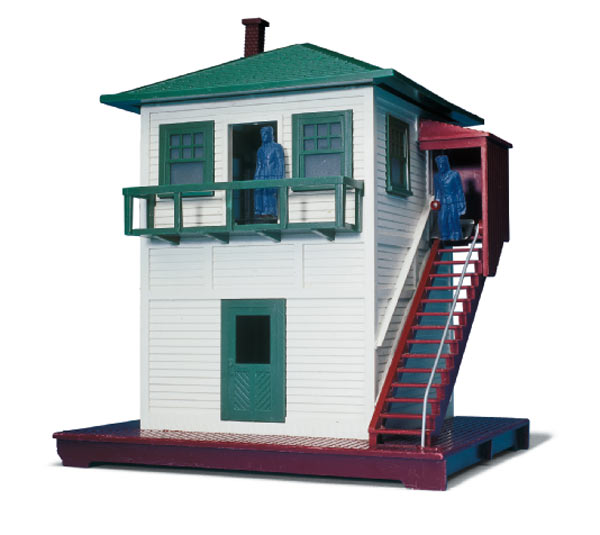
green and white switch tower

10 vintage toy train items for your holiday layout The holidays are fast approaching! If you’ll be setting up a display (or a permanent layout), Senior Editor Roger Carp has suggestions for 10 items to add for the most fun! 1. Lionel No. 154 highway signal – for once, its enormous height and out-of-scale proportions […]

Read More…

Tips for better tubular track

O gauge track with bottles of cleaner

Tips for better tubular track Stamped metal track has been around for more than a hundred years. This “old reliable” track system is very sturdy and works equally well for permanent and non-permanent layouts. I start by darkening the center rail with cold metal bluing compound. Bluing compound is used in firearms restoration and is […]

Read More…

Meet Ted Yarbrough

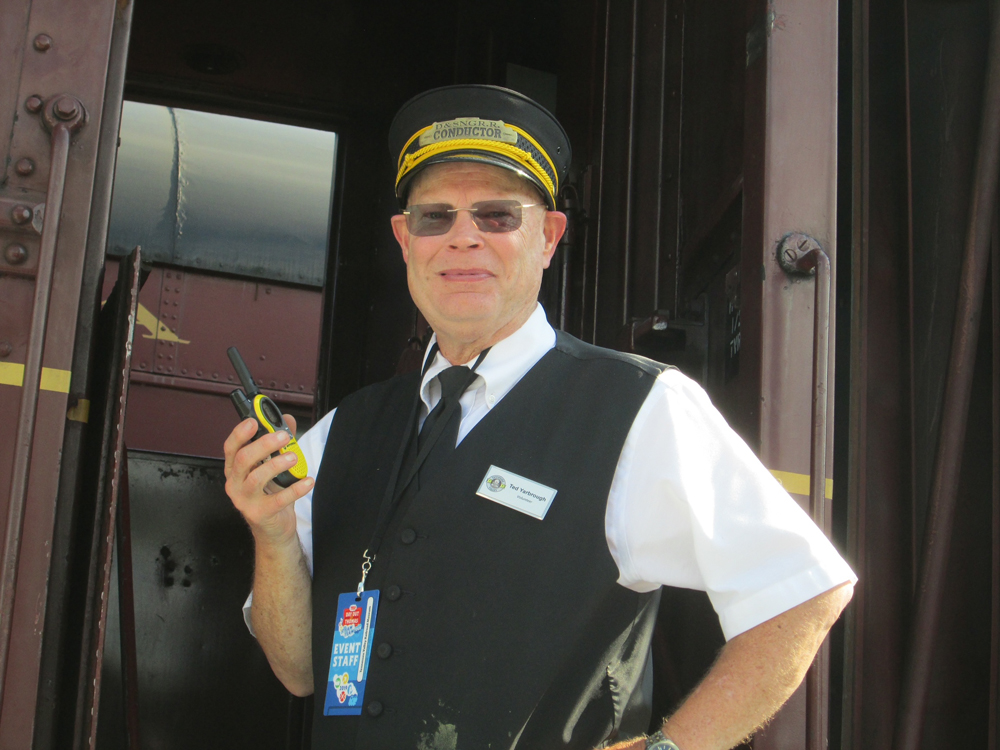
Man holding walkie-talkie near cab of locomotive

How did you get started in the hobby? I received my first model electric train for my sixth Christmas. It was an American Flyer train. Nothing against Lionel, but I told Santa that I wanted a train with two rails, like the real ones. Like many modelers, I really started building what you might consider […]

Read More…

Looking for layouts open to the public

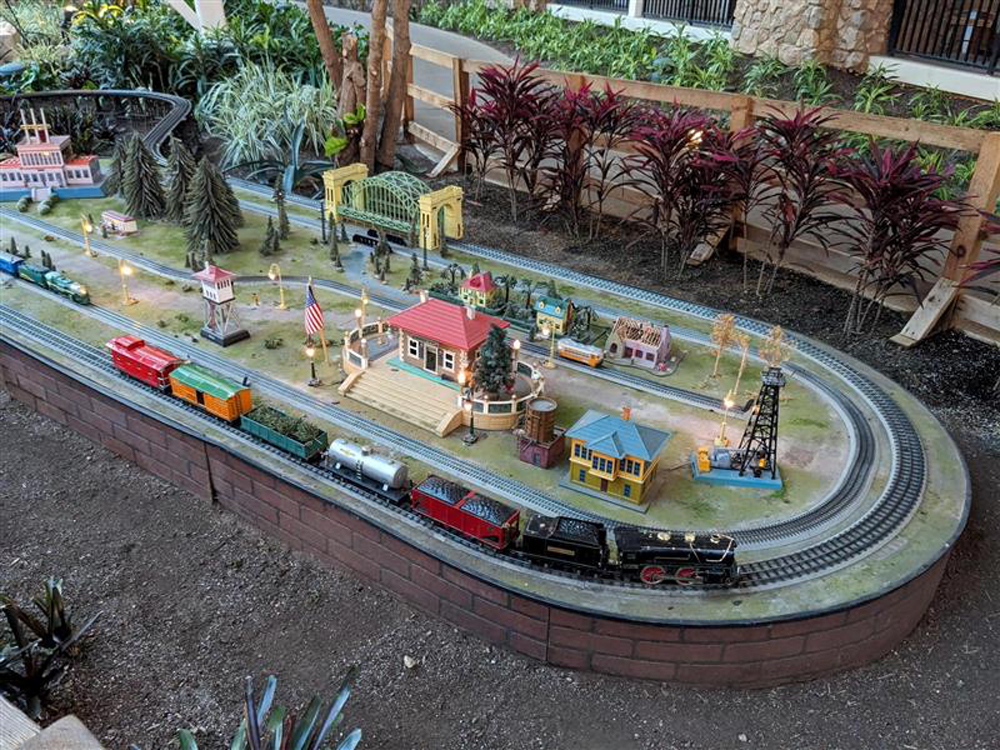
overall shot of indoor layout

Classic Toy Trains is updating our list of S, O, and Standard gauge of layouts open to the public. Do you know of a layout that’s not on our list in the link above? Please contact us at editor@classictoytrains.com and let us know. Requirements: Must be S, O, or Standard gauge Must be open the […]

Read More…

Preview October and November 2023 CTT content

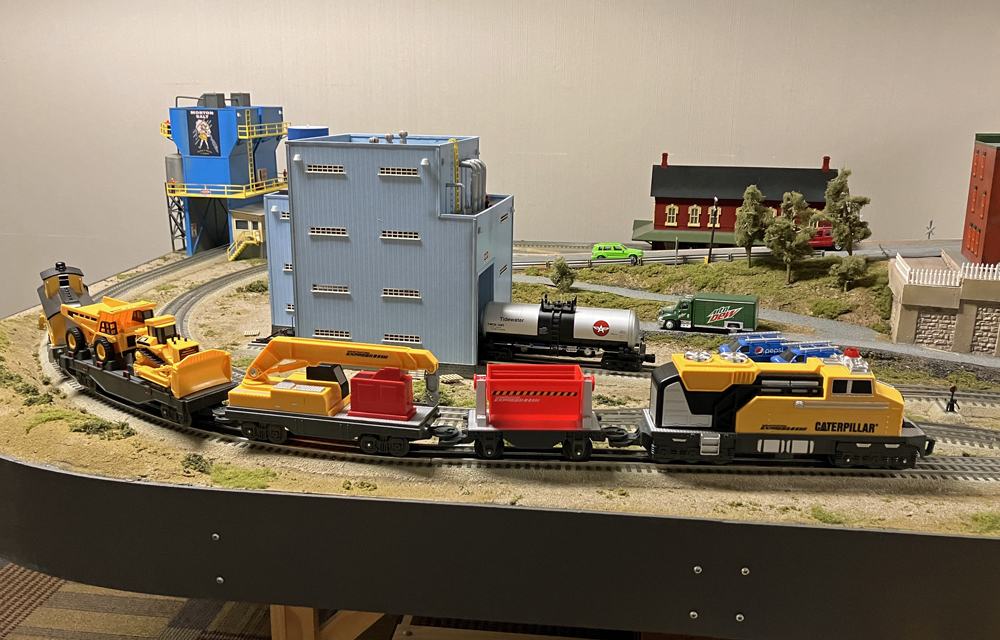
plastic yellow and black locomotive on train layout

We’re always adding new content to our website. Here are some recent items you may have missed. The Lionel 700E Hudson steam engine Polar Express layout build video A compilation video from CTT’s five-day layout build. American Flyer store display photo from the 1950s What’s the story behind these photos? Senior Editor Roger Carp tells […]

Read More…

How to calculate the speed of toy trains

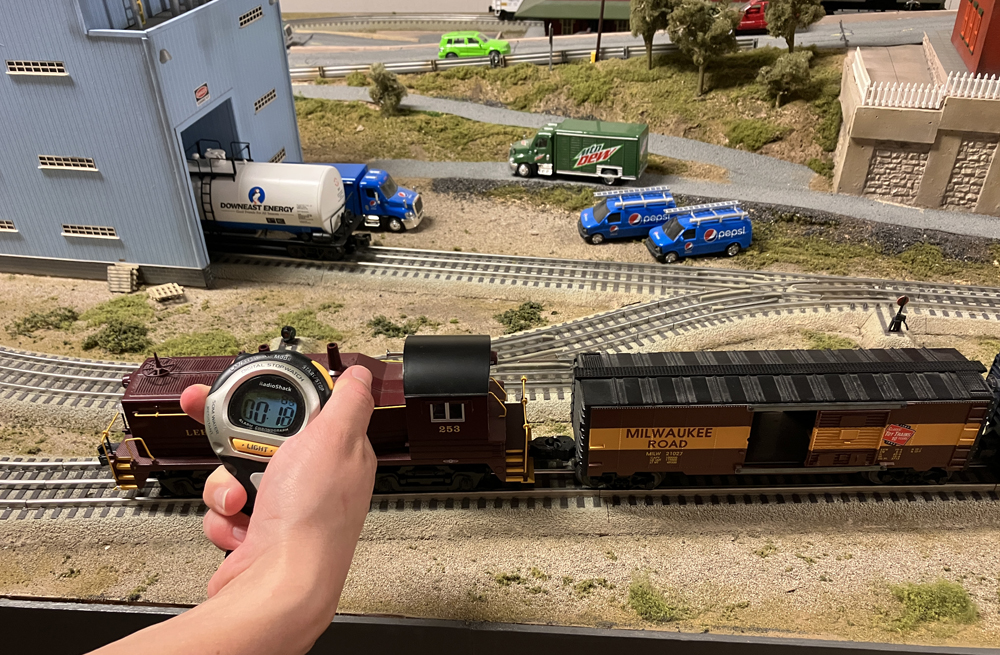
train on layout, with hand holding a stopwatch near the engine

Have you ever been curious about how to calculate the speed of toy trains? Running trains over a layout, how can we know whether it’s moving at a realistic speed? Answering this question requires a bit of math. Speed, or velocity, is simply distance divided by time. In the United States, we are used to […]

Read More…

5 tips for better scenes on your toy train layout

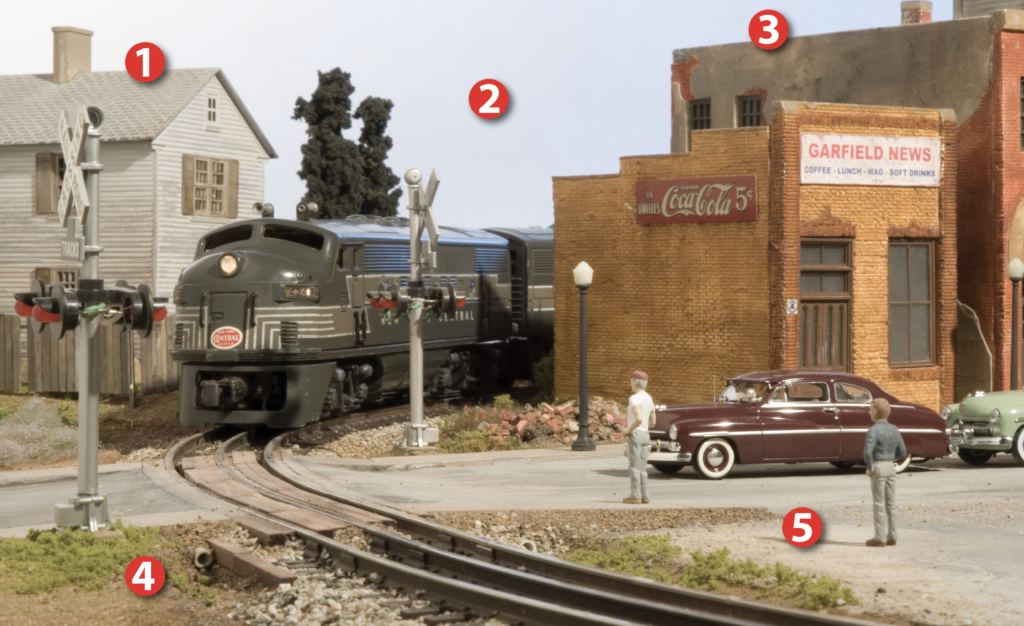
Toy train grade crossing depicting the transition era as a New York Central cab unit approaches a crossing and stopped traffic. Five numerals in red circles 1 through 5 highlight portions of the scene discussed in the text. Photo by Dennis Brennan

5 tips for better scenes on your toy train layout   Whenever someone asks me what makes a toy train layout special, I reply that detail is the key. Size and scope don’t matter as much as what a modeler does in the space available. Developing memorable scenes – “vignettes,” as they’re called – can […]

Read More…