




A brick interlocking tower guards the crossing of Soo Line (left to right in photo) and Chicago & North Western trackage in Shawano, Wis. Gordon Odegard photo […]
Interlocking tower at Shawano, Wis.
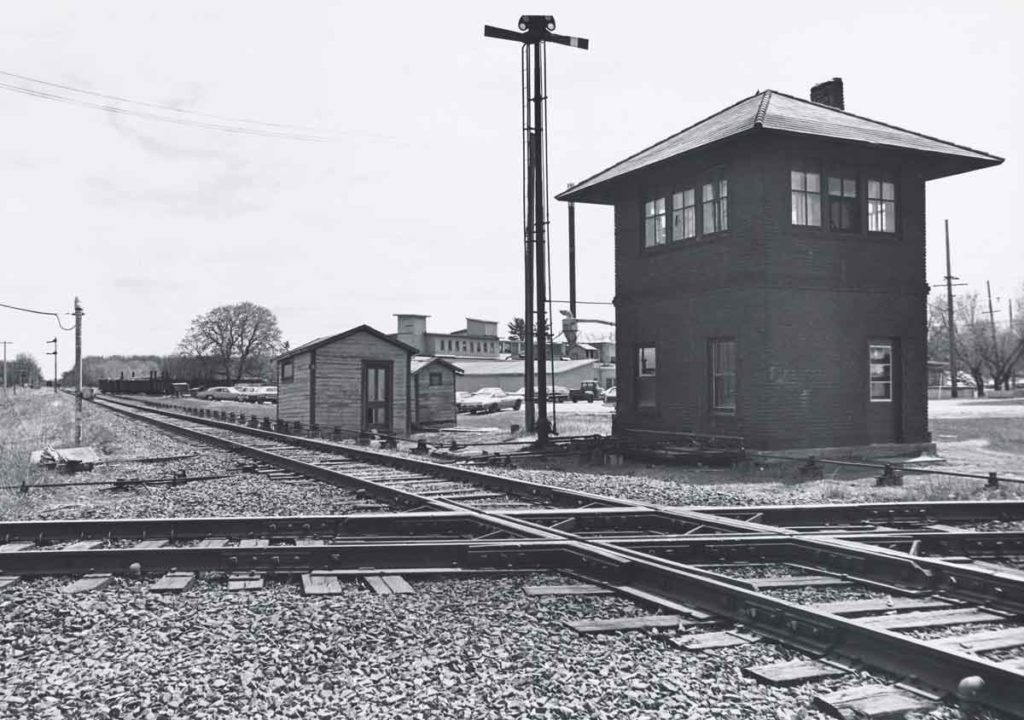
A brick interlocking tower guards the crossing of Soo Line (left to right in photo) and Chicago & North Western trackage in Shawano, Wis. Gordon Odegard photo […]
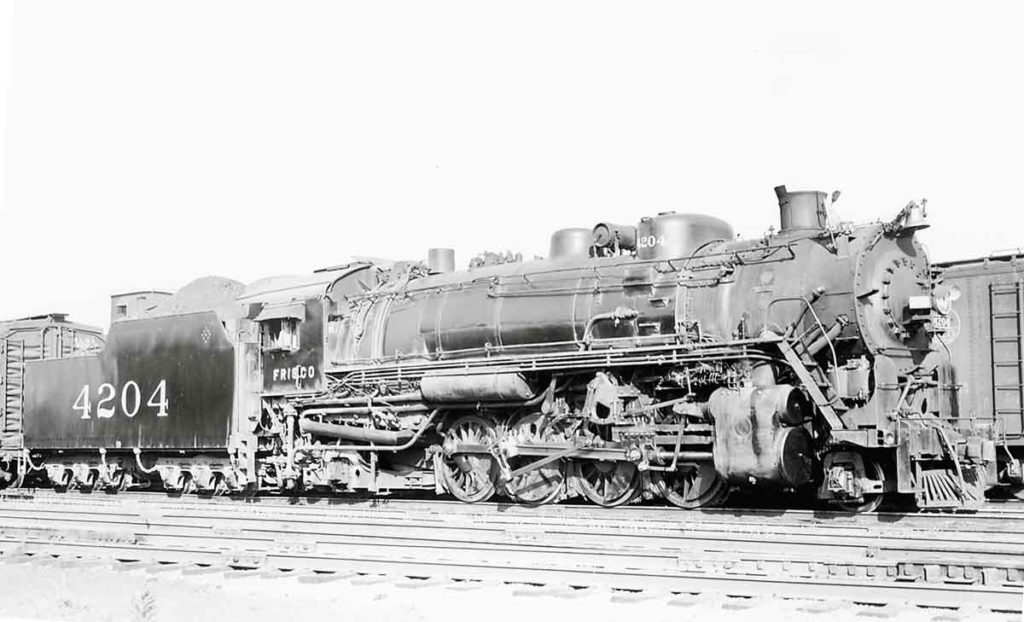
The Frisco’s 4200-series Mikados of 1930 were among the most powerful 2-8-2s on any railroad. They were rated at 68,500 lbs. tractive effort — 78,100 lbs. with booster — and could wheel fast freights at 50 mph. Frank E. Ardrey photo […]
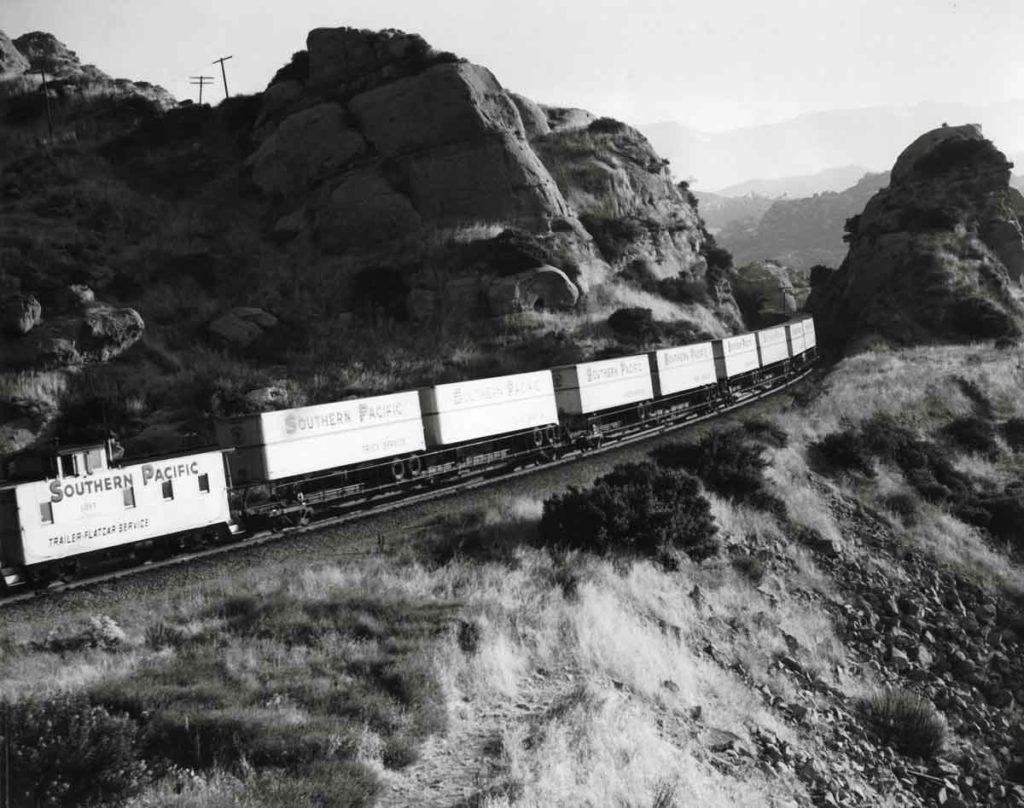
For a time in the 1950s, Southern Pacific had the most extensive piggyback operations in the land. Here a train bound from Los Angeles to the San Francisco Bay Area climbs Santa Susana Pass near Chatsworth, Calif. Classic Trains coll. […]
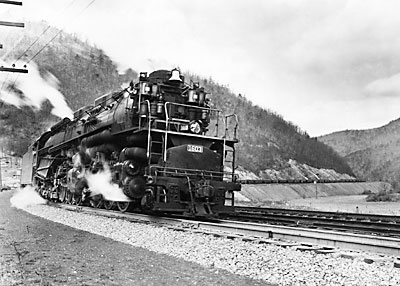
In 1940, the Chesapeake & Ohio needed new locomotives to meet a burgeoning demand for transportation. Its biggest engines were a fleet of single expansion 2-8-8-2s, purchased in the mid-1920s to haul coal on its line across the Alleghenies, where tunnel clearances prevented the use of anything larger. In the 1930s, C&O embarked on rebuilding […]
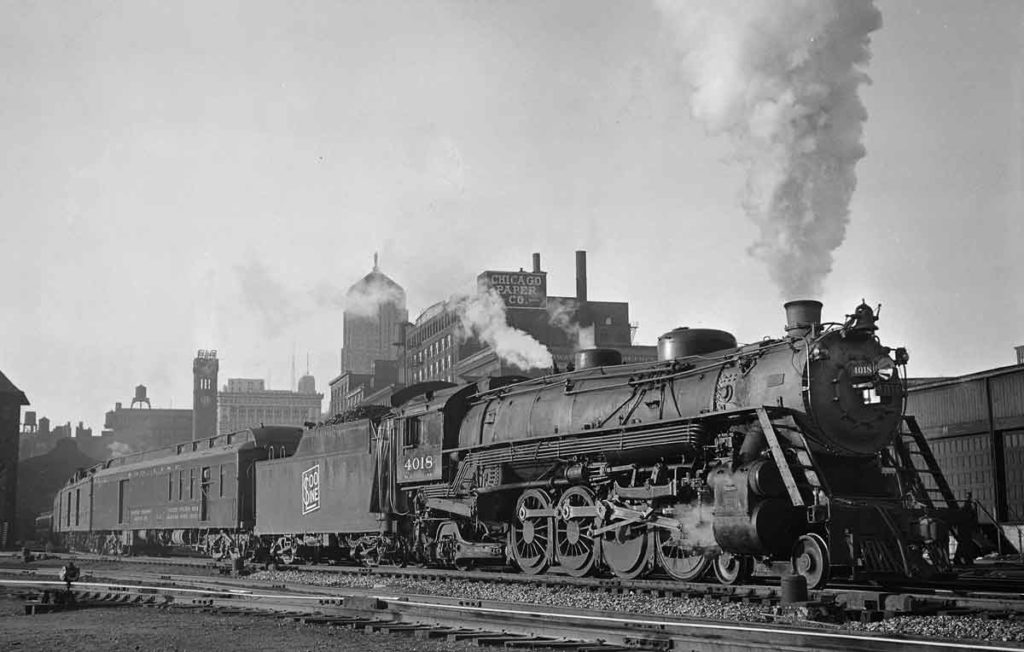
Handsome 4-8-2 No. 4018 marches away from Chicago’s Grand Central Station with Soo Line train 17 for Duluth, Minn., with cars for Minneapolis and Ashland, Wis., in May 1949. Harold Stirton photo […]
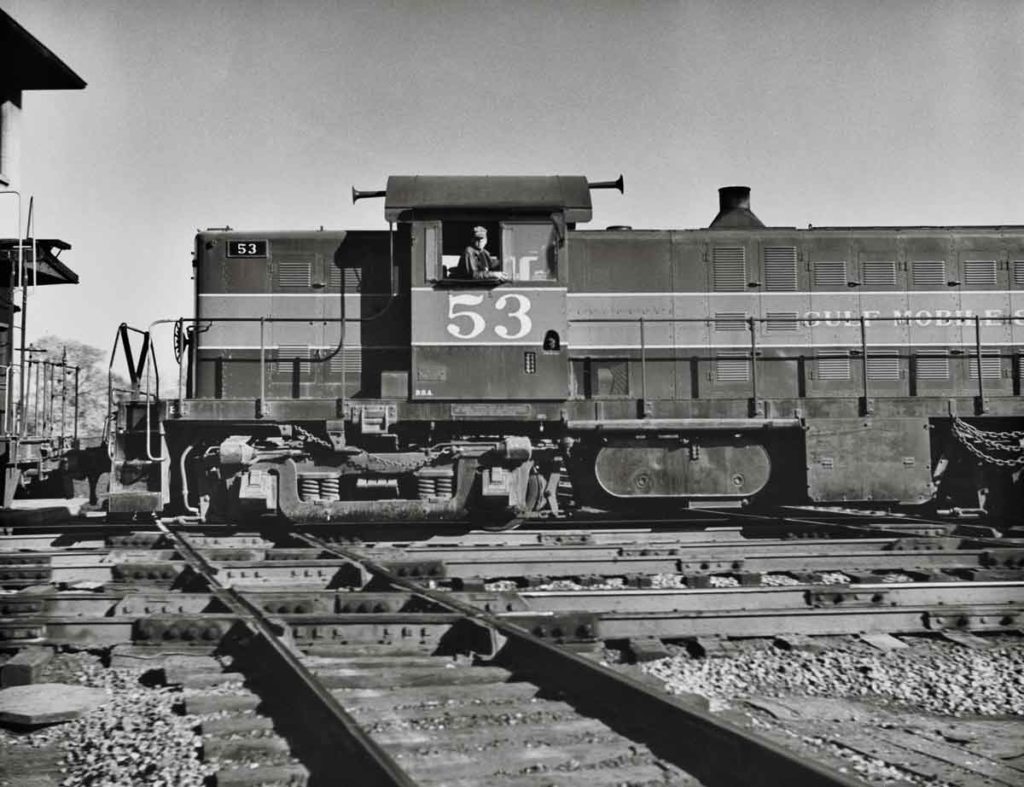
The engineer of a Gulf, Mobile & Ohio RS1 eyes the photographer as his locomotive clatters across the Rock Island diamonds at Joliet, Ill., in 1951. The Alco and a caboose are bound for GM&O’s South Joliet yard. Wallace W. Abbey photo […]
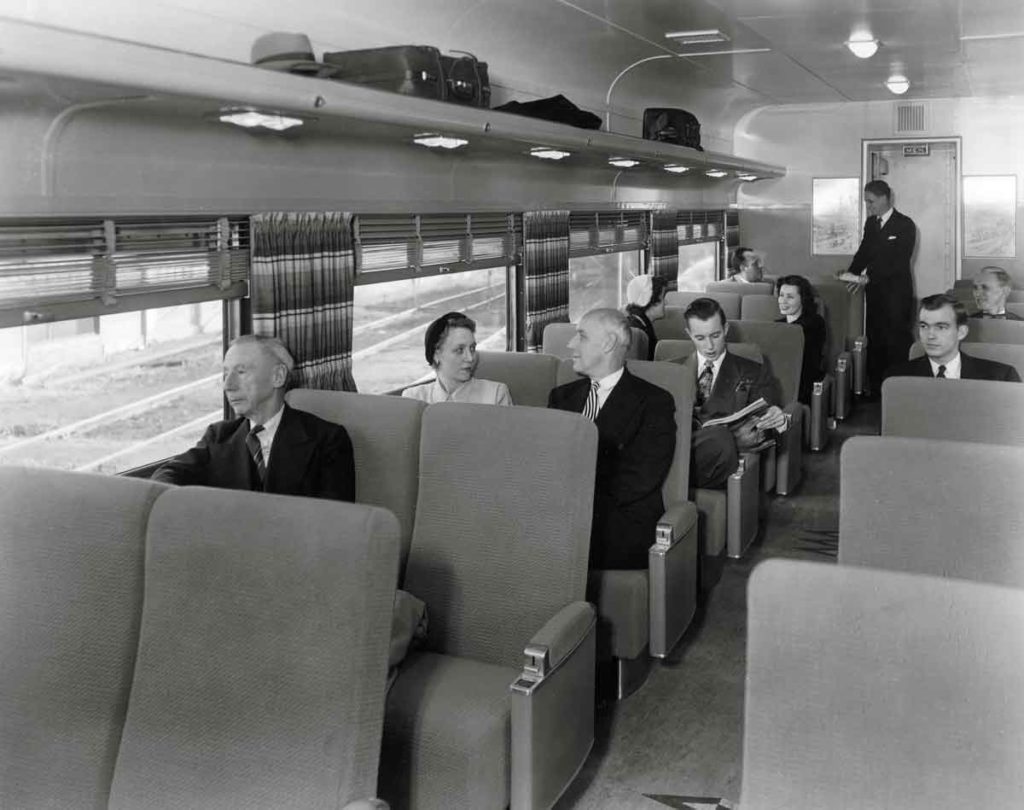
The 1951 edition of Great Northern’s flagship train, which the road called the Mid-Century Empire Builder at the time, included a 60-seat coach for short-haul passengers. GN photo […]
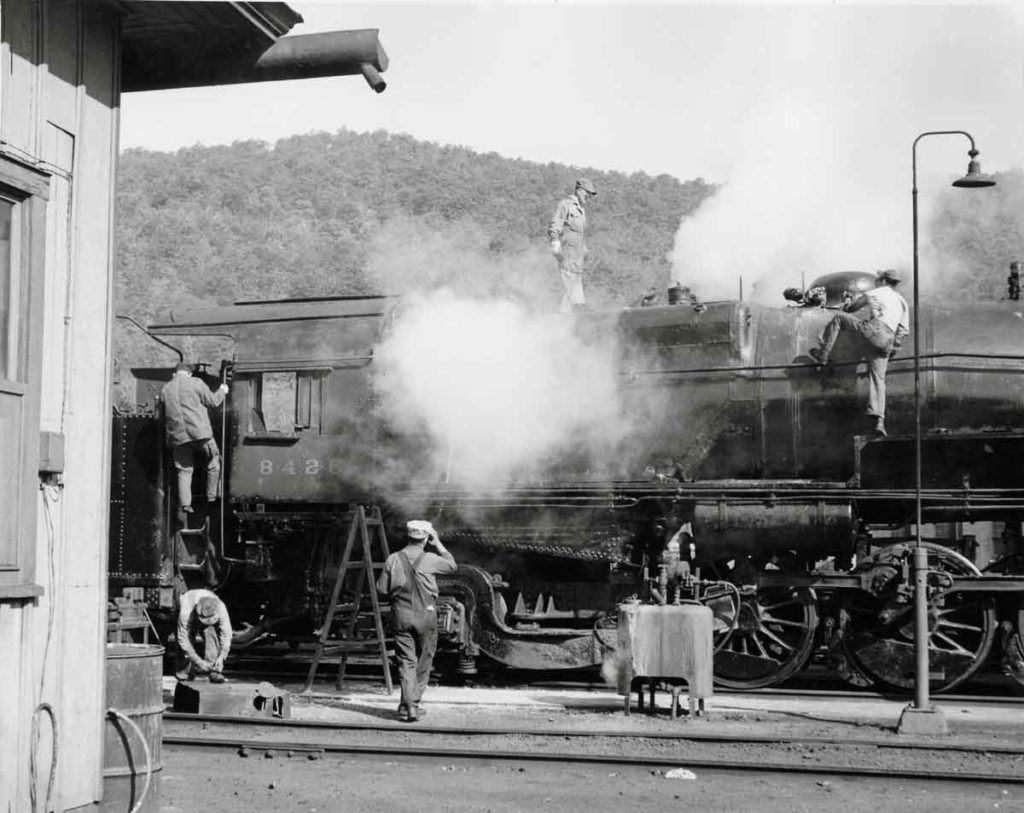
In September 1955, workers at the Pennsylvania Railroad’s Renovo (Pa.) engine terminal prepare L1s 2-8-2 No. 8426 for service as a stationary steam supply at the road’s giant Sunnyside Yard in New York City. The Mike has been converted to oil-firing for this duty, most likely its last assignment. Philip R. Hastings photo […]
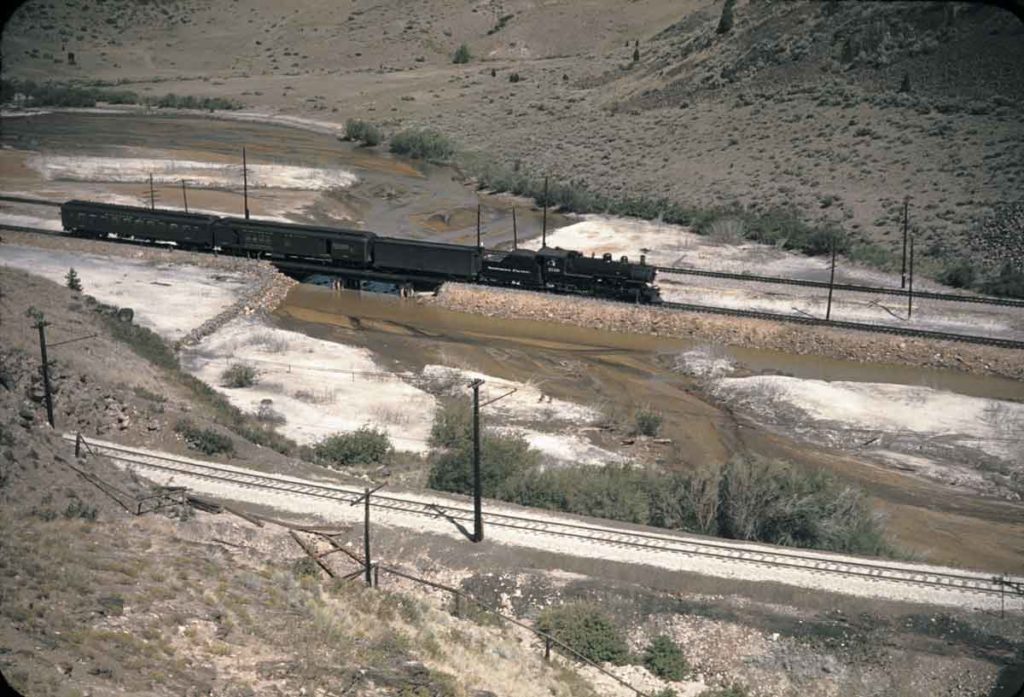
Pacific 2119 leads Northern Pacific train 288 east in Silver Bow Canyon, a dozen miles west of Butte, Mont., in the late 1940s. Linn H. Westcott photo […]
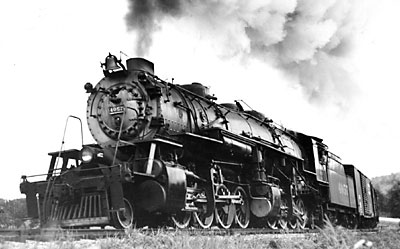
A scant three years after Alco introduced the Mallet to America (with the delivery of B&O’s sole 0-6-6-0 in 1904), the Erie took delivery of three camelback 0-8-8-0 Mallets – the first eight-coupled Mallets, also built by Alco – and put them to work as helpers on Gulf Summit in New York state. In 1909, […]
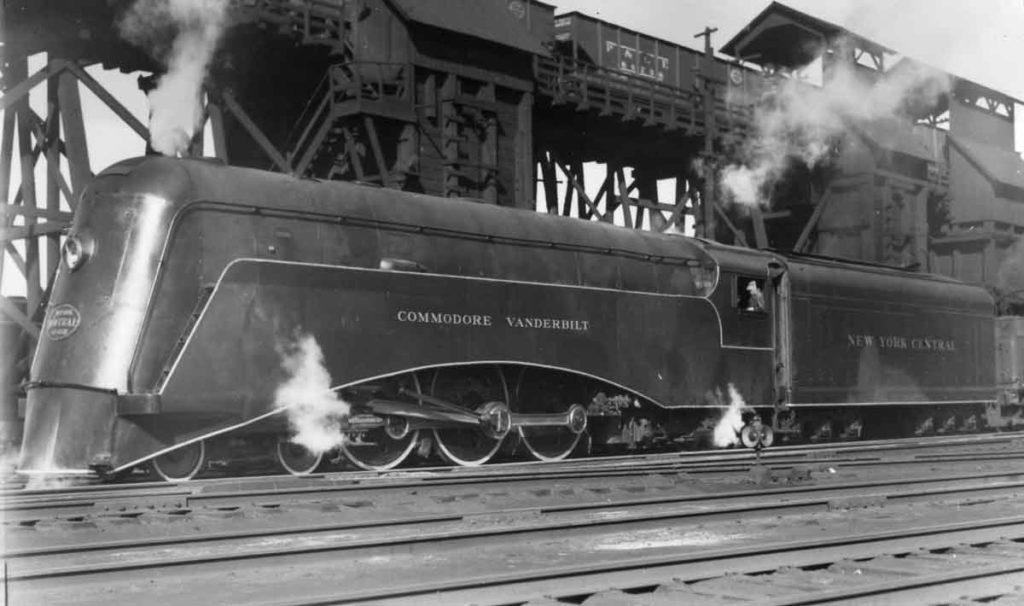
New York Central class J-1e 4-6-4 No. 5344 received sheet-metal shrouding in 1934, making it the first streamlined steam locomotive in America. Carl F. Kantola of NYC’s equipment engineering department created the design. The Hudson was named Commodore Vanderbilt after the NYC’s famous early leader, but initially displayed no road number. Glenn Grabill photo […]
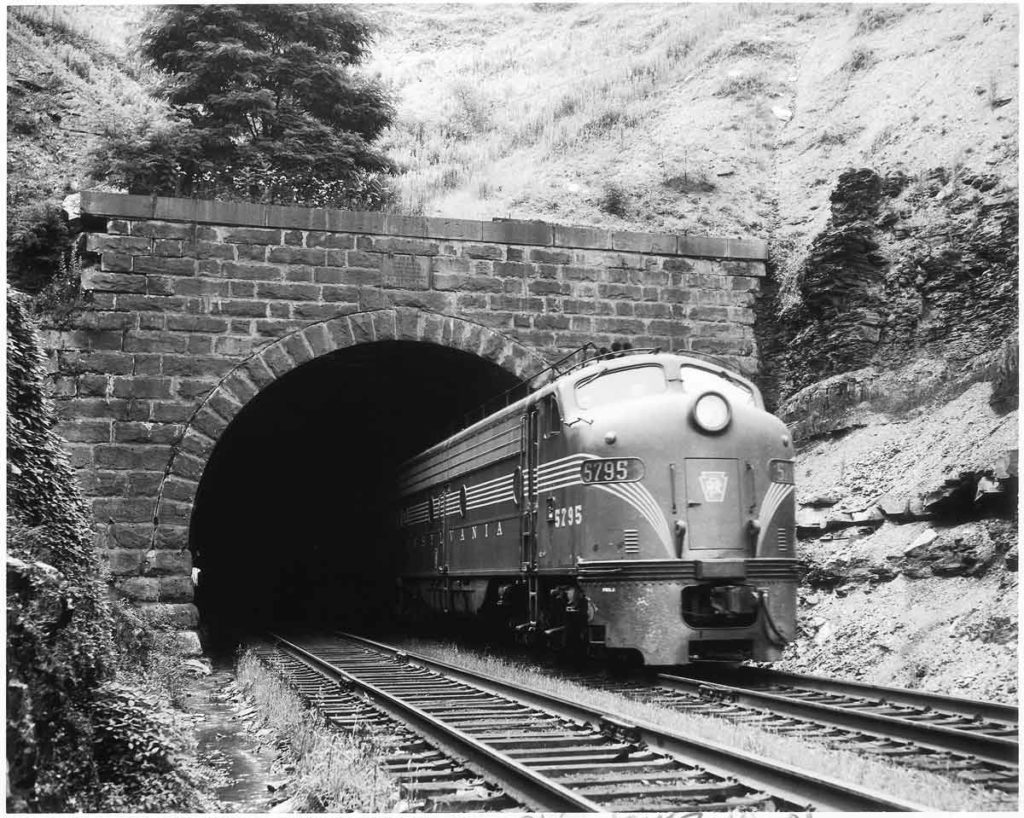
Pennsylvania Railroad E8 No. 5795 leads train 32, the New York–bound St. Louisan, out of one of the twin tunnels at Spruce Creek, Pa., in the mid-1950s. Don Wood photo […]
