
Soo Line history remembered

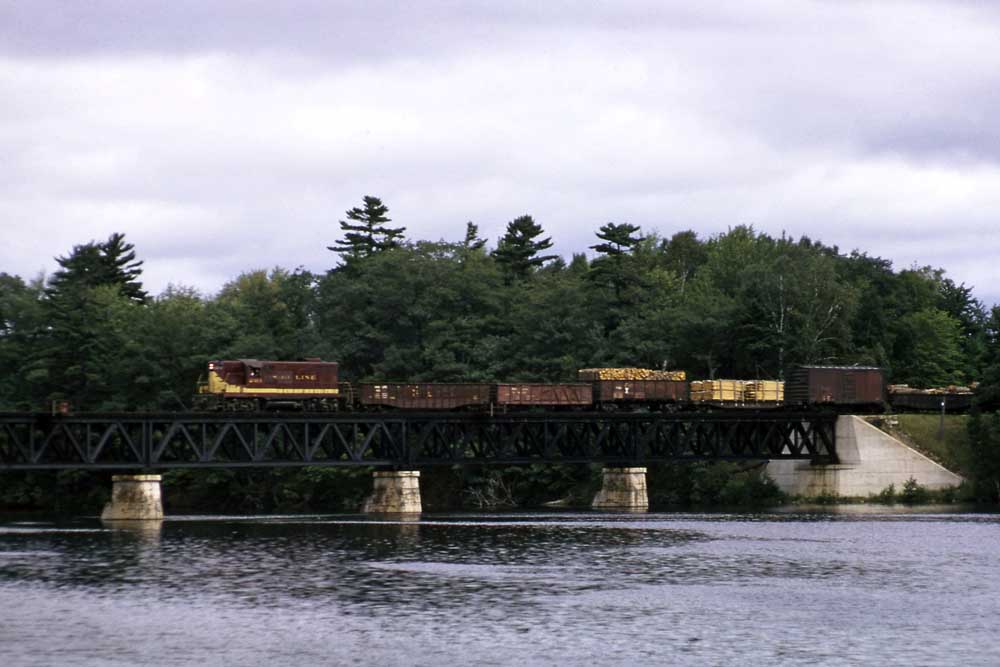
Maroon-and-gold diesel locomotive with freight train on bridge

Soo Line history involves numerous subsidiary railroads. Seemingly hidden away in the north-central U.S., the Soo Line and its affiliated Wisconsin Central Railway did not receive the attention lavished on bigger neighbors Chicago & North Western and Milwaukee Road. Soo did not host a streamliner, went freight-only in 1968, and was bought by Canadian Pacific, […]

Read More…

Soo Line passenger trains remembered

GP1604011

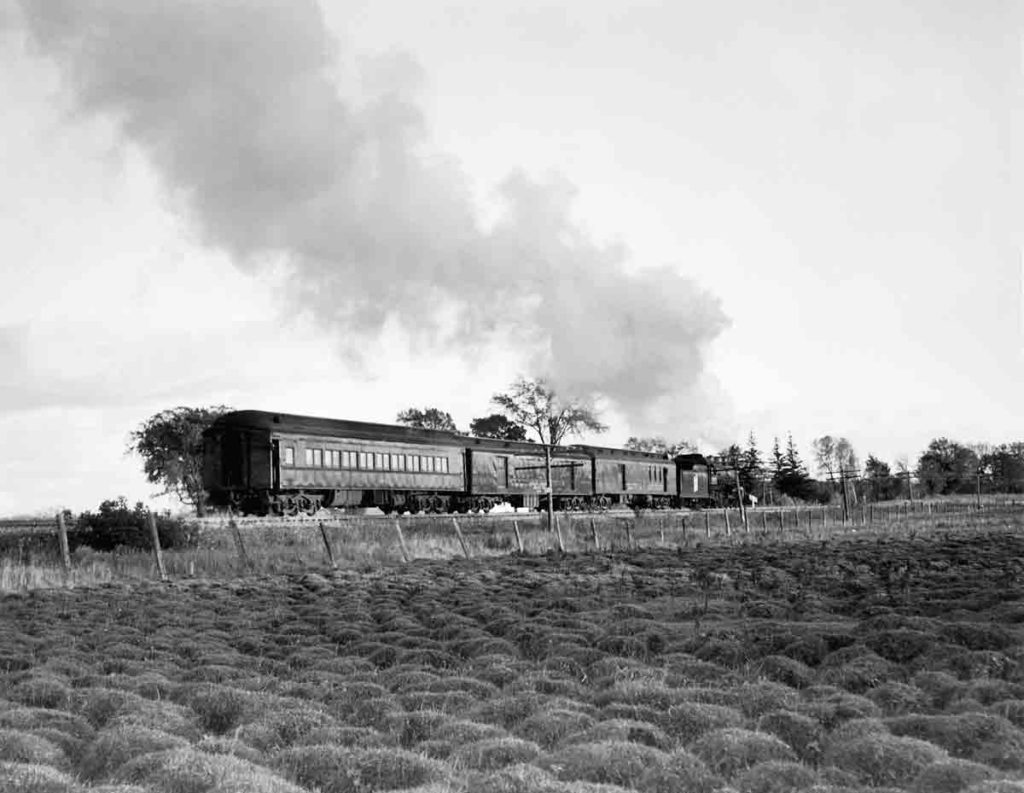
Soo Line passenger trains were simple affairs serving wide swaths of the rural Upper Midwest.     While passenger service was not a big part of Soo’s business, the road strived to maintain quality service, and with partner CP, offered Canadian connections. In 1889 MStP&SSM inaugurated the Minneapolis-Sault Ste. Marie Atlantic Limited, among the first […]

Read More…

Head-end power

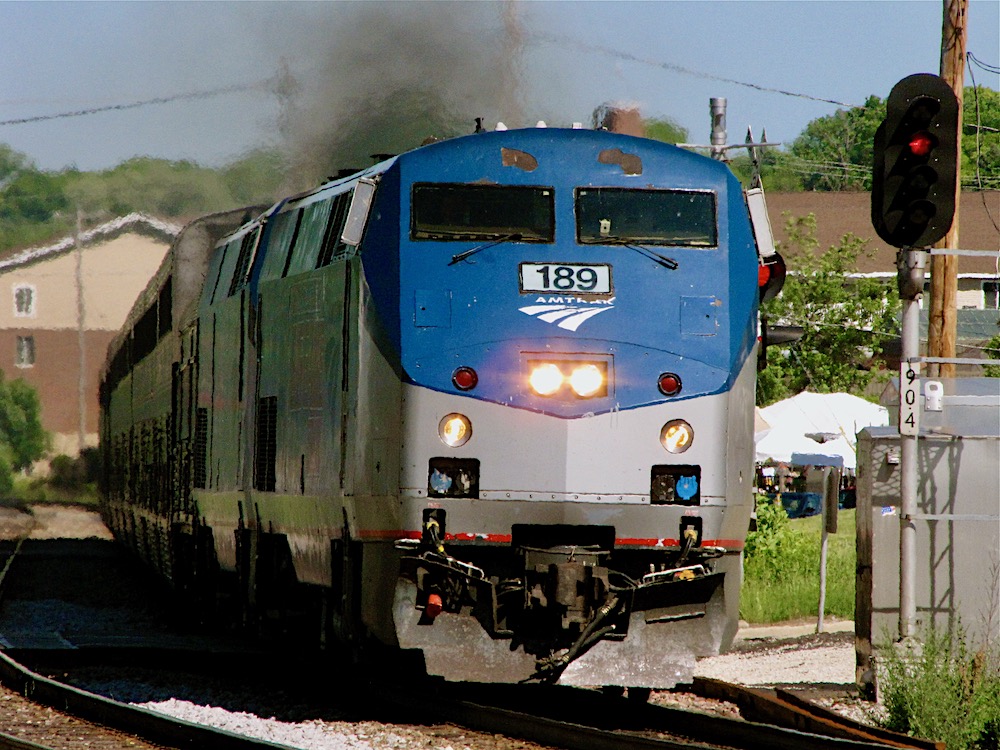
A image of the nose of a blue and silver modern passenger locomotive

Head-end power: Dinner is about to arrive at table 7 in the Southwest Chief’s Superliner dining car. Outside, the late afternoon sun illuminates exhaust blasting skyward as the locomotives up front struggle to maintain speed up the more than 3% grade leading to the top of Raton Pass in New Mexico. Downstairs in the kitchen, […]

Read More…

Locomotives are the power of railroading

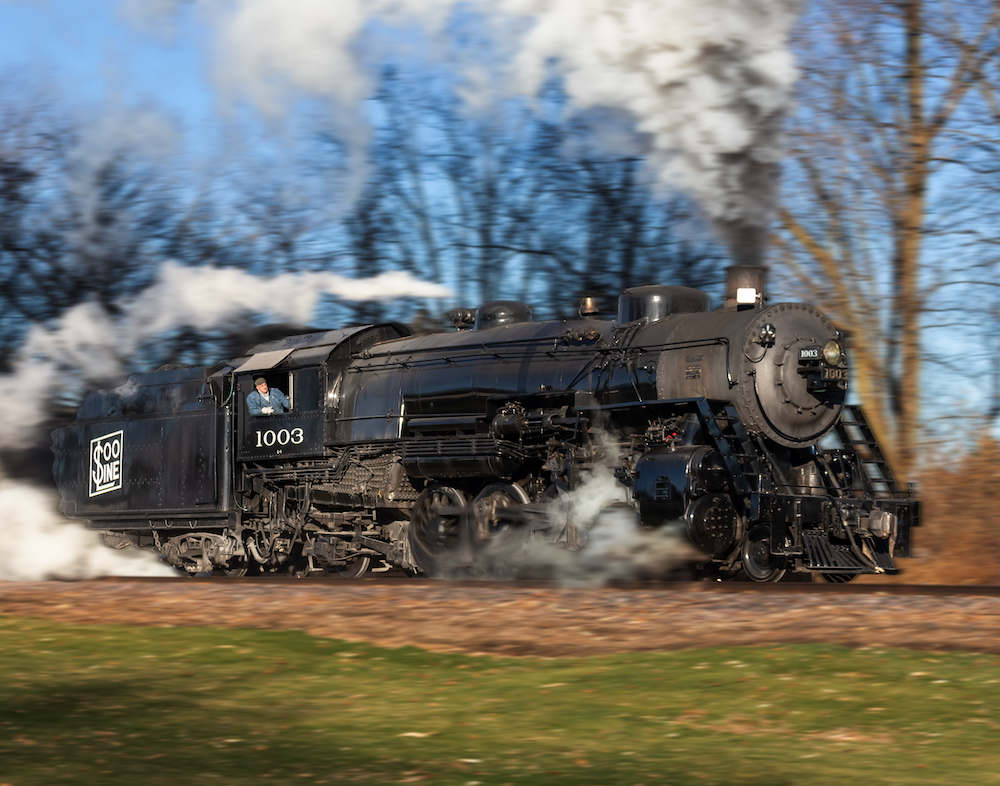
An image of the broadside of a black-painted steam locomotive trailing smoke and steam

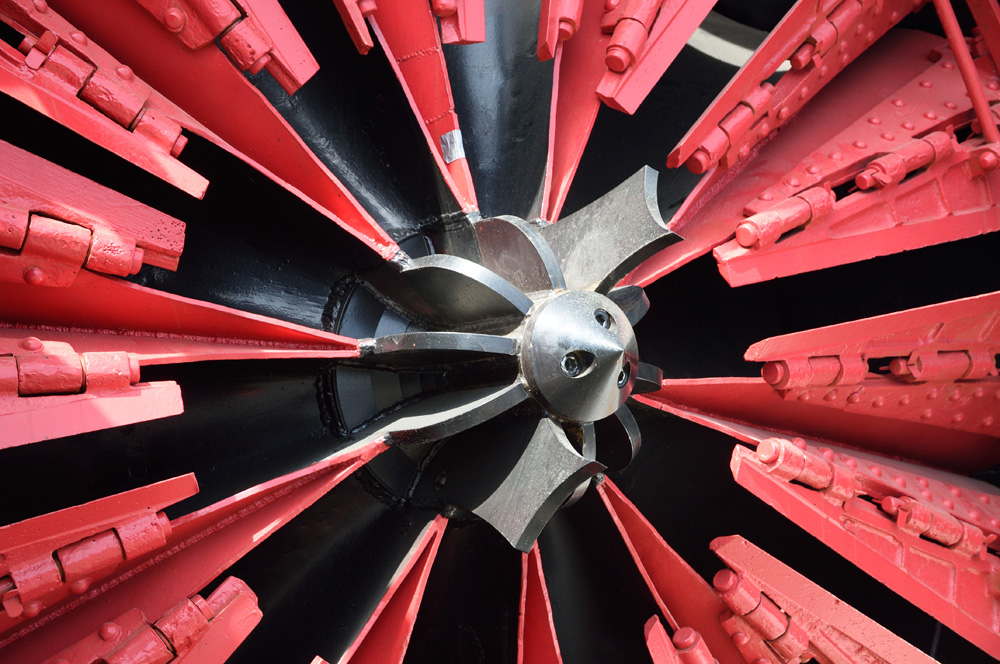
Locomotives are the power of railroading and the industries’ most potent and popular symbols. The major types that have been used in North America are steam (now confined to museums, tourist lines, and the occasional excursion), diesel-electric (the standard of the industry), and straight electric (always a tiny minority). Steam locomotives burn coal, oil, or […]

Read More…

What’s the difference between a locomotive and an engine?

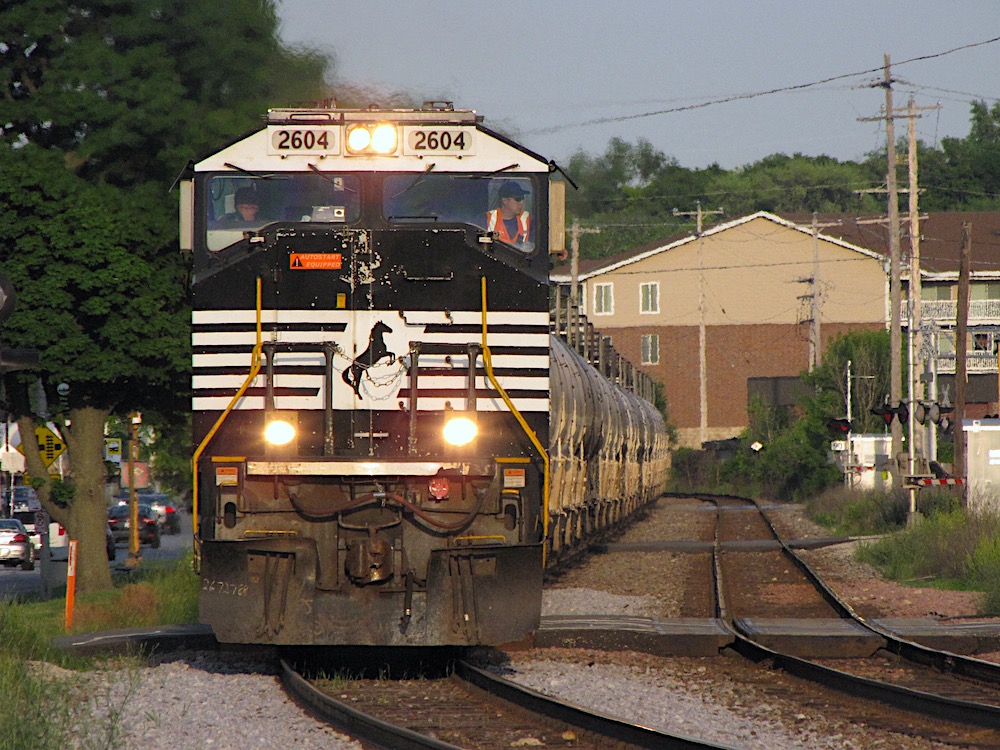
An image of a black-painted modern diesel locomotive leading a long string of tank cars

Railroaders, and railfans, are always talking about engines: How many engines were on that train? Don’t those new engines look good (or bad)? Did you get the number of that engine? So, what’s the difference between a locomotive and an engine? We use both terms to describe the most compelling element of railroading: the machines […]

Read More…

Historical Hot Spot: The city of Tehachapi is a great base for chasing trains

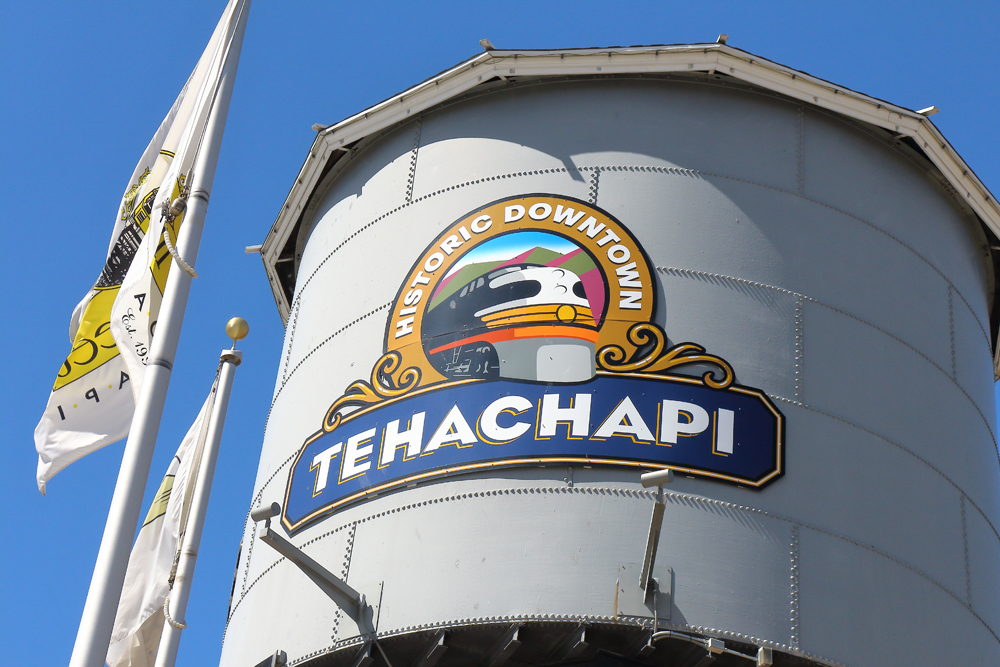
grey water tower with Tehachapi on it

Tehachapi: An oasis in the mountains Planning a trip to the Tehachapi Mountains in California? Thinking about watching and photographing trains at the Loop, Cable, Caliente, Bealville, maybe as far down as Edison on the Bakersfield side? They are all great places. But don’t forget Tehachapi, the town. Geographically, the little city of about 15,000 […]

Read More…

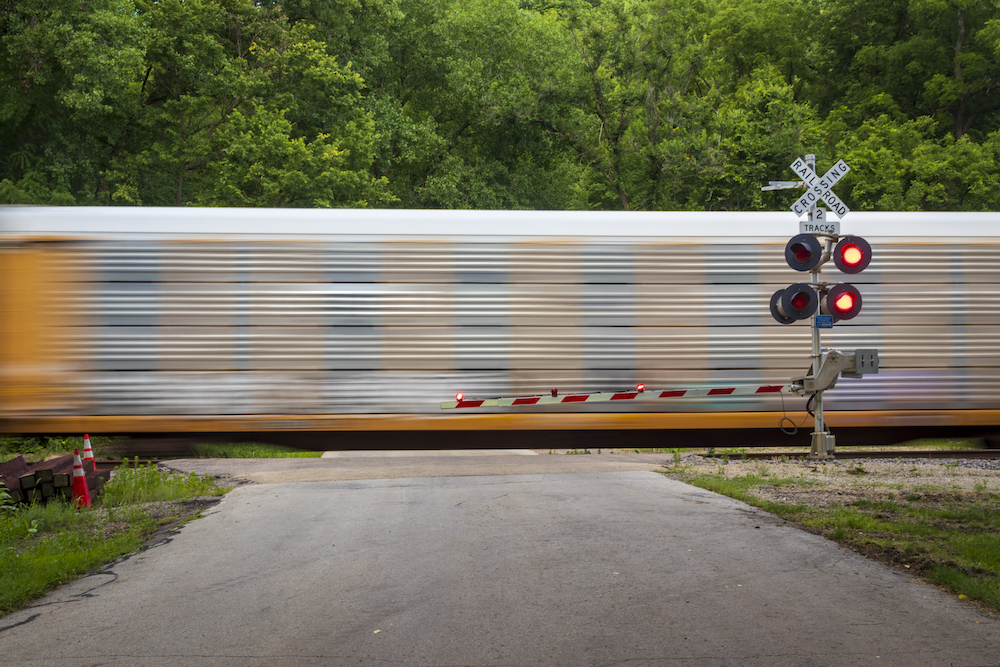
Grade crossing installations

A side view of a train passing a rural grade crossing with railroad crossing sign, a lowered gate, and flashing red warning lights

Grade crossing installations take many forms but nearly always include the railroad symbol most familiar to the public — the highway/railroad grade crossing warning sign. Crossbuck is the correct term for the X-shaped sign located just before a road reaches railroad tracks. These signs read RAILROAD CROSSING in the U.S. and are lettered with similar words, […]

Read More…

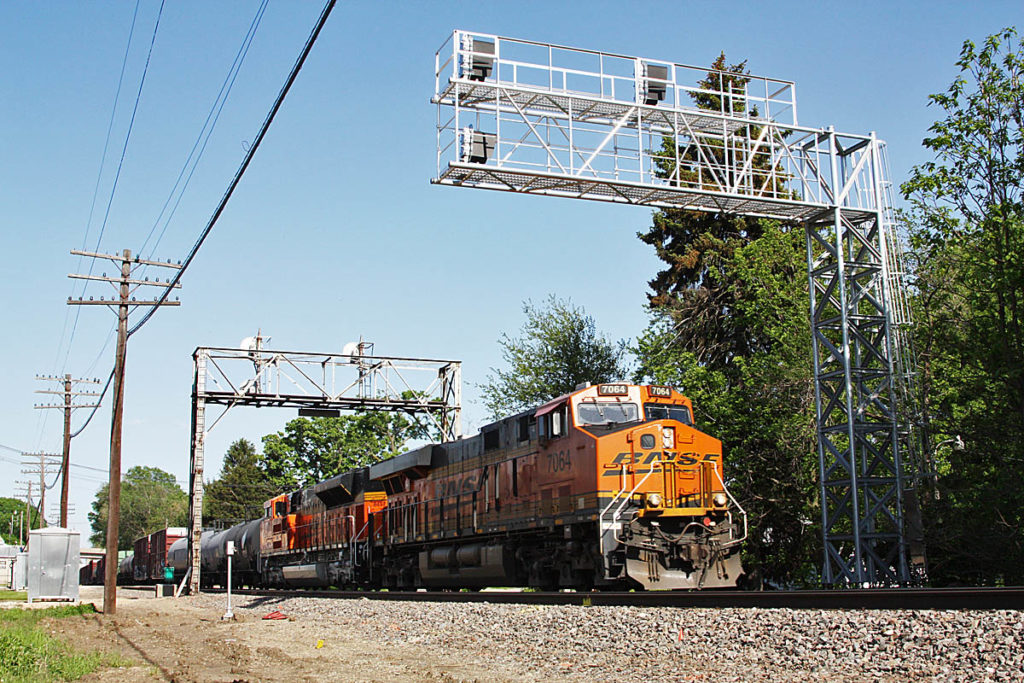
Glossary of railroad signal terminology

Orange and green diesel locomotive passes under signal bridge. Glossary of railroad signal terminology

Basic railroad signal terminology Here is a glossary of railroad signal terminology. Signals are used for protection and control of train traffic. However, there is no national standard or system, so signals used by individual railroads may vary. Glossary of railroad signal terminology Absolute signal: A signal whose “stop” indication means “stop and stay.” Usually […]

Read More…

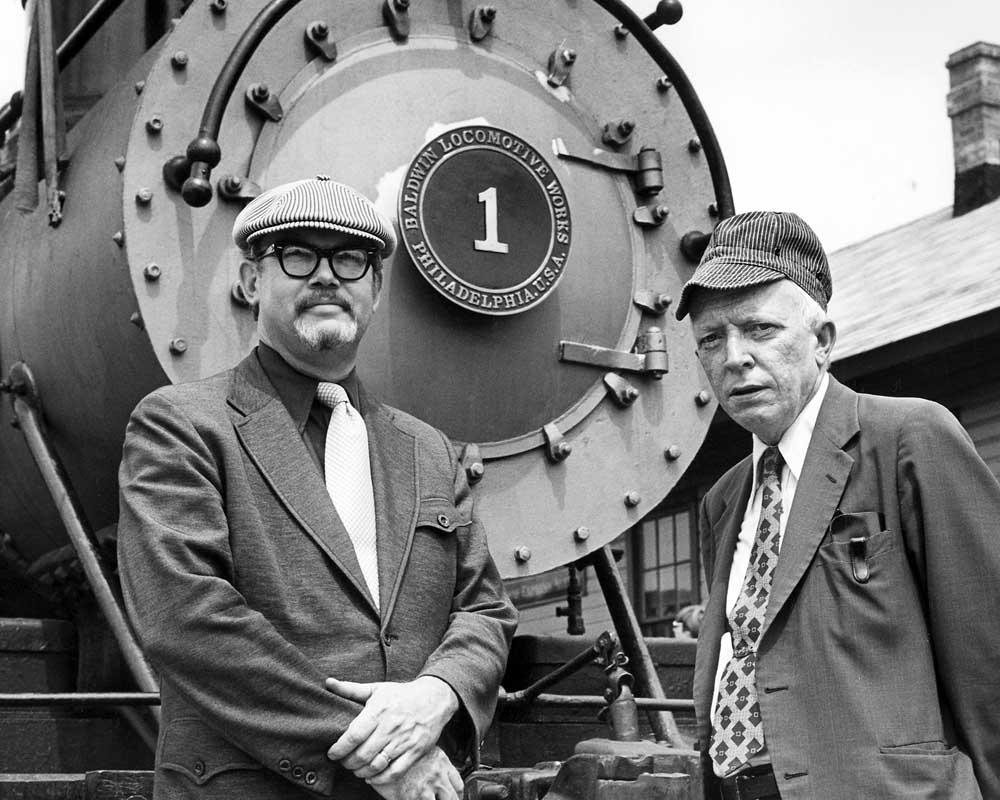
Celebrating the work — and life — of Phil Hastings

Two men stand in front of steam locomotive 1

  Any time the UPS truck drops a new railroad book on my porch, it’s a good day. But “good” is hardly adequate to describe the feeling I had a few days ago when a box from Indiana University Press showed up by the front door. Only superlatives will do when the subject is photographer […]

Read More…