
Remembering Union Pacific’s John Bromley
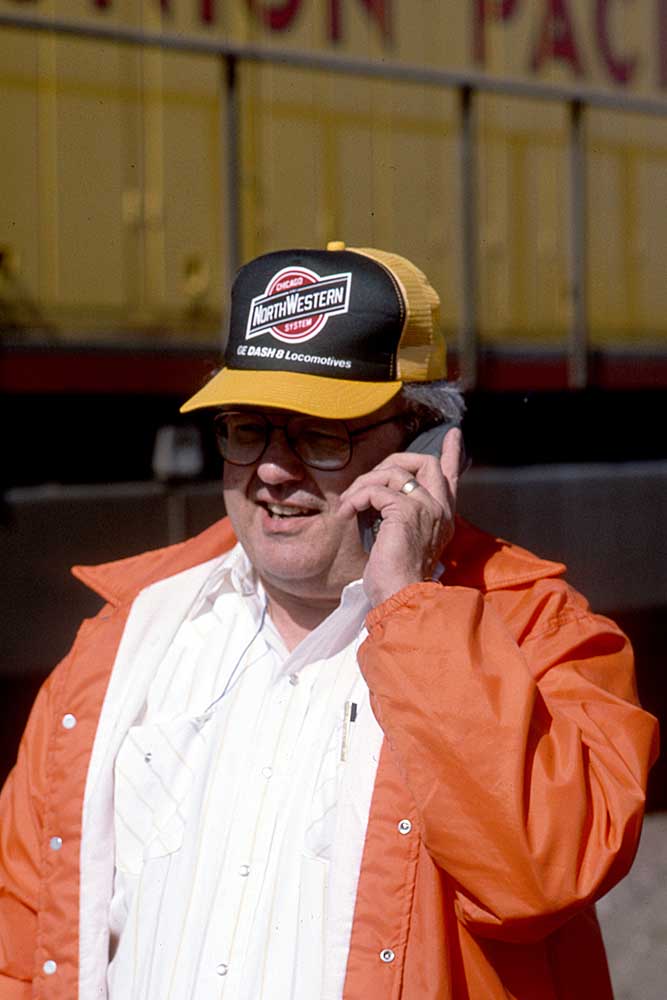
Man in shirt shirt and orange jacket using cell phone

Ask anyone who covers railroads for a living and they’ll tell you — if they are honest — they couldn’t do it without the support of their contacts in railroad public relations. Of course, such cooperation varies from company to company, and PR directors I’ve known have run the gamut from obfuscation to enlightenment. One […]

Read More…

Five mind-blowing facts — New York Central passenger trains

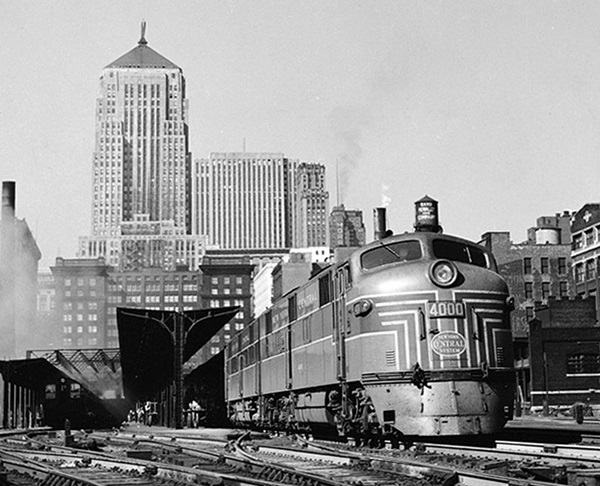
Streamlined diesel locomotives at passenger terminal. Five mind-blowing facts — New York Central passenger trains.

Mind-blowing facts — New York Central passenger trains We are 50-plus years into the Amtrak era, which began on May 1, 1971. A few Amtrak trains still carry the identity of the conveyances they imitate — California Zephyr, Empire Builder, and Crescent — to mention a few. What lives on today is a contemporary train […]

Read More…

Ultimate dual-service engine: New York Central 4-8-2 Mohawks

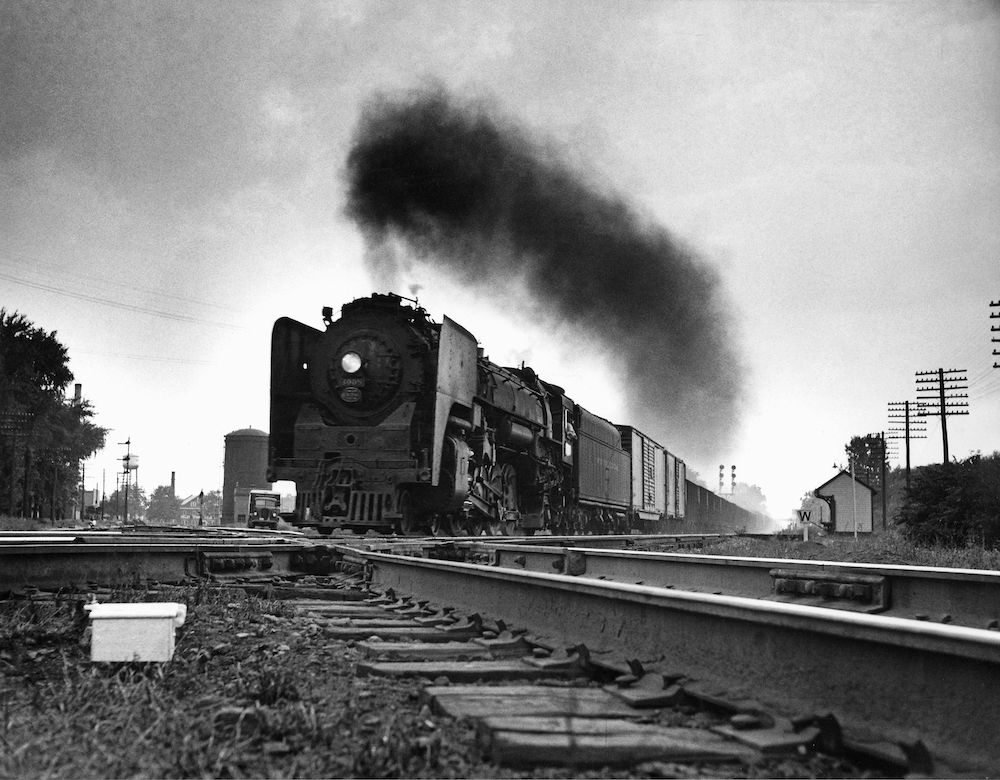
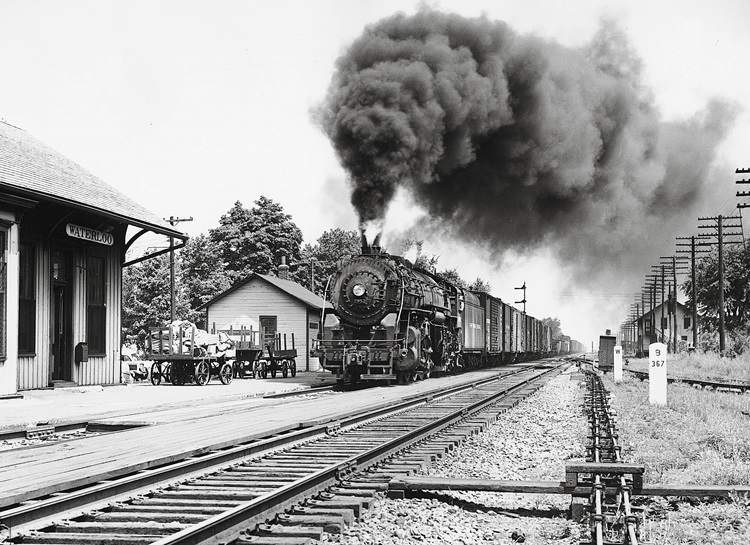
Example of New York Central 4-8-2 Mohawks on freight train by station

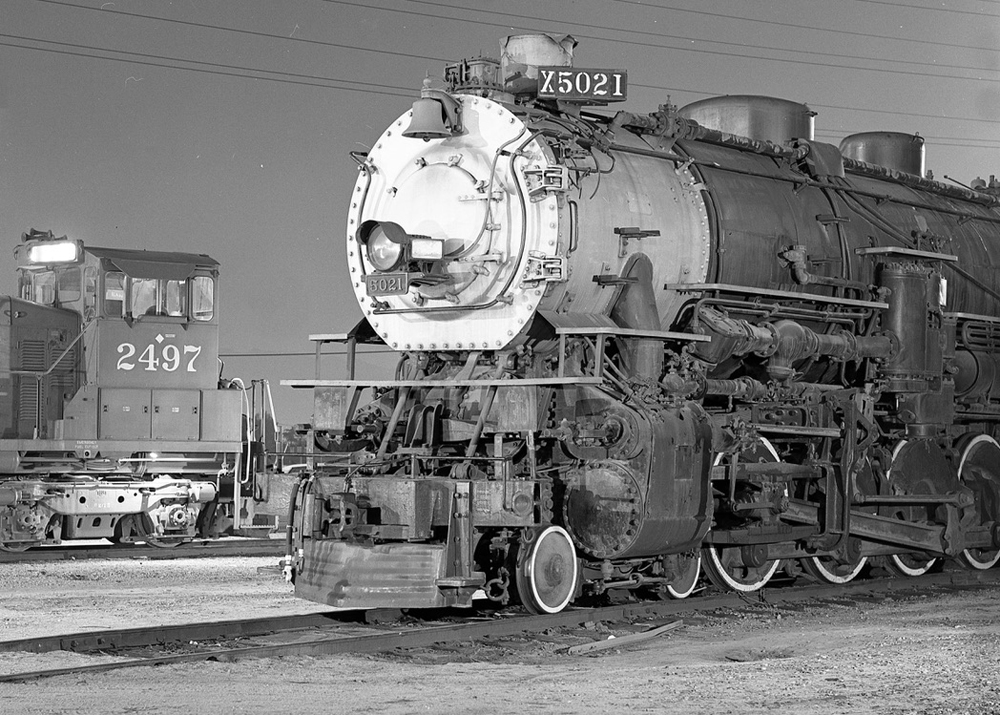
The New York Central 4-8-2 Mohawks were the ultimate dual-service steam locomotives. For some railroads in the steam era, it wasn’t enough to have success with a single example of a standard wheel arrangement. Instead, new competitive challenges and evolving technology often caused railroads to rethink a given locomotive class and turn it almost entirely […]

Read More…

New York City High Line railroad history

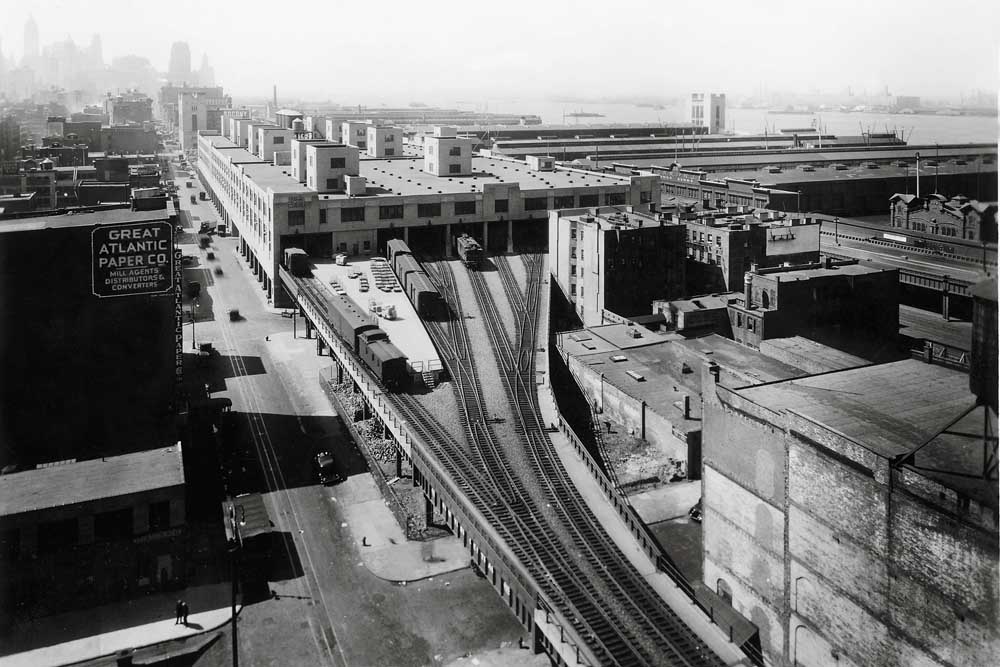
Aerial view of elevated New York City High Line railroad

The New York City High Line a sight to behold on Manhattan’s West Side. It was born of a vast improvement program in the 1930s, which took West Side freight trains off city streets. The trains were then powered by electric traction north of 30th Street and behind diesel power south of 30th Street.   […]

Read More…

From the Cab: I saw the light

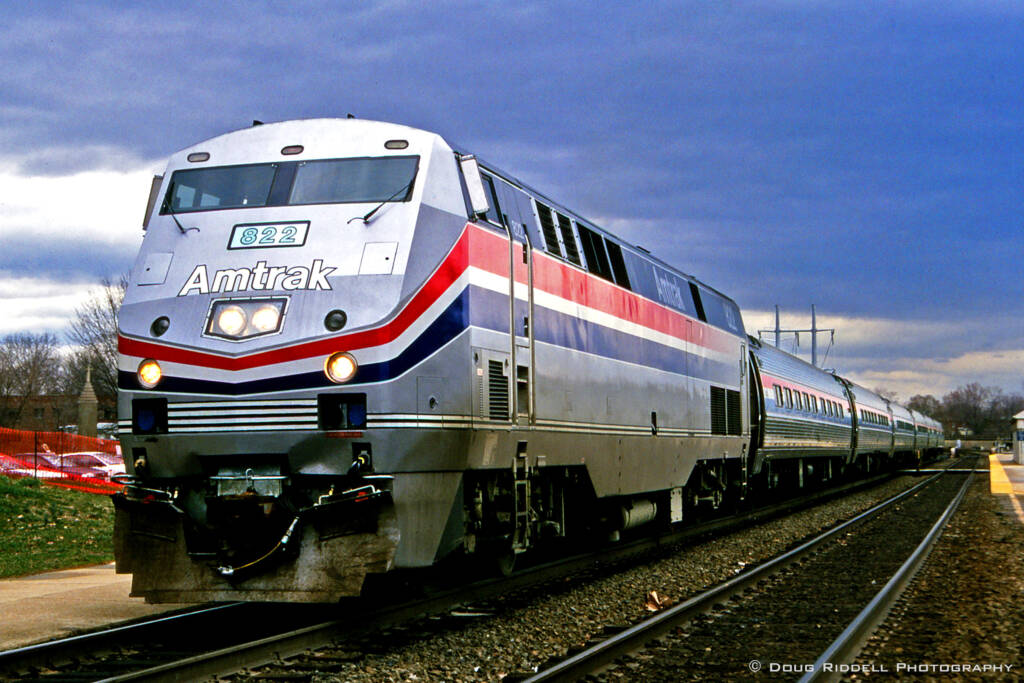
A silver Amtrak locomotive at the head of passenger cars under a dark stormy sky

I saw the light, but changing the light was a whole different matter — and that’s why I’m skeptical when a locomotive builder claims to have consulted engineers when designing a new and improved model. And with good reason. They’re usually looking for product endorsement rather than any input intended for product development. A seasoned […]

Read More…

World War II: The Transcontinental Railroad’s impact

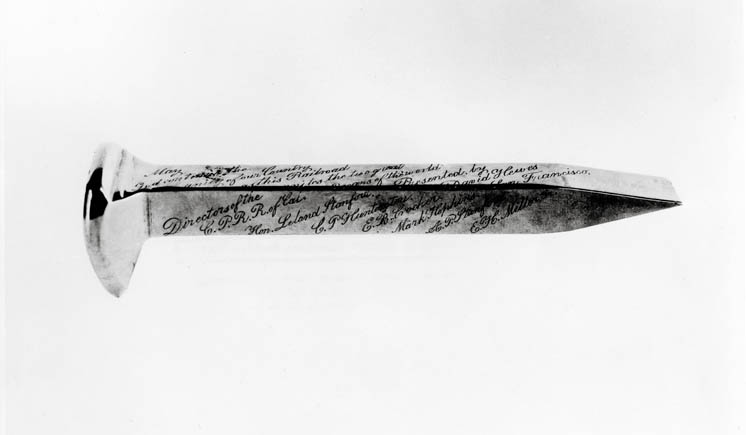
The Transcontinental Railroad's Golden Spike

Southern Pacific & World War II By the 1940s, the original Transcontinental Railroad main line around the north end of the Great Salt Lake had fulfilled its original purpose of connecting the eastern United States with California, and was now needed for World War II. Specifically, the U.S. war effort needed the Transcontinental Railroad’s steel […]

Read More…