
Elevated crossing gate towers

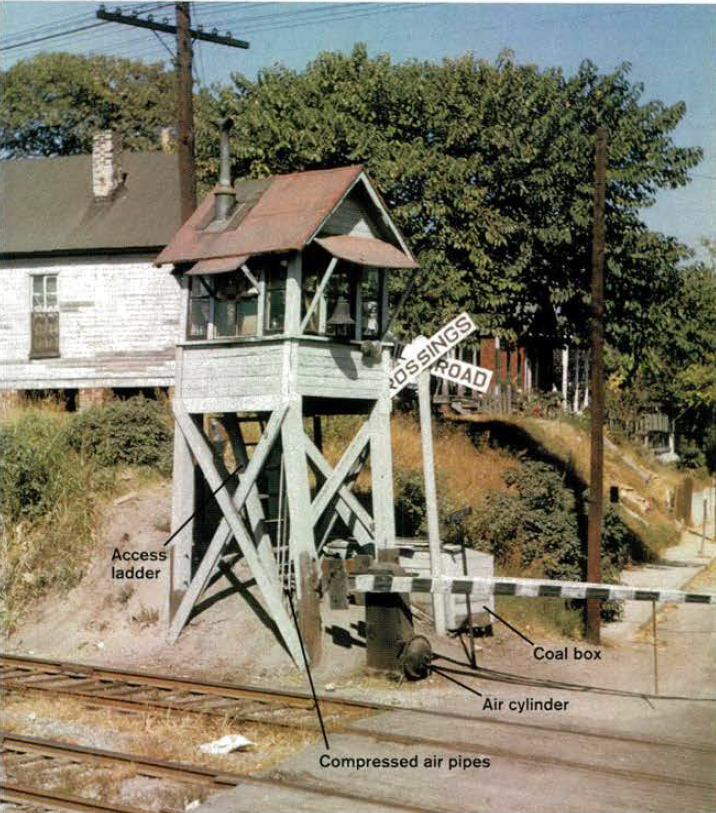
An elevated crossing gate tower

Elevated crossing gate towers were once common sights at busy road intersections. The compact and fascinating structures faded from the railroad scene during the 1940s and 1950s as automatic crossing gates became more widely used. The role of the towers was simple, yet important. Keeping watch from his lofty perch, the crossing tender warned motorists […]
Read More…

10 photogenic railfanning spots

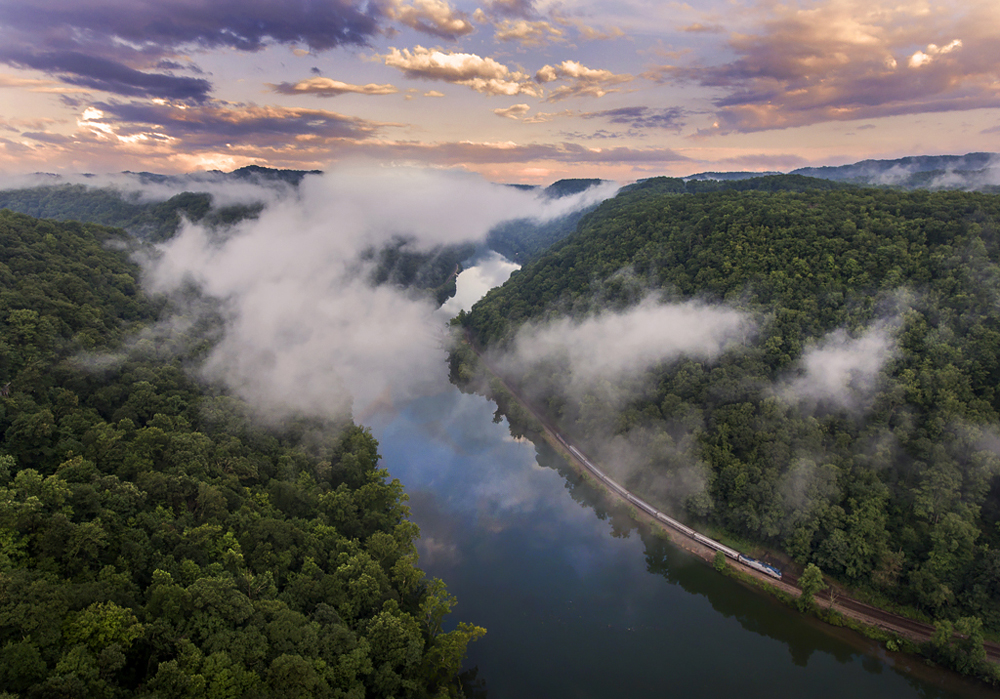
Aerial photo of passenger train in river canyon under sky of broken clouds

For the dedicated photographer looking for quality over quantity, finding the perfect location to capture railroading against stunning backdrops is a never-ending quest. Whether you’re a seasoned expert or just looking for a change in scenery, these 10 photogenic railfanning spots — from rugged mountains to scenic waterways and cityscapes — provide exceptional opportunities. Of […]

Read More…

Track scales, vital but often overlooked

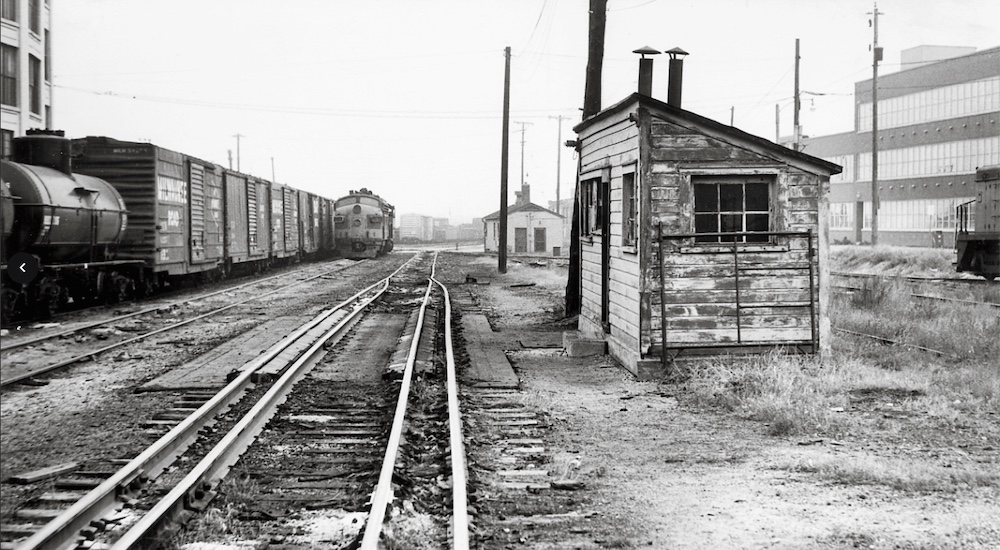
An old wooden shed behind railroad tracks

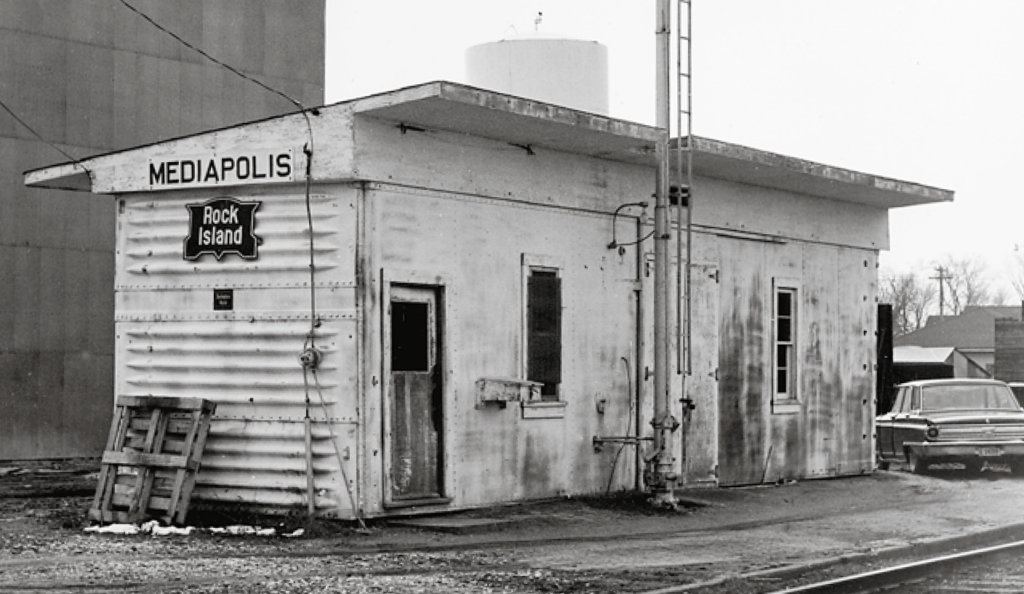
How much a railroad charges to move freight depends largely upon the weight of the cargo. Large shippers maintain in-plant track scales and weigh each car — knowing the weight simplifies the paperwork involved in billing the shipment Other shippers rely on the railroad’s own track scales, which are usually located along a through yard […]

Read More…

Lucius Beebe remembered

A black and white photograph of a man with a typewriter

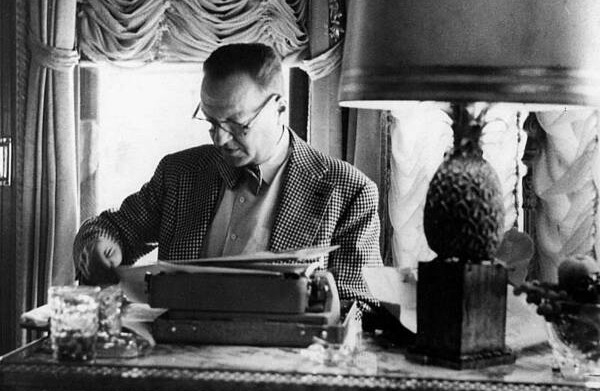
Lucius Beebe was a major figure in railroad literature and photography for nearly three decades, but contemporary readers might be amazed at just how far his reputation spread beyond railroading. He could have starred in the old TV show, “Lifestyles of the Rich and Famous.” Beebe was born Dec. 9, 1902, in Wakefield, Mass. His […]

Read More…

What switch crews know

Railroaders pose with caboose at night

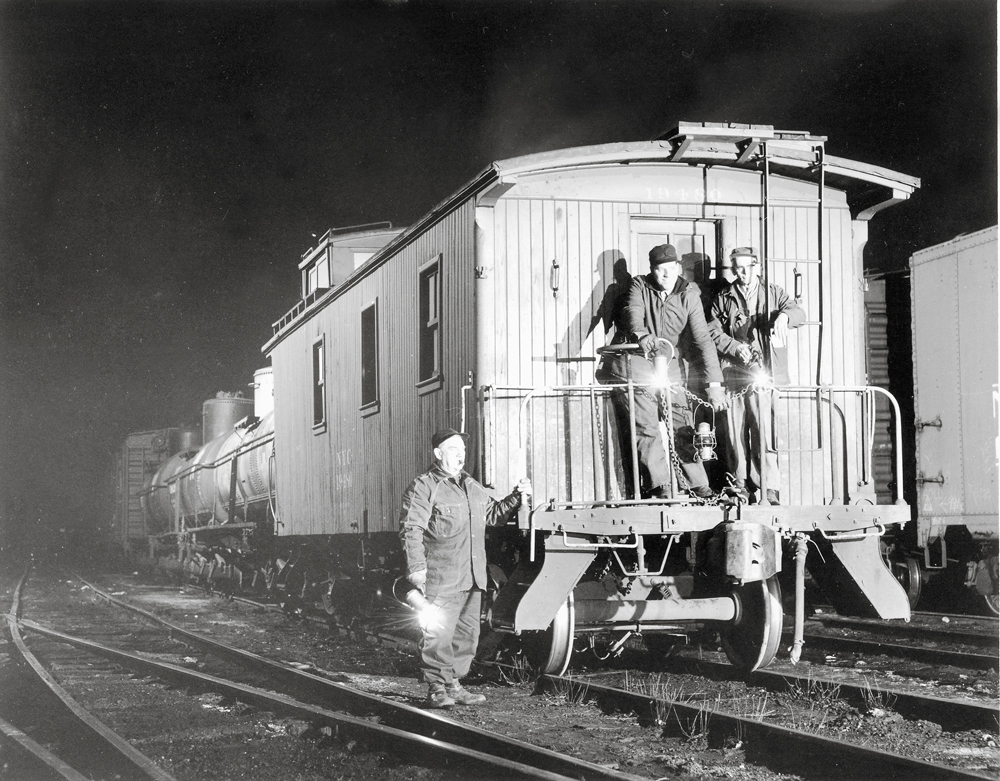
What do switch crews know? If you want to know how trains operate smoothly, ask the experts — the railroaders themselves. Things happen for a reason in the real world. Take switch-stand locations. Railroads hate to have brakemen crossing and recrossing tracks. It’s dangerous. It’s far safer to put all the switch stands on one […]

Read More…

Making sense of steam

Steam locomotive in a snowstorm

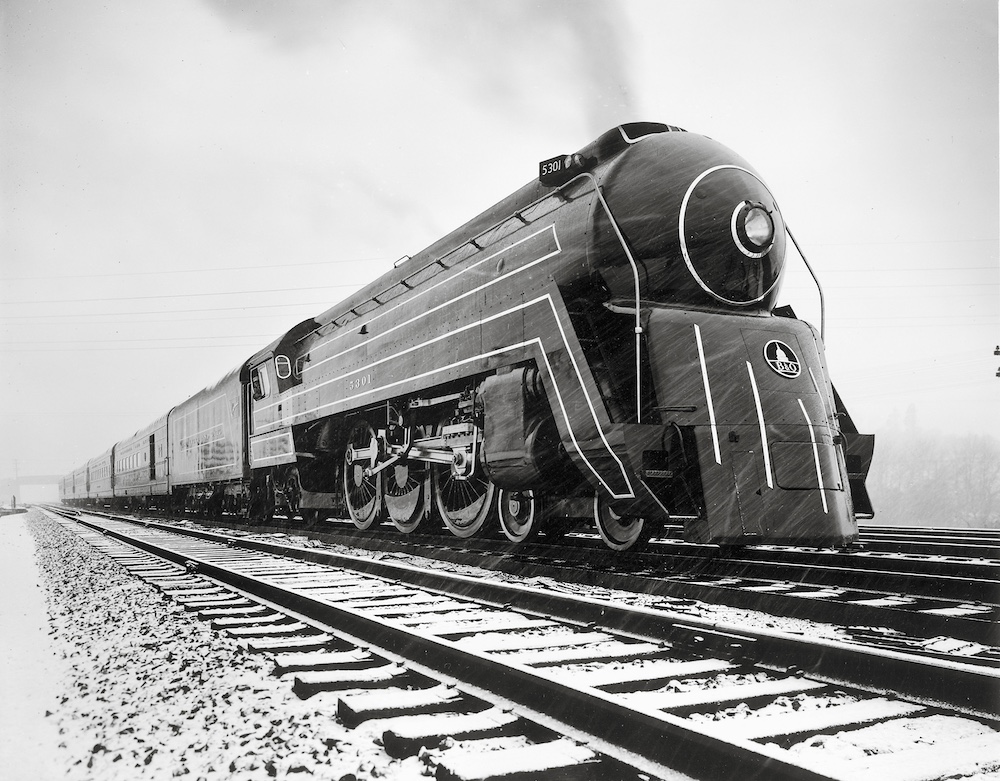
More than most machines, a steam locomotive’s design reflects its intended use. There are reasons why high-speed passenger locomotives have tall driving wheels and two-axle leading trucks while hard-slogging freight hogs tend to have shorter drivers and a single-axle leading truck. The differences between locomotive types are as apparent as night and day. Which is […]

Read More…

Train-watching basics

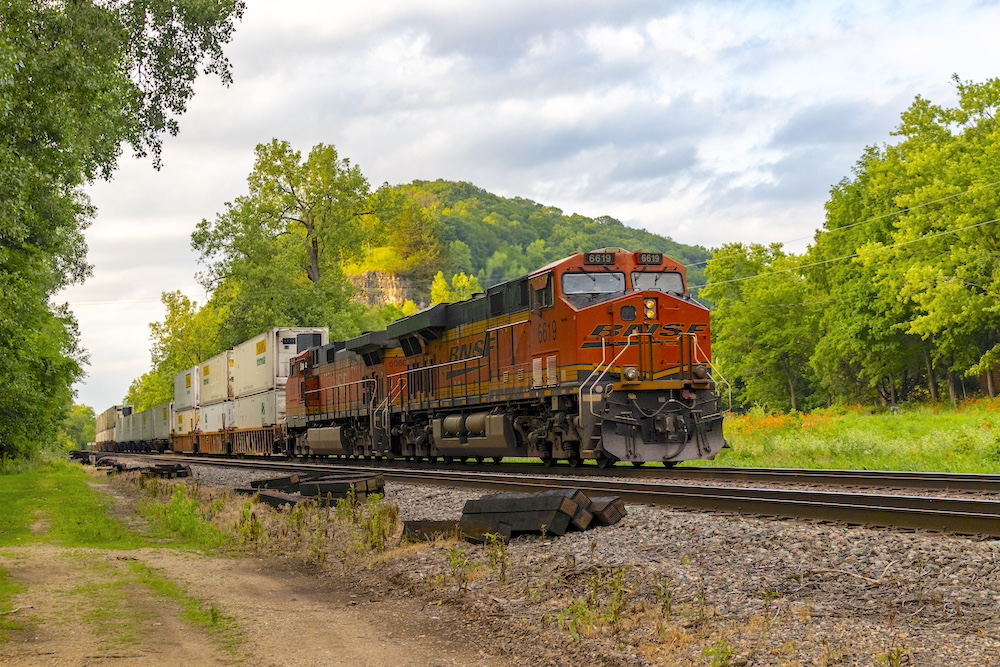
Orange locomotives pull a freight train down a tree-lined section of track

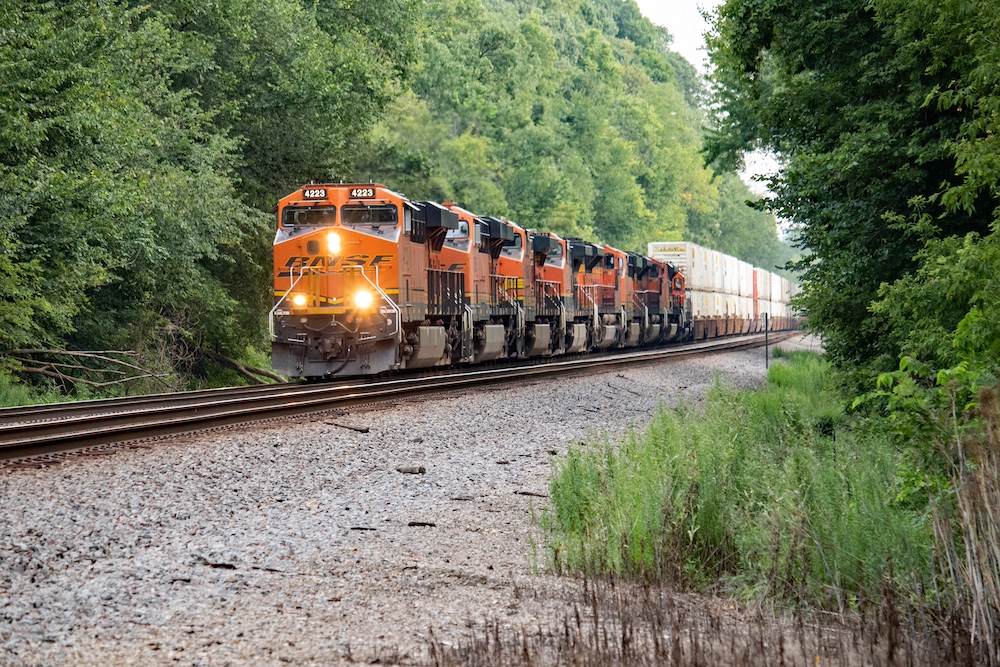
  Train-watching basics: Among the ways in which people participate in the railroad hobby, the simple act of watching trains is the most popular. Some railfans thrill to the power of thousands of tons of steel rushing by. Others watch for new locomotive types, or old classics running out their last miles. Many focus on […]

Read More…

Steam and superstition

steam locomotive

When Trains Magazine author Lou Maxon was invited by the Mt. Rainier Scenic Railroad and Museum in Mineral, Wash. to experience steam railroading from the cab, he knew he was in for a special treat, a peek into a world few non-railroaders will see. He watched as the crew went through their pre-departure routine for […]

Read More…

Steam cab ride on the Mt. Rainier Scenic

Two men in locomotive cab

It’s 7:30 a.m. and our Trains crew has arrived at the Mt. Rainier Scenic Railroad and Museum in Mineral, Wash. for a steam engine cab ride. It’s about a two-hour plus drive from Carnation, Wash. where I run, own and operate my own short line electrified private railway. Today though, I’m a guest crew member […]

Read More…