
Historical Chicago terminal railroads: Still going Strong

Back-and-white photo of a switcher operating in rural area

Chicago has always had a plethora of terminal railroads. Many have come and gone, but a handful with historical roots dating to the late 19th Century are still active today, and vital to keeping the freight and passenger traffic consistently moving in and out of the city. These are Historical Chicago terminal railroads that are […]

Read More…

50 Years Ago in Trains: Storming California’s Beaumont Hill

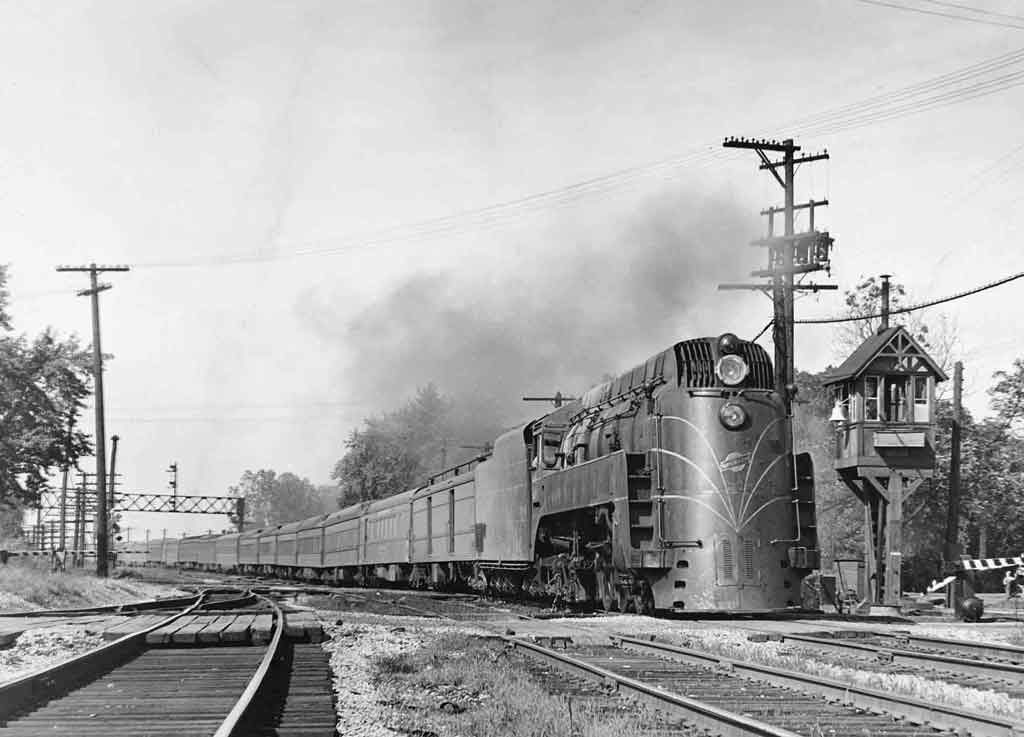
Under a cloud of black smoke, a hardworking steam locomotive climbs California's Beaumont Hill in 1948

50 years ago in Trains: Bombarding Beaumont in 1948 WHAT a grand and extraordinary depiction this photograph is of Standard Railroading in full and final flower! For the flagship of Southern Pacific’s New Orleans-Los Angeles Sunset Route the Sunset Limited, which is destined to become the last of America’s great passenger trains to be dieselized […]

Read More…

50 Years Ago in Trains: The truth about Conrail’s challenges

Cover of Trains magazine depicting two streamlined diesel locomotives with a yellow strip across the middle

John G. Kneiling, by profession a consulting engineer, wrote Trains Magazine’s Professional Iconoclast column for many years. His column called out perceived problems with the rail industry and suggested new ways of thinking about solutions. Fifty years ago, in the September 1975 issue, Kneiling took aim at the government-supported Conrail, then newly created from several […]

Read More…

75 years ago in Trains: New hope for Cherry River Boom & Lumber

Magazine cover shows a steam locomotive passing a water tanks. The word Trains appears in white on a red box

“TlMBER!” It was that cry ringing across West Virginia’s Appalachian slopes that put loads on the flat cars of the Cherry River Boom & Lumber Company’s Railroad, and cash in the company coffers. Once the Cherry River trundled 100 million board feet of lumber a year down to the mill at Richwood. But timber grows […]

Read More…

Norfolk & Western’s ‘Big Three’ steam locomotives

NWSteam

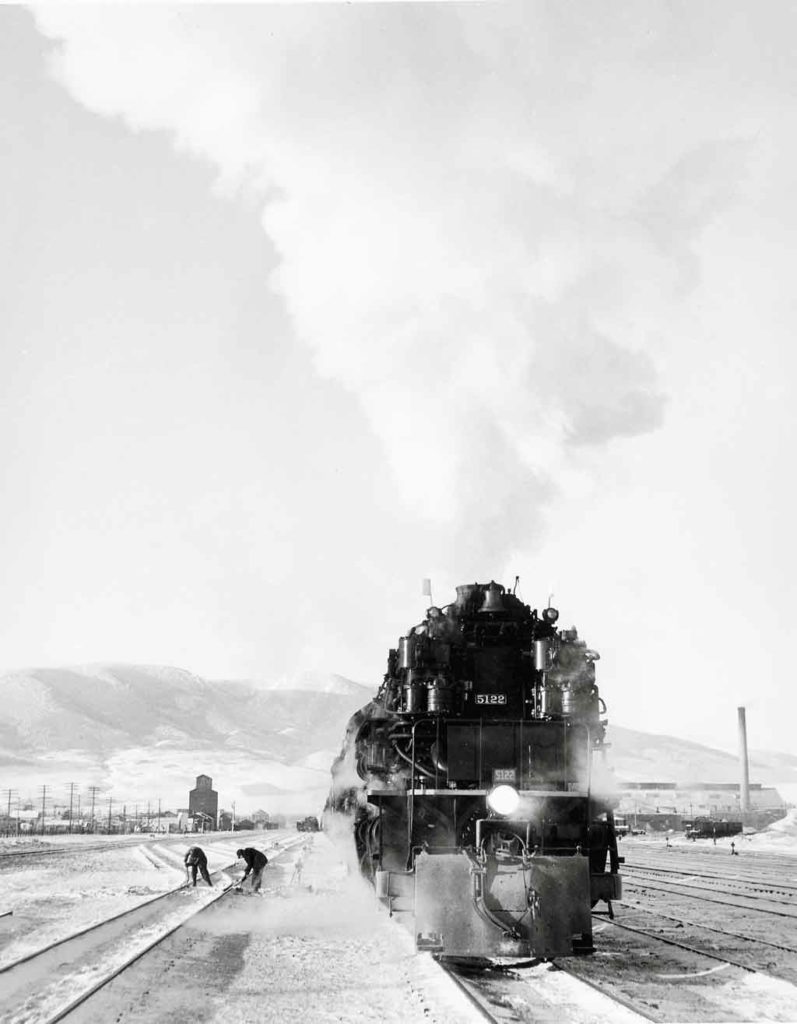
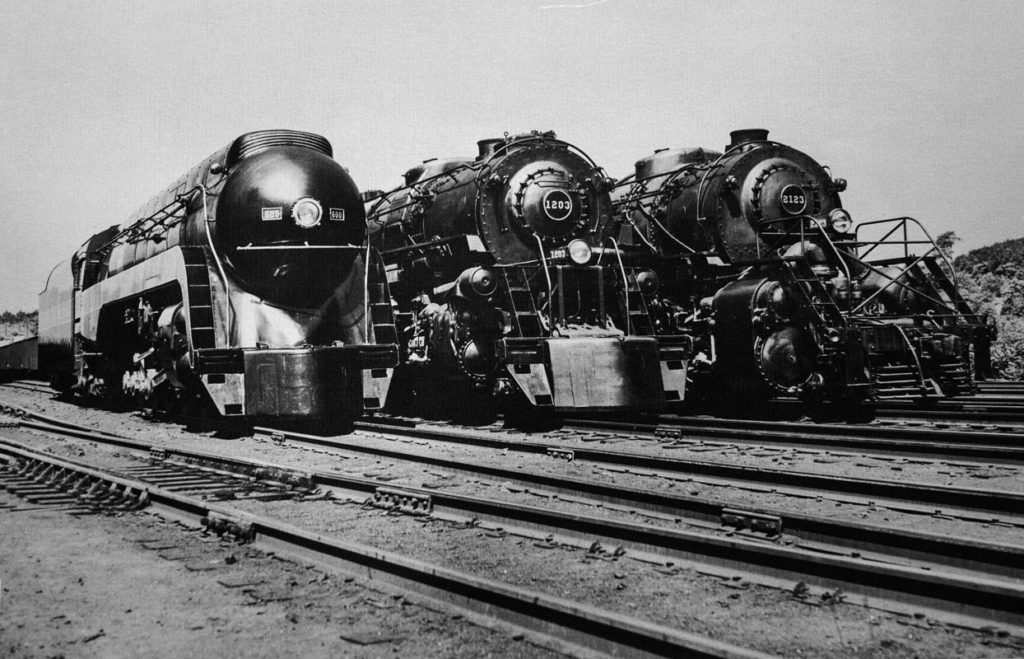
Roanoke, Va., headquarters of the former Norfolk & Western Railway and once known as the “Alamo for Steam,” is home to the renowned East End Shops. This facility, still standing today, was where the bulk of the railroad’s steam fleet was built. Among these were three locomotive classes from the 1940s-50s, known as the “Big […]

Read More…

Steamtown’s Future: Railroad Heritage at a Crossroads

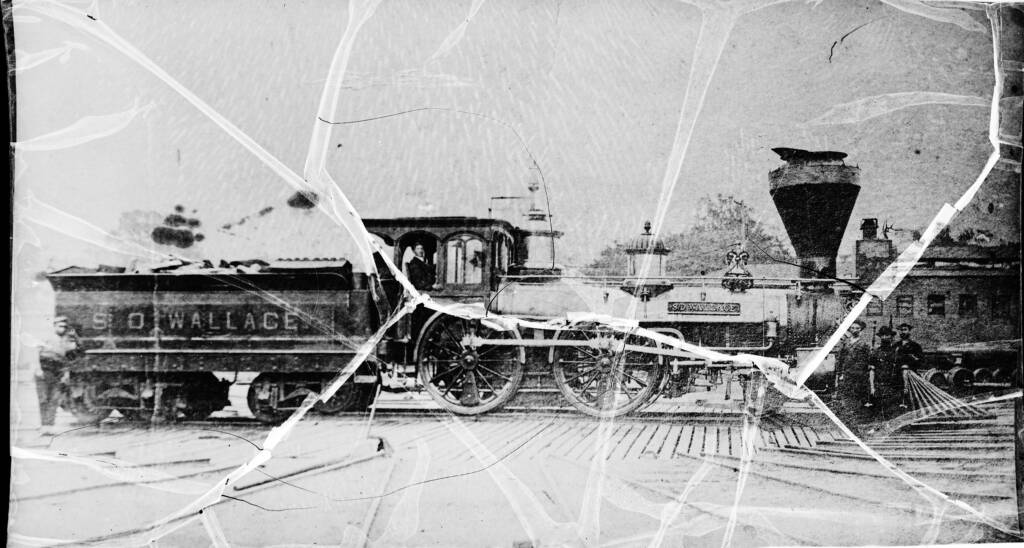
A side view of an early steam locomotive taken on a glass plate negative. A man is in the cab and three railroad workers stand at the front of the engine

Thirty years after its grand opening as a unit of the National Park Service, Steamtown National Historic Site in Scranton, Pa., is at a crossroads. Whether you admire or disdain it, know nothing about it, or simply hope for its survival, it remains a significant railroad preservation effort. Steamtown has the potential to expand the […]

Read More…

London, Brighton & South Coast E2

Black and white photo of British tank engine

In the 1910s, Lawson Billinton of the London, Brighton & South Coast Railway was tasked with designing a successor to the E1 Class 0-6-0T steam locomotives, designed by William Stroudley in 1874. The “answer” became the E2 Class 0-6-0T that would go on to have a complicated legacy during its flawed career and after its […]

Read More…

Safety First: A railroad industry slogan

A nighttime photograph of a silver-painted turntable bridge in the foreground with seven yellow diesel locomotives in the background

Given the dangers inherent in the railroad industry, it’s no surprise the slogan “Safety First” has a long history with railroading, appearing on posters, signs, and other safety materials — and even turntable bridges like this one in the western Nebraska community of Chadron. According to the Online Etymology Dictionary, the first recorded use of […]

Read More…