
MRVP Insider: MRVP Underground with David Popp, Episode 11 — A virtual guest

Model Railroader Video Plus Underground Week 11

David has a guest? A virtual guest, that is. But he’s certainly no stranger to MRVP! By way of virtual meeting software, Off The Rails host Gerry Leone checks out the Underground action, lets us know about his new layout progress, and even offers up a great tip. […]

Read More…

MRVP Insider: MRVP Underground with David Popp, Episode 8 – Rolling stock rendered ragged

Model Railroader Video Plus Week 8

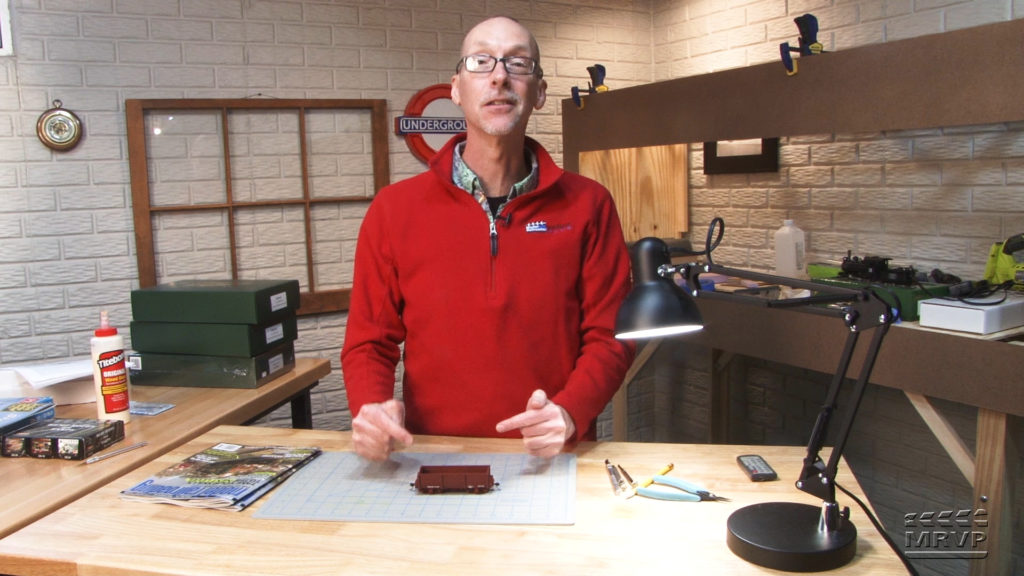
The turntable build gets temporarily tabled, but David still has plenty of projects to keep him busy in the basement. Today’s effort involves roughing up a set of On30 gons to make the sides of the car look worn and ragged from heavy use. Even David is amazed how realistic the results of his technique […]

Read More…

MRVP Insider: MRVP Underground with David Popp, Episode 2 – Project prep and staining startup

Model Railroader Video Plus Week 2

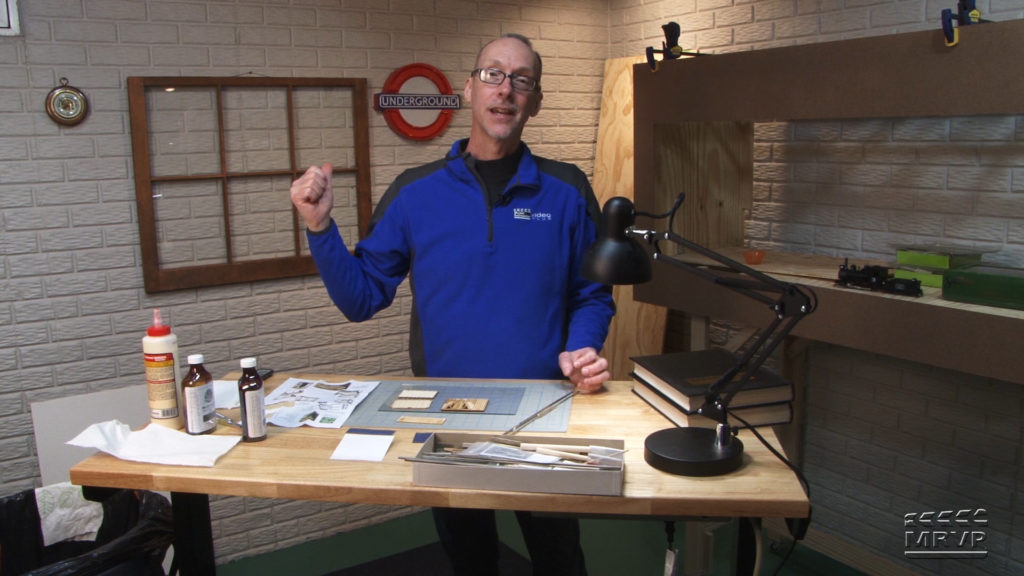
Ready for another Underground update? David Popp hunkers down to take on the challenge of building a fueling stage for his On30 Olympia Logging Co. layout. After a quick overview of his modeling project and the laser-cut wood kit components, you’ll see how David tests and preps parts with stain. […]

Read More…

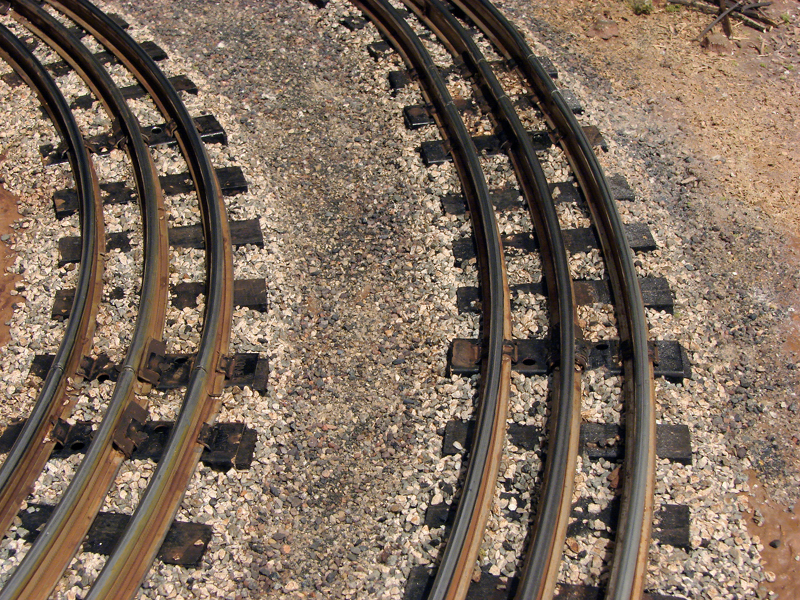
Tips for better GarGraves track

gargraves_tips1

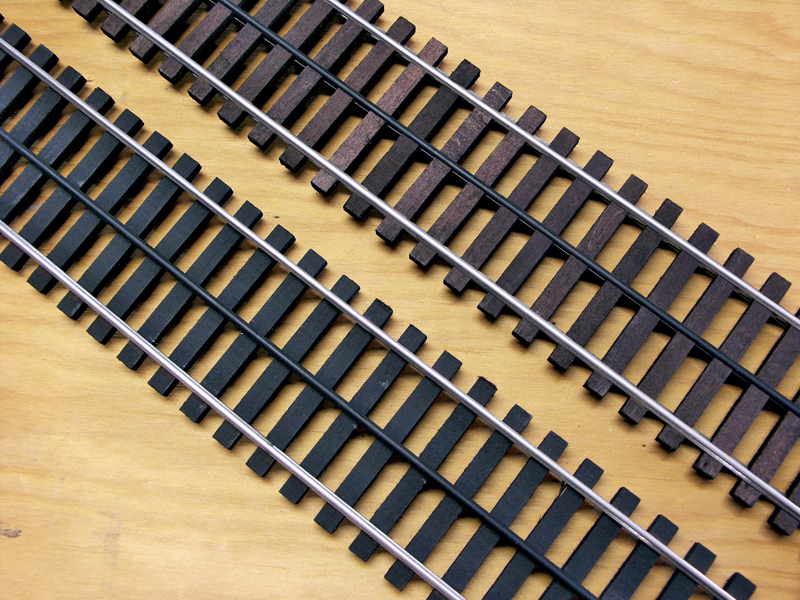
Charles Angelo Irace GarGraves Phantom Line flexible track is manufactured with the middle rail chemically treated to a deep black color. The wood ties are also more realistic than the stamped-metal ones found on traditional track, but I like to paint the GarGraves ties to better resemble the creosote-treated ones found on real railroads. In […]

Read More…

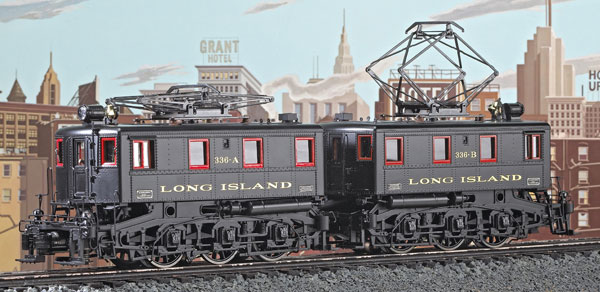
MTH Premier line O gauge BB3 Long Island

MTH Premier line O gauge BB3 Long Island

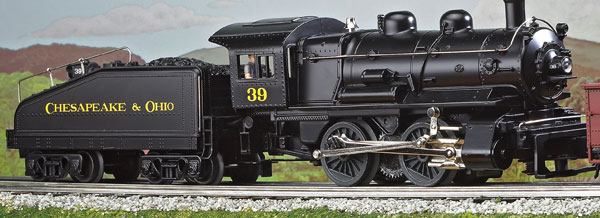
MTH  brings us a B-class switcher. As Al Staufer noted in his book Pennsy Power, few electrified railways could dedicate electric locomotives simply to the task of switching cars. But the Pennsylvania Railroad, with its vast network of yards and terminals under wire, could. In 1926, the Pennsy’s Altoona, Pa., shops began producing these little […]

Read More…

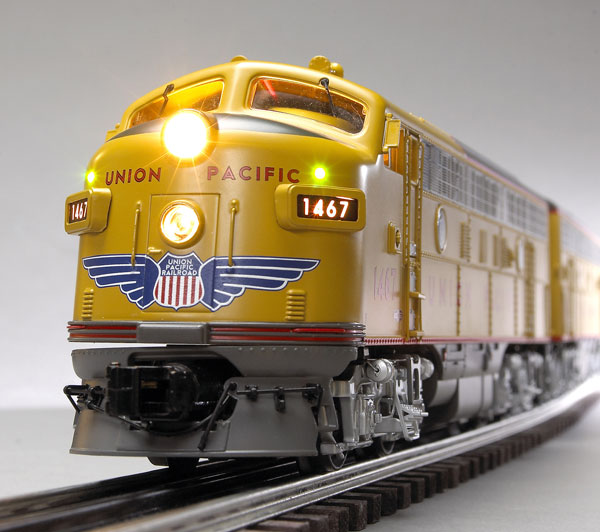
MTH Premier line O gauge EMD F7 A-B-A set

golden model engine

Cab units are a staple of O gauge model railroading. They are crowd pleasers and are updated every few years with new features or improvements. A corollary of that statement is the increased expectations on the part of hobbyists. The greater the level of detail you see, the more you expect. The better the low-end […]

Read More…

Lionel O gauge “B6” 0-4-0

Lionel O gauge “B6” 0-4-0

Stepping into the “wayback” machine, Lionel’s 0-4-0 steam switcher is a model of the Pennsylvania Railroad’s B6-class 0-6-0. Just before World War II, Lionel made several variations of its B6 switcher, two of which – Nos. 1662 and 1663 – used 0-4-0 instead of 0-6-0 wheel arrangements. The model was in and out of the […]

Read More…

How to maintain Lionel toy train operating cars

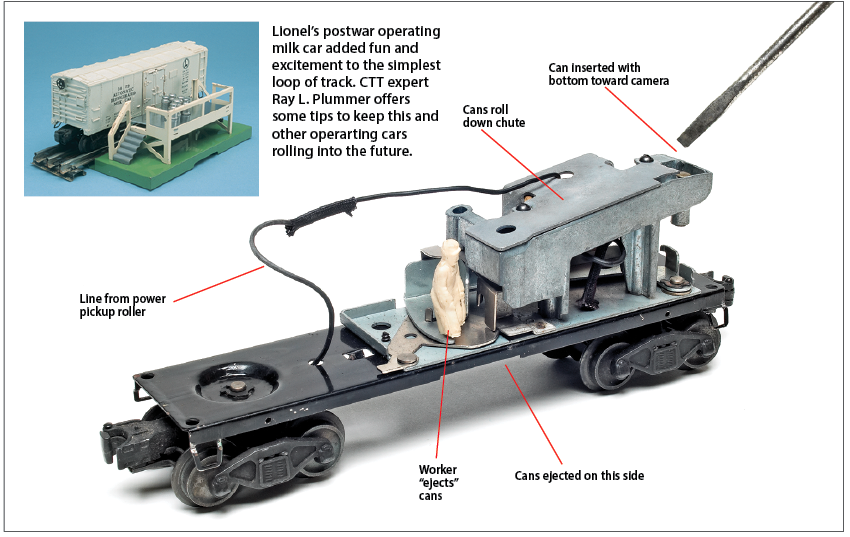
The operating mechanism of a Lionel milk car without the shell and several callouts together with an inset photo showing the assembled milk car, stand, and milk cans. Inset text: Lionel’s postwar operating milk car added fun and excitement to the simplest loop of track. CTT expert Ray L. Plummer offers some tips to keep this and other operarting cars rolling into the future.; Can inserted with bottom toward camera; Cans roll down chute; Line from power pickup roller; Worker “ejects” cans; Cans ejected on this side

The Lionel operating milk car’s chute is made so that the milk barrels can only be put in the correct way. However, once inside the chute, the barrels can become jammed if the car tips over. Here are some tips for keeping this car in service. Classic Toy Trains file A version of this article […]

Read More…

Simple mountain backdrop painting for your toy train layout

Simple mountain backdrop painting for your toy train layout

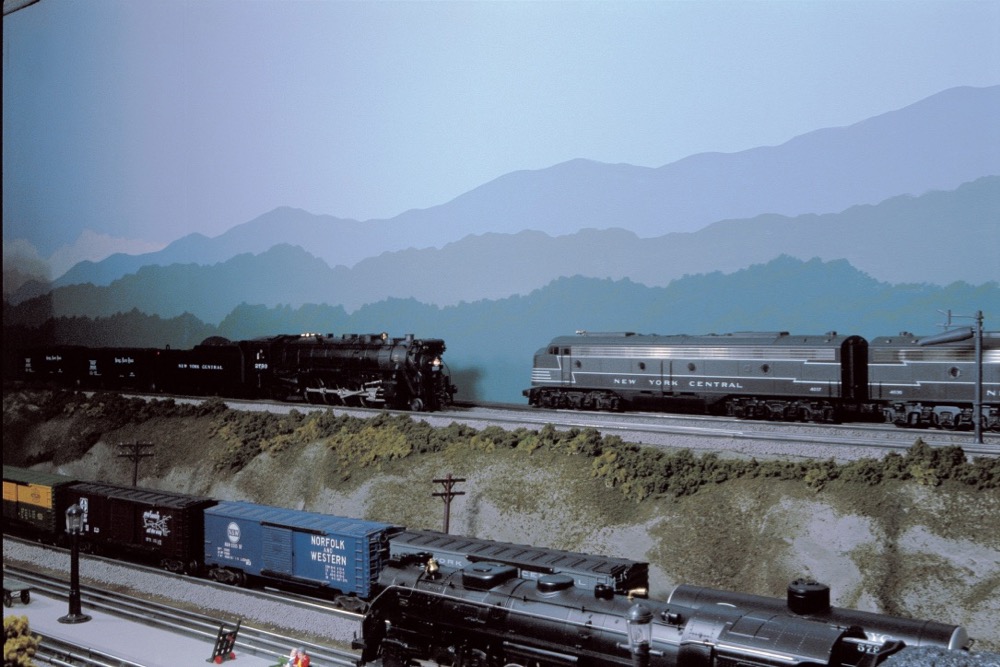
Creating the scene The examples shown here are from the backdrops on my O gauge layout, which is set against distant hills. I broke each sketch down to three levels of scenery: the foreground (tree line), the intermediate level (nearby hills), and the background (mountains). I needed to use only three colors, one for each […]

Read More…