
Why do railroads use catenary?
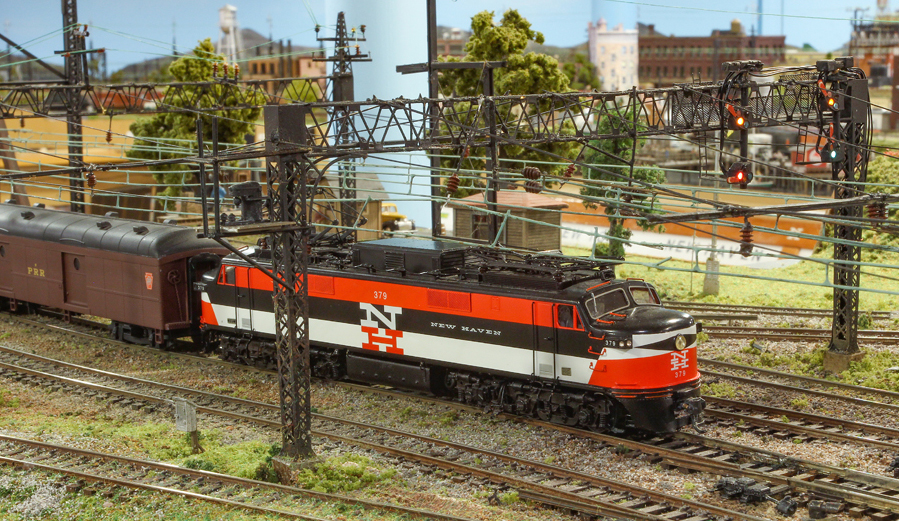
Orange, black, and white model electric locomotive running under catenary.

When you think about electrified rail lines today, the first thing that probably comes to mind is Amtrak’s Northeast Corridor. But in the first half of the 1900s, before the start of the diesel era, railroads used electrified lines to move freight and passengers. Examples in the east included the New York, New Haven & […]

Read More…

A real-world industry you can model

A freight crane is posed above multiple freight shipping containers in various colors

While on a recent trip to the National Model Railroad Association’s Southeast Regional Convention in Decatur, Ala., I was fortunate enough to go on a trip to Huntsville’s International Intermodal Center. Right when our van arrived in the parking lot, I knew that this would be a perfect real-world industry that anyone can model on […]

Read More…

Hang clipboards with hook and loop fasteners

A hand raises a clipboard hanging from a model railroad fascia

If you’re like me, you put a lot of work into your model railroad scenery, and the last thing you want to see is an operator putting his paperwork on the layout during an operating session. This situation was a concern for me, so I turned to hook and loop fasteners and piano hinges to […]

Read More…

Revisiting AI for model railroaders

An AI generated image of a green and yellow model locomotive in a northeastern US setting

Large language models (LLMs) or as they are colloquially known, AI, have made impressive progress since I last explored possible use cases relating to model railroading last summer, in the form of both chat-based programs and image generation. With a year having passed between then and now, I thought it would be worth revisiting this […]

Read More…

Lionel postwar military switch engines

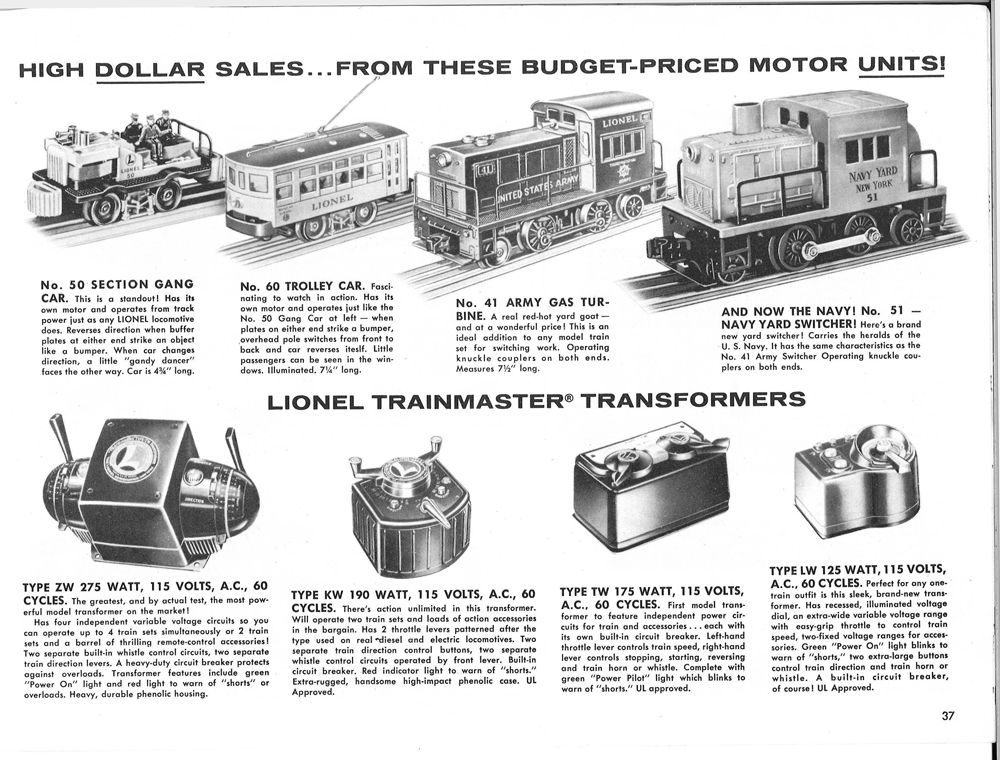
black and white catalog page

Kids of the 1950s loved Lionel’s little switch engines. The stubby proportions and whirling drive rods of these classics give them an industrious appearance as they scoot around a layout. Lionel produced them in a number of colorful and collectible variations. Did the prototypes really exist? Yes, at least in their initial releases. Lionel was […]

Read More…

Live steam railway in Australia

overview of garden railway

My garden railway is like a 4 x 8-foot layout, only it’s scaled up to around 12 x 32 feet and built outdoors. I’ve added a small garden retaining wall to raise the railway to knee height, which is comfortable for viewing and placing trains on the track. Originally, the patio had no roof or […]

Read More…

Why did railroads use train orders?

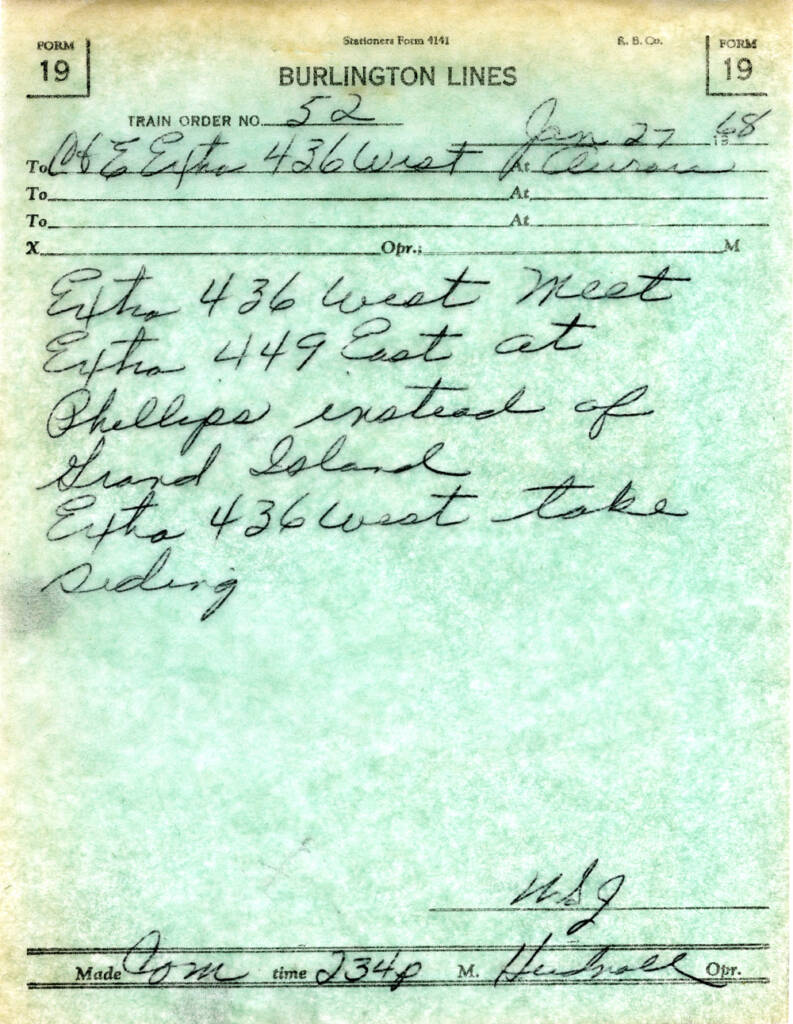
Scan of train order with information written in pen.

If you’ve read Model Railroader or many of our books and special issues, you’ve probably seen references to timetable-and-train-order operation, or TTTO for short. Employee timetables (ETT) that governed TTTO operation listed station names, mileposts, train numbers and classes, departure and arrival times, and operating instructions, among other items, to govern train movements. So why […]

Read More…

Harvey Simon’s HO F Line traction layout

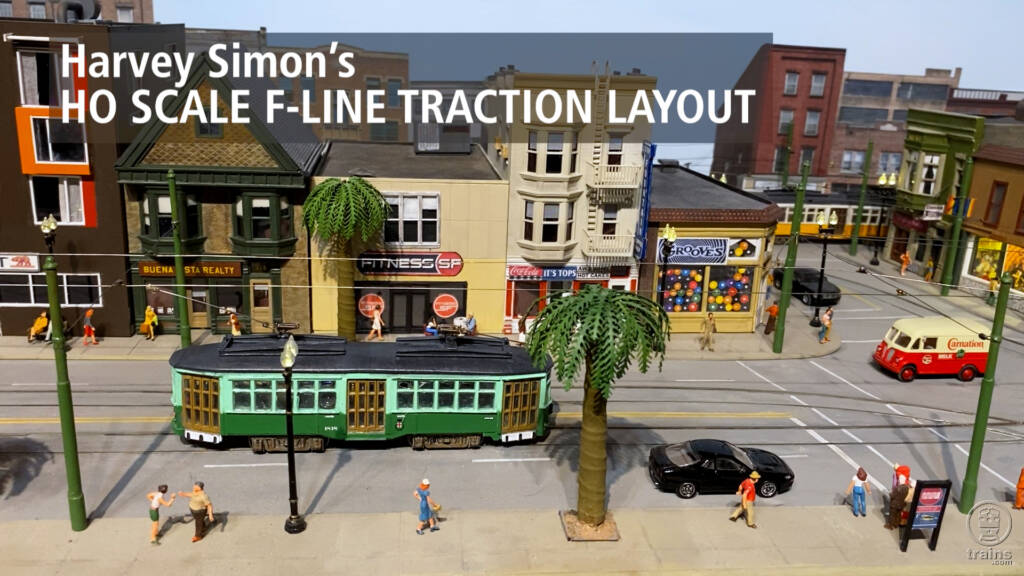
Title screen of layout visit video featuring trolley car, vehicles, and downtown buildings.

Harvey Simon’s HO F Line traction layout is set in modern-day San Francisco, re-creating the route between the Castro District and Fisherman’s Wharf. The modified walk-in model railroad features open-grid benchwork, 6-1/4” minimum radius curves, and a mainline run of 40 feet. In this layout tour video, you’ll get an opportunity to see San Francisco […]

Read More…

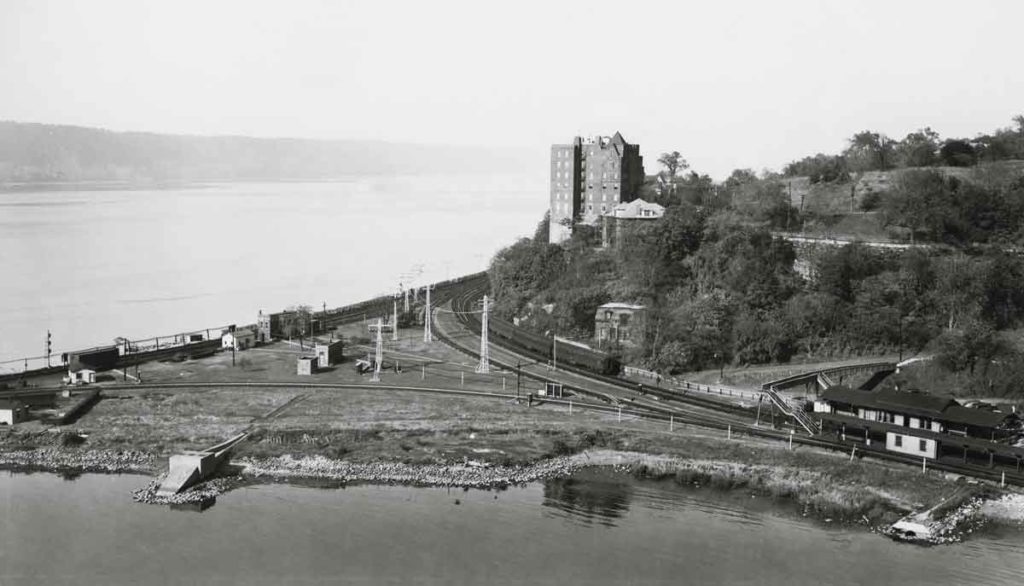
Spuyten Duyvil panorama

New York Central Railroad at Spuyten Devil

A mid-1940s view from the Henry Hudson Parkway bridge near the north end of New York City shows the converging New York Central lines at Spuyten Duyvil. An electric multiple-unit train out of Grand Central pulls away from Spuyten Duyvil station to head up the main line along the Hudson River. The West Side freight […]

Read More…

Locomotives We Love: Lionel No. 2245 Texas Special F3

red and cream model engine

Joe Algozzini, perhaps the preeminent expert on Lionel trains and accessories manufactured during the post-World War II era (1945-69) has been contributing deeply researched and thoughtfully written articles to Classic Toy Trains since its second issue hit newsstands in the spring of 1988. To be honest, Joe was laying the groundwork for what became the […]

Read More…