




Watch streetcars running on David Arrell’s HO scale Street life model, which is featured in the March 2022 issue of Model Railroader magazine. […]
Layout visit: David Arrell’s HO Street life & Streetcars
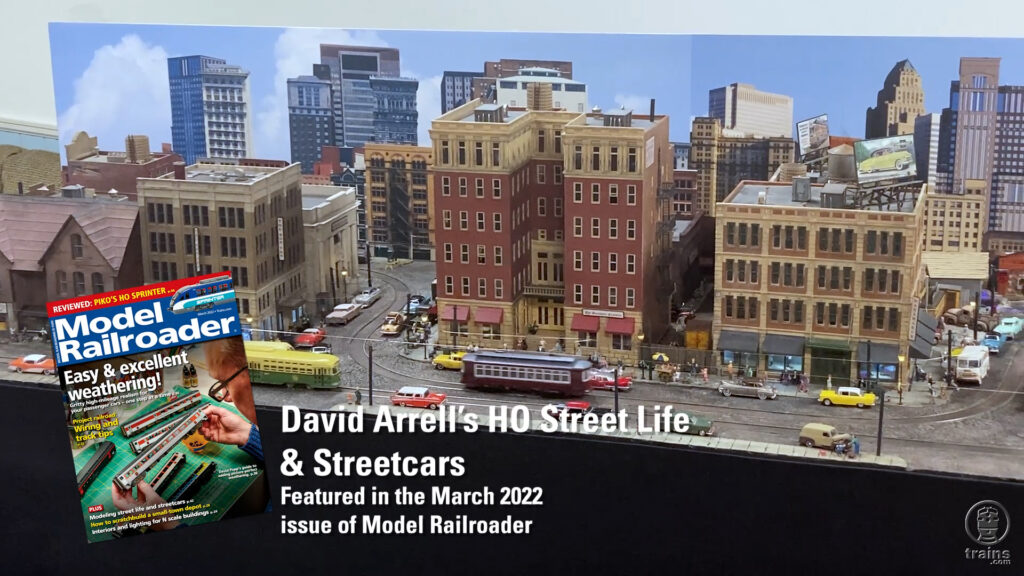
Watch streetcars running on David Arrell’s HO scale Street life model, which is featured in the March 2022 issue of Model Railroader magazine. […]
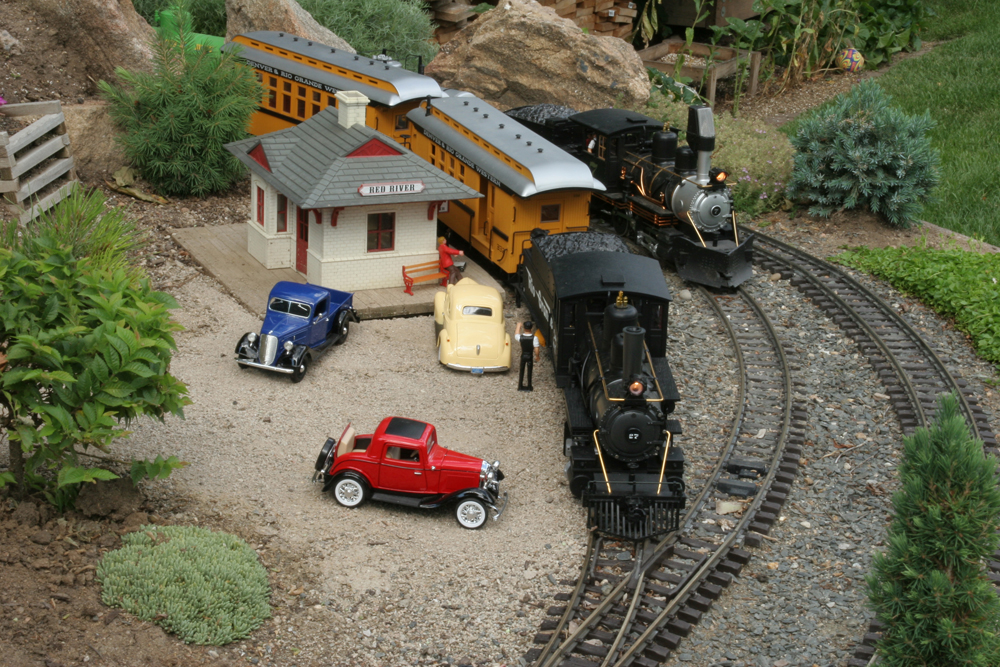
The railway at a glance Name of railroad: Virginia & DACS Railroad Size of railroad: Approximately 14′ x 36′ Scale: 1:22.5 and 1:20.3 Gauge: Nº 1 (45mm) Theme: Pre-diesel, western countryside Era: 1930s-40s Motive power: LGB and Bachmann steam-outline engines Length of mainline: Outer loop, 90′; inner figure-eight with spur, 120′ Maximum gradient: 3.5% Minimum […]
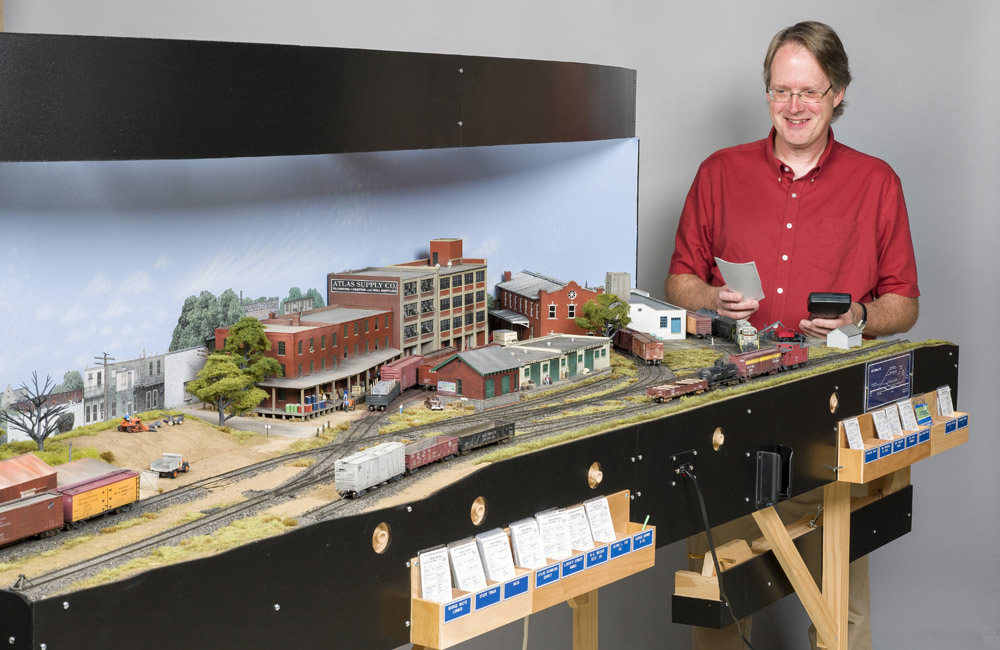
Q: My wife and I are discussing purchasing our forever home and there are questions about including room for, and the cost of, a MRR layout. I have Parkinson’s Disease, so HO scale is the smallest I can imagine modeling. That scale (or larger) will require a good bit of layout space, plus working space. A […]
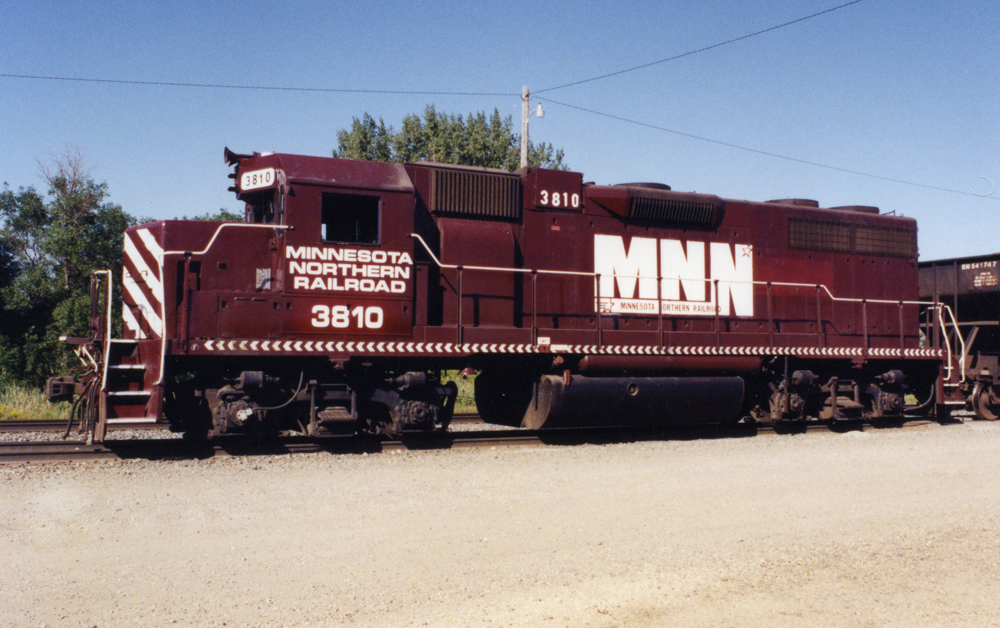
Introducing the Minnesota Northern GP38 fleet The mid-1990s brought a flurry of change to the railroad scene in Crookston, Minn., my hometown located in the northwest corner of the state. In September 1995, Burlington Northern merged with the Atchison, Topeka & Santa Fe. A year later, Burlington Northern Santa Fe sold off the branch lines […]
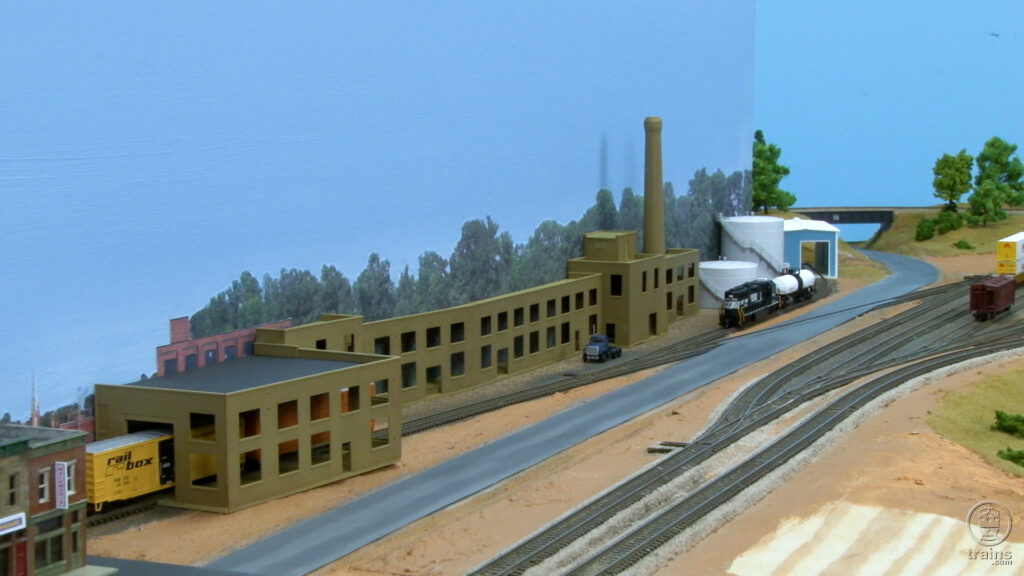
Kitbashing trackside structures for the N scale State Line Route layout is the focus of this episode. First, David Popp shares his planning and preparation steps, which include finding prototype photos and building mock-ups for this N scale model railroad layout. Next, David uses parts from several model kits to custom build a paint factory […]
This operating layout features scenes visitors to the Amherst Railway Society’s Railroad Hobby Show are familiar with, and some they are not. Did you know the site was once rail served? Now in O scale, it is again! […]

A garden railroad MI Jack Crane: Something unique, something different, that’s what I needed to endure the long winter of the Midwest when outdoor railroading comes to a dead stop! A building project. If you are thinking about railroading in the period 2020, you must recognize the dramatic change to containerized shipping. What better way […]
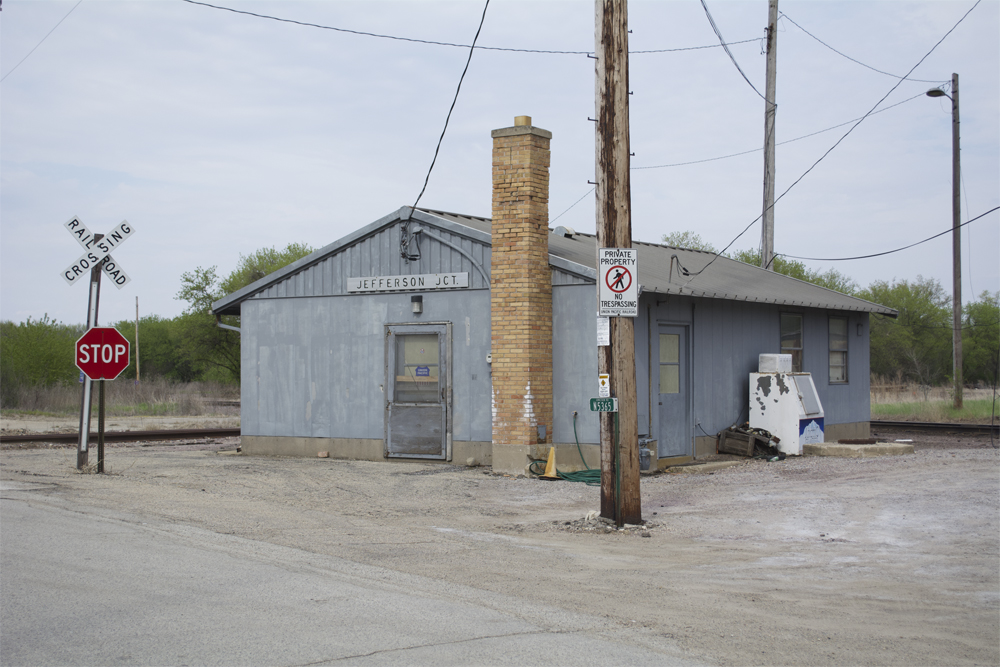
I’ve always had a soft spot for small stations. One such example can be found about 30 minutes west of Model Railroader’s Waukesha, Wis., headquarters in Jefferson. Just north of the city of 8,000 is a location on the Union Pacific (UP) called Jefferson Junction. When the Chicago & North Western (C&NW) operated the line, […]
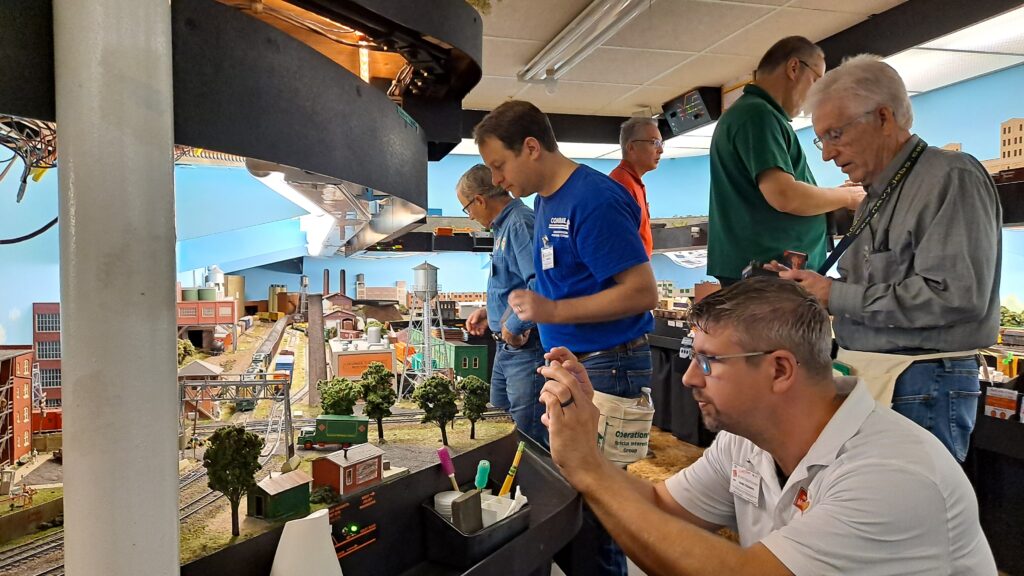
What is an operating weekend and how does it work? Answer: Well, a group of layout owners who live somewhat near one another decide they want to have folks from out of their area come run their layouts. Organizing an operating weekend But there’s more to an operating weekend than inviting people over to run […]
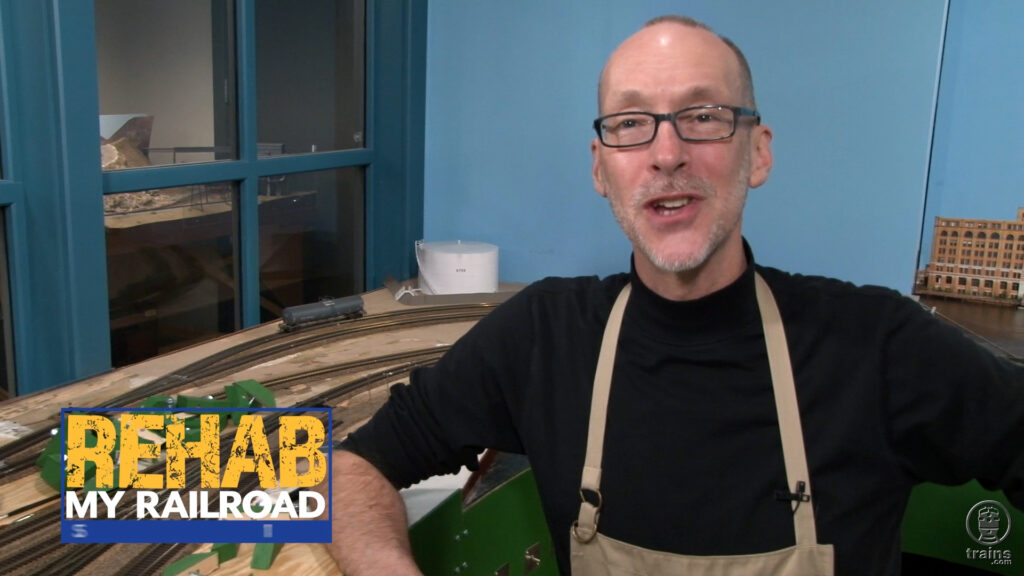
A printed backdrop installation might be the focus of this episode, but first, David Popp shares how he protects the new toggle switch installation along the fascia of the HO scale Jones Island layout section. Meanwhile, Eric White works to trim and secure a printed paper backdrop installation to the wall behind the industrial tank […]
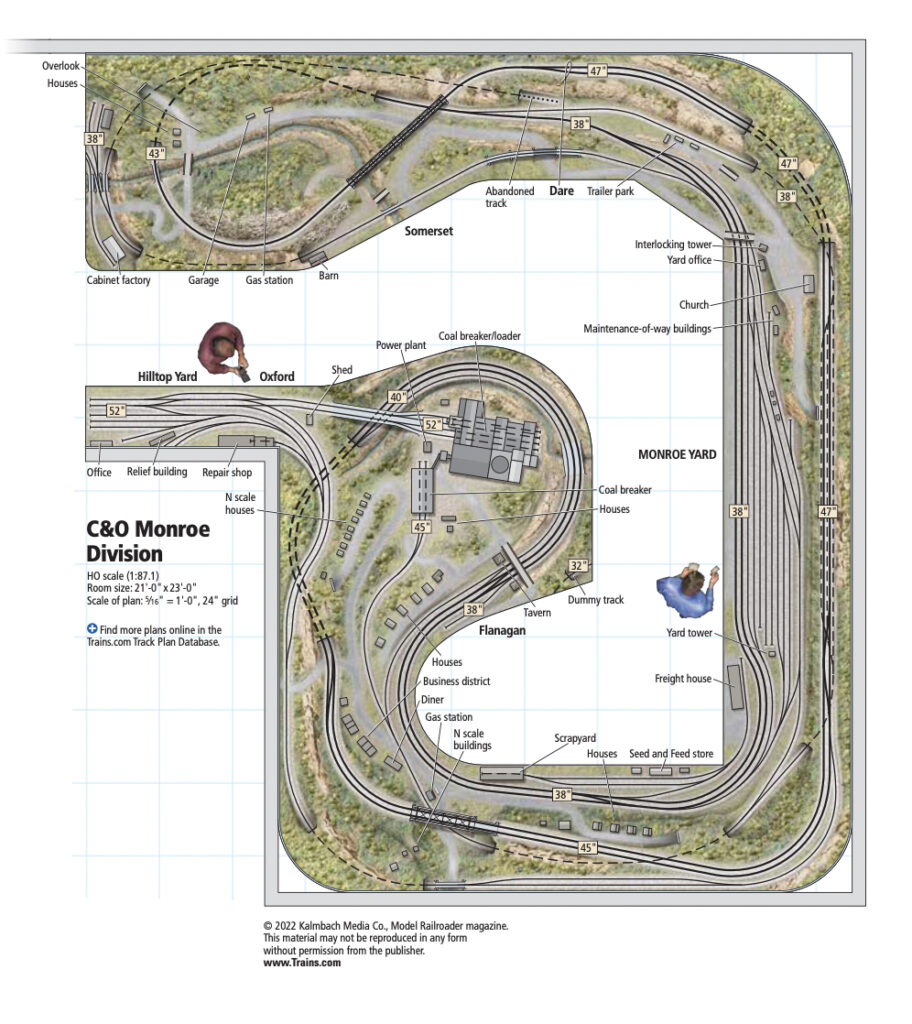
Facts & features Name: C&O Monroe Division Scale: HO (1:87.1) Size: 21 x 23 feet Prototype: C&O, Chessie System Locale: Appalachia Era: late 1960s-early ’70s Style: walk-in Mainline run: 150 feet Minimum radius: 30″ (main), 24″ (other tracks) Minimum turnout: no. 6 (main), no. 4 (other tracks) Maximum grade: 2.5 percent Benchwork: L-girder Height: […]
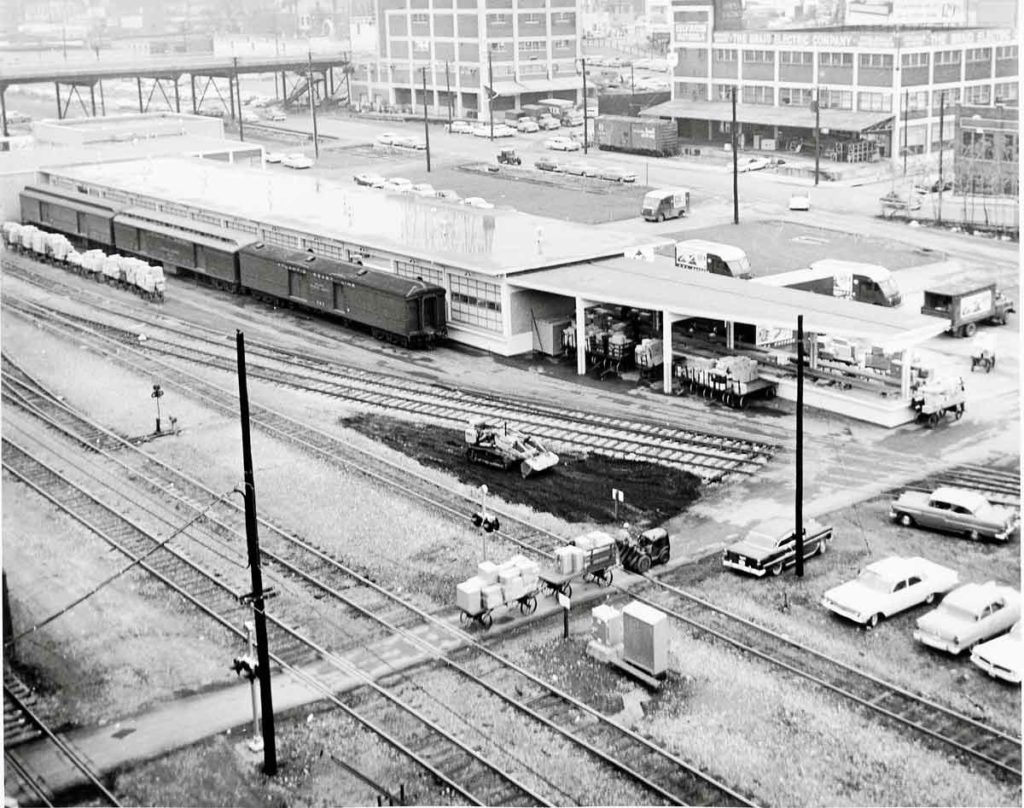
Baggage-express cars are spotted at Railway Express Agency’s Nashville terminal in 1962. Several of REA’s distinctive delivery trucks can be seen on the other side of the building. Railway Express Agency photo […]
