
Track laying techniques are not tricky

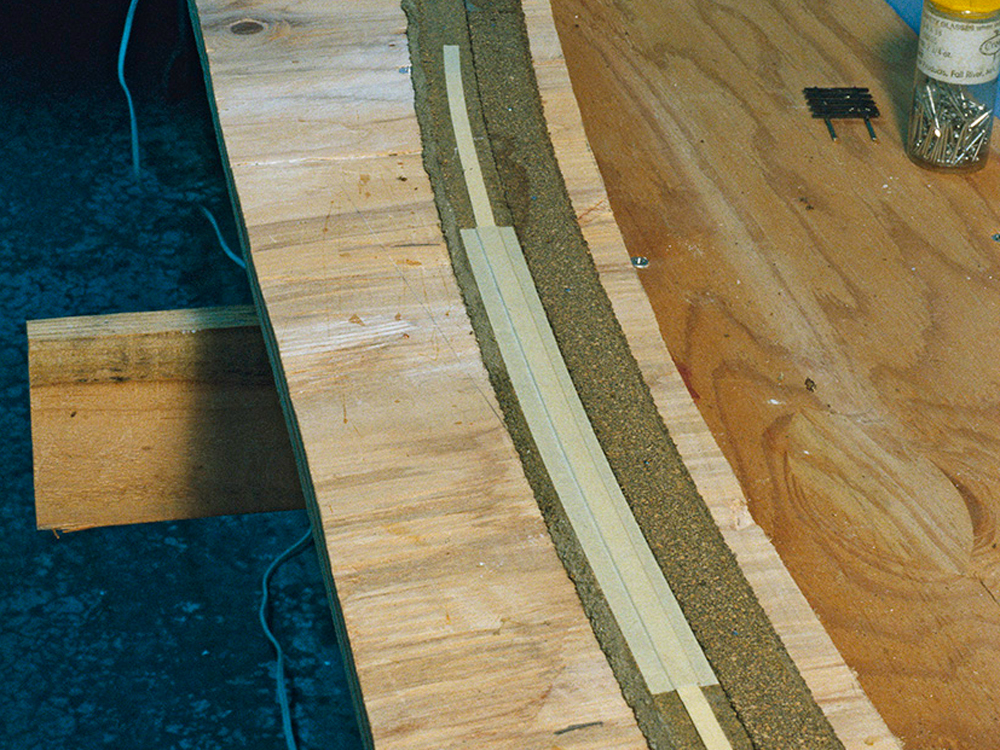
A superelevation ramp made of cardstock and masking tape strips is taped to the outside of a curve of cork roadbed

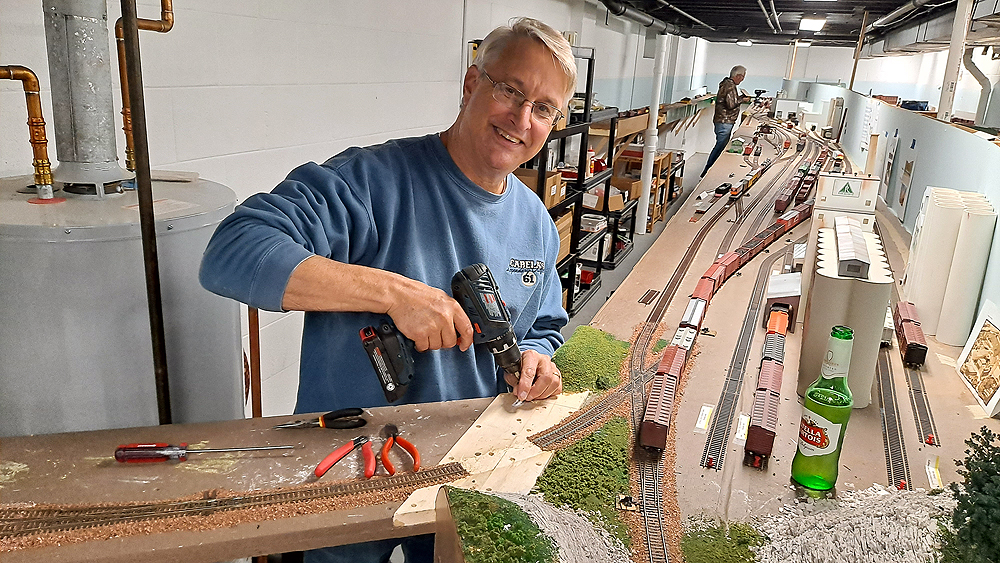
Q: I’m an HO scale modeler and struggling with track laying techniques. I would appreciate guidance on measuring, cutting, and installing flextrack on curves. I’m always disengaging the rails from the ties, and thus having trouble connecting to the next track. Also, when superelevating curves, is it better to attach the risers under the outer rail […]

Read More…

Recreate a prototype photo on your garden railway

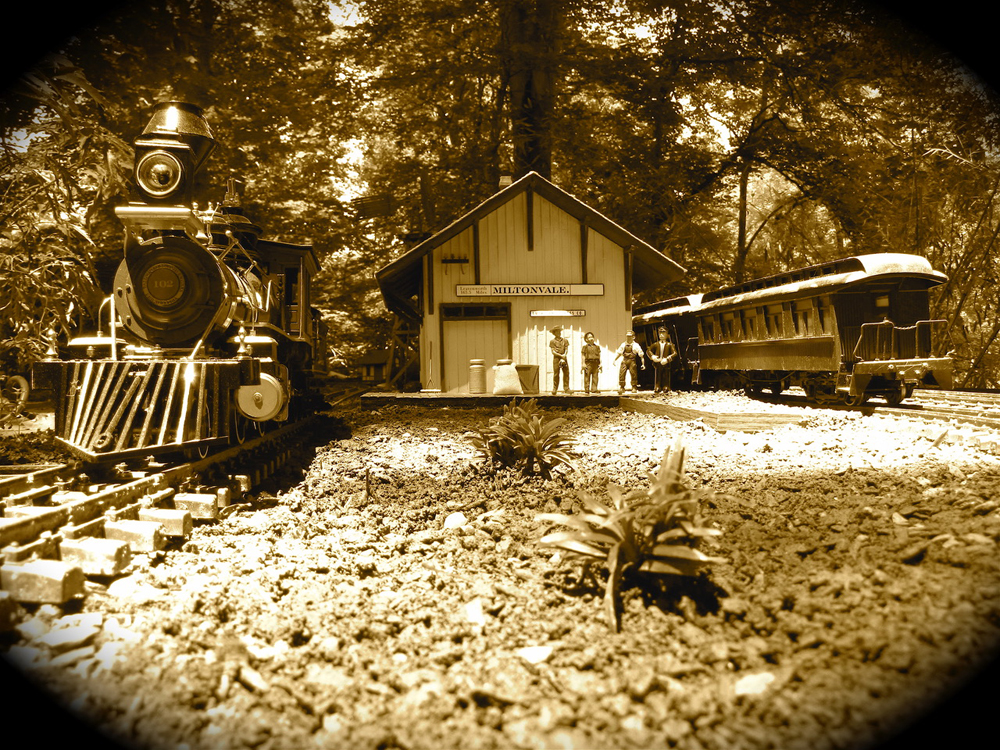
Garden railway scene with a steam locomotive, depot, and several figures in a sepia tone

Recreate a prototype photo: If you are a history nut like me, authenticity is important on your layout. I model the Kansas Central narrow gauge line that tried to build across Kansas in the 1870s to connect with the Denver & Rio Grande in Colorado. It met with competition from the standard gauge Kansas Pacific […]

Read More…

Locomotives in fresh paint — and freight cars too

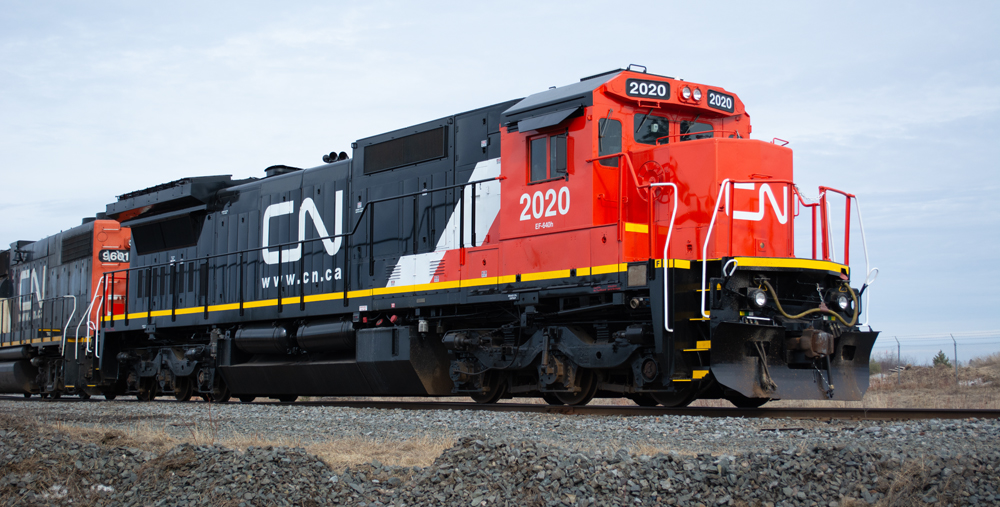
Photo of diesel locomotive painted red, white, and black.

Locomotives and freight cars in fresh paint Locomotives and freight cars in fresh paint. Many modelers, myself included, enjoy accurately weathering locomotives and freight cars. I’ve written several articles on weathering for Model Railroader in my time with the magazine, including “How to weather with acrylics” in May 2016 and “How to weather a covered […]

Read More…

5 tips for moving a layout

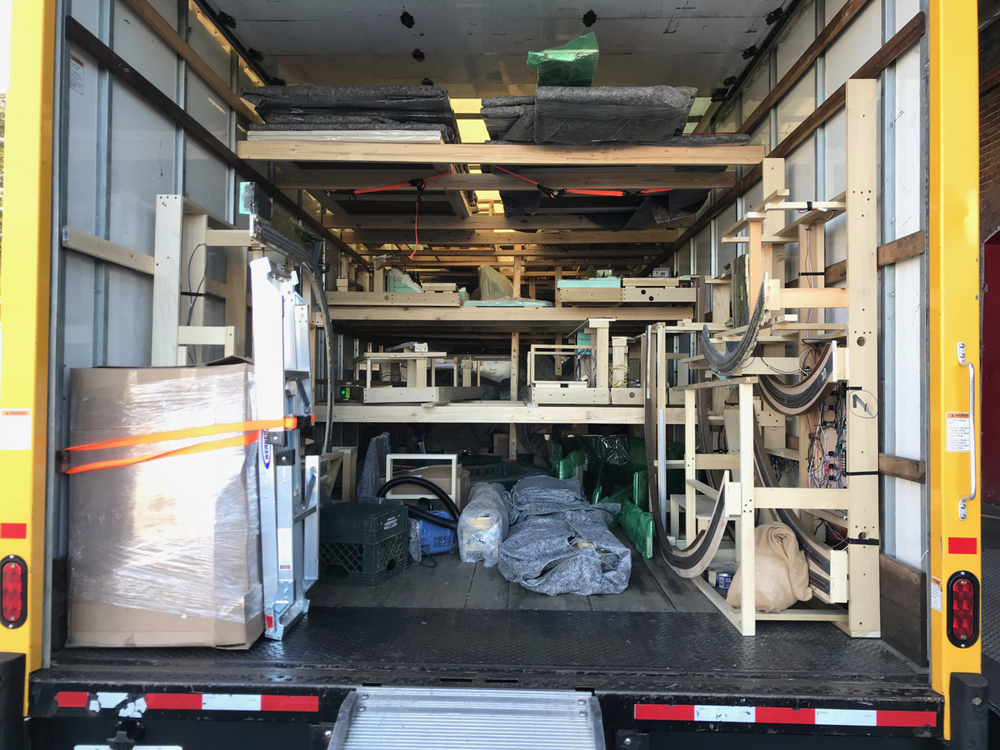
A moving truck packed securely with layout pieces

5 tips for moving a layout Many people spend years building their dream layout in their home, building it in permanently, thinking they will never move. But we know that life happens, and things change. When building your dream layout, even though you’re not planning on moving, build it in sections, so that it can be […]

Read More…

One room, two track plans

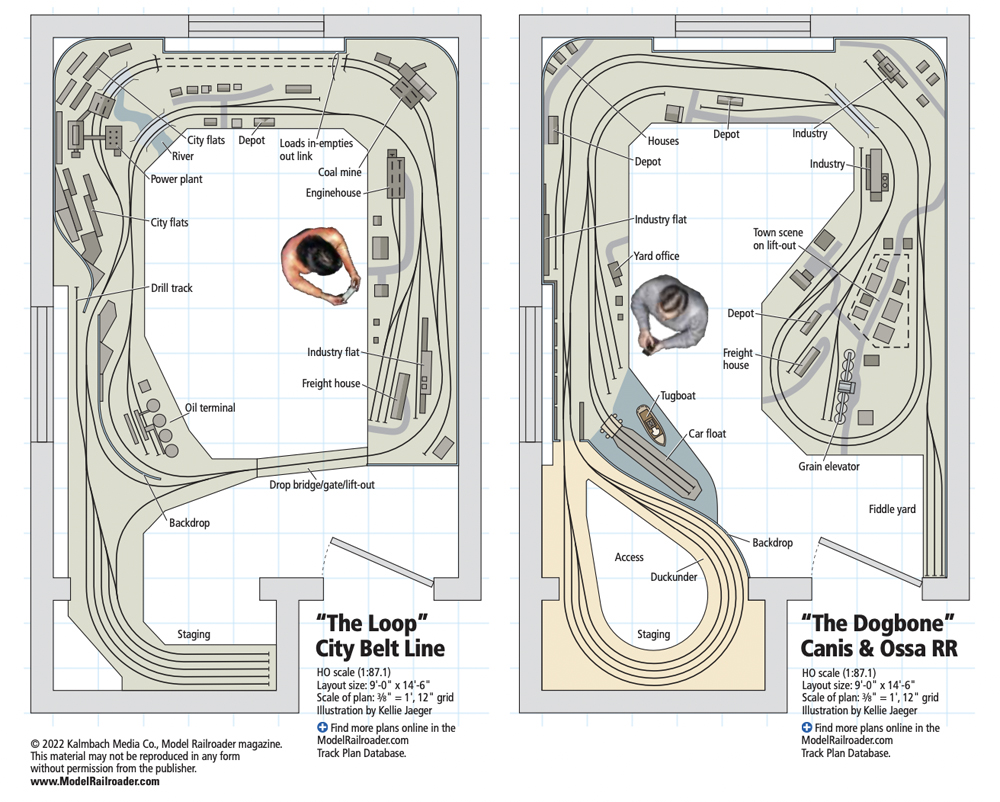
two track plans

Facts & features Name: “The Loop” City Belt Line Scale: HO (1:87.1) Size: 9 x 14 1/2 feet Theme: industrial switching Locale: Midwest Era: 1950s-1960s Style: around-the-walls Mainline run: 30 feet Minimum radius: 18″ Minimum turnout: no. 4 Maximum grade: none Name: “The Dogbone” Canis & Ossa RR Scale: HO (1:87.1) Size: 9 x 14 […]

Read More…

Lloyd Henchey’s HO scale MHO Junction layout

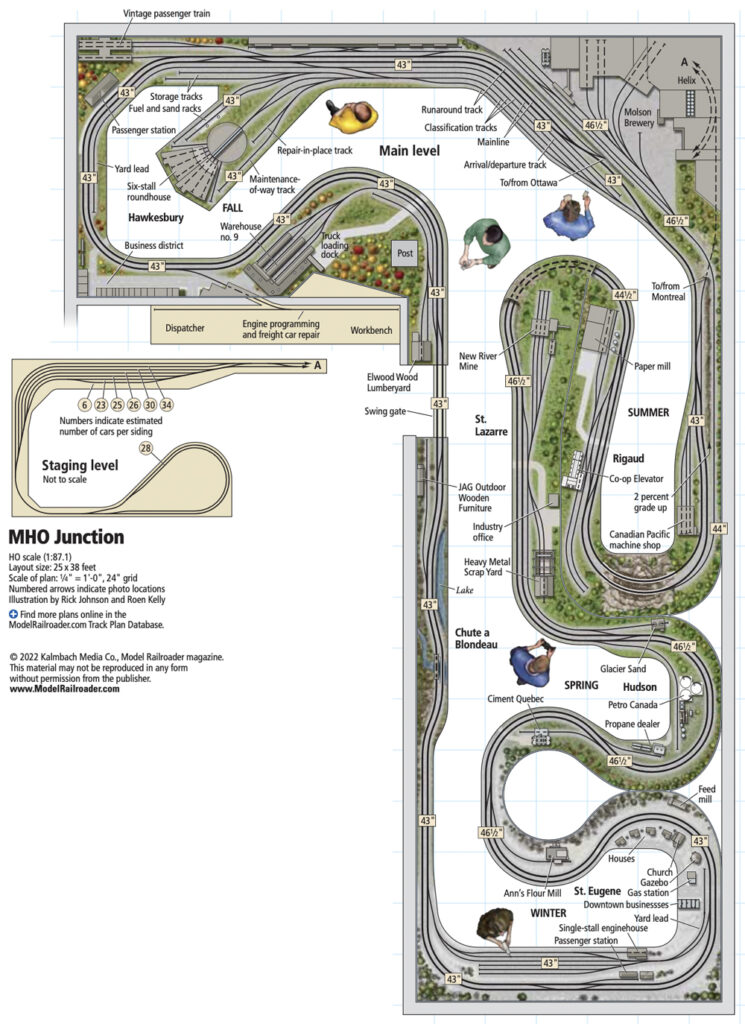
Henchey's track plan

Facts & features Name: MHO Junction Scale: HO (1:87.1) Size: 25 x 38 feet Prototype: 80 percent freelanced, 20 percent prototype (Canadian Pacific and Ontario Northland) Locale: Ontario and Quebec (between Ottawa and Montreal) Era: 1970s Style: walk-in Mainline run: 170 feet Minimum radius: 30″ Minimum turnout: Peco large radius (SL-88 and SL-89) Maximum grade: […]

Read More…

Nassau Lionel Operating Engineers’ O gauge layout

Nassau Lionel Operating Engineers' O gauge layout

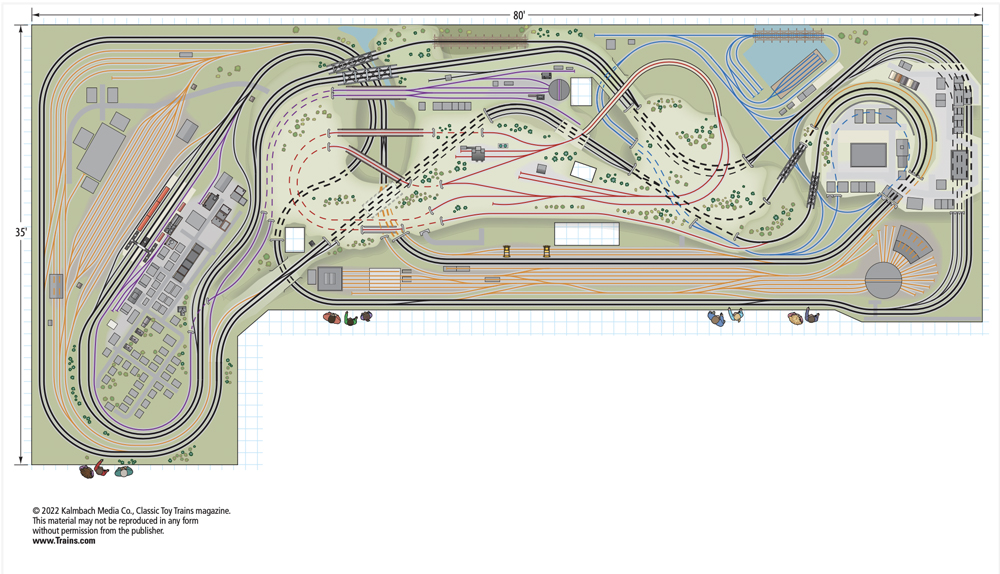
Facts & features Name: Nassau Lionel Operating Engineers’ O gauge layout Dimensions: 35 x 80 feet Track: GarGraves flextrack (maximum diameter is 120 inches) Switch: Curtis Hi-Rail, Ross Custom Switches Motive power: Atlas O, K-Line, Lionel (postwar and modern), MTH, Weaver, Williams Rolling stock: Atlas O, K-Line, Lionel (postwar and modern), MTH, Weaver, Williams Accessories: […]

Read More…

Is removing the flanges from locomotive drivers a good idea?

A short steam locomotive rolls around a curve alongside a water tank in a Western scene

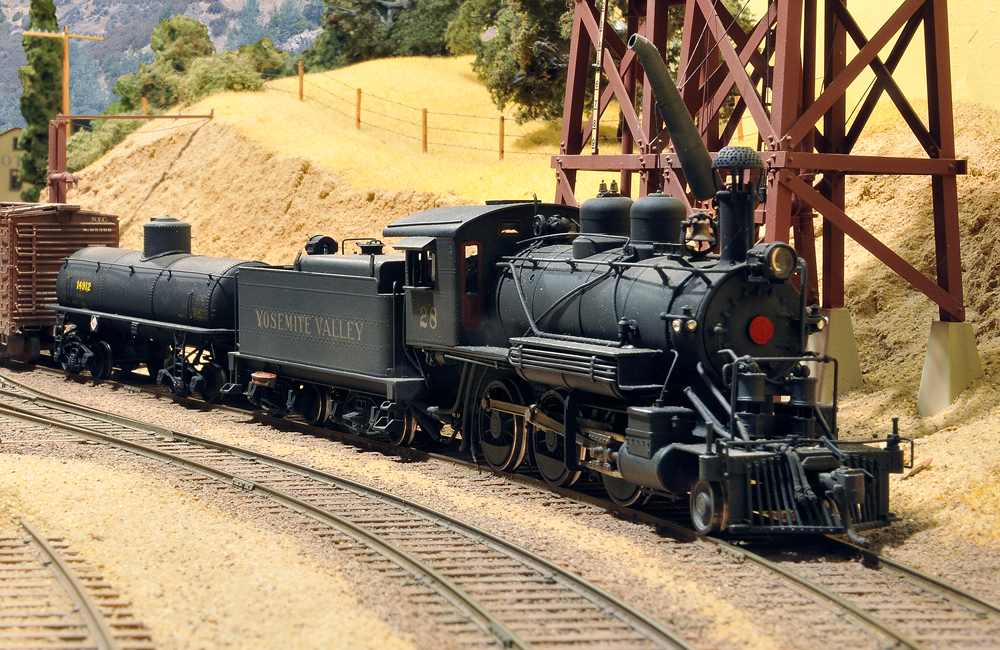
Q: I have a new HO scale 2-6-0 steam locomotive that has trouble negotiating my layout’s 18-inch radius curves. My 4-4-0 locomotive runs fine on the layout. I’ve read that on longer wheelbase locomotives, the center drivers have their wheel flanges removed for tight radius layouts. Is removing the flanges from locomotive drivers a thing to do? Or […]

Read More…