
How to operate steam locomotives on your modern layout
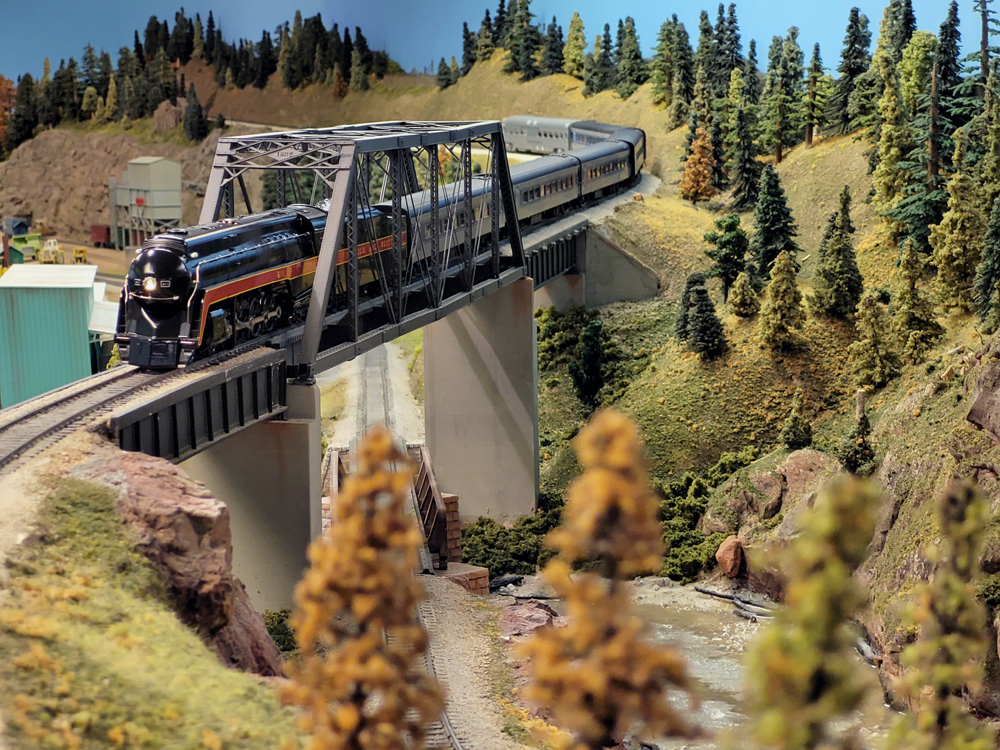
A model steam locomotive pulls a passenger train over a bridge

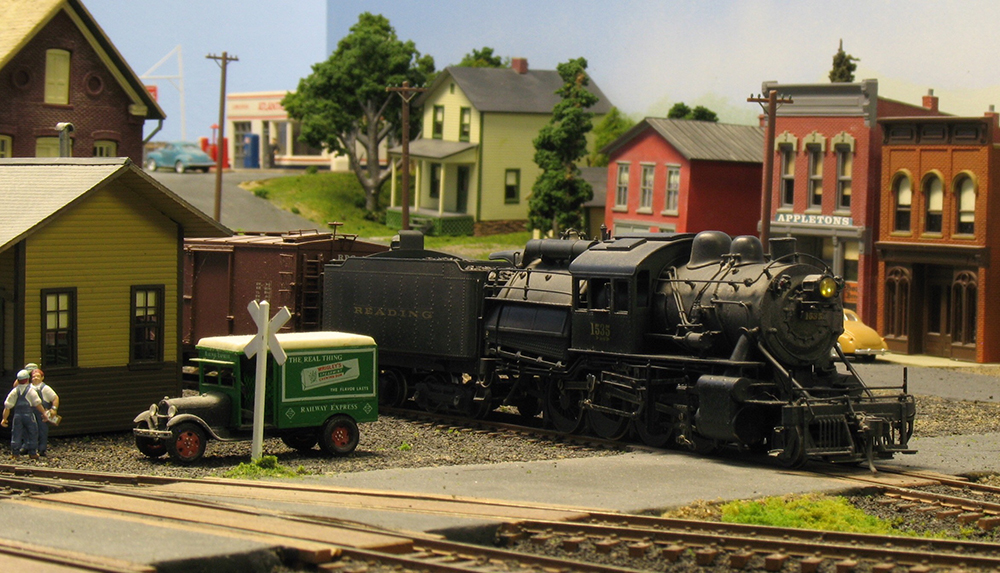
If you model the modern era like me, you may still have some equipment in your collection that doesn’t fit the era. Maybe you are a fan of one of the famous steam locomotives operating today, such as Nickel Plate Road No. 765 or Union Pacific’s Big Boy. Or maybe you have another steam engine […]

Read More…

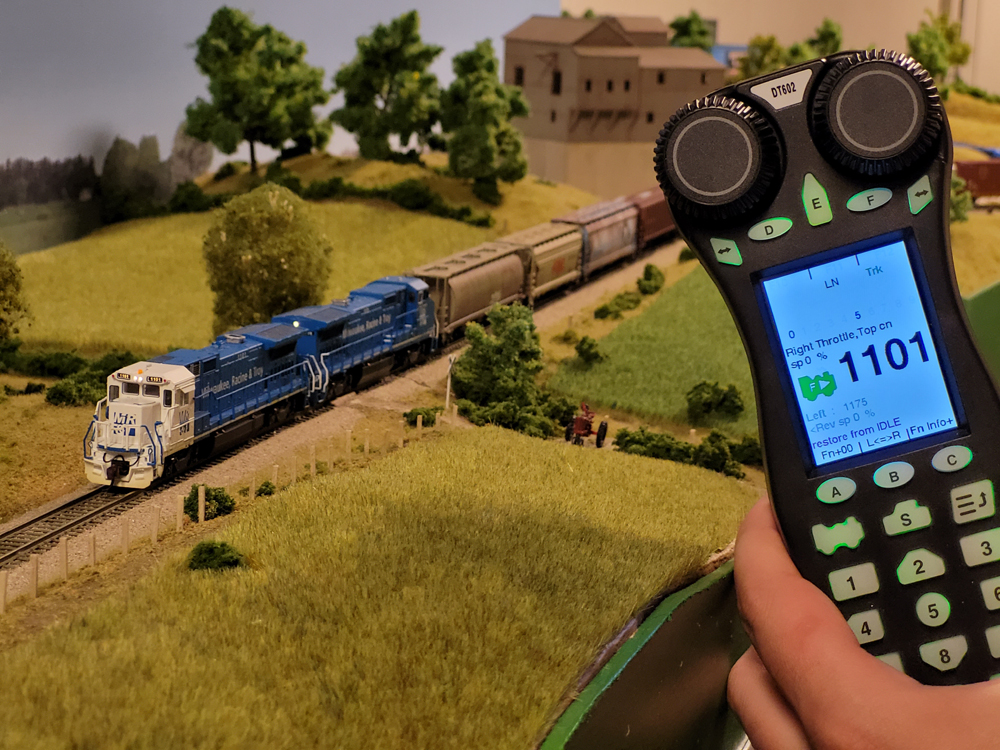
Create a multiple-unit consist using Digitrax

A man holds a model railroad throttle next to a model freight train.

Running a locomotive around a layout is fun, but eventually you may want to make your train to be powered by more than one engine. On the railroad this is called “multiple-unit operation.” If you have two or more DCC-equipped locomotives, you can run your own multiple-unit locomotive consists. This article will explain how to […]

Read More…

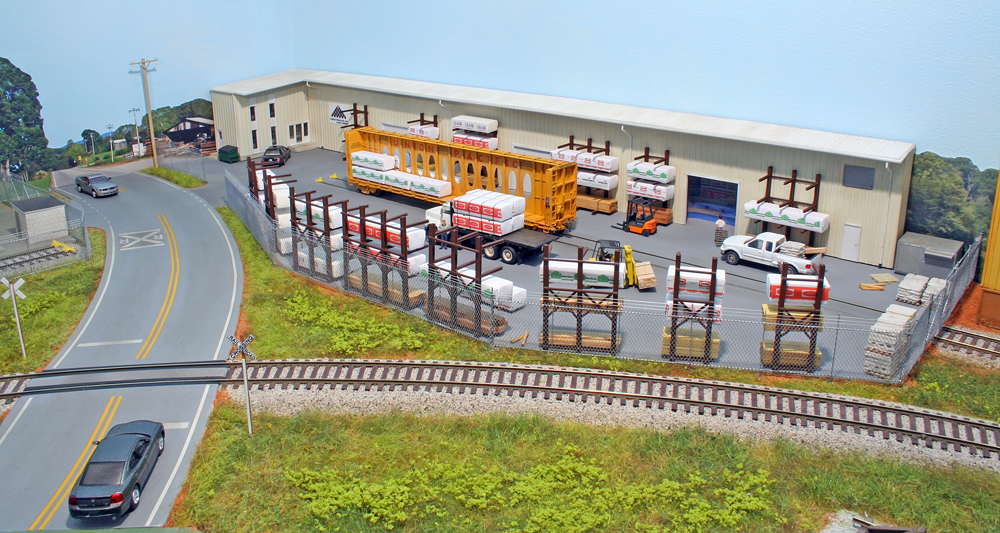
Five industries for small spaces

Color photo of a flatcar at lumberyard on an HO scale layout.

Do you need some industries for small spaces on your model railroad? If you ask modeler railroaders something they’d like to have more of, space will be a common answer. Everything in our hobby takes up space – benchwork, track, structures, and scenery, among other items. When I kick around layout plans for my basement, […]

Read More…

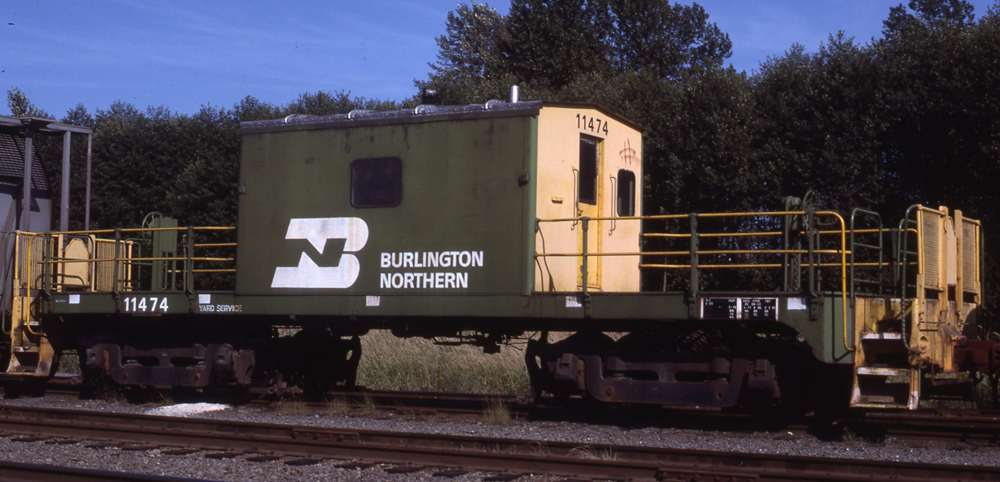
Model a merger-era caboose fleet

Color photo of transfer caboose.

When the Chicago, Burlington & Quincy; Great Northern; Northern Pacific; and Spokane, Portland & Seattle merged to create the Burlington Northern on March 2, 1970, the new railroad had an interesting fleet of cabooses. While there were plenty of cars built by commercial builders, mainly International Car Co., BN’s fleet was also filled with cabooses […]

Read More…

Modeling plate girder bridges

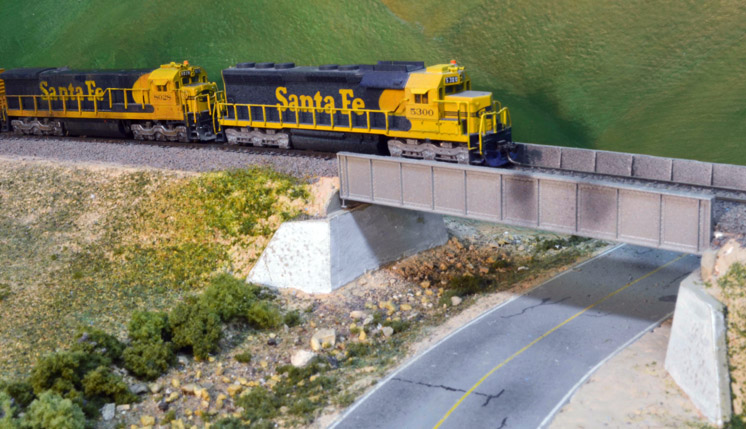
ModelingplategirderbridgesinNscale

Modeling plate girder bridges: The most commonly found type of railroad bridge in the country has to be the good old plate girder. You see them everywhere. They’re simple, inexpensive, and can handle spans up to about 100 feet. (The longer the span, the deeper the sideplates on the bridge.) As long as there are […]

Read More…

Tips for body mounting couplers

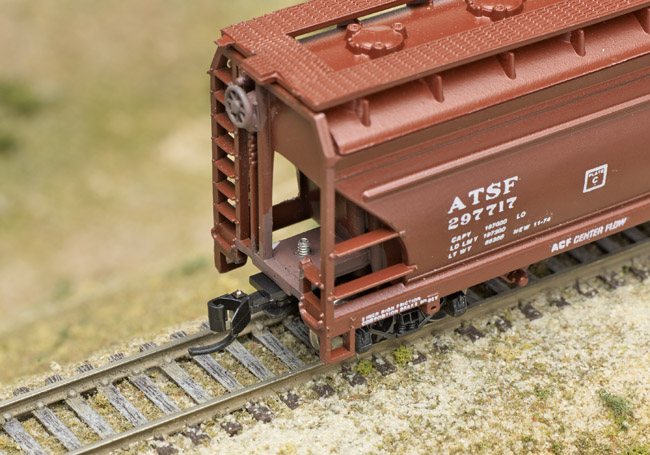
ThisAtlascoveredhopperwasmanufacturedintheearly90sandcamewithtruckmountedRapidostylecouplersBodymountingMicroTrainscouplersimprovedbothitslooksandperformance

Tips for body mounting couplers: “Oh, no,” I can hear you saying, “He’s off on couplers again.” Well, sorry, I am, and perhaps not for the last time. Almost all N scale rolling stock until recently has come with truck-mounted couplers. It’s true that cars so equipped can handle tighter curves, but it’s also true […]

Read More…

How to model railroad signals

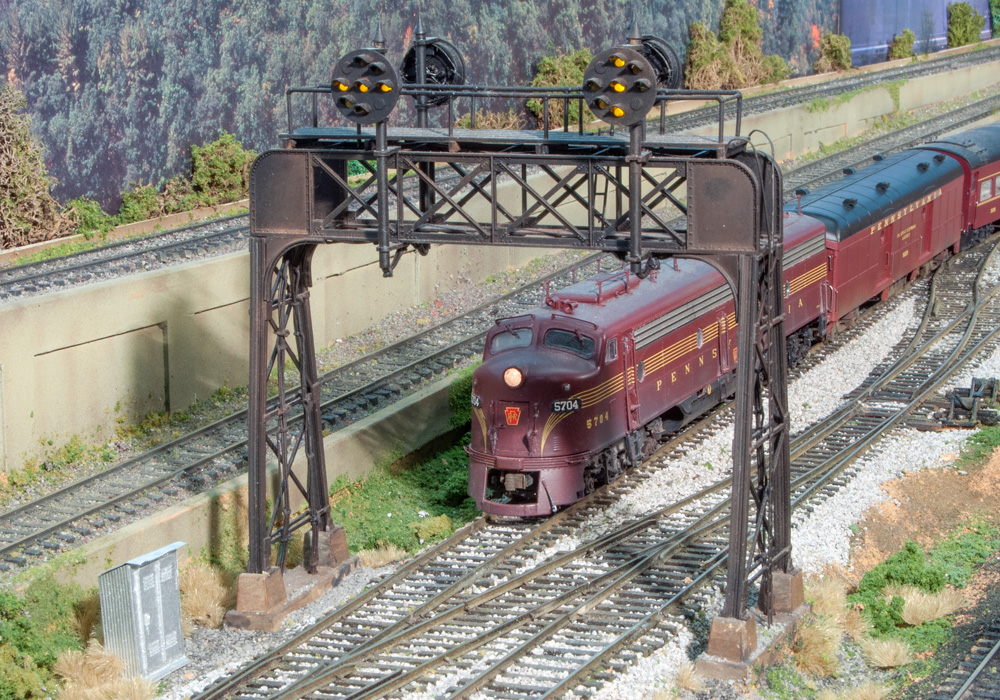
A dark red streamlined diesel leads a train under a signal bridge

Unless you model a short line or branch line that owns only one locomotive, your layout probably needs some kind of model railroad signals. Signals are used to convey information to an engineer about the block of track ahead: whether it’s safe to enter, whether it’s occupied by another train, and how fast it can […]

Read More…

Kid-friendly garden railroading

adult watching two children on garden railway

Kid-friendly garden railroading: We all know that garden railroading is a magical hobby, one that we enjoy sharing with other adult enthusiasts. But have you considered inviting a child to share in the fascination? Kids of any age (and adults too) aren’t given to stand by and idly observe a garden railway. Rather, most would […]

Read More…

Built by Others: Robert Mountenay’s HO scale Merkiomen Valley Branch

Built by Others is an article series showcasing layouts constructed by modelers using plans and projects from the pages of Model Railroader and its associated magazines. The Alkali Central was an HO scale project railroad built by the MR staff and featured in the December 1995 issue. Robert Mountenay adapted the track plan to fit […]

Read More…

Returning a postwar Lionel GP7 to the rails

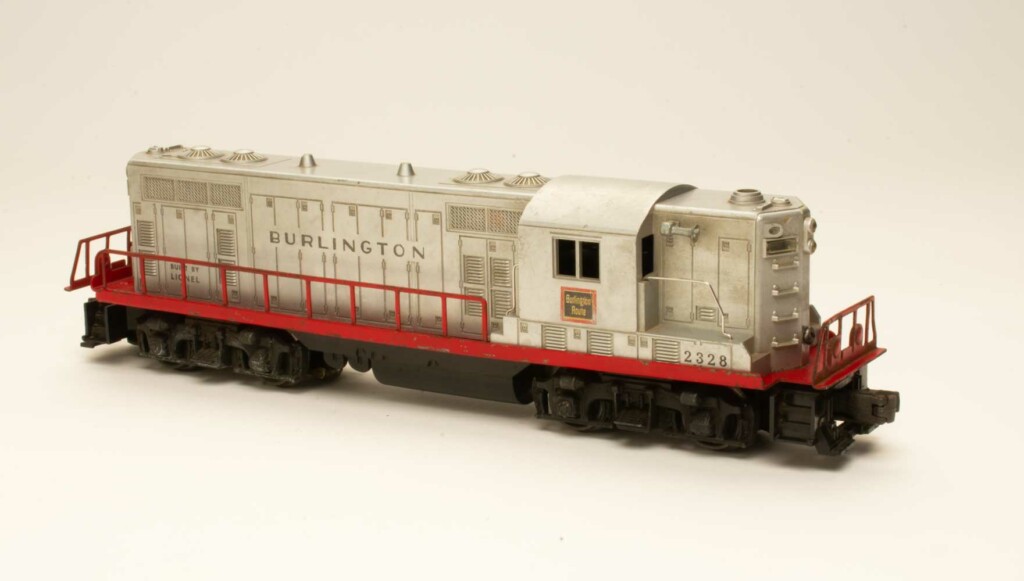
Lionel prewar GP7 in Burlington silver paint scheme

It’s not hard to give a postwar Lionel GP7 a new lease on life. Unless they’ve really been abused, these workhorses can be returned to service with some cleaning, adjustment, and maybe a little lubrication. This particular model had been stored for years in a dry climate. Additionally, the previous owner had removed the D-cell […]

Read More…