
Painting is one of my favorite aspects of the hobby, though I guess that shouldn’t come as a big surprise. My father and grandfather were auto body repairmen, so painting (albeit on vehicles, not model trains) has been a part of my life from an early age. I started airbrushing model trains in my early […]
Tag: How To
The Green Mountain Division of the Boston & Maine in HO scale
Facts and features Name: Green Mountain Division of the Boston & MaineScale: HO (1:87.1)Size: 12′-8″ x 20′-0″ plus 12′-0″ x 30′-0″ additionPrototype: Boston & Maine, Central Vermont, and RutlandLocale: VermontEra: 1950 to 1958Style: Around the wallsMainline run: 120 feet (original), 70 feet (extension)Minimum radius: 28″Minimum turnout: Hand built to fit, most no. 6 with no.4 […]
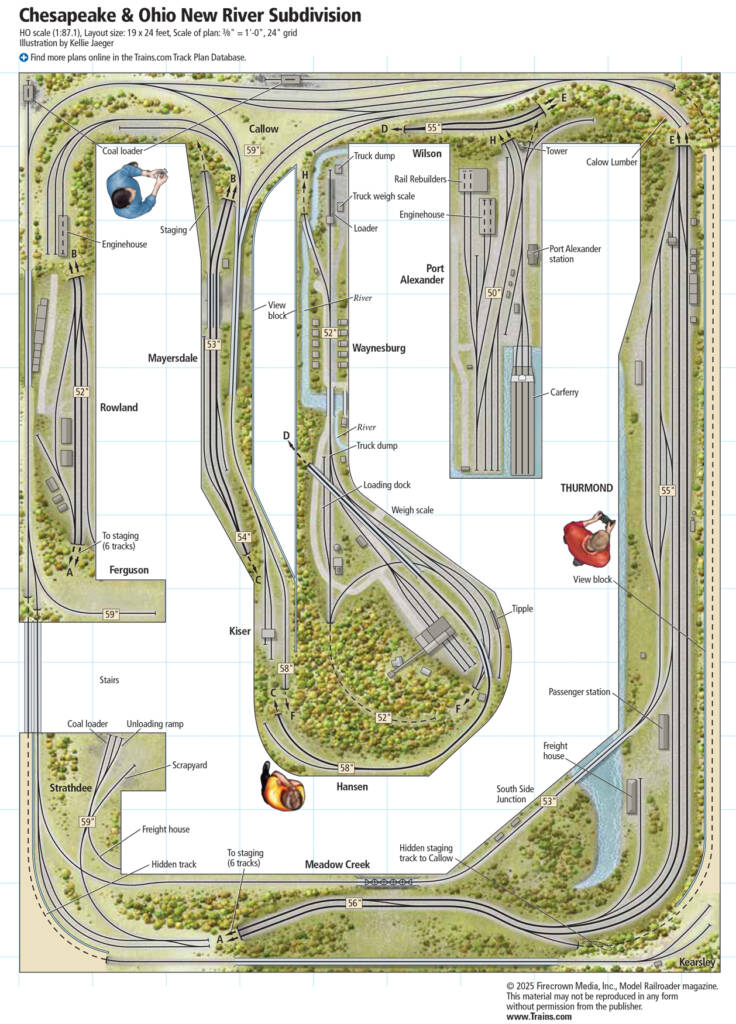
The HO scale Chesapeake & Ohio New River Subdivision layout
Facts and features Name: Chesapeake & Ohio New River Subdivision Scale: HO (1:87.1) Size: 19 x 24 feet Prototype: C&O New River Gorge and coal mine area Locale: Thurmond, W.Va. Era: 1957 Style: walk-in Mainline run: 102 feet Minimum radius: 30″ (24″ in Waynes-burg Mine wye) Minimum turnout: No. 6 Maximum grade: 1∕8″ per foot […]
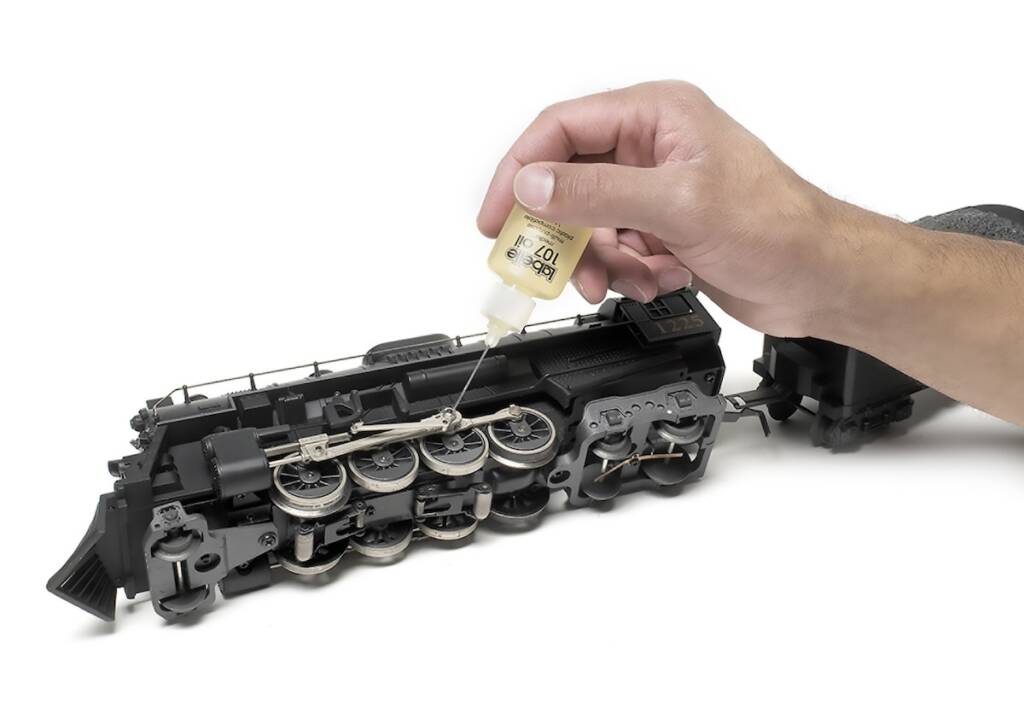
Tune up your toy train equipment
Christmas is just around the corner so it’s time to make sure seasonal train displays are ready to deliver holiday fun – toy train style! Let’s start with locomotives and rolling stock. Inspection, oil, and grease Before trying to run anything, I recommend doing a preliminary inspection. Now is the time to replace broken […]
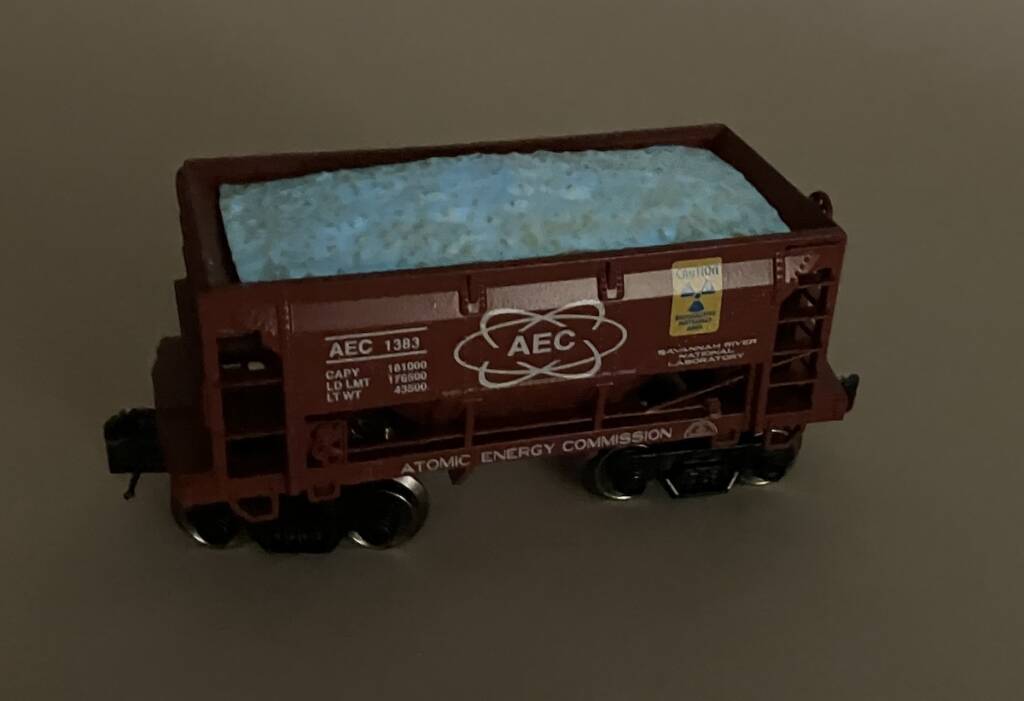
Make a glowing Atomic Energy Commission ore car
Recently, CTT received a box of rolling stock review samples from Ready Made Toys (RMT). Though, there was something about the ore car that caught my attention. The color of the simulated ore reminded me of the glow-in-the-dark acrylic paint you can purchase in craft stores. Wouldn’t it be neat to have a string of […]
Build a simple Arduino-based DCC system
This article will help you build a simple Arduino-based DCC system. Growing up in the 1980s I was living the dream. I had an HO layout on a 4 x 8 sheet of plywood in my parents’ basement in Reading, Pa., a soldering iron, a nearby RadioShack, and a subscription to Model Railroader. My favorite […]
Scuff pads for scenery
Q: I’ve been trying to find the video Cody Grivno hosted a few years ago where he showed how to make a low-profile forest background using, I think, a furnace filter. I’m not talking about making furnace filter pine trees. This was more like cutting a continuous row of tree tops out of filter material […]
10 railroads, 1 layout: A look at the HO scale Sunset Valley Oregon System
You never know where change will lead you. What started out as an attempt to fine-tune my existing HO scale layout ended with a new house and a 2,600 square-foot, four-deck model railroad – the Sunset Valley Oregon System (SVOS). I started my previous Sunset Valley (SV) layout in 1959 and worked on it for […]
Must-have products for a Burlington Northern layout
The Burlington Northern RR began operations in March 1970, the product of a merger between the Chicago, Burlington & Quincy; Great Northern; Northern Pacific; and Spokane, Portland & Seattle. It was also the railroad I grew up with in Crookston, Minn., my hometown in northwest Minnesota. For many years, I’ve been researching the early years […]
Scratchbuilding from photographs
When I first started work on my layout, I built wood and plastic structure kits. I quickly grew frustrated with these buildings as few of them represented those found in Appalachia and along the Chesapeake & Ohio. Considering the lack of accurate building available on the marktet, I began scratchbuilding my own structures from wood […]
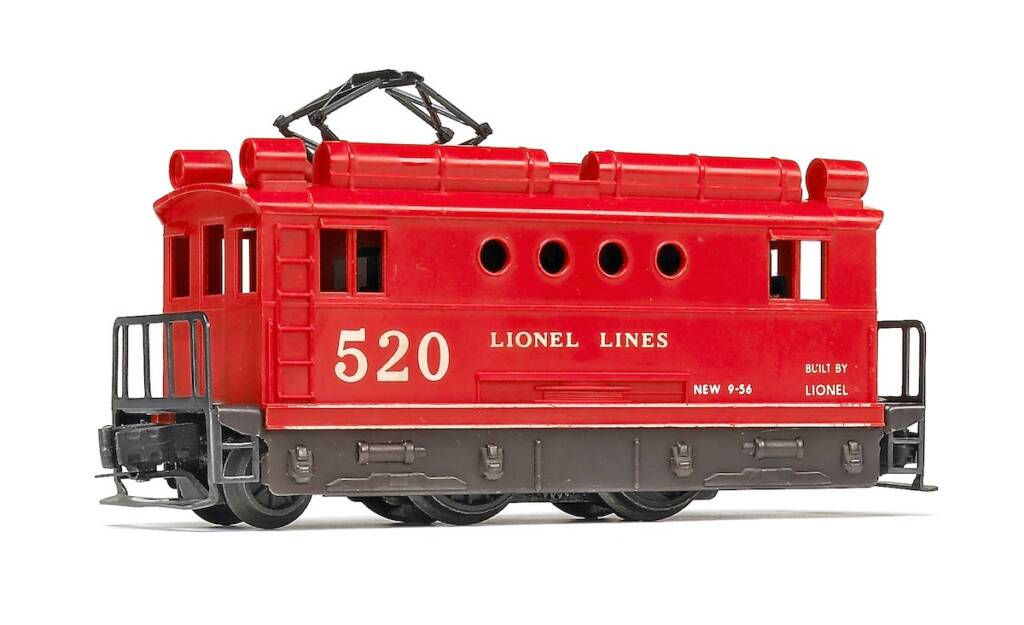
Lionel’s No. 520 Lionel Lines Boxcab Electric
Lionel’s No. 520 Lionel Lines Boxcab Electric stands out among other postwar O-27 locomotives because there is so much about it that’s different from what you find on other models from that celebrated era of production. The 520 is far from scarce and so is commonly overlooked by avid collectors and operators of postwar trains. […]
How to use servos on your layout
I enjoy animating scenes on my O gauge layout, and have come across a great way to get slower, more-precise realistic action: using servos. A servomotor, or servo, is a small, inexpensive device that provides control over the position, speed, and acceleration of a mechanical system. The device is readily available, easy to program, and […]