
American Flyer No. 647 Northern Pacific refrigerator car

Flyer No. 647 Northern Pacific refrigerator car
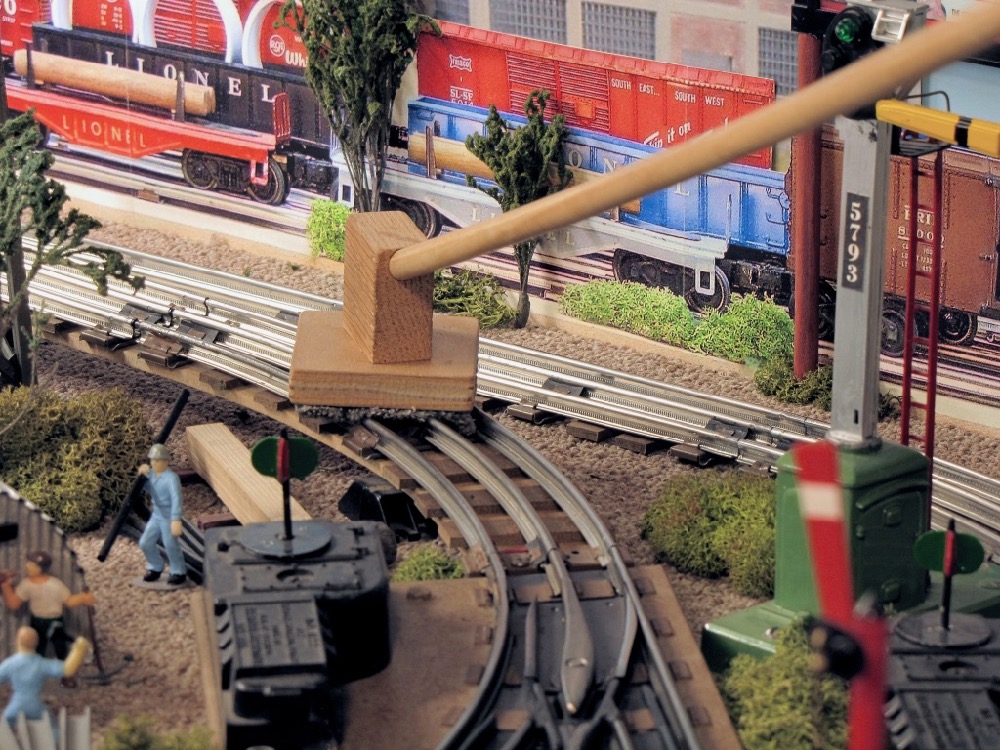
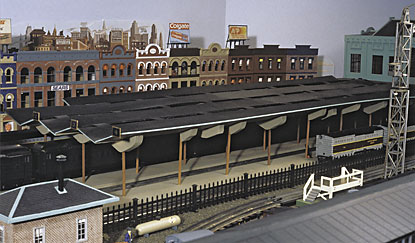
Glancing at the catalogs put out by the A.C. Gilbert Co. and the Lionel Corp. from 1952 or ’55 or ’58, you notice how similar the product lines were. Both Gilbert, which developed the American Flyer line of S gauge trains, and its rival marketed train sets at various price points to entice households with […]

Read More…

How to replace the battery in an older MTH engine

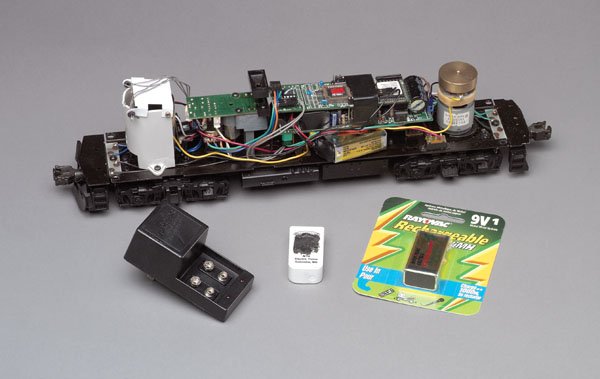
locomotive with shell off, battery packs

The age of miniscule computer chips has delivered sweet sounds to modern toy train locomotives. But such systems can add a sour note when they start acting “funny.” MTH’s original ProtoSound and ProtoSound 2.0 systems can create great anxiety when the systems backfire. The culprit is often a component that’s hardly hi-tech. It’s the battery. […]

Read More…

Tips to restore conductivity on your tubular track

dress_up_tubularjuice

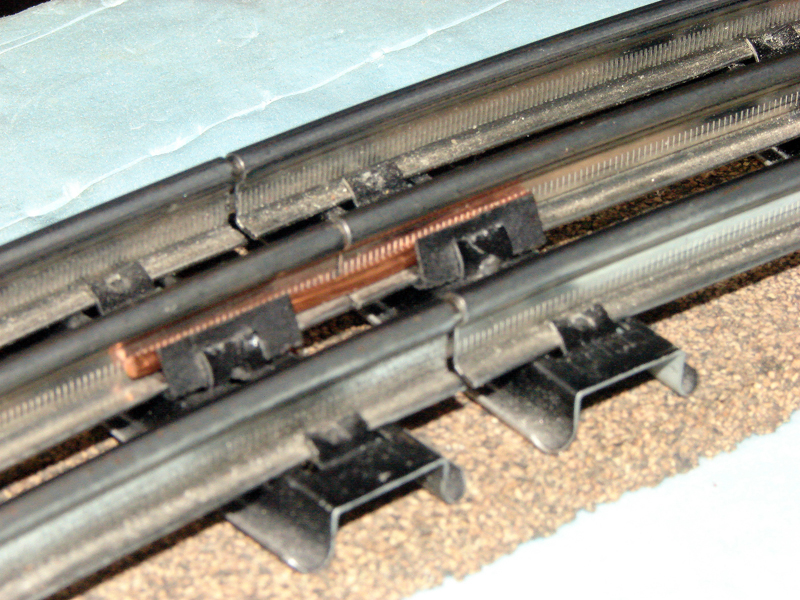
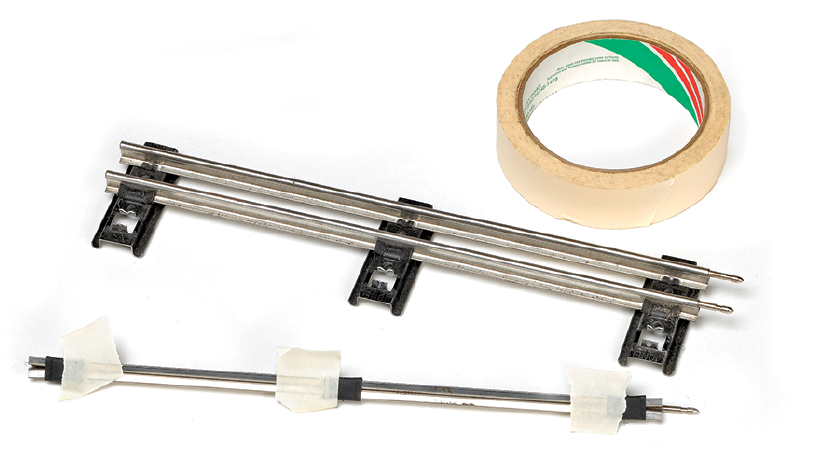
One of the common drawbacks of tubular track, particularly older pieces, is inconsistent electrical conductivity. This is caused primarily by corrosion inside the rails interfering with the flow of power through the track pins. I tried a number of solutions, including soldering track together (bad idea), running jumper wires from center rail to center rail, […]

Read More…

How to make an insulated track section with tubular track

1Insulatingtubetrack

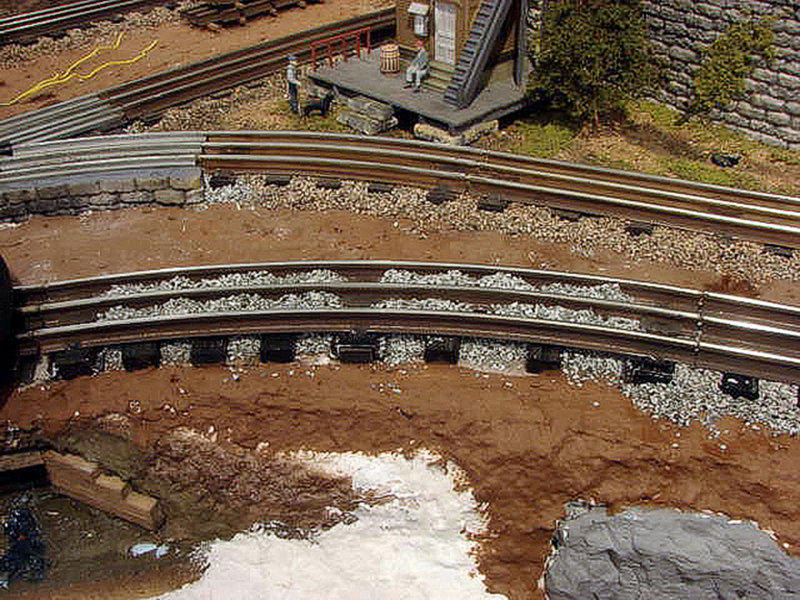
In the less technologically complex postwar era, the two most popular ways to activate such trackside devices from Lionel as grade crossing lights and block signals were the nos. 145C, 153C, and 1045C contactors (devices that used a train passing over the contactor to power a circuit) and the insulated track section. Over time, the […]

Read More…

Knowing what to collect when collecting toy trains and electric trains

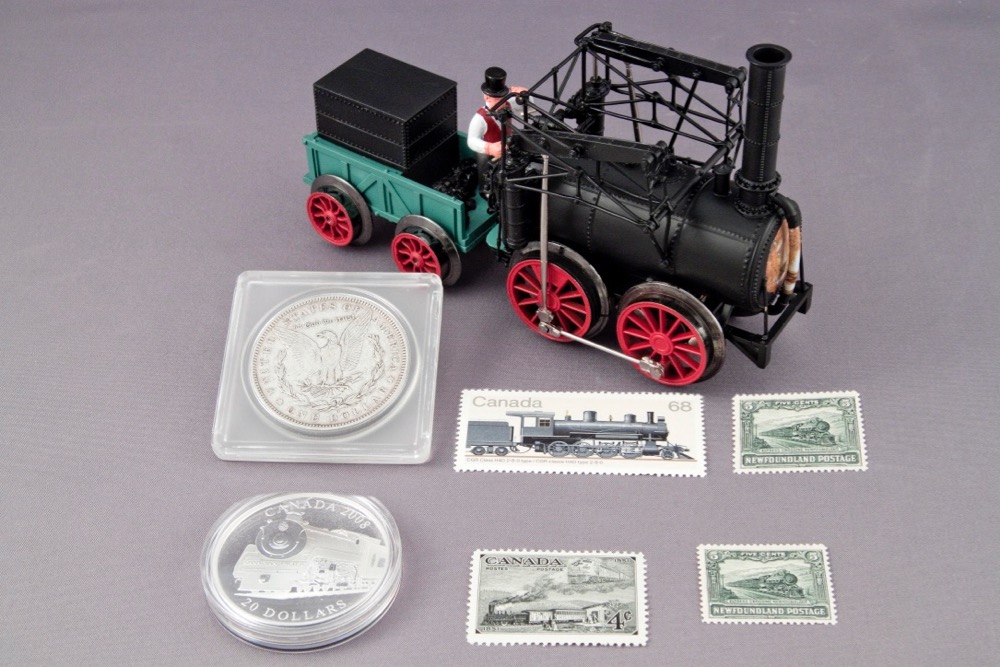
A model of an early looking toy train, an old U.S. silver dollar, a Canadian coin, and postage stamps from Canada.

People collect almost everything imaginable — bottle caps, Cadillacs, pieces of string, sheet music to sing — and of course, toy trains. There are almost as many answers as to why we collect as there are collectors, but the reasons generally fall into two major categories: love of the object and expectation of financial reward. […]

Read More…

Learning to use a track template

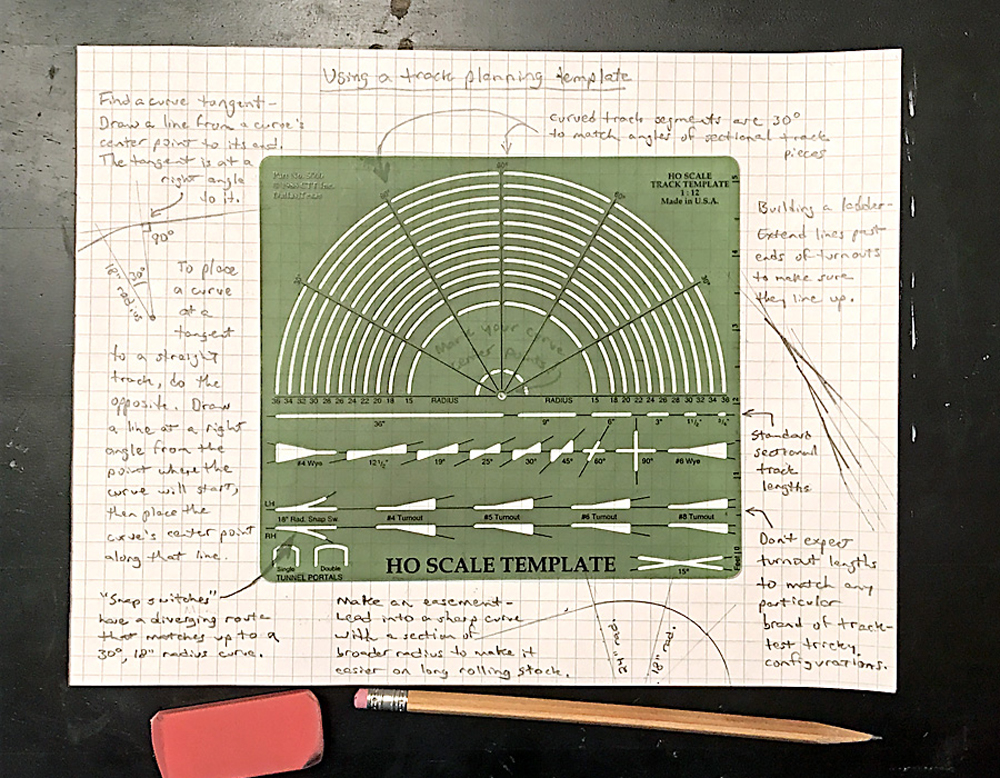
A translucent green track-planning stencil is surrounded by notes and diagrams

Sketching with Steve Introduction to track templates Learning to use a track template was among the first tasks I gave myself as a model railroader. You may have seen one of them hanging next to the register in your local hobby shop. Perhaps, in these days of point-and-click track-planning software, you thought it was a […]

Read More…

How to ballast Kato N scale Unitrack

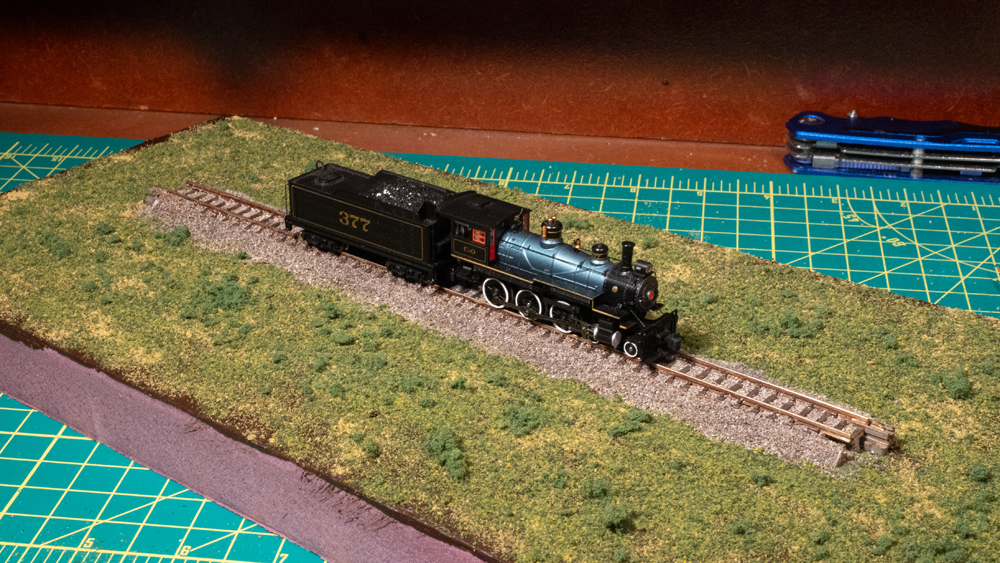
A steam locomotive sits on a diorama base with ballasted track.

I can’t deny that I love Kato Unitrack. Its ease of operation, solid electrical contact, top-notch quality, and quick setup time make it irresistible to me. And unlike other plastic roadbed track brands and products, it has more prototypical dimensions. But there’s also no denying that straight out of the box it looks toy-like, a […]

Read More…

What is zinc pest?

Close-up of a bad Lionel wheel with zinc pest

You may have heard the term “zinc pest,” or maybe “zinc rot” or “zamak pest,” but what is zinc pest? And how does it affect toy trains? In the earlier days of toy train manufacturing, trains and their parts were diecast with alloy metals, made from zinc, aluminum, magnesium, and copper. It was an inexpensive […]

Read More…