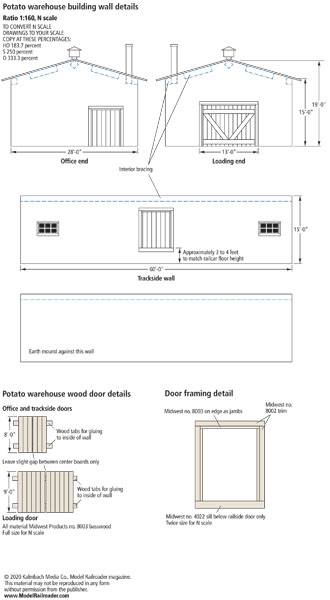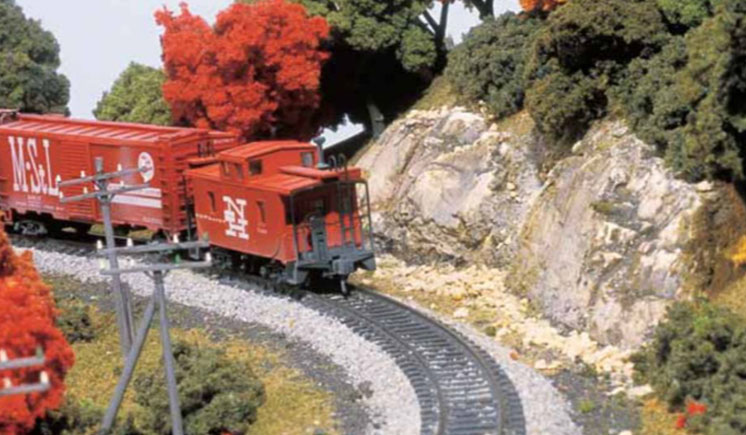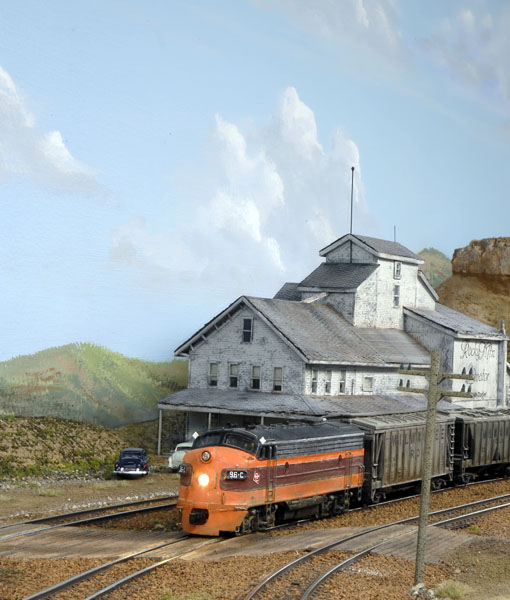

CSX switching layout in HO scale in 12 square feet
CSX Ridgecrest

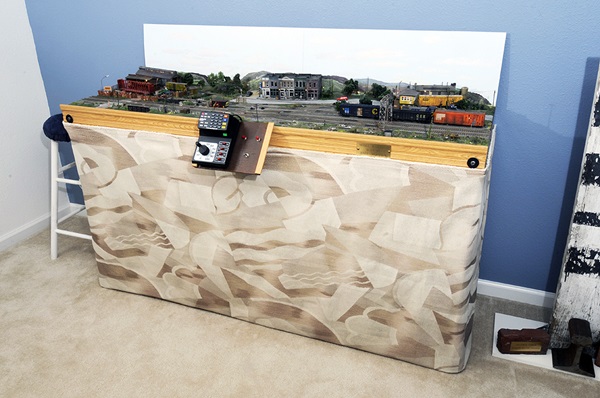
A version of this article appeared in Model Railroader’s special issue from 2018: Build a Small Railroad. In today’s world of trains, big 6-axle locomotives, and flashing red lights replacing cabooses, it’s comforting to know that spotting a single boxcar at a warehouse is still an integral part of railroading. Designing the module As I […]

Read More…

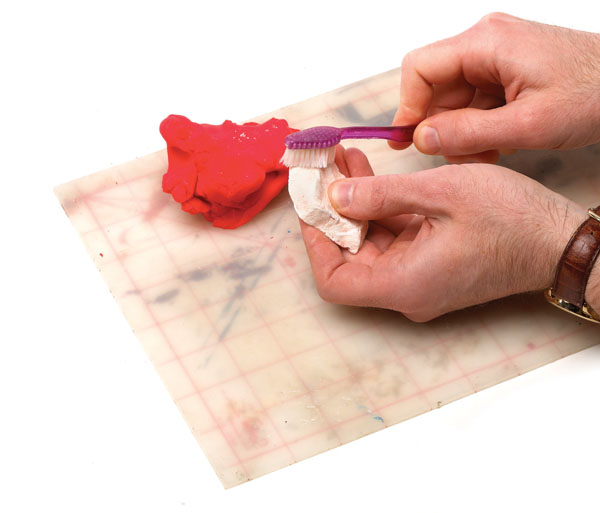
DIY rock molds from Play-Doh

Hands packing Play Doh into rock mold

Use this quick tip to make custom rock molds for realistic model railroad scenery Want to make unique rock castings? Here’s an interesting method that was featured in the March 2002 Classic Toy Trains. Play-Doh, a children’s modeling toy, is a great one-time-use mold-making material. It’s water-soluble, easy to work with, and reproduces crisp details […]

Read More…

How to choose a scale: A garden railroader’s guide

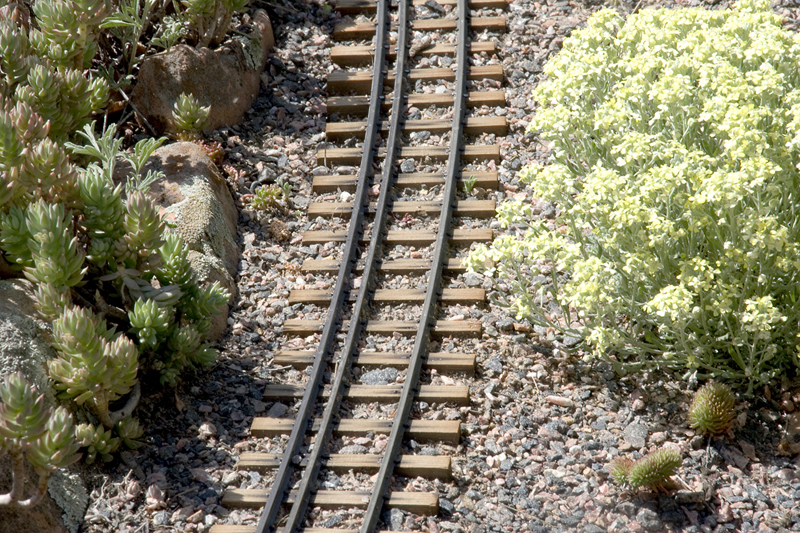
common_scales3

This three-rail track incorporates two different gauges—0 gauge and 1-gauge. Trains in 16mm-scale (1:19) and 15mm-scale (1:20.3) are equally at home on these rails. Marc Horovitz Download the PDF here. Let’s look at the various scales available and list their characteristics, with an eye to finding their advantages and disadvantages. As mentioned above, the thing […]

Read More…

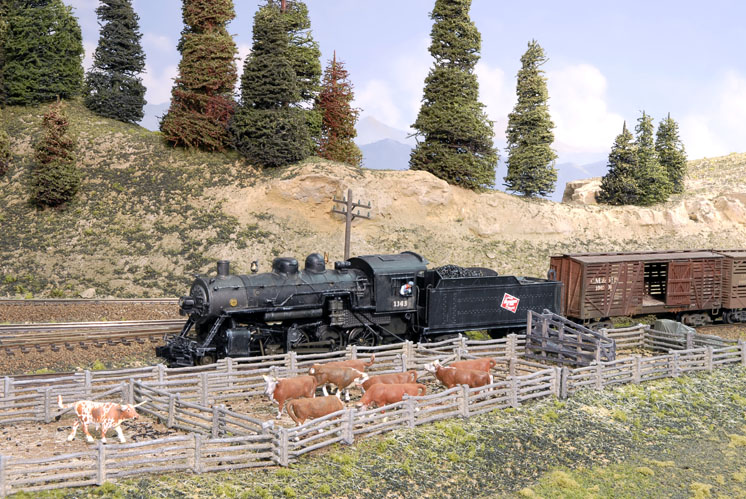
Modeling steers and bulls

DanLewisNscaleMilwaukeeRoadNorthMontanaLine_06

Most N scale bovines offered by figure manufacturers are milk cows, but the Montana cattle industry requires steers and bulls, too. Dan Lewis uses wire and Microscale Kristal Kleer to turn cows into bulls, as well as to model longhorns, on his N scale Milwaukee Road North Montana Line. One problem I encountered with commercially […]

Read More…

Modeling tip: Extra flags for locomotives

DanLewisNscaleMilwaukeeRoadNorthMontanaLine_07

A feature one doesn’t see modeled very often is white extra flags. On a line like the North Montana that hosted mostly time freights, extra trains carrying livestock and grain were seasonal. Extra flags can be easily made from .008″ brass wire and small squares cut from white tissue paper. After gluing the flags onto […]

Read More…

How-To Library: Spaces To Places II: Building Eagle Lake, Part 3 Road Construction

Gerry Leone working on street details.

Having trouble viewing this video?   Please visit our Video FAQ page   Gerry Leone is back on the streets again. In this episode, he shares how to scribe cracks into concrete roads; apply a realistic, aged concrete color; include brick pavement; and add a dirt alley between buildings. […]

Read More…

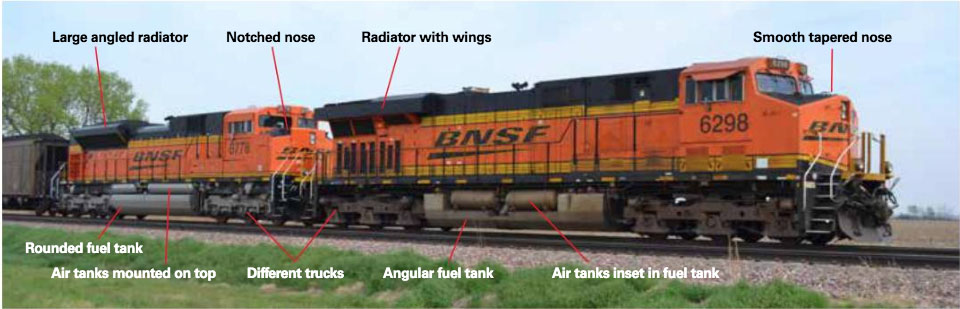
Tips for identifying modern diesel locomotives

Moderndieselidentification

Many readers have asked how we identify the current crop of big, modern road diesels. Unfortunately, it isn’t easy, as many locomotive designs have evolved into a family of similar looking locomotives. This means modelers have to study the details to figure out what locomotive is represented by a specific scale model. Comparing the model […]

Read More…

Video 101: Along the line

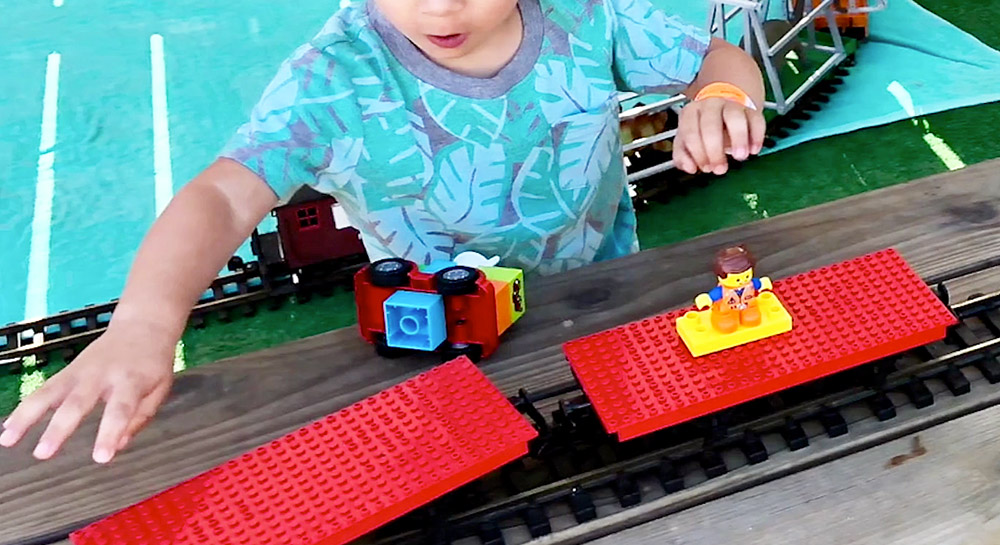
boy playing with a Lego train

We continually search for ways to encourage children to interact with the trains on Train Days at the Children’s Museum of Sonoma County (California). While it’s wise to keep the kids and adults at a safe distance from the live steam exhibit, the museum’s large collection of Brio train parts, the ride-on train in the […]

Read More…

Video 101: Along the line

boy playing with a Lego train

We continually search for ways to encourage children to interact with the trains on Train Days at the Children’s Museum of Sonoma County (California). While it’s wise to keep the kids and adults at a safe distance from the live steam exhibit, the museum’s large collection of Brio train parts, the ride-on train in the […]

Read More…

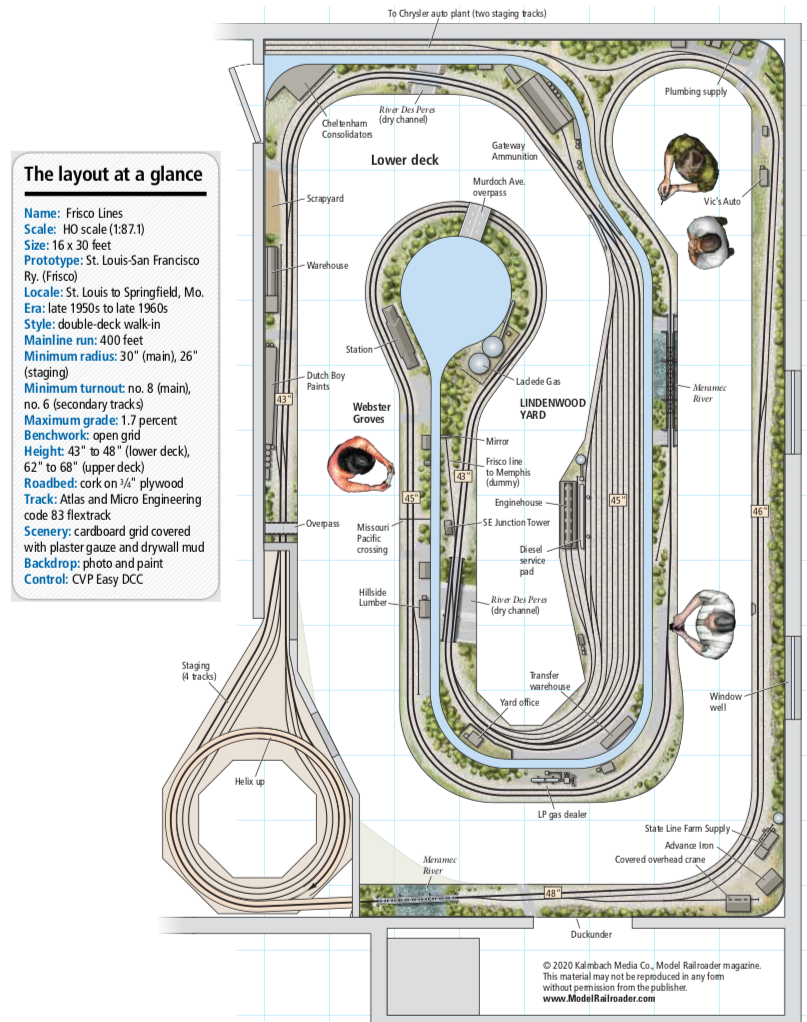
HO scale Frisco Lines

One of two pages showing a complicated large room track plan.

Layout at a glance Name: Frisco Lines Layout owner: John Peluso Scale: HO scale (1:87.1) Size: 16 x 30 feet Prototype: St. Louis-San Francisco Ry. (Frisco) Locale: St. Louis to Springfield, Mo. Era: late 1950s to late 1960s Style: double-deck walk-in Mainline run: 400 feet Minimum radius: 30″ (main), 26″ (staging) Minimum turnout: no. 8 […]

Read More…