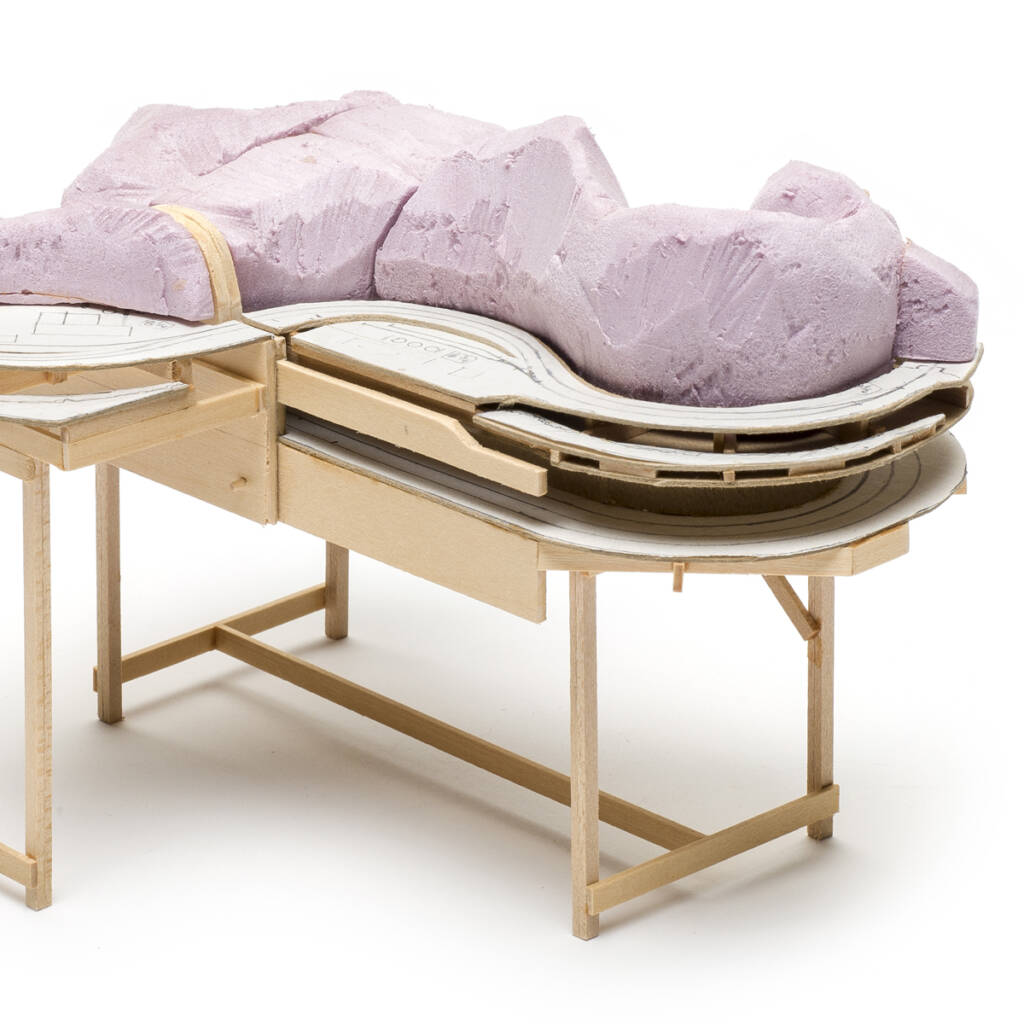

Q: I am working on a track plan for my first real layout. I have looked through various layout plans in the database and see where elevations have been labeled along the routes. How does one go from a two-dimensional drawing to a three-dimensional layout? — Jesse Brinson A: I asked Model Railroader Consulting Editor […]
Tag: How To
Six tips for hosting an open house
You’re layout is (mostly) complete, or maybe you’ve set up a temporary or holiday display. Perhaps you’d like to host an open house to share your layout. Now what? Don’t worry–we’ve got you covered with this list of things to consider before scheduling your first open house. Tidy up Take some time to clean or […]
The history of toy train lithography
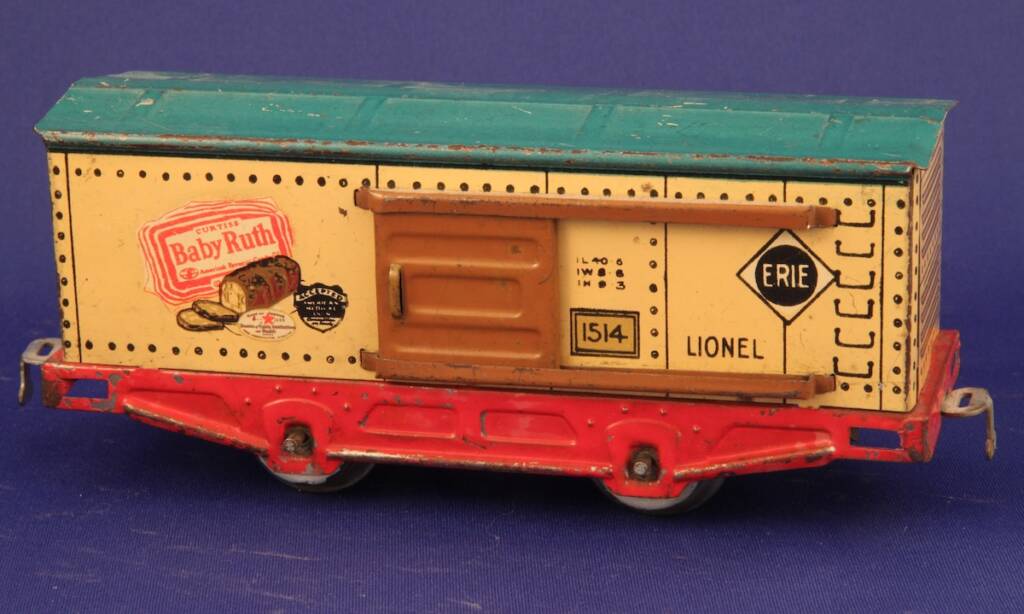
During the first three decades of the 20th century, most toy train manufacturers simulated the appearance of prototype railroad cars by decorating them with realistic heralds and complex decoration. The secret to producing these cars economically was a process called lithography, in which images are transferred from smooth stone plates to another surface, such as […]
Lionel’s No. 9186 Conrail porthole caboose
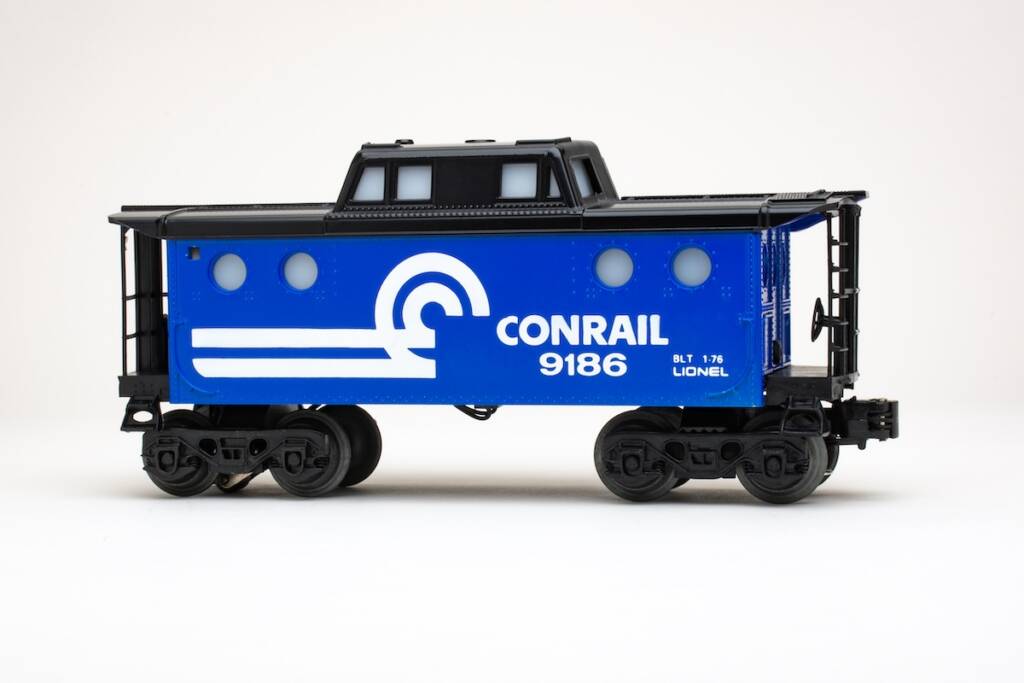
Railroads changed almost endlessly in 20th-century America, due to bankruptcies, mergers, and takeovers. Regional lines combined to improve efficiency, retain customers, and upgrade their rosters; larger ones blended their networks of rails and brought employees together to remain profitable and counter big rivals. Among the most significant of those changes was the formation of Conrail […]
How to preserve a favorite model
Model railroaders are model builders, and sometimes we build models for layouts that aren’t there anymore, and the old models lose their spot. We like our models, but we don’t have a use for them in any of our new projects, so they go into boxes and get stored under our layouts, slowly disintegrating. I […]
Nickel Plate Road caboose red
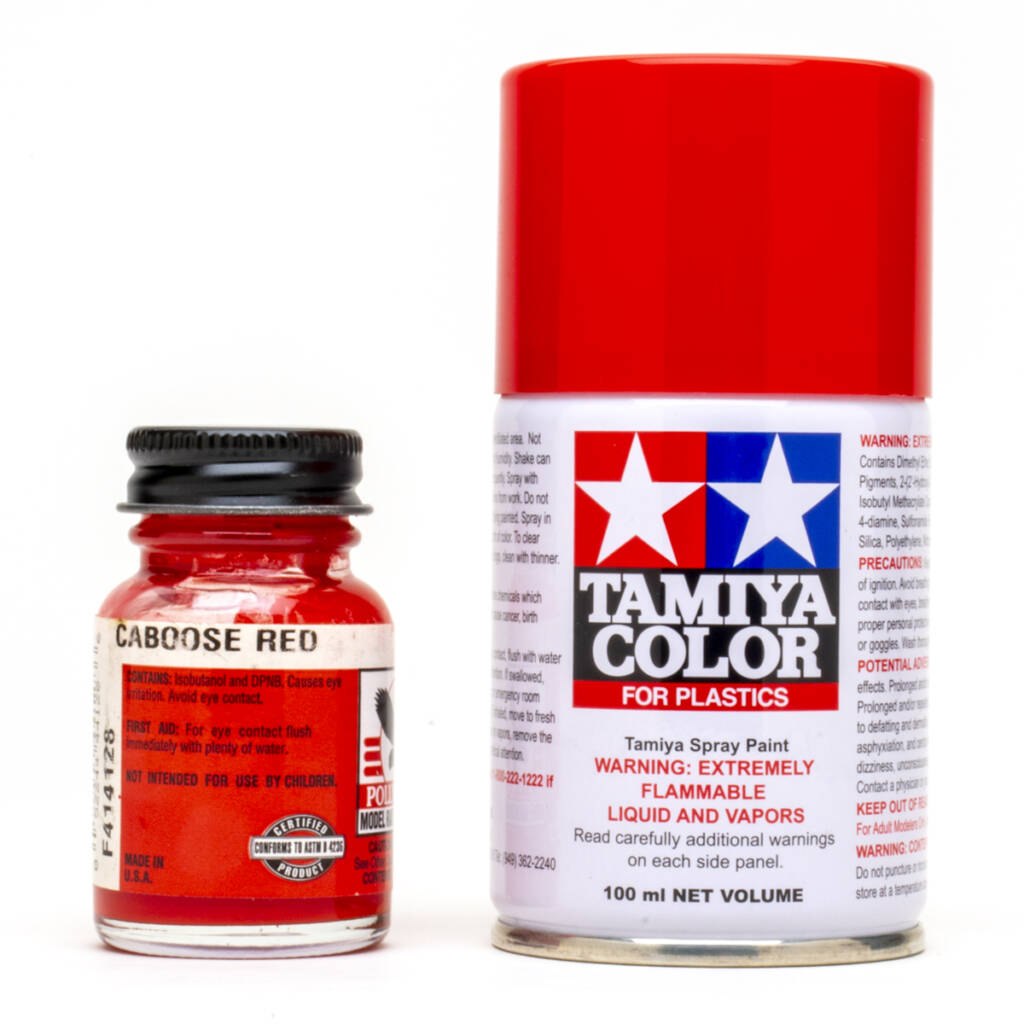
Q: I want to know if anyone has a good red that matches closely with the one used on Nickel Plate Road 1000-series wood cabooses. I’m buying a 3D-printed kit and don’t think the colors I have found match that well. Curious if anyone could help me out? — Jack_Kemp_IV, via the MR Forums A: […]
Walt Hiteshew’s O gauge layout
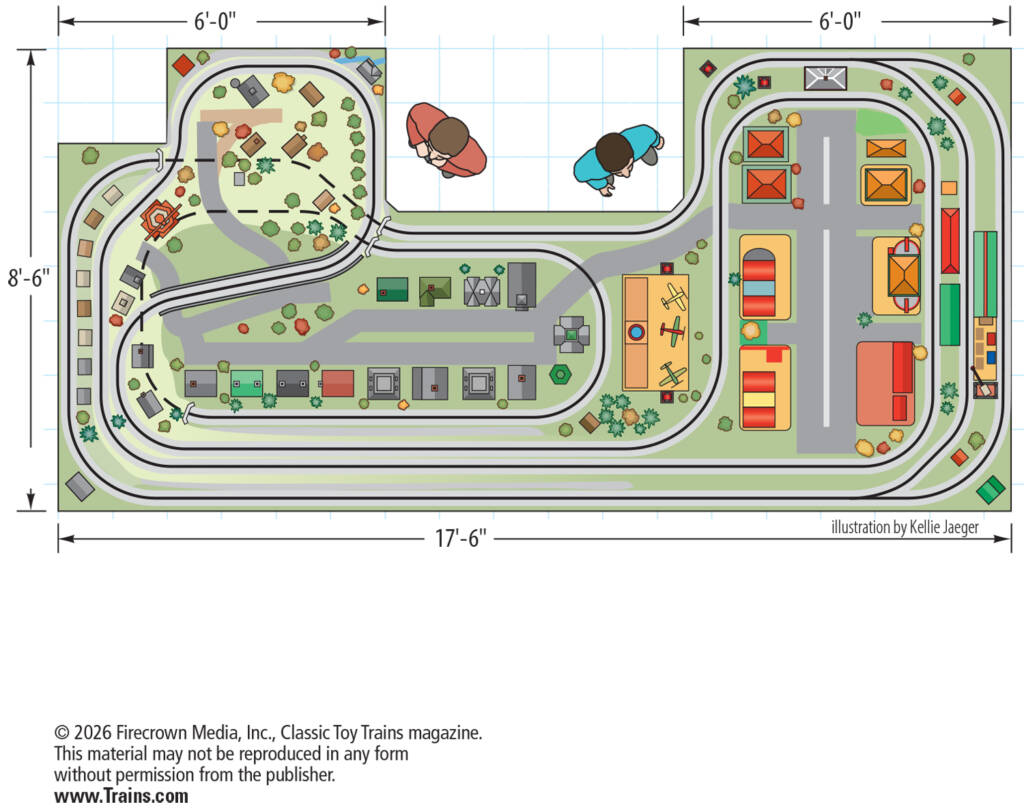
Walt Hiteshew’s O gauge layout Dimensions: 8½ x 17½ feet Track: Menards (diameters range from 31 to 42 inches) Switches: Marx Motive power: American Flyer, Hafner, Henry Katz, Hoge, Lionel, Marx Rolling stock: American Flyer, Hafner, Henry Katz, Hoge, Lionel, Marx Controls: Lionel, Marx transformers Accessories: Lionel, MarxStructures: Byron Molds, Chein, Hafner, Hornby, Kibri, Marx, […]
Clem Krzeczkowski’s O gauge layout
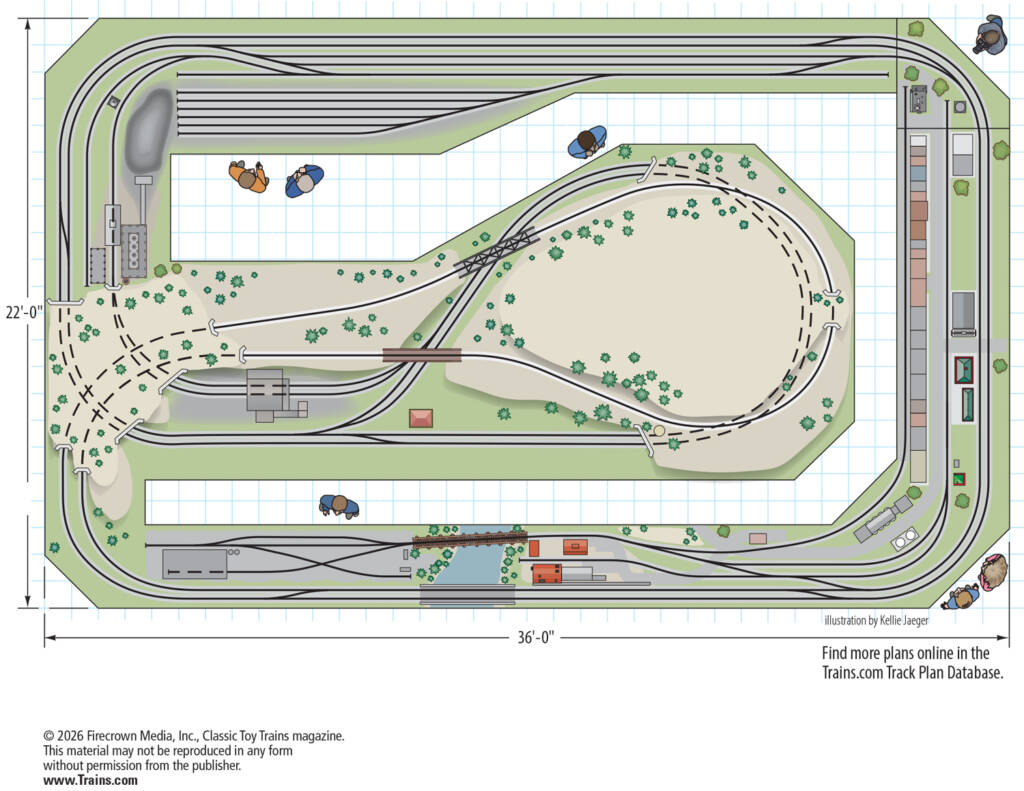
Clem Krzeczkowski’s O gauge layout Dimensions: 22 x 36 feet Track: GarGraves flextrack (diameters range from 96 to 122 inches) Switches: Ross Custom Switches with Caboose Industries and Tortoise machines Motive power: Lionel, MTH Rolling stock: Atlas, Golden Gate Depot, K-Line, Lionel, MTH, Weaver Controls: Lionel No. 85226 180-watt PowerHouse “brick” (4) with MTH Digital […]
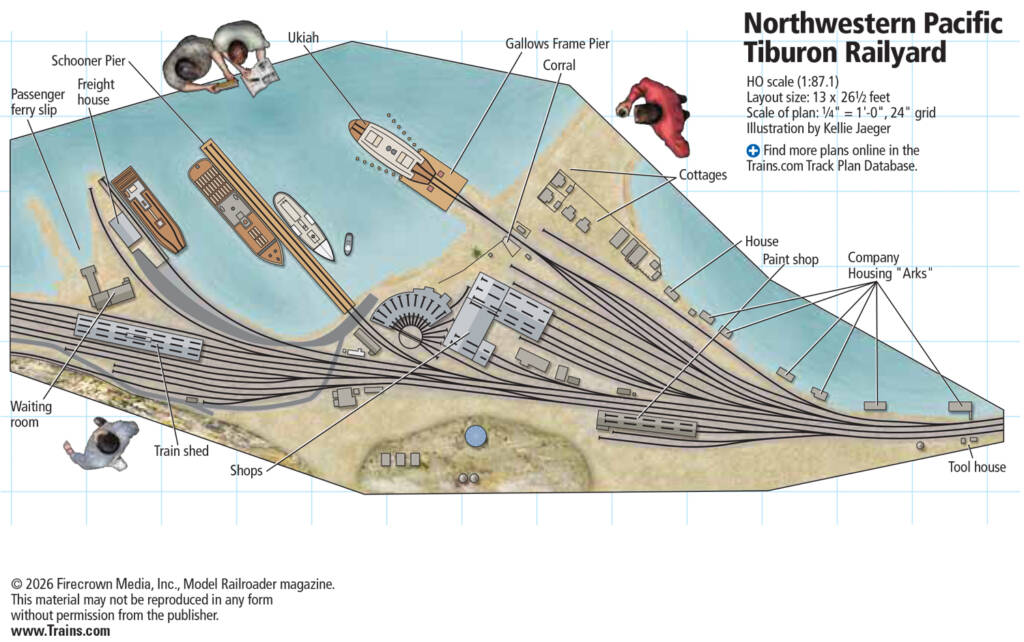
The Northwestern Pacific Tiburon Yard in HO scale
Facts and features Name: Northwestern Pacific RR Tiburon Rail Yard Scale: HO (1:87.1) Size: 13′-0″ x 26′-6″ Prototype: Northwestern Pacific RR Locale: Tiburon, Calif. Era: October 1909 Style: island Mainline run: none Minimum radius: none Minimum turnout: No. 8 Maximum grade: none Benchwork: 1 x 6 and 1 x 8 wood joists on steel angle […]
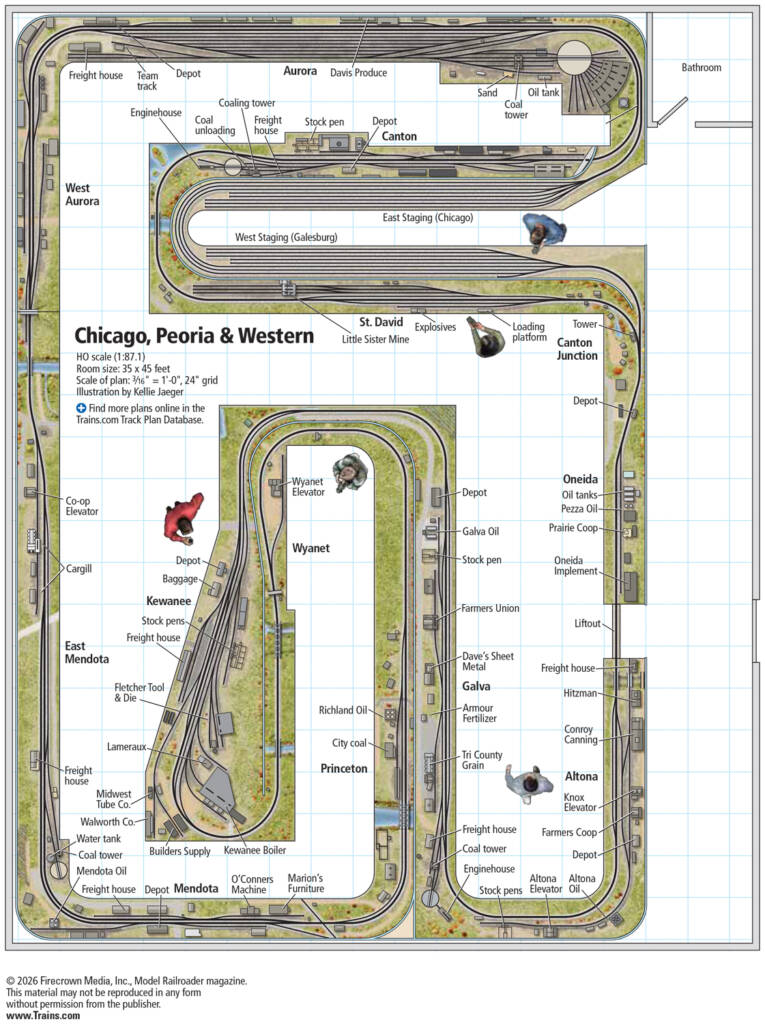
The HO scale Chicago, Peoria & Western
Facts and features Name: Chicago, Peoria & Western Scale: HO (1:87.1) Size: 30 x 44 feet Prototype: CB&Q, EJ&E, and IC Locale: Chicago to Galesburg, Ill. Era: 1940s Style: walk-in Mainline run: approximately 230 feet Minimum radius: 30″ Minimum turnout: No. 8 (main), No. 6 (industries and yards) Grade: less than 1% Benchwork: open grid […]
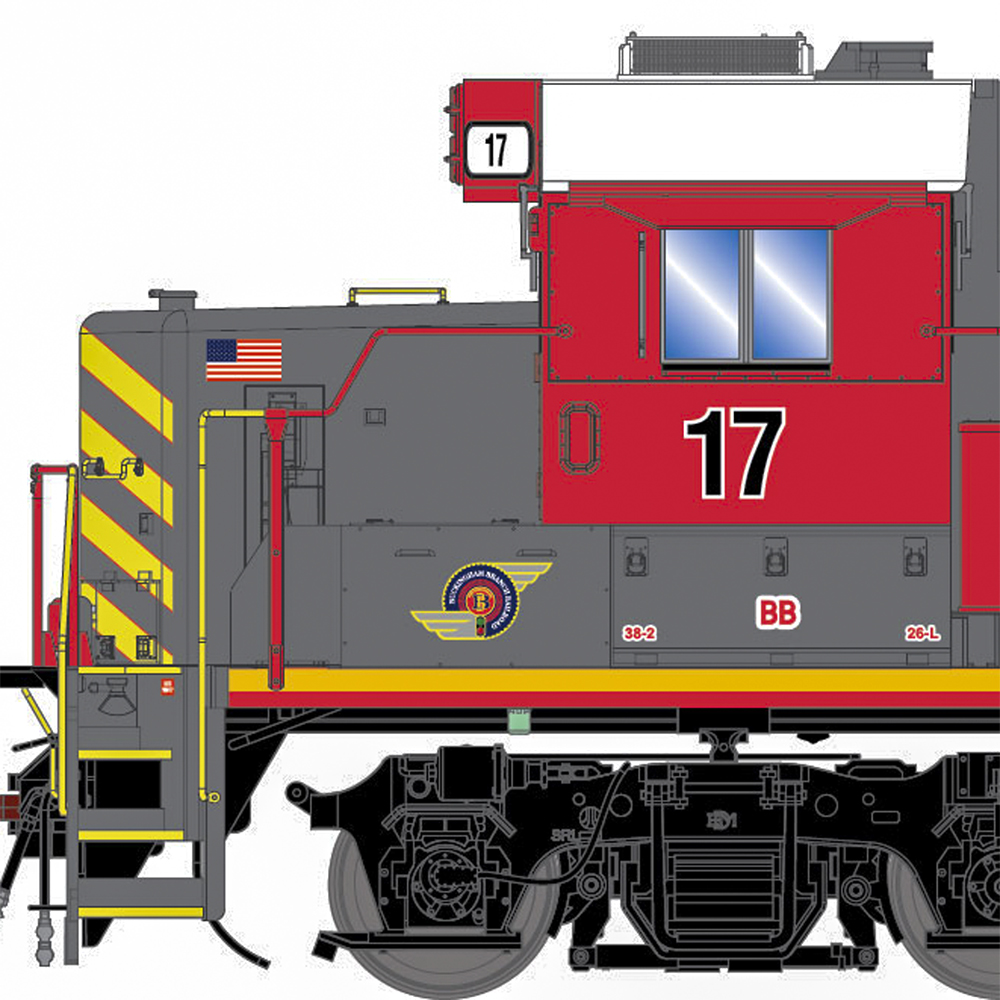
Modeling the Buckingham Branch in HO scale
Q: I model the Shenandoah Valley in HO scale and I have some questions. Where can I find HO scale Buckingham Branch locomotives (preferably GP38-2s) and rolling stock? If there are none available, what paint and decals should I use to custom decorate a GP38-2? — Caleb Miller A: The Buckingham Branch (BB) is a […]
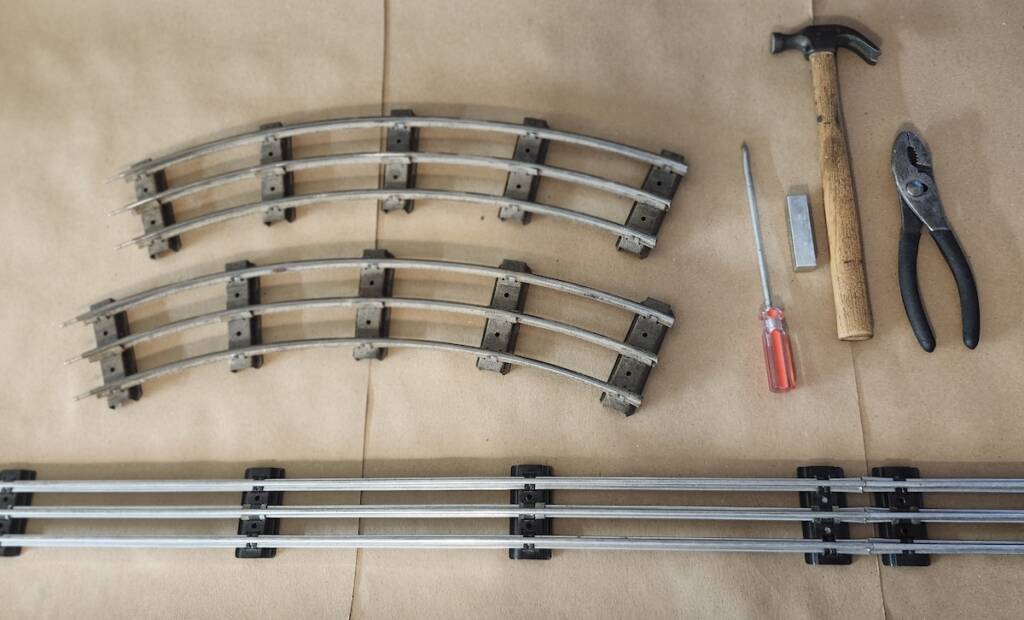
Make a Standard gauge straight section on a budget
You can build two 36″ straight Standard gauge sections for the same cost (or less) than one new piece of track. It’s easy and only takes about 45 minutes to build a basic straight. See the list of materials you’ll need below. First, use a screwdriver to pry up the flanges securing the ties to […]