




For railroad builders in North America, a 2.2 percent climb was considered the standard maximum grade for a well-engineered mountain railroad. But why this number? And how did its adoption become so widespread? Using modern-day analysis of some famous mountain railroad grades, Trains Magazine’s September 2011 issue explores the origins and adoption of 2.2 percent […]
Tag: History
C&NW steam and diesel action
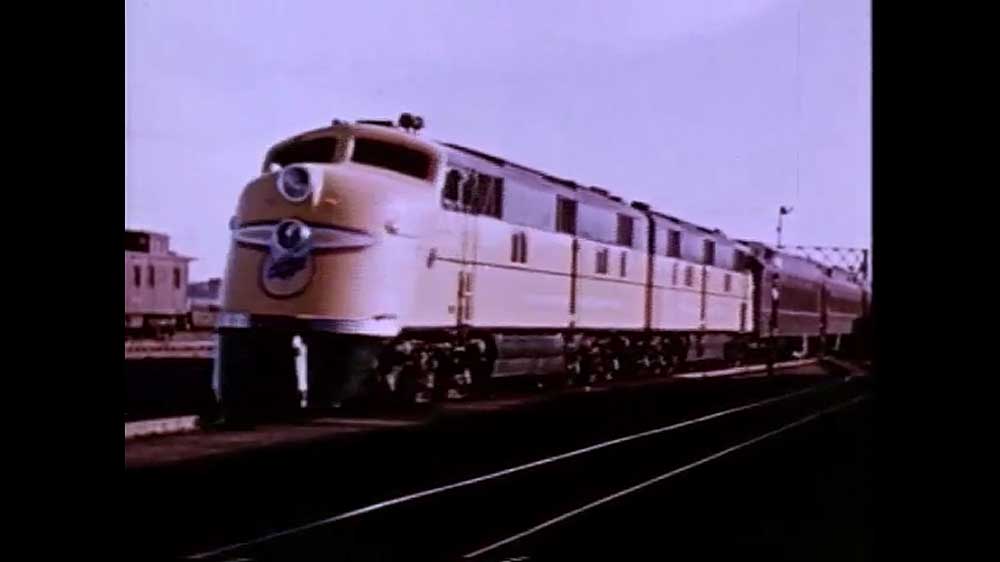
Watch video clips of Chicago & North Western steam and diesel trains in action, from the Herron Rail Video collection. […]
The challenges of firing an oil-burner
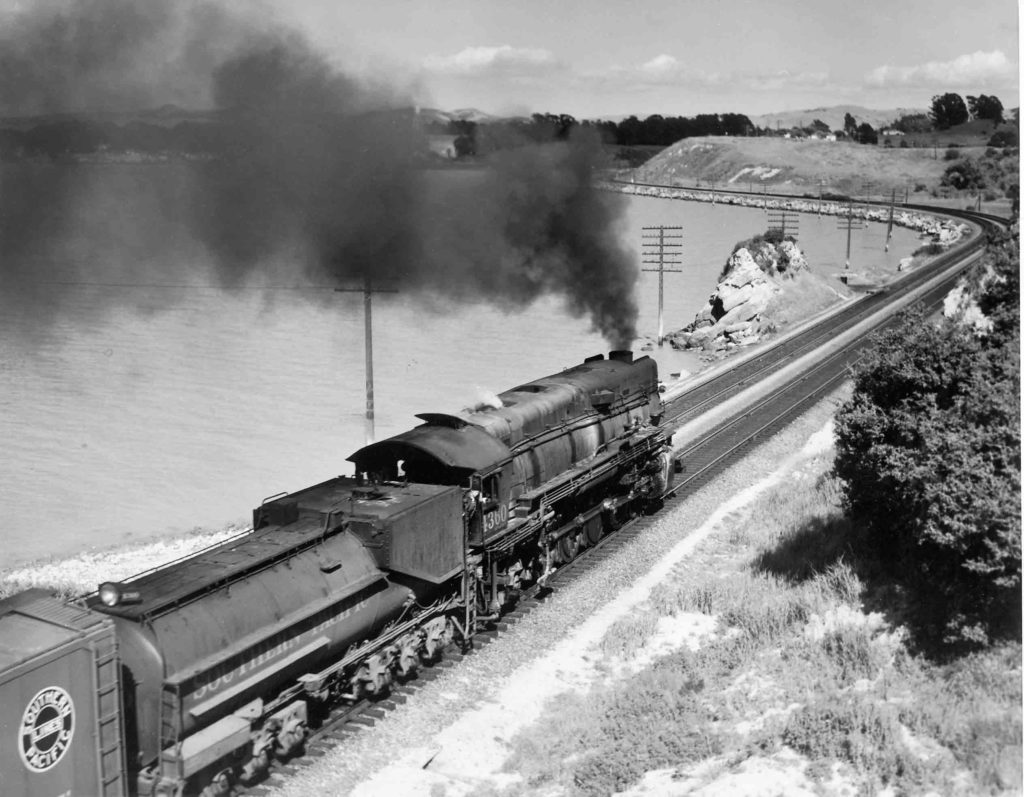
Firemen on oil-burners like SP 4-8-2 4360 at Pinole, Calif., had to be sure the fuel was not too hot, not too cold, and adequately pressurized. John C. Illman As a fireman of oil-burning steam locomotives on the Southern Pacific during the 1950s (on the Coast, Rio Grande, Western, and Sacramento divisions), I never envied […]
Turbine power all the way
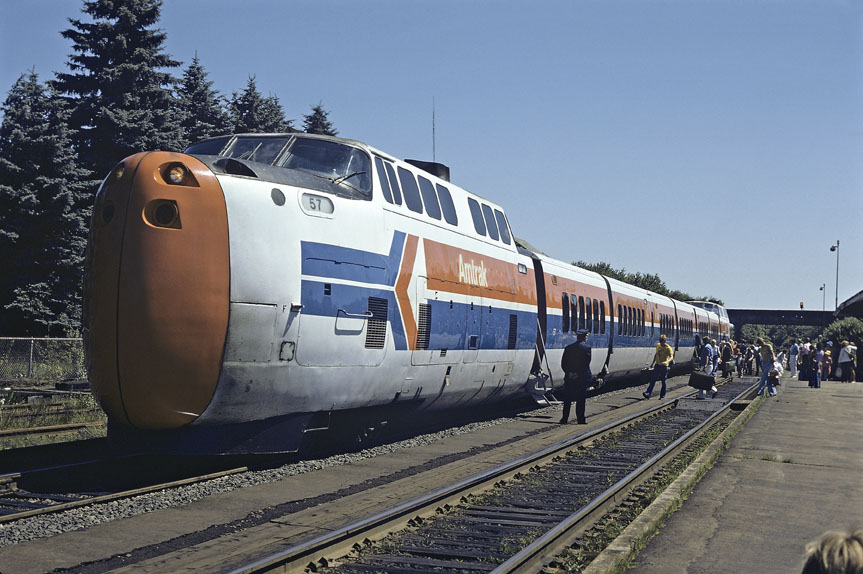
High speed in New England in the 1970s meant these turbine-powered trainsets built by United Aircraft, which sprinted between Boston and New York from 1969 to 1976. The two Turbotrains (Amtrak later bought a third set from VIA Rail Canada) achieved the route’s best-ever timings — 3 hours and 48 minutes between Boston and New […]
Railroad timeline, 1950-1989
1950: Dieselization – Ten Class 1 railroads had already dieselized before this year, including the Atlanta & St. Andrews Bay; Chicago, Indianapolis & Louisville (Monon); Columbus & Greenville; Detroit & Mackinac; Elgin, Joliet & Eastern; Gulf, Mobile & Ohio; Lehigh & New England; New York, Ontario & Western; New York, Susquehanna & Western; and Texas-Mexican. […]
Train Derailment Diagrams and Analysis
When seeking the cause of a train wreck, investigators sketch out relevant details, such as the starting and ending points of a derailment, the relative position of derailed and standing cars and locomotives, and the surrounding terrain. As a railroad surveyor with Farnsworth Group’s Railroad Services, I provide drawings and descriptions of wrecks, like the […]
Railroad Photographer Richard Steinheimer’s Legacy, Part 2 of 2
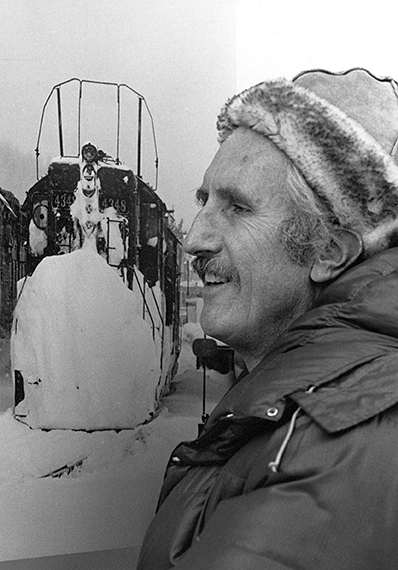
Richard Steinheimer TRAINS collection Last week, five members of the Center for Railroad Photography & Art shared their stories of how legendary photographer Richard Steinheimer influenced their work. “Stein,” as he was known, is often called the “Ansel Adams” of railroad photography for his highly original and creative work. Following a long battle with Alzheimer’s, […]
Tennessee Pass
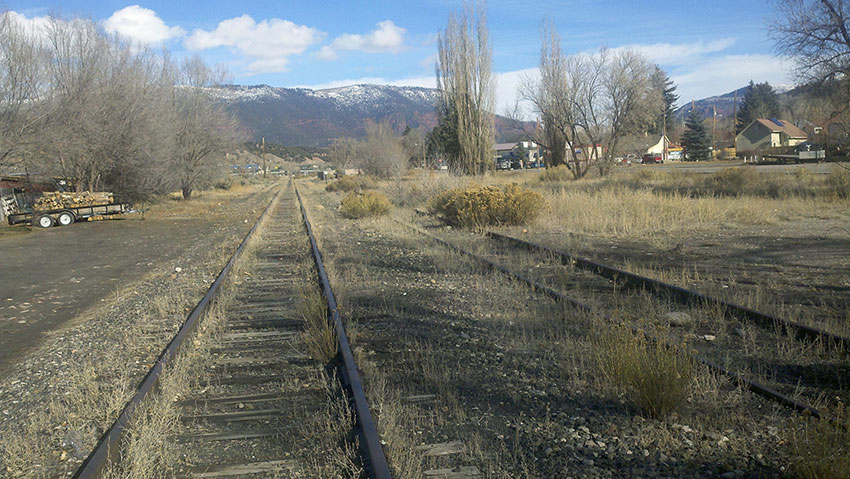
The activity level of this track belies its once important status as part of D&RGW’s Tennessee Pass. Michael Humphreys Q In December 2010, I noticed a little-used rail line running through Eagle, Colo. What can you tell me about it? The mainline rail dated from the 1950s. — Michael Humphreys, Berryville, Va. A The tracks […]
Ride ‘Em While You Can
Eastern trip, April 20–26 PC No. 66, Chicago–Cincinnati, April 20 PC E7 4211 (ex-PRR), PRR B60 baggage car, PC coach 2926 (ex-PRR) N&W No. 4, Pocahontas, Cincinnati–Roanoke, April 20–21 N&W GP9’s 508/501, 4 head-end cars, coach 532, dome coach 1610, sleeper Buchanan County; diner 493 added at Williamson, W.Va. (train left Roanoke with GP9’s 519/517, […]
Presenting the past at the Mount Washington Cog Railway
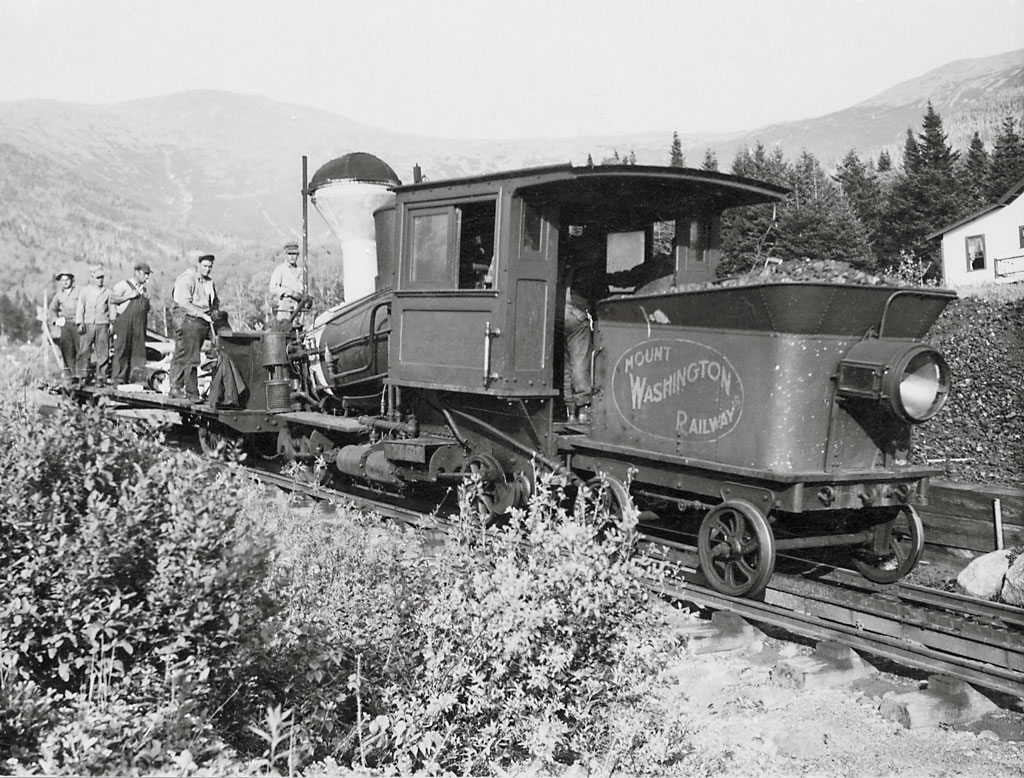
Engineer J.F. Keating carries workers aboard a flatcar on the 3¼-mile Mount Washington Cog Railway in New Hampshire on June 11, 1946. Today, the Cog runs mostly biodiesel engines. L.B. Herrin When I first visited the Mount Washington Cog Railway in 1980, exactly 30 years before my recent visit, it was an inadvertent museum, complete […]
“Honorary steam locomotive”
Q For many years now, fans have been calling Alco PA locomotives “honorary steam locomotives” because of the thick, dense smoke they generate during acceleration. I’ve heard some people mention that TRAINS Editor David P. Morgan wrote an editorial on this citing a statement or caption penned by rail historian Professor George W. Hilton. Can […]
Passenger car with two sinks
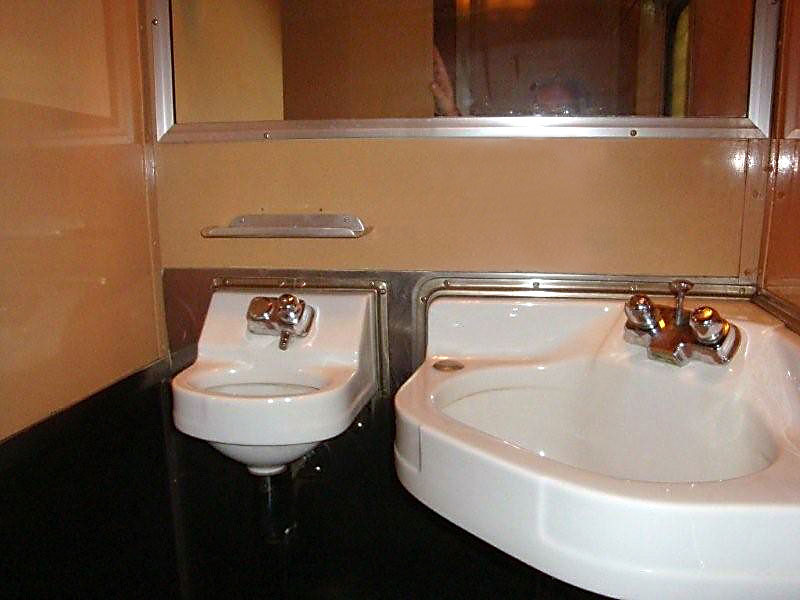
Although the quarters were likely close in this passenger rail car’s public bathroom, the extra sink could only have helped. Q While visiting The Durham Museum in Omaha, I saw a passenger car with two sinks in the public bathroom, one large and one small. What was the small sink used for?– Sam Irvin, Summerfield, Fla. […]