
The Fairbanks-Morse H20-44 Diesel That Didn’t
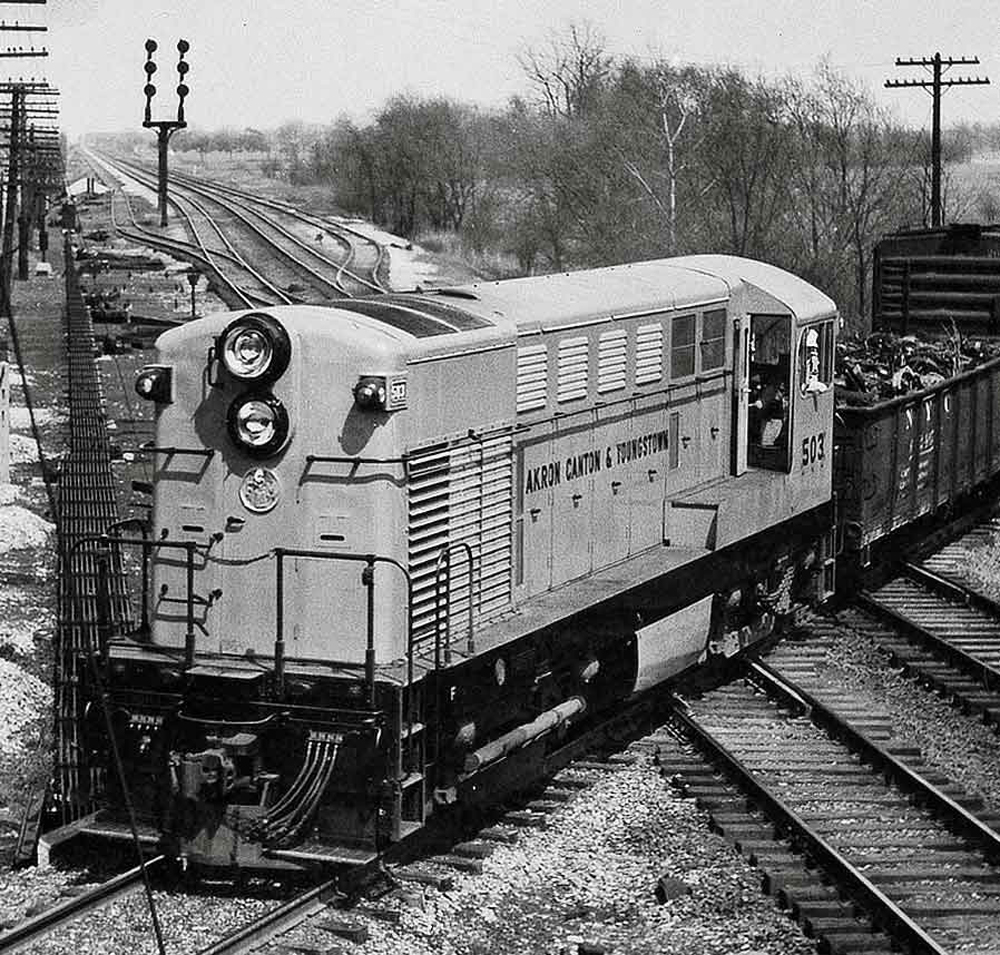
Black and white photo of Akron, Canton & Youngstown H20-44 No. 503 crossing over a double track main line

The Fairbanks-Morse H20-44 was another mid-century diesel that didn’t.     FM’s first foray into the diesel road-switcher market was unconventional, to say the least. In 1947, instead of following the already traditional convention of a cab surrounded by a long and short hood, the Beloit, Wis., builder introduced the H20-44, and it looked like […]

Read More…

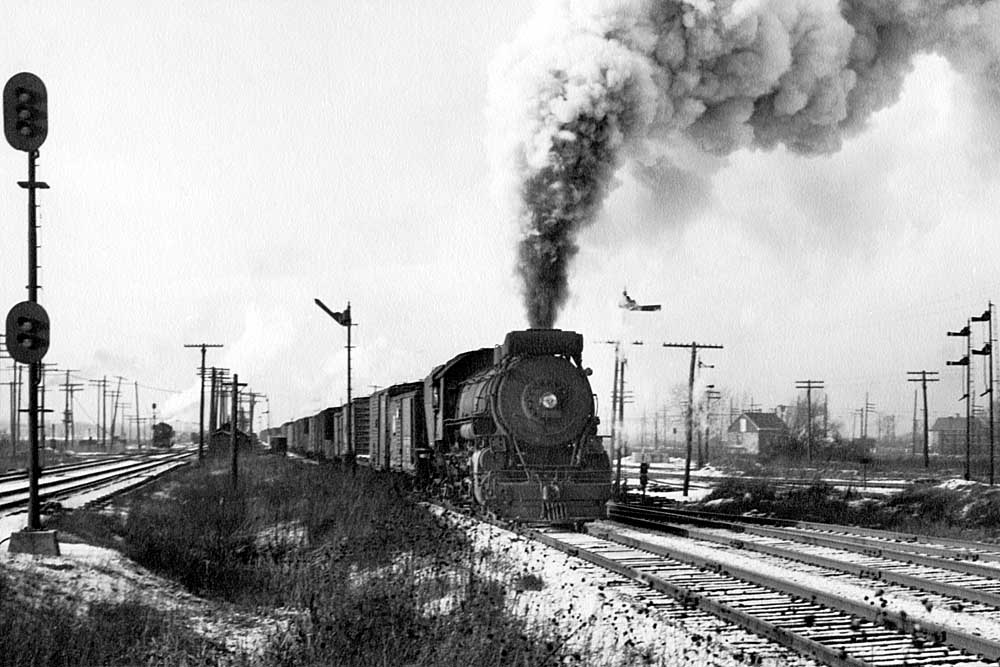
Ultimate dual-service engine: New York Central 4-8-2 Mohawks

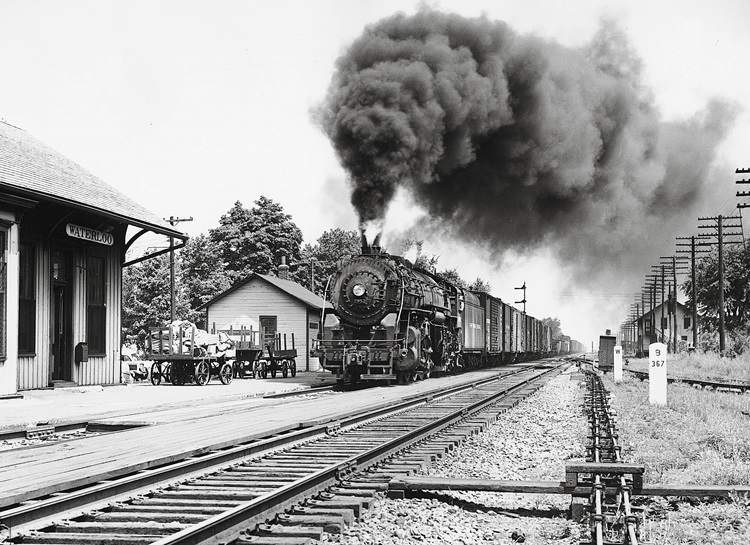
Example of New York Central 4-8-2 Mohawks on freight train by station

The New York Central 4-8-2 Mohawks were the ultimate dual-service steam locomotives. For some railroads in the steam era, it wasn’t enough to have success with a single example of a standard wheel arrangement. Instead, new competitive challenges and evolving technology often caused railroads to rethink a given locomotive class and turn it almost entirely […]

Read More…

The GMDH1 diesel-hydraulic locomotives

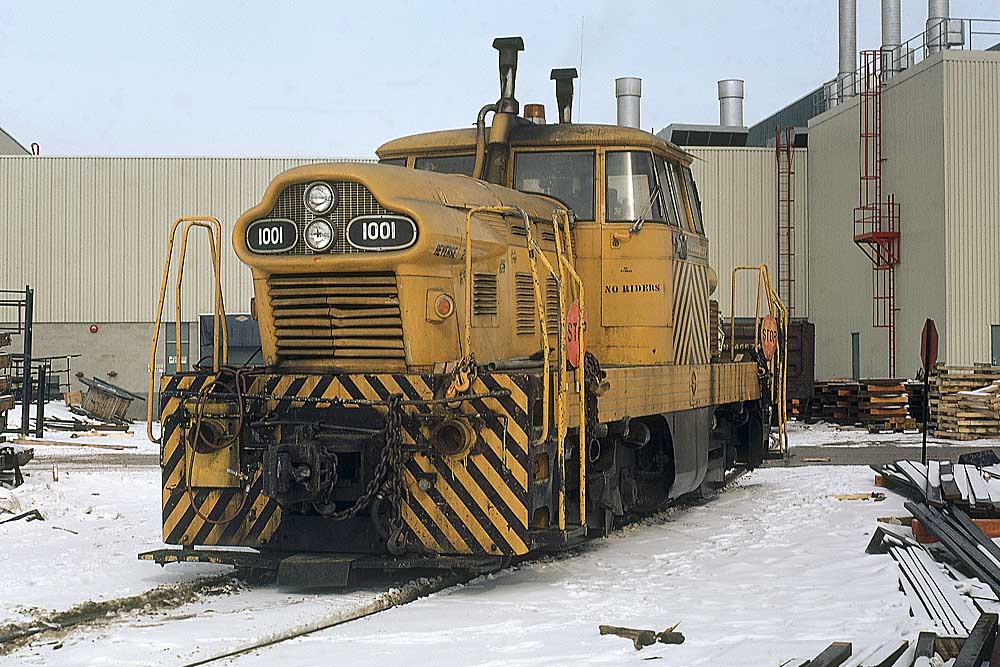
Yellow-and-black centercab GMDH1 diesel-hydraulic locomotives outside factory

The GMDH1 diesel-hydraulic locomotives led a short life with one staying near their birthplace of London, Ontario.     Diesel-hydraulic railroad locomotives are just what they say they are: diesel engines connected to a hydraulic transmission via the same principle as you would in your automobile. They can be found in various parts of the […]

Read More…

Erie Railroad locomotives remembered

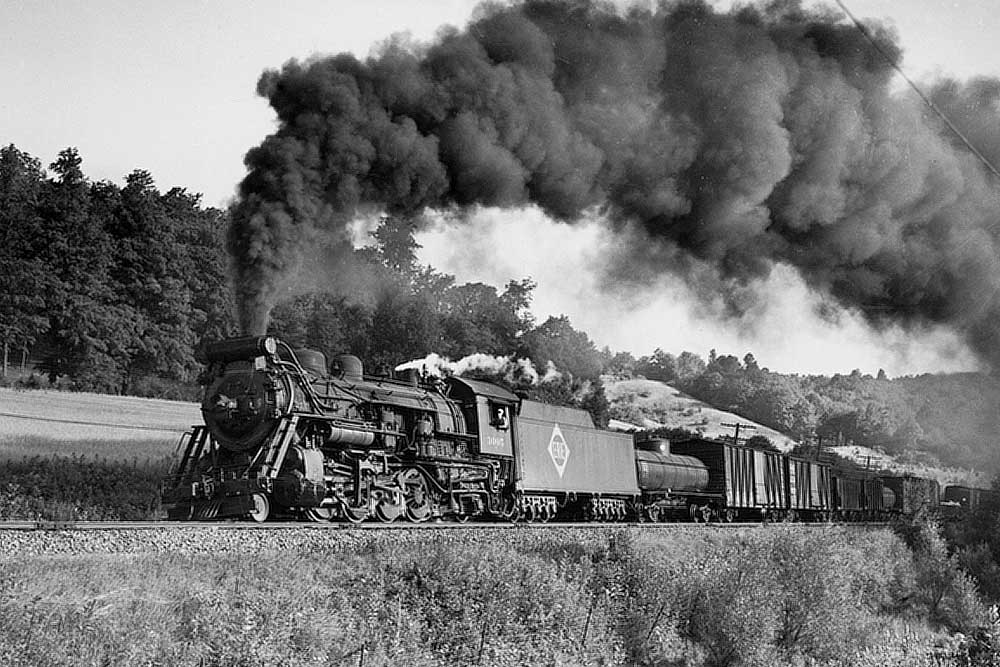
Steam Erie Railroad locomotives with freight train in country

Erie Railroad locomotives included both oddball steam and diesels right out of a builder’s catalog.     The Erie was a big user of the 2-8-0 Consolidation and 2-8-2 Mikado steam locomotive types. Going a step larger, the Erie experimented with articulated locomotives beginning with three Camelback 0-8-8-0s for pusher service in 1907. This evolved […]

Read More…

Simplifying body-mounted couplers

MRRNS0720_01

Simplifying body-mounted couplers: Former editor Neil Besougloff used to accuse me of trying to convert all N scale modelers to using body-mounted couplers. He was joking – I think – but I’m not mounting such a campaign. For 90 percent of you, using truck-mounted, body-mounted, or a mix of both would make little difference. Your […]

Read More…

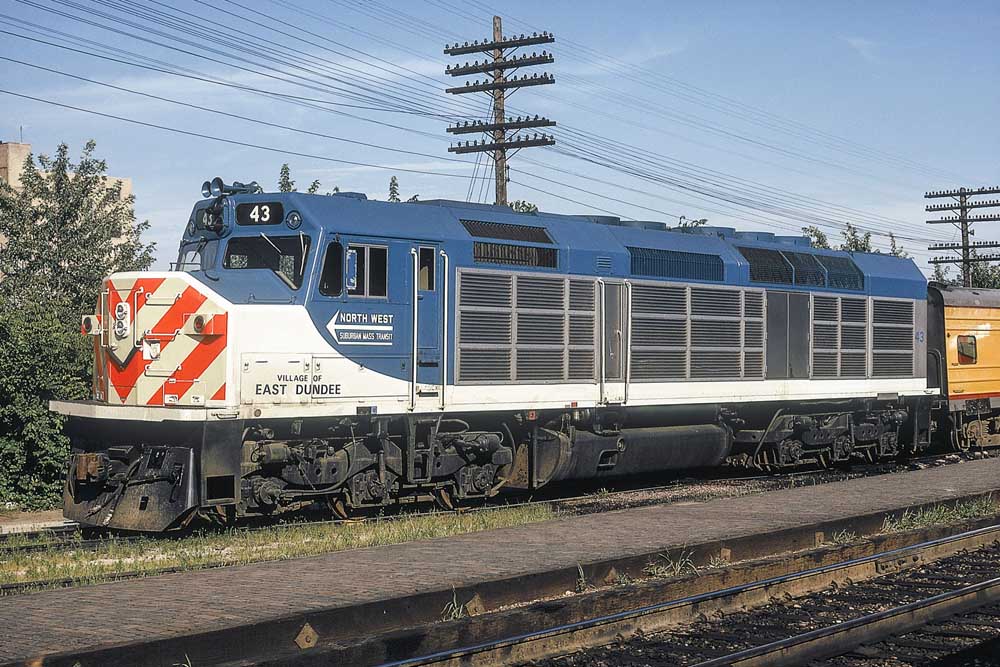
Metra EMD F40C diesel locomotives

Blue, white, and silver EMD F40C diesel locomotives with red nose stripes

  EMD F40C diesel locomotives were six-axle, 3,200-hp units built for Chicago-area commuter service in 1974. They were found on two Milwaukee Road-operated routes out of Union Station, one west to Elgin and one north to Fox Lake. The units had a cowl body like the Amtrak SDP40F of 1973, but used an alternator to […]

Read More…

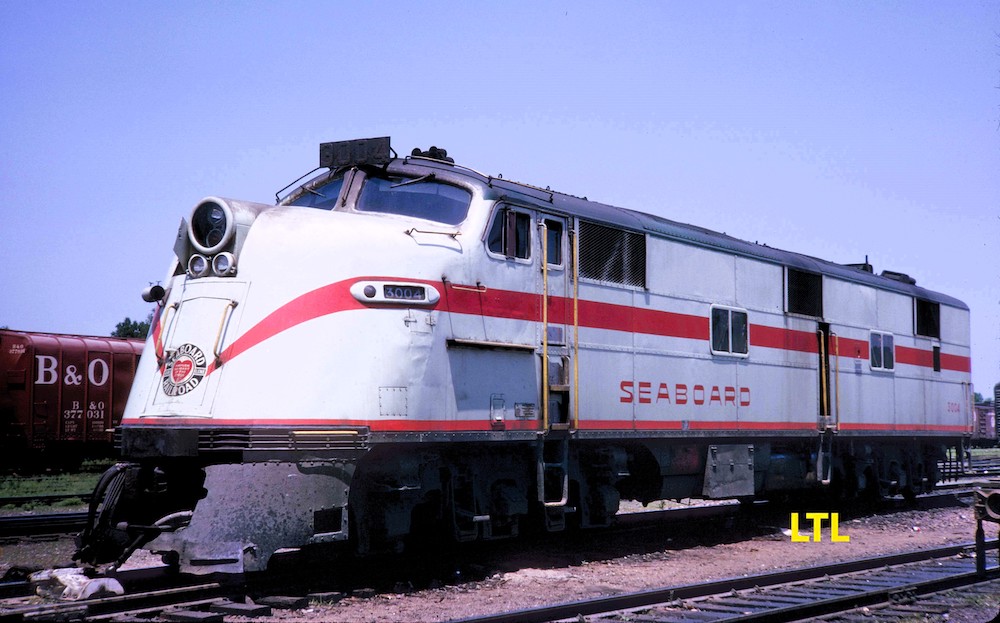
Classy passenger locomotive paint schemes from the 1940s to the 1980s

A white streamlined passenger diesel locomotive lettered with the word Seaboard and featuring red stripes

Locomotive paint schemes In an era when passengers and passenger trains were an important part of the revenue stream, railroads generally did their best to keep their equipment clean. If the marketing department was going to promote classy passenger locomotive paint schemes, railroaders did their best to make sure the rolling stock shined. Whenever a […]

Read More…

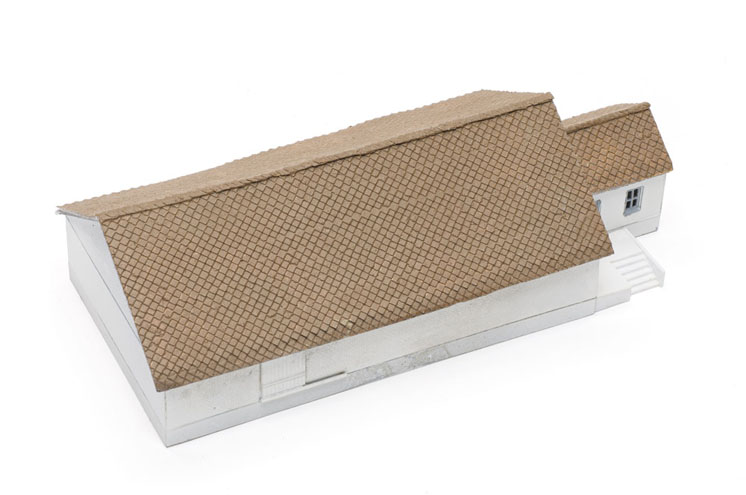
How to make ‘good enough’ better

MRRNS0320_01_edited1

How to make ‘good enough’ better: The N scale shipping house shown here isn’t finished, but I want to make a point about the roof, namely the diamond-pattern shingles. They were made from laser-cut paper by GC Laser and laid one row at a time. That was a modeling decision I ordinarily wouldn’t make because […]

Read More…

Erie Railroad history remembered

Smoking steam locomotive among many railroad signals

Erie Railroad history starts, surprisingly, with a canal.     “The Work of the Age” was a proclamation by New York City’s Common Council upon the opening of the 300-mile New York & Erie Railway in 1851, “Erie” referring to one of the Great Lakes. New York City had become the natural gateway to the […]

Read More…

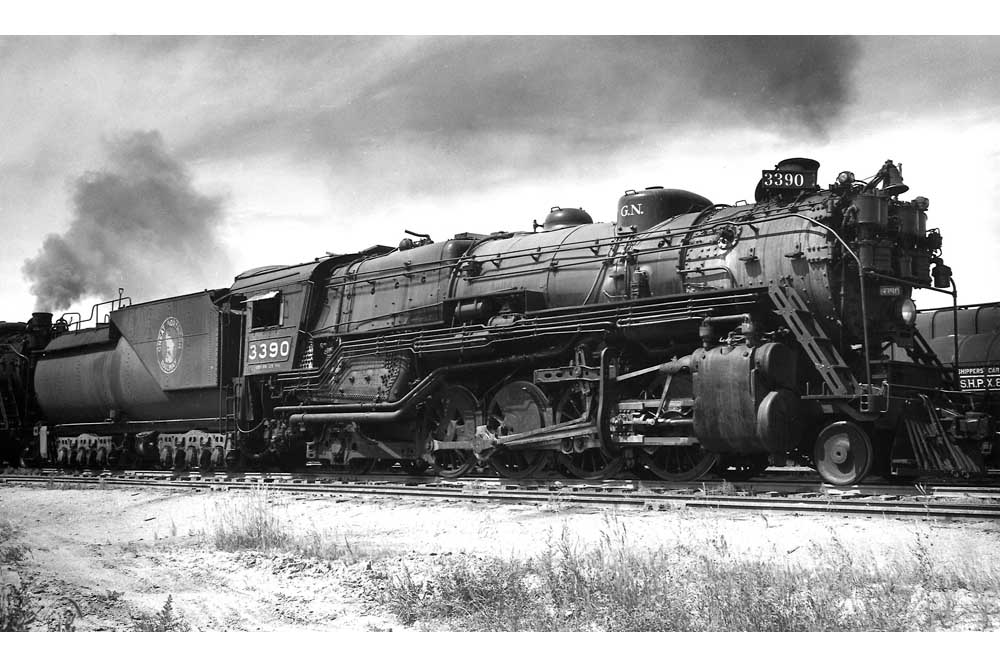
Largest 2-8-2 Mikado: Great Northern’s O-8 class

Largest 2-8-2 Mikado steam locomotive in yard

For much of the first half of the 20th century, the 2-8-2 Mikado was the dominant freight locomotive of the steam era. With its medium weight and medium power, it became the go-to, general-purpose engine — sort of the GP38 of its era. Consider how the World War I-era United States Railroad Administration divvied up […]

Read More…

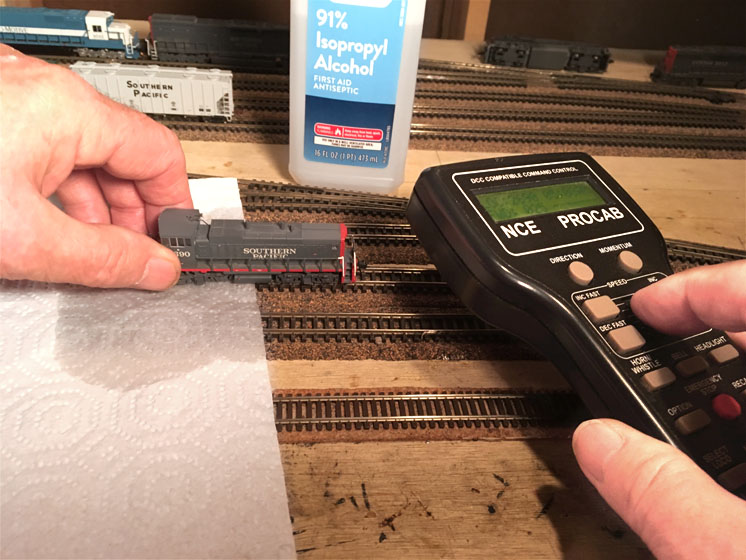
Dirt and N scale layouts

MRRNS0719_01

Dirt and N scale layouts: A locomotive model won’t run if current doesn’t pass from the rails to the pickup wheels. “Duh,” you may say, but that fact isn’t necessarily obvious, especially to younger people who haven’t tinkered with mechanical or electrical devices to the extent previous generations did. Filthy track can look clean The […]

Read More…

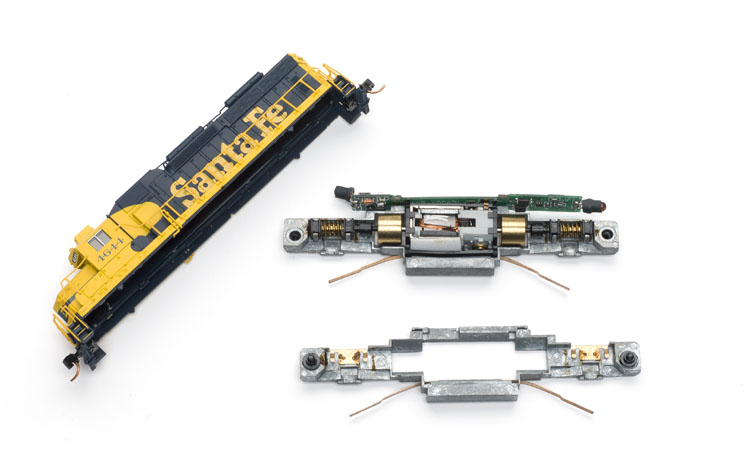
Disassembling N scale diesel locomotives

MRRNS0919_01

Disassembling N scale diesel locomotives: In the 1990s, Kato pioneered its classic, vertically split-frame design. Since then, probably more than 80% of the N scale locomotives made, regardless of manufacturer, have followed (in fact, downright copied) that approach, meaning that if you’ve learned how to work on one of them, you can work on nearly […]

Read More…