
Excessive track noise was one of the main reasons I decided to rebuild my HO scale Daneville & Donner River layout. I hadn’t paid much attention to the noise level until I started using locomotives with sound decoders. That’s when I recognized how the wheel noise from rolling freight cars nearly overpowered the sound of […]
Tag: Expert Tips
Troubleshooting a noisy locomotive
Q: I have a pair of Northern Pacific HO scale Proto 1000 Alco RS11 locomotives that were stored new many years ago. I got them out the other day, and as I expected, the bearings on both sides of the worm gears were frozen. I oiled them and got them spinning again, then lubed everything. […]
Tips and tricks for improving reach around your layout
Reach, in model railroading terminology, is how far you can comfortably stick your arm into a scene without damaging the layout. Planning for reach is essential when designing a layout, as eventually you will need to dust, fix, change, or maintain one or more scenic features once it is built. The maximum depth the average […]
Measuring locomotive speed
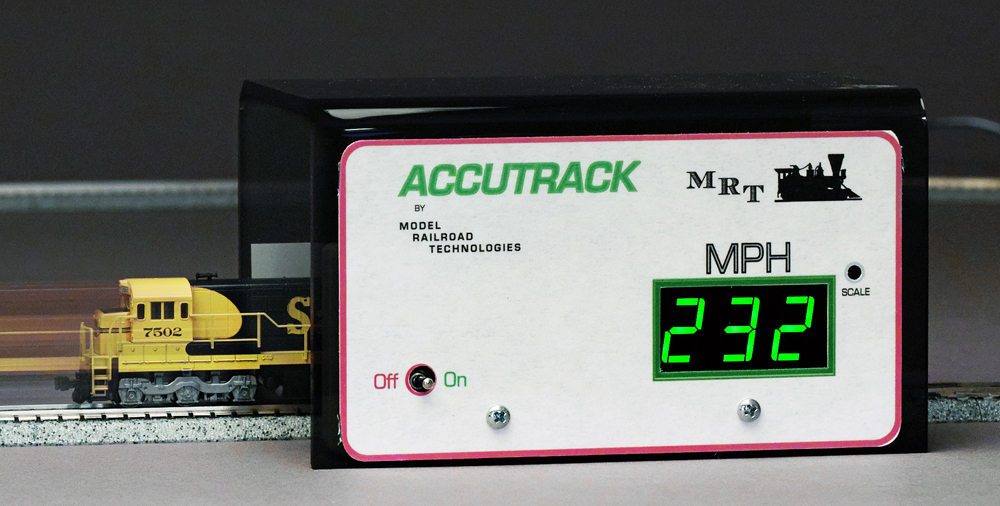
Q: In Model Railroader product reviews, locomotive speed is often measured and compared with the prototype. I was wondering how this is done so I can run my trains at prototypical speeds. — George Smitton A: When we test locomotives at the workbench, we use the Model Railroad Technologies Accutrak II train speedometer for measuring […]
How to build a simple L-girder
According to Model Railroader Editor Eric White, former Editor Linn H. Westcott’s L-girder benchwork has been a hallmark technique in the hobby that’s been passed down to today’s modelers. It checks off many boxes, especially being a straightforward process in its assembly. How straightforward is it? Let’s find out as we learn how to build […]
Backdating the MR&T locomotive fleet
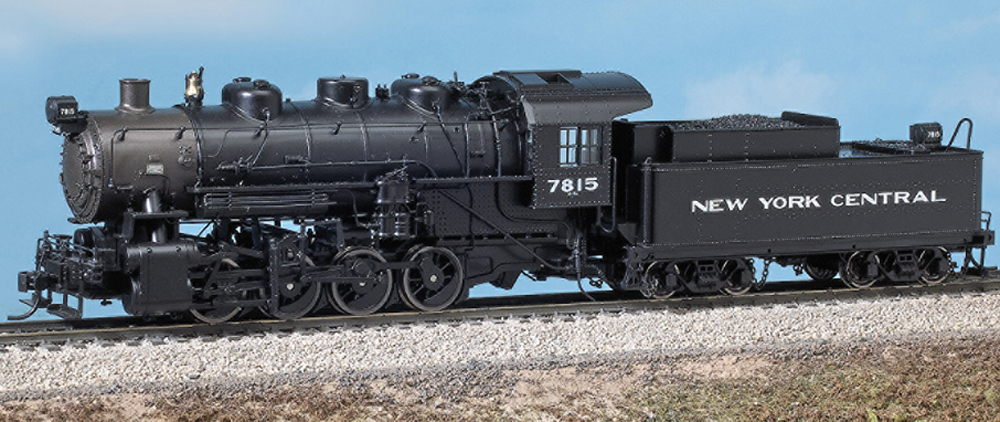
Q: The historic cars for the Milwaukee, Racine & Troy featured in the January 2025 episode of Ask Trains were very interesting (I grew up in Spokane, Portland & Seattle territory and am modeling some of that). What sort of steam and early diesel power would have been used to go with the cars of […]
Make track look realistic
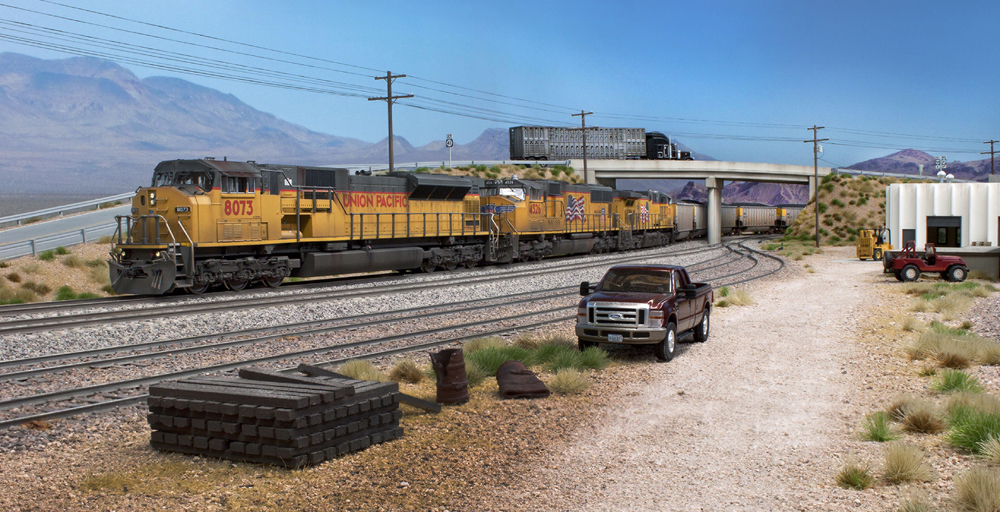
Today, model railroaders are blessed with a wide variety of commercial track in most popular scales. It wasn’t all that long ago that off-the-shelf track was largely one-size-fits all, with oversized rail, bulky ties, and little detail. Now, mass-produced track is available in different rail heights (called codes) with simulated wood or concrete ties, prototypical […]
5 layout scenery steps to get you started
By the time they’ve built the benchwork and installed and wired that track, the typical new layout builder starts asking a very important question: “What comes next?” The answer, of course, is scenery. Trains, track, or a command control system can be used more or less straight from the box. Even benchwork, which starts its […]
Make your own Marx Missile Launcher and Carrier car
Marx offered a Missile Launcher & Carrier car that was a neat item. Unfortunately, it was only available in 1957, 1961 and 1962, making it both rare and hard to find. If you want a similar-looking car, I have a less-expensive solution that’s an easy weekend project. A couple years ago, a friend brought over […]
Railroad vehicles you can model
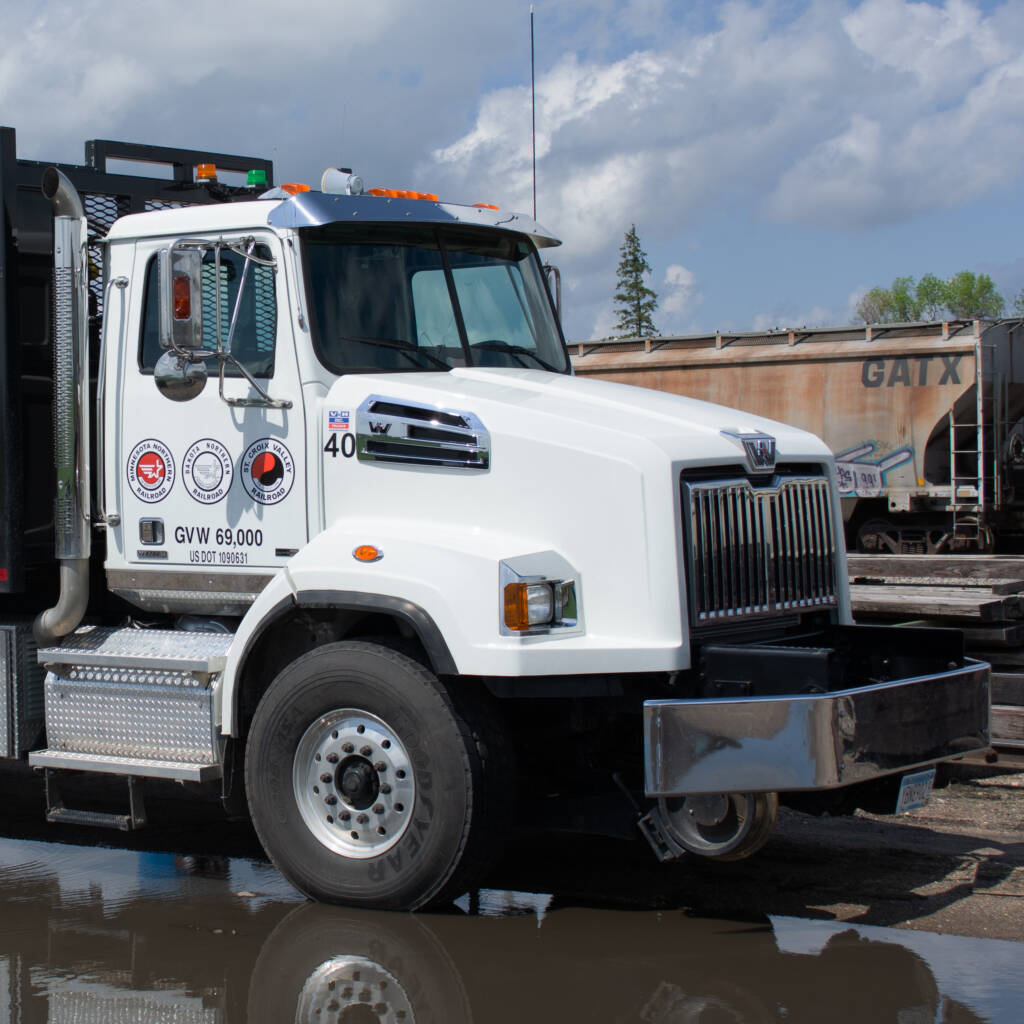
A few months ago I wrote about a boxcar storage shed in Crookston, Minn., my hometown. During that same visit my friend, then an employee of Minnesota Northern RR (since retired) gave me a tour of the rest of the yard. Sure, I spent time photographing the usual things — locomotives, rolling stock, structures, and […]
Adding 18-foot Bachmann flatcars to the Fleet
Our On30 Sandy River & Rangeley Lakes Railroad is a bit smaller than its prototype counterpart, running only from Kingfield to Strong, quite a few miles less than the 120 + miles covered by its full-scale counterpart. With this in mind, after seeing some Bachmann On30 18-foot boxcars on the internet, I decided that having […]
How to install adjustable glides on benchwork legs
When building a model railroad, one feature you should consider is adjustable levelers at the foot of your benchwork’s legs. As the name suggests, these help level your layout when it’s standing on an uneven floor. Here’s how to install adjustable glides on benchwork legs. There are a couple of purchasing options for levelers. One […]