




Classic Toy Trains Editor Hal Miller prowls the dollar store aisles in search of inexpensive items that are useful on the workbench or layout. […]
Budget railroading: dollar store finds
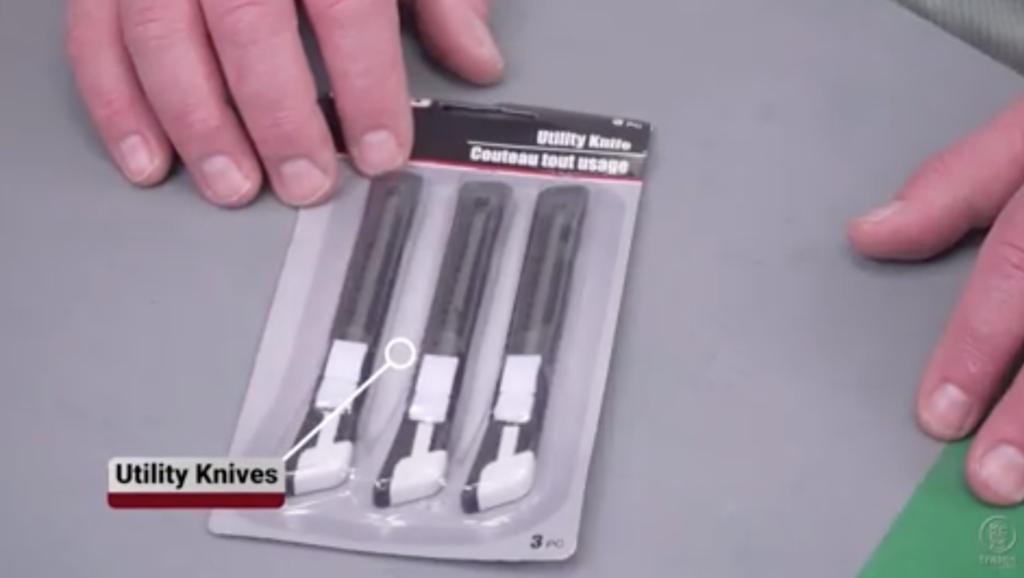
Classic Toy Trains Editor Hal Miller prowls the dollar store aisles in search of inexpensive items that are useful on the workbench or layout. […]
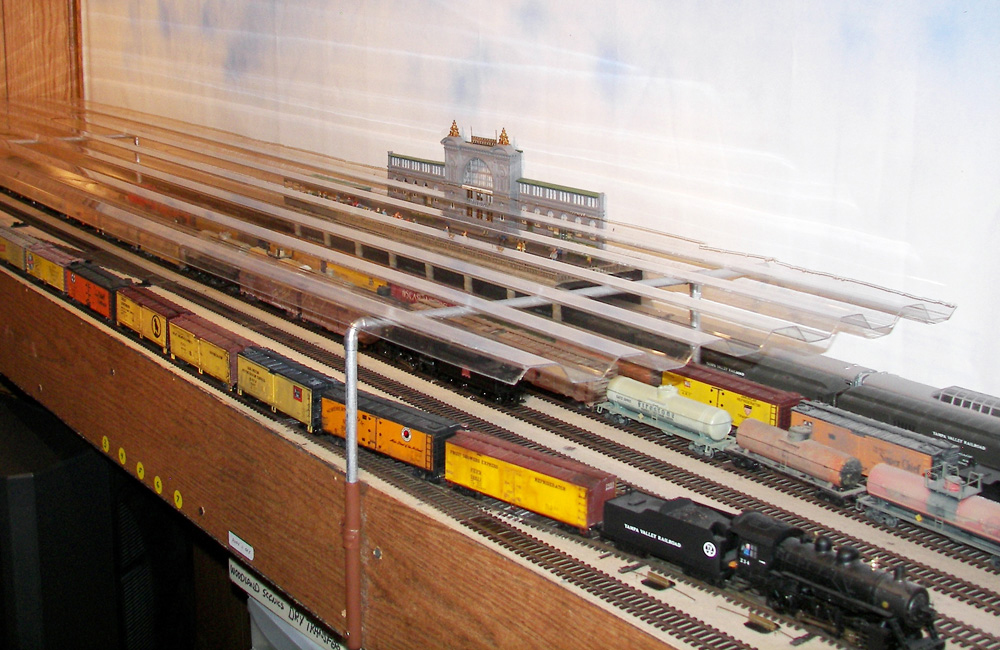
Q: I’m relatively new to the hobby and am seriously thinking about expanding my 4 x 8-foot HO scale layout to something larger. When I read about all the great layouts that appear in your magazine every month, I often wonder how you keep a large layout clean and free from dust. Right now I […]
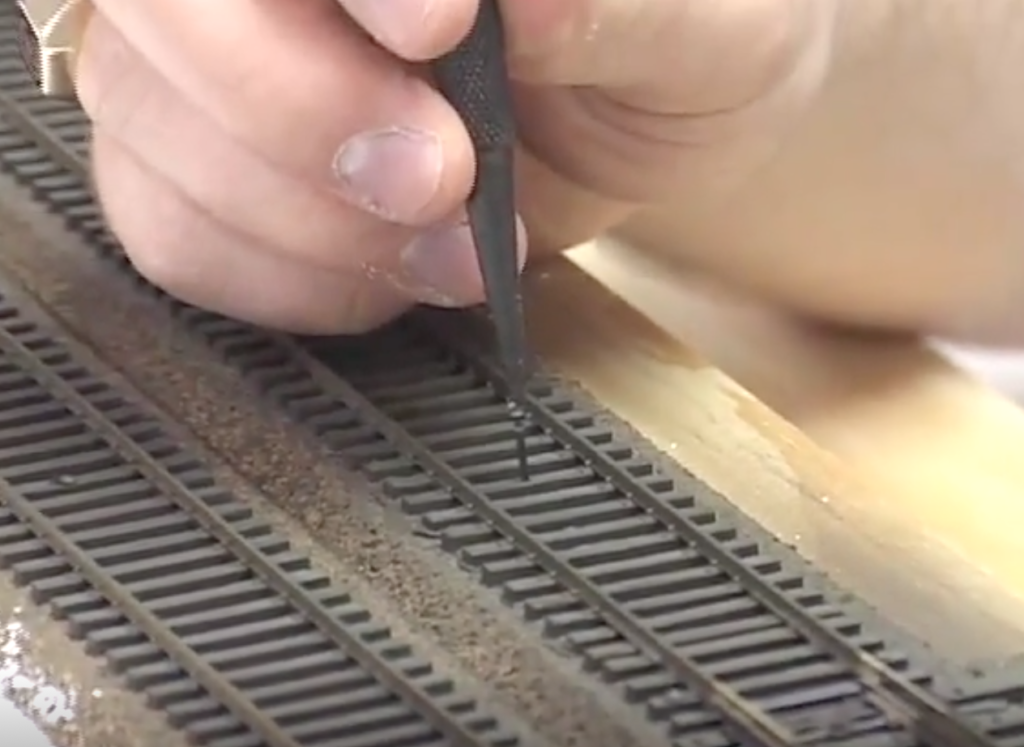
Kalmbach’s own Cody Grivno talks through the basic ways of fastening track to a layout so you can run model trains. […]
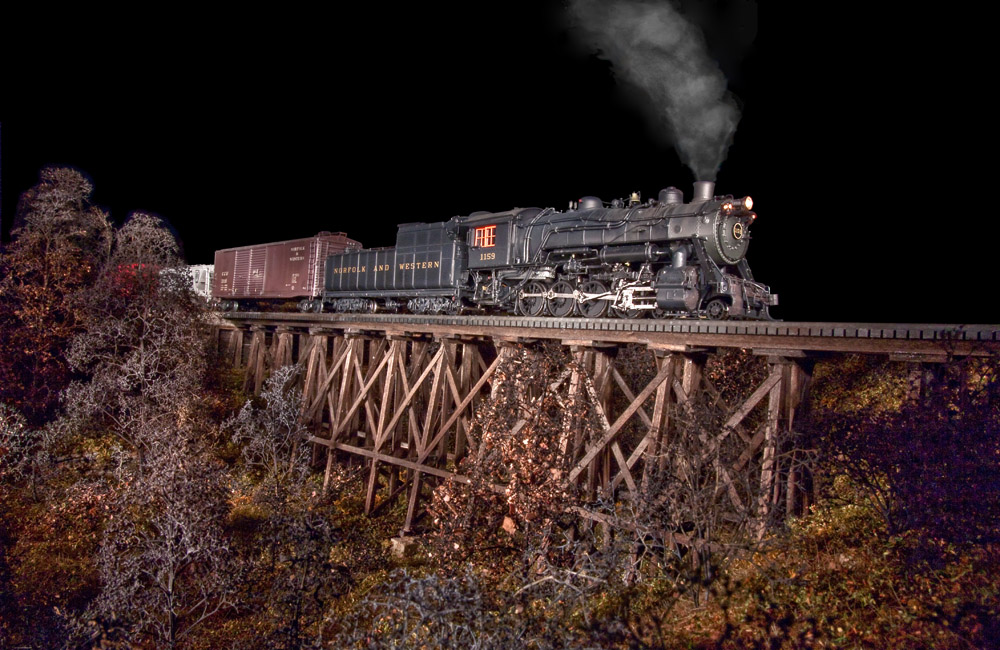
Download this image to use as a background on your computer screen In a shot inspired by the nighttime photography of O. Winston Link, a Norfolk & Western class M2C locomotive is seen pulling a short local through the darkened Virginia countryside on an autumn night. Gary Hoover of Florissant, Mo., captured the image by […]
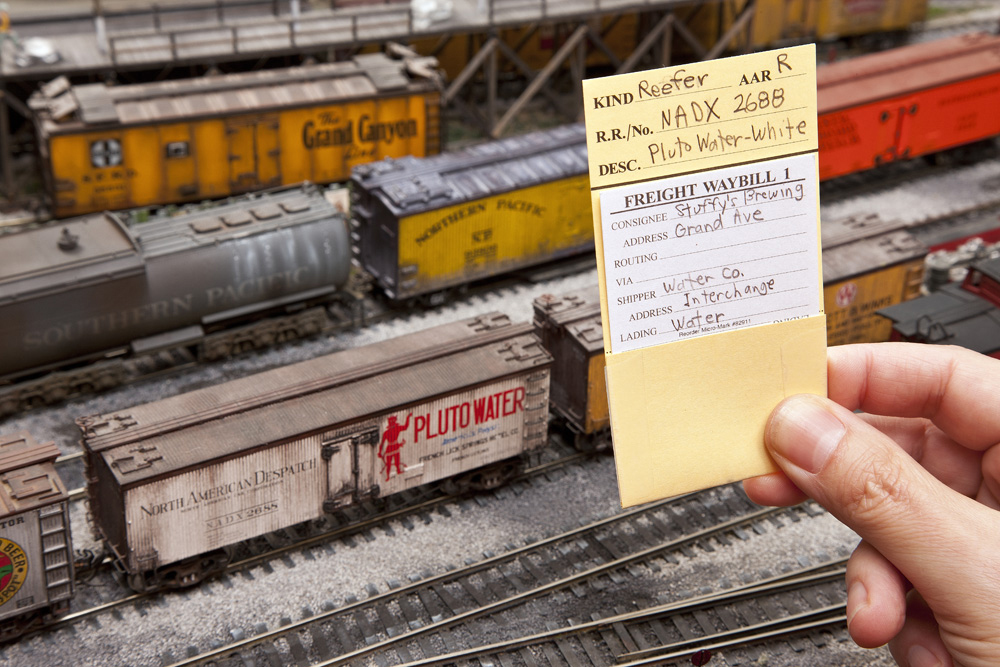
Q: How would a car card or waybill be noted or used for reefers needing icing or cattle needing feed and water along the way between the car’s origin and distant final destination? – Dick Piehl, Whitewater, Wis. A: Both activities are governed by time – the first by the practical limit of how long […]
Frequently Asked Questions for Garden Railways readers: Q: Trains in the backyard or around the house seem like fun. How do I start? A: One great way to start is to look through our Beginners section. There you can find downloadable articles as well as basics articles to help you on your journey. We also […]
Get an overview of the garden railroading hobby by watching our introductory video. If you are interested in knowing more about putting trains in your backyard or garden, consider signing up for our welcome email series. […]
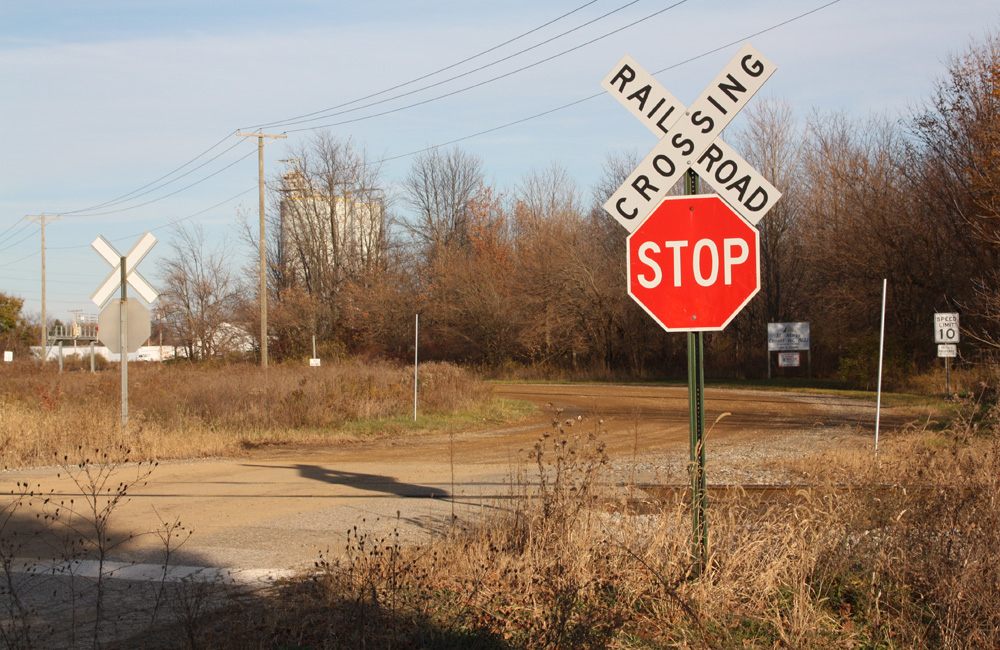
Q: I’ve given up counting rivets; now I’m into what I call chronological accuracy. My layout is set in 1956. I’m OK with choosing appropriate vehicles and diesels for that era, and I learned that yellow stop signs were replaced by standardized red signs in the late 1950s, but other questions remain. When were roof walks […]
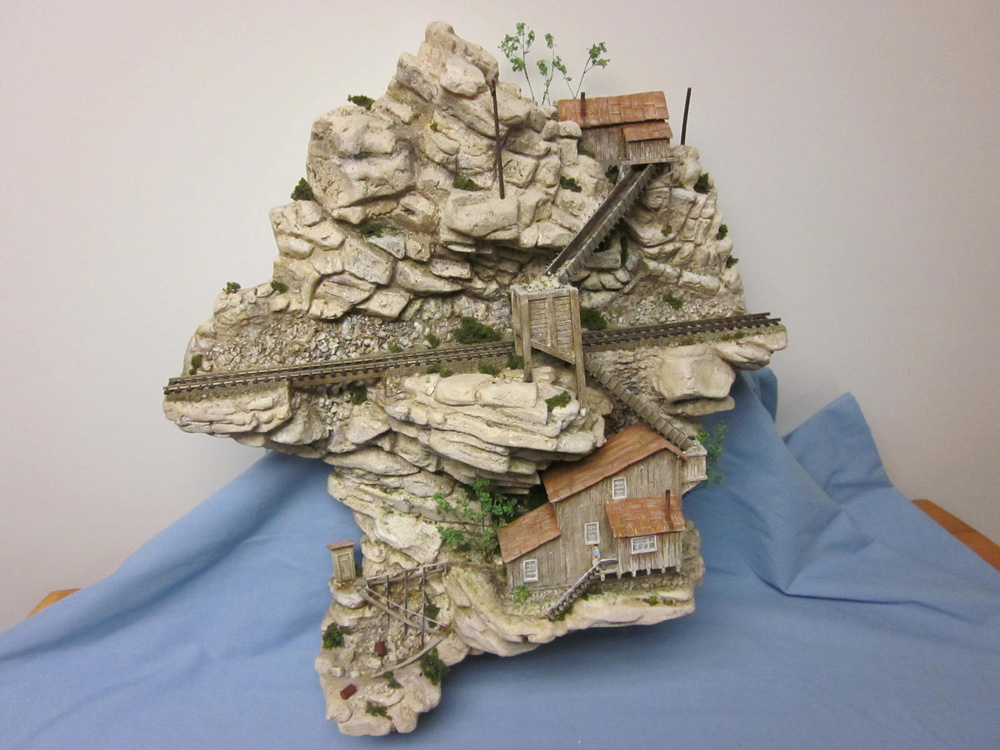
Q: Here are several photos of an HO scale wall hanging diorama that I bought at a garage sale. I’m trying to learn more about it. However, I can’t make out the artist’s last name on the back and I can’t find an address or phone number for the company whose name is also stamped […]
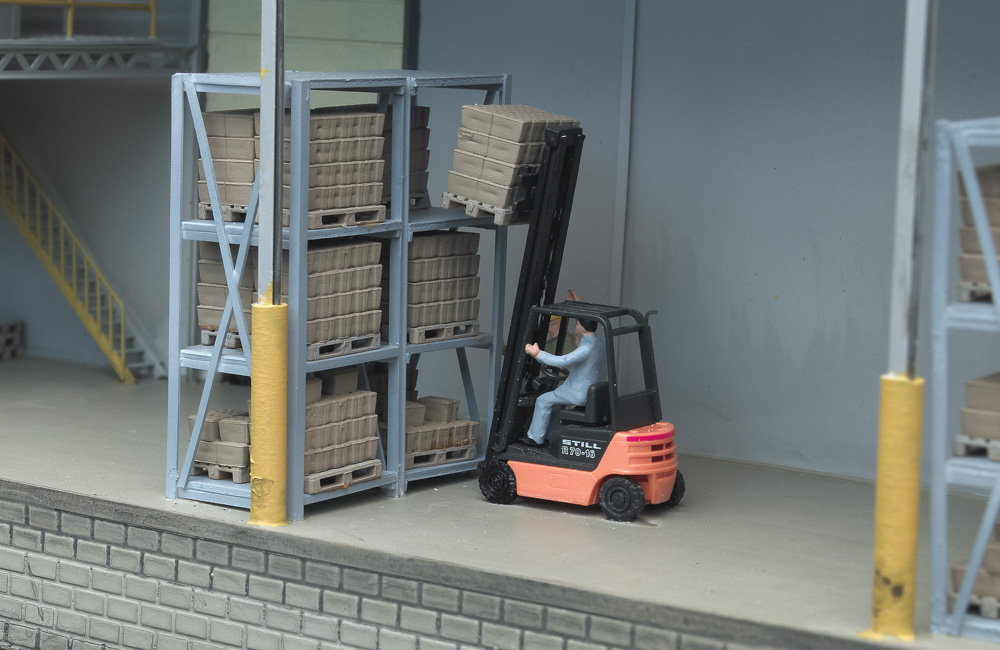
Q: I model some small industries and businesses in the early 1950s. Were pallets and forklifts in common use at that time? – Chris Gabel, Loveland, Colo. A: As you alluded to, the development of the pallet went hand-in-hand with the development of the hand-operated pallet jack and its motorized version, the forklift. Prior to […]
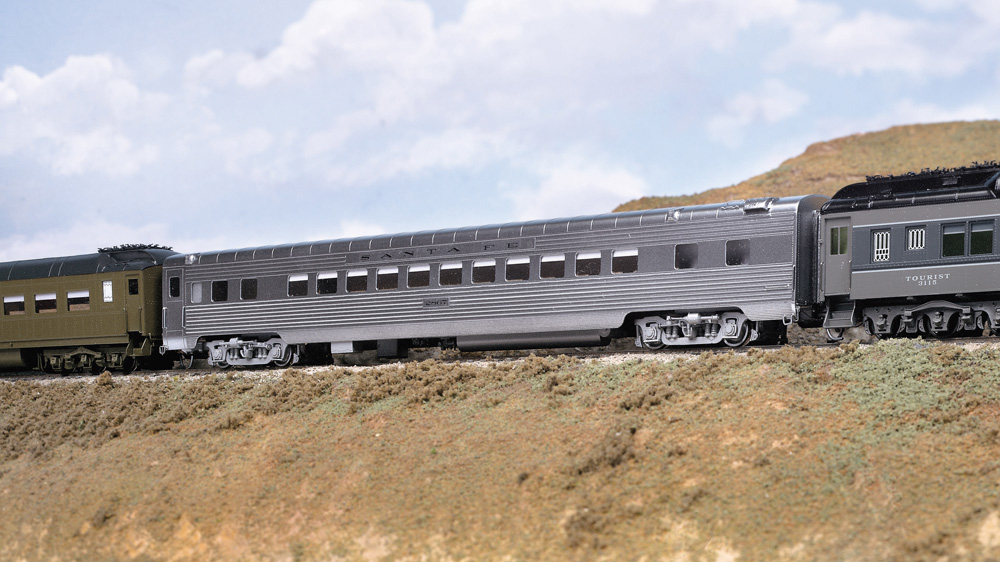
The stainless steel finish for passenger cars made of plastic is typically silver paint that lacks the mirror sheen of real stainless. Even the plated finishes of the brass models don’t have a realistic stainless look, and plated cars from different makers don’t match. I hadn’t found a finish I really liked, though, until I […]
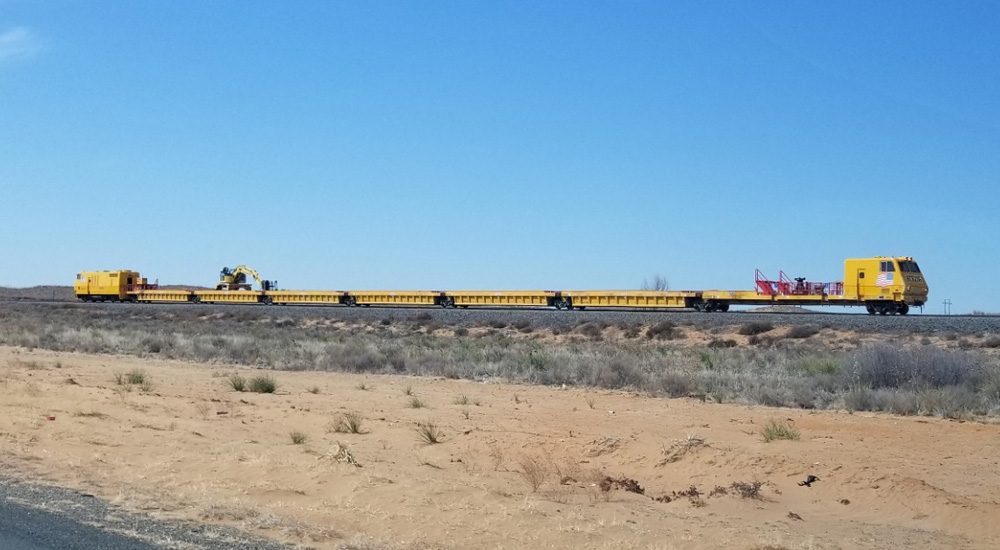
Q: I saw some kind work train on my local BNSF line today that I’ve never seen before and I was curious as to what it was. The thing that surprised me the most is it looks like double stack well cars were converted to MOW duty. Is that the case? – James Cox, Portales, […]