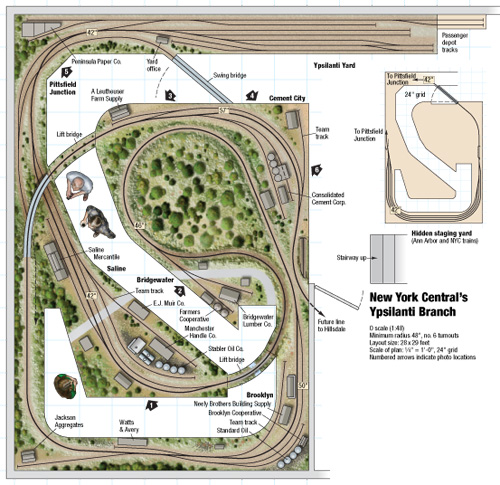

New York Central Ypsilanti Branch

Track plan at a glance Name: New York Central Ypsilanti Branch Scale: O (1:48) Size: 26 x 28 feet Prototype: NYC branch line Era: 1950s Style: walk-in Mainline run: 144 feet Minimum radius: 48″ Minimum turnout: no. 6 Maximum grade: 2 percent Originally appeared in the May 2007 issue of Model Railroader. Click here to […]
Read More…

Lionel O-27 uncoupler is different

Classic Toy Trains magazine logo

Q: You had a great tip about wiring a push-button switch to an old UCS track section, avoiding the original two-button controllers. Since I have an O-27 layout, I tried this with one of my No. 6019 tracks. When I attached the button switch between the number 2 wire and the transformer, the uncoupling magnet […]

Read More…

Broken belt on a postwar Lionel No. 364 log loader

Classic Toy Trains magazine logo

Q: I have a Lionel No. 364 conveyor belt log loader which was received as a gift in the 1940s or early 1950s. The red conveyor belt has disintegrated over time and I would like to know how to service the accessory to get it back into operation. Also, I would appreciate knowing the approximate […]

Read More…

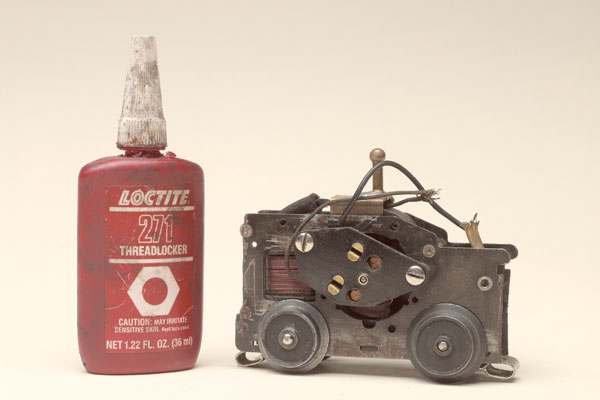
Brushplate bushing repair

A cranky, old toy train locomotive with a terrible growl, a hot-running motor, and anemic power may be trying to tell you something. Before deciding to retire it, though, check the clearance in the armature brushplate bushing. A worn or defective bushing often results in one or more of these locomotive maladies. The solution is […]

Read More…

How to clean and oil O gauge and large scale engines

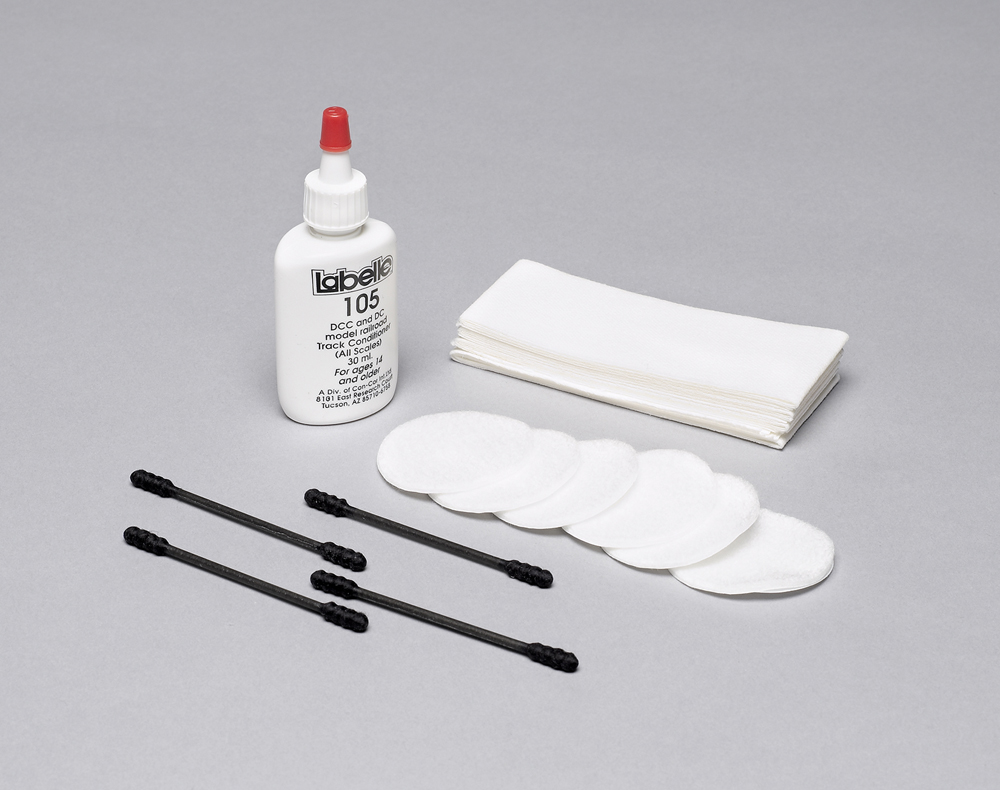
Photo of track cleaning fluid and accessories on white background.

For better or worse, the wheels of O and large scale trains seem to attract more grease and grime than those of HO and N scale pieces. Perhaps it’s the size of the trains, perhaps the shape of the wheels, or perhaps it’s carbon that gets deposited during operation, but either way they get filthy […]

Read More…

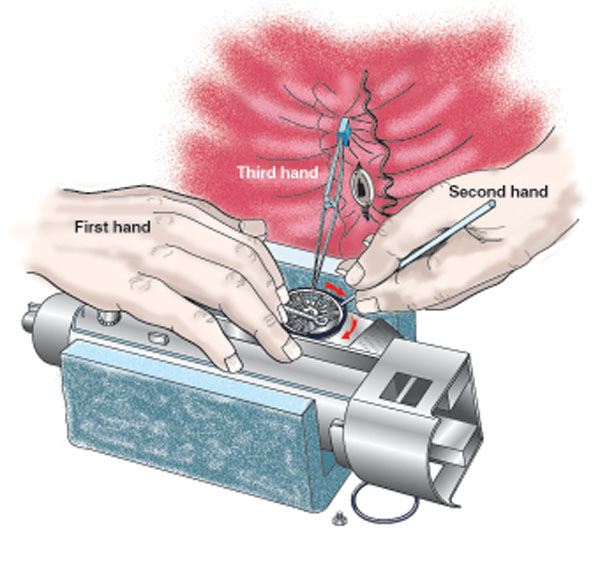
Repairing Lionel’s smoke units

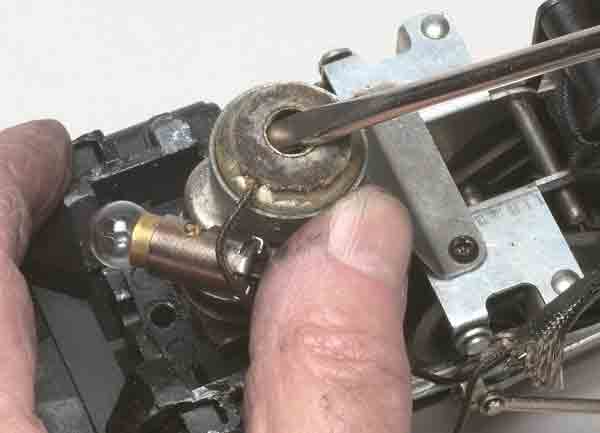
Fig. 1: Pry off the original smoke unit cover with a screwdriver to gain access to the inside. Fig. 2: Remove the heater coil and smoke unit lining, both of which will be replaced in the conversion. Fig. 3: After scrapping and cleaning out all the pellet residue, make sure the air hole is not […]

Read More…

Lillian “Curly” Lawrence and the history of live-steam locomotives

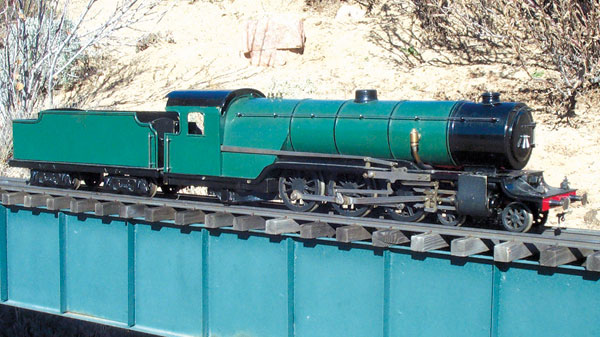
green and black model steam engine on track

Lillian “Curly” Lawrence and the history of live-steam locomotives Lillian “Curly” Lawrence was a British model engineer who lived from 1882 to 1967. He built his first live-steam locomotive at the age of 13 on a used treadle lathe. A curious and reclusive fellow, he wrote live-steam columns for British model-engineering magazines under the pen […]

Read More…