




Terry Thompson took a Lionel GG1 in need of some care and brought it back for trouble-free operation. Learn how to repair and maintain the Lionel GG1 in the July 2013 issue of CTT, and enjoy this video of his renewed GG1 running on our D-146 project layout. […]
Tag: 1946 – 1970
Port Trenton, Baltimore & Ohio Paquettin Division
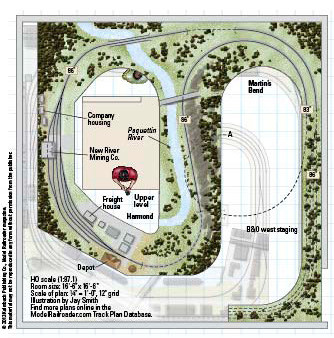
Name: Port Trenton, Baltimore & Ohio Paquettin Division (2013, original version) Layout designer: Mike Tricker Scale: HO (1:87.1) Size: 16′-6″ x 16′-6″ Prototype: Baltimore & Ohio Locale: Appalachian Mountains and New Jersey waterfront Style: partial mushroom Era: early to mid-1950s Mainline run: 78 feet (branchline run: 33 feet) Minimum radius: 30″ (main line), 15″ (waterfront […]
Thin Branch Series: Working with plaster rocks part 2
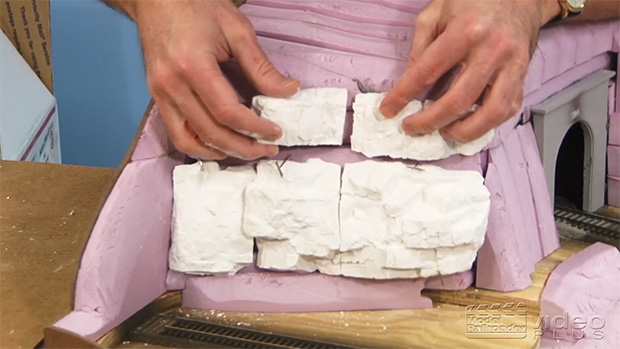
Having trouble viewing this video? Please visit our Video FAQ page Once you’ve cast rocks in plaster, it’s time to install them on the layout. In this video, David shows you how he cut, fit, and cemented plaster rock castings to the Thin Branch project railroad. […]
Thin Branch Series: Working with plaster rocks part 1
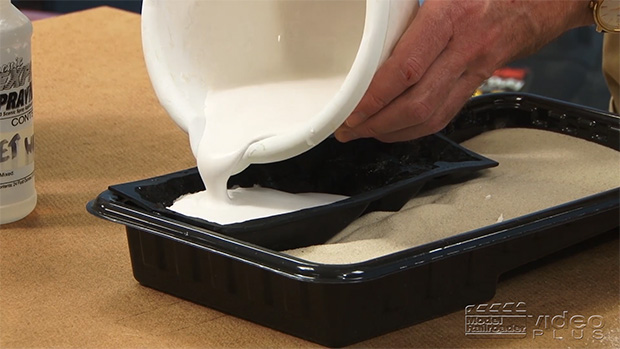
Having trouble viewing this video? Please visit our Video FAQ page Whether it’s a mountain face or just a simple outcropping, sooner or later you’ll probably need to model rocks on your layout. In this video, David shows you how he cast rocks from plaster for the Thin Branch project railroad. […]
Thin Branch Series: Working with plaster rocks part 1
Having trouble viewing this video? Please visit our Video FAQ page Whether it’s a mountain face or just a simple outcropping, sooner or later you’ll probably need to model rocks on your layout. In this video, David shows you how he cast rocks from plaster for the Thin Branch project railroad. […]
Thin Branch Series: Working with plaster rocks part 2
Having trouble viewing this video? Please visit our Video FAQ page Once you’ve cast rocks in plaster, it’s time to install them on the layout. In this video, David shows you how he cut, fit, and cemented plaster rock castings to the Thin Branch project railroad. […]
Santa Fe Ry., Emerald Springs Division
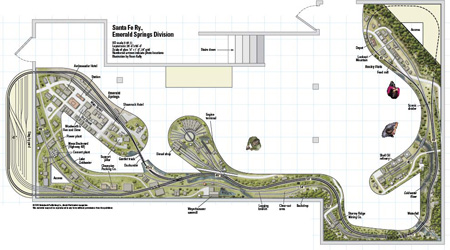
Name: Santa Fe Ry., Emerald Springs Division Layout designer: Tom Noblitt Scale: HO (1:87.1) Size: 28-1⁄2 x 55 feet Prototype: Freelanced Locale: Southern Colorado Era: September 1956 Style: Walk-in Mainline run: 192 feet Minimum radius: 36″ (main) Minimum turnout: Peco no. 6 Maximum grade: 3.5 percent Originally appeared in the May 2013 Model Railroader. Click […]
Thin Branch Series: Introduction and operation of our HO scale branch line
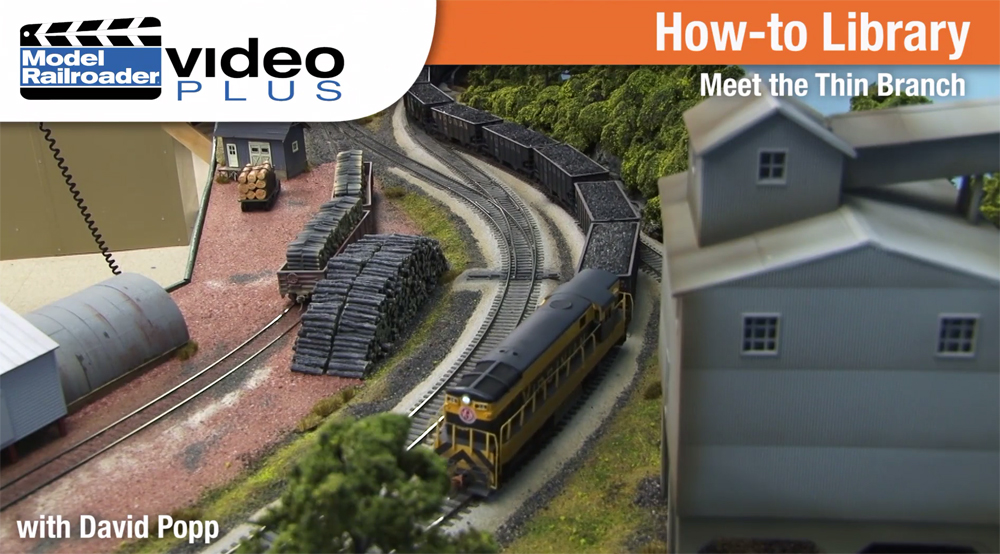
Having trouble viewing this video? Please visit our Video FAQ page The Thin Branch is an HO scale addition to Model Railroader‘s Virginian project railroad. This video introduces the project and also explains how a typical operating session on the Thin Branch works. […]
Thin Branch Series: Introduction and operation of our HO scale branch line
Having trouble viewing this video? Please visit our Video FAQ page The Thin Branch is an HO scale addition to Model Railroader‘s Virginian project railroad. This video introduces the project and also explains how a typical operating session on the Thin Branch works. […]
Build the HO scale Beer Line: Add lights to a layout
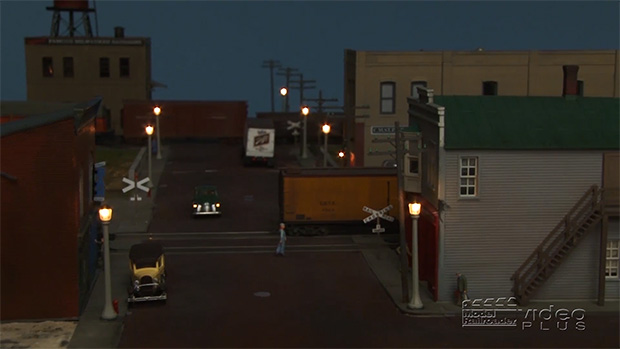
Having trouble viewing this video? Please visit our Video FAQ page Model Railroader’s HO scale Beer Line layout was built to celebrate the magazine’s 75th anniversary. In this video, David Popp shows you how he added miniature lighting to the layout. This is a project that can be accomplished on most model railroads. […]
Build the HO scale Beer Line: Add lights to a layout
Having trouble viewing this video? Please visit our Video FAQ page Model Railroader’s HO scale Beer Line layout was built to celebrate the magazine’s 75th anniversary. In this video, David Popp shows you how he added miniature lighting to the layout. This is a project that can be accomplished on most model railroads. […]
Thin Branch Series: Wire a power reversing switch
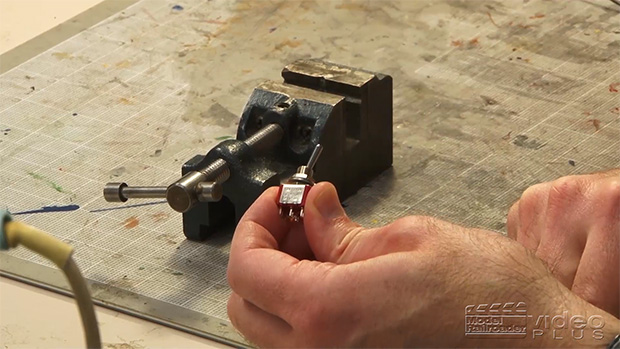
Having trouble viewing this video? Please visit our Video FAQ page Power-reversing switches are commonly used when wiring switch motors or creating reverse loops on DC-powered layouts. Learn how to make your own reversing switches using a common double-pole double throw toggle switch. […]