Passenger Light Rail Oregon transit agency Tri-Met warns of potential service cuts

Oregon transit agency Tri-Met warns of potential service cuts

By David Lassen | April 18, 2025

| Last updated on August 6, 2025


Funding shortage could lead to 15% cuts for Portland area, with more to follow

Email Newsletter

Get the newest photos, videos, stories, and more from Trains.com brands. Sign-up for email today!

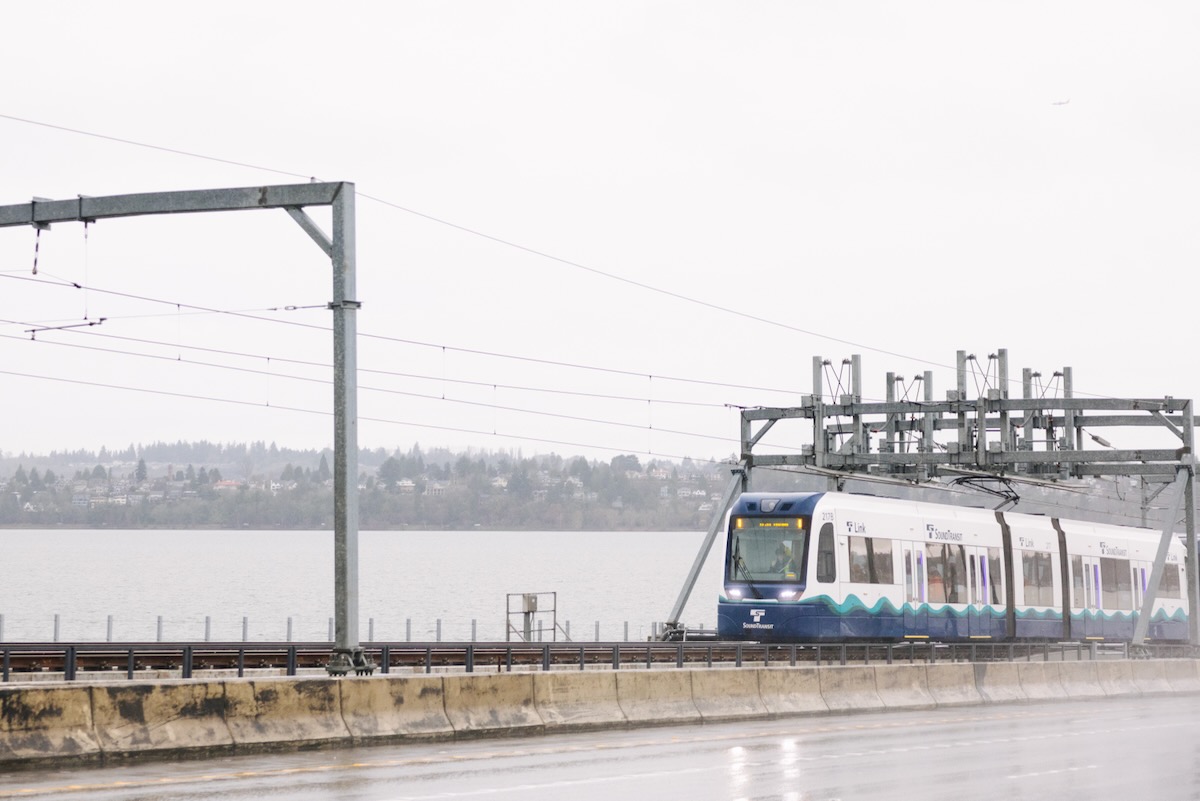
White light rail train at station
Portland-area transit agency TriMet is warning of service cuts of 15% or more without additional state funding. TriMet

PORTLAND, Ore. — Add the Portland area’s Tri-Met to the list of transit agencies warning of dire consequences without an increase in funding.

The agency is warning that it could face a 15% cut in service beginning in 2027, with additional 5% cuts every two years after that, unless its funding is boosted. The agency is seeking a 0.4% increase in the Statewide Transportation Improvement Fund payroll tax — phased in over eight years — to avoid the cuts.

“We appreciate the efforts of the Oregon Legislature to assemble a package that balances funding for all modes of transportation,” TriMet said in a press release. “However, the amount of funding for public transit currently being proposed is not enough to avoid service cuts that will leave tens of thousands of Oregonians stranded without the transportation they depend on, including in TriMet’s tri-county service district.”

TriMet serves a 533-square-mile area in Oregon’s three most populous counties — Multnomah, Washington, and Clackamas — with bus, light rail, commuter rail, and paratransit operations. It says that under the current funding proposal, it would have to eliminate 34 of its 78 bus lines by July 2027, with 17 more to follow over the next four years. Elsewhere, it would reduce frequencies and hours of operation.

Transit operations in Chicago, Pittsburgh, and Philadelphia have also recently sounded warnings about potential major service cuts. All are caught in a spiral including reduced ridership since the pandemic, the end of federal funding to offset pandemic losses, and state politics that often sees rural areas balk at helping to fund urban transit systems.