

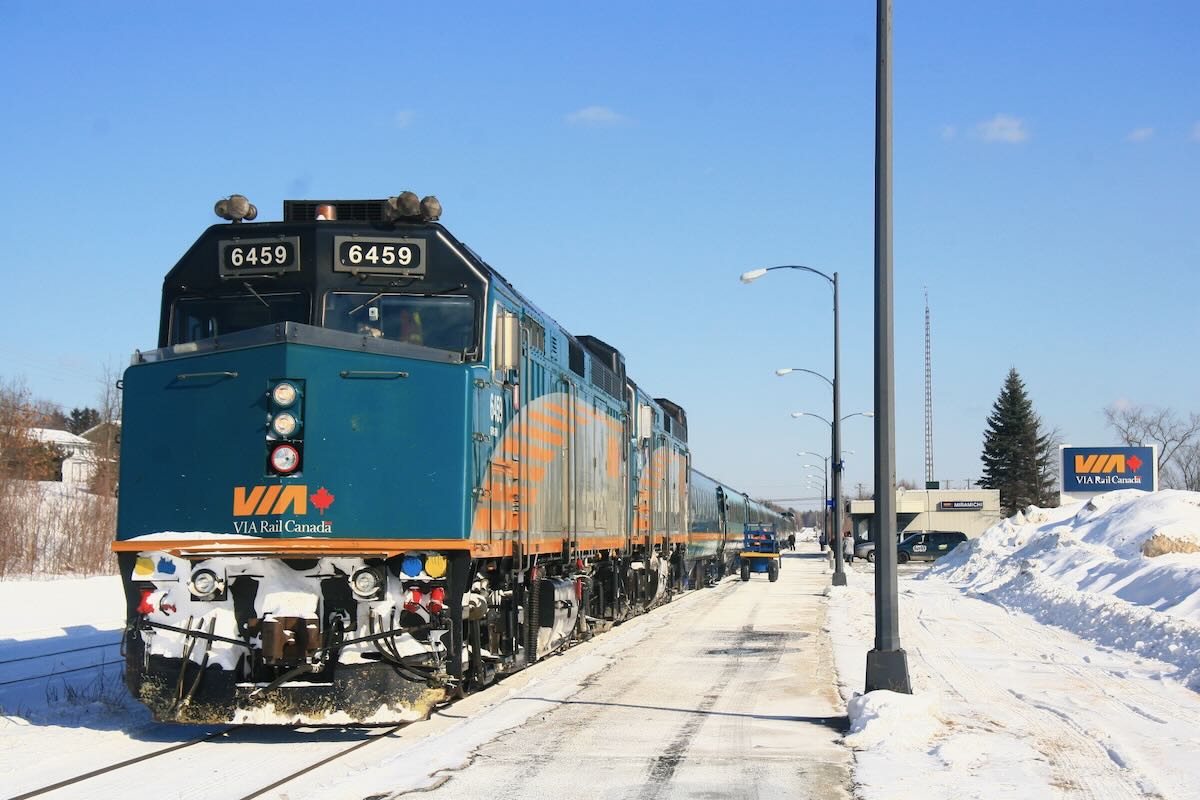
MONTREAL — Shortened consists resulting from a Jan. 11 accident involving VIA Rail Canada’s triweekly Ocean continue to limit capacity even though the Montreal-Halifax, Nova Scotia, train resumed operation on Jan. 30.
Meanwhile, 1950s-vintage Rail Diesel Cars serving remote Ontario communities between Sudbury and White River on CPKC’s main line are finally set to return this Saturday, Feb. 21. VIA was unable to provide substitute equipment for this route after the elderly RDCs broke down on Jan. 28.
Limited ‘Ocean’ availability
The Ocean, which operates with a mix of Renaissance sleeping and dining cars, plus Budd HEP1 stainless steel coaches and sleepers, has been maintaining its triweekly schedule through February, but until last weekend showed no availability until scattered late-March departures. Its equipment shortages stem from the incident in Saint-Alexandre-de-Kamouraska, Quebec, that saw the eastbound Ocean derail after striking vehicles parked too close to the tracks [see “VIA’s Ocean hits parked trucks …,” Trains.com, Jan. 12, 2026].
VIA says “23 cars sustained varying degrees of damage,” adding, “The train has been running with a shortened consist while the remaining repairs are completed. We remain focused on restoring full-consist operations as safely and efficiently as possible.”
Although the Toronto-Vancouver Canadian currently operates with only about half the equipment assigned in summer, VIA says the “cars not in service are undergoing renovations or maintenance so cannot be redeployed.” Sleeping accommodations on that train are a tough ticket year-round: until March 4, the only available Toronto-to-Winnipeg sleeper space is a Prestige class bedroom at C$6,192 ($4,521 U.S.).
Since Trains’ email exchange with VIA, some coach and sleeping car inventory has opened up on the Ocean. But the train, which departs from both Montreal and Halifax on Sundays, Wednesdays, and Fridays, does not have space available in both directions until Wednesday, March 11.
Remote Ontario service halted for 25 days
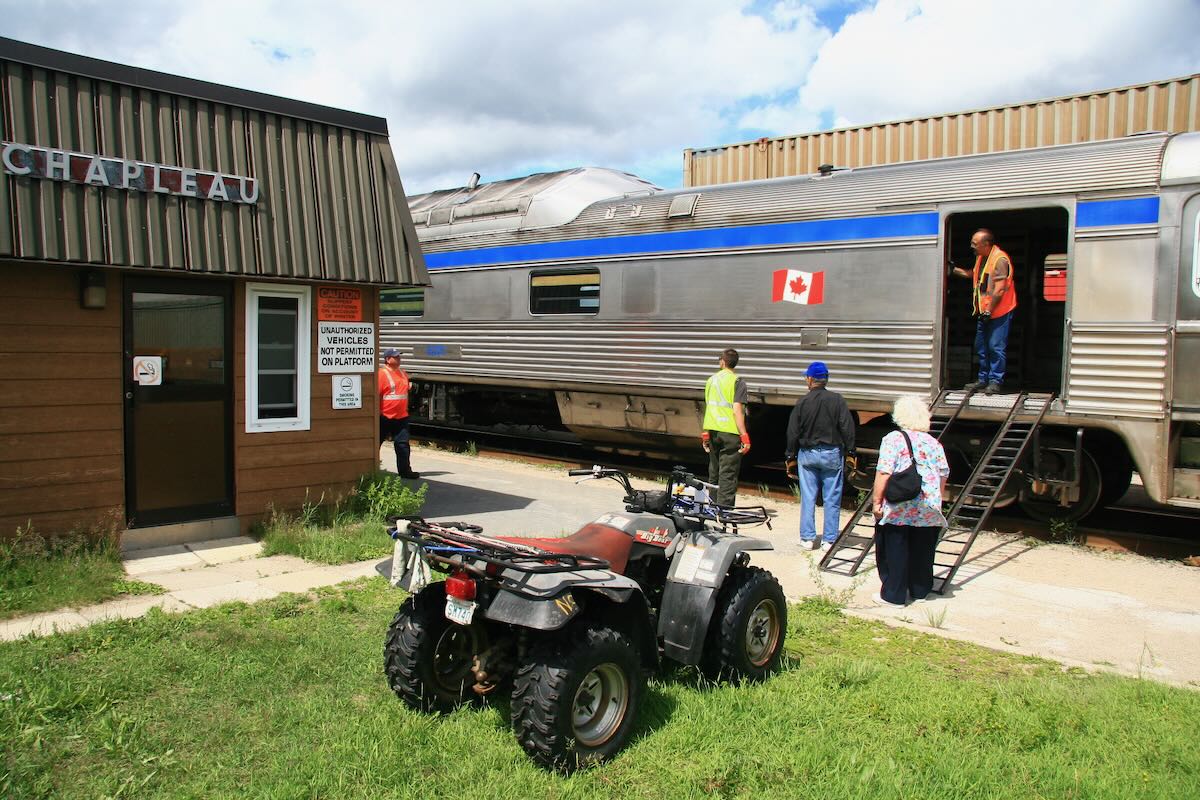
Regarding the Sudbury-White River hiatus, VIA explains to Trains that its RDCs — built by Budd and Canadian Car & Foundry between 1956 and 1958 — were originally scheduled to miss five round trips between Feb. 10 and Feb. 20 to accommodate maintenance. No replacement locomotive-hauled trainset would be provided, so travelers seeking passage to and from the isolated Ontario communities would be out of luck.
“The legacy equipment requires regular and intensive maintenance,” the company says. “Following a Jan. 28 mechanical issue, VIA made the decision to remove the equipment from service earlier than planned in order to allow additional time for necessary maintenance.” VIA said it “acknowledges that this situation has impacted travel plans of our customers, and we apologize for the inconvenience. All affected passengers were informed according to VIA Rail’s policy.”
VIA subsequently announced that “the baggage car” — meaning an RDC2, which includes a baggage compartment — would be removed from Sudbury-White River train No. 185 on Feb. 21, meaning the train would be unable to accommodate oversized items. Such cargo can be significant for the remote areas served by the train. It was not immediately clear how long this change would be in effect.
The news site Sudbury.com’s report on the cancellations links to the “Northern Tracks” blog by Eric Boutilier, which urges area residents to demand a reliable service from government officials. Those residents, he says, “depend on the Sudbury-White River train to access essential services not available in their communities,” so VIA statements “offer little consolation to affected passengers.”
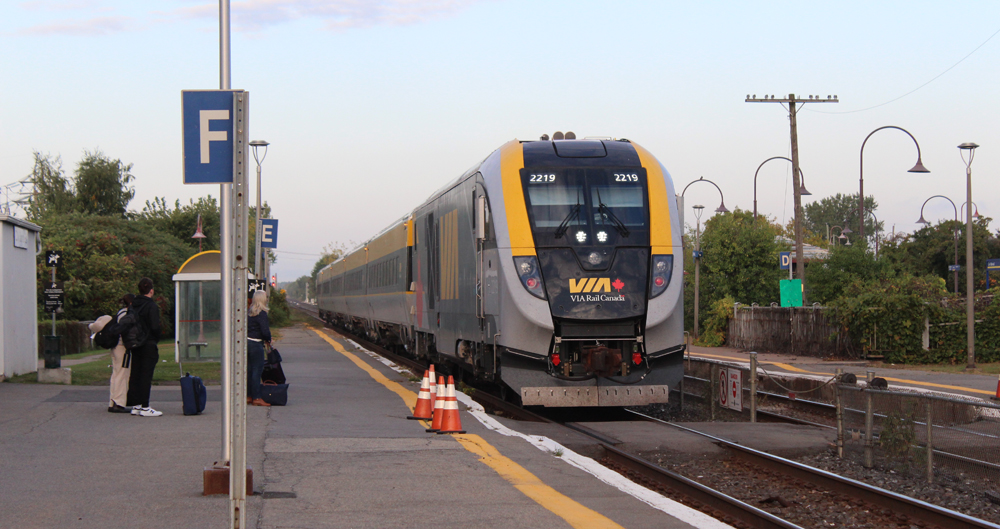
The Ocean and RDC issues follow numerous VIA cancellations in the Quebec City-Windsor, Ont., corridor, attributed primarily to failures of newly acquired Siemens trainsets [see “Weather issues with Siemens equipment …,” Feb. 8, 2026]. Neither VIA nor Siemens have responded to Trains inquiries seeking details on the issues, attributed to “harsh weather conditions.” The current problems mean VIA finds itself unable to meet its commitments on all three of its forms of service: long-distance, corridor, and remote.
At the same time, Alto, the high-speed rail project, continues to conduct an elaborate, publicly funded initiative. Its proposed, largely rural right-of-way would serve corridor population centers where current service is deteriorating. Alto’s website features videos of fast trains and an “online consultation platform” to garner feedback for a route where land acquisition is not likely to begin until years of expensive consultant studies are completed.
VIA’s current passenger service, meanwhile, remains in search of an appropriate funding and regulatory lifeline, as illustrated by the current struggles in serving Ontario and the Maritime provinces.
— Updated Feb. 21 at 5:55 p.m. CT to note baggage issue on Sudbury-White River service. To report news or errors, contact trainsnewswire@firecrown.com.
Share this article