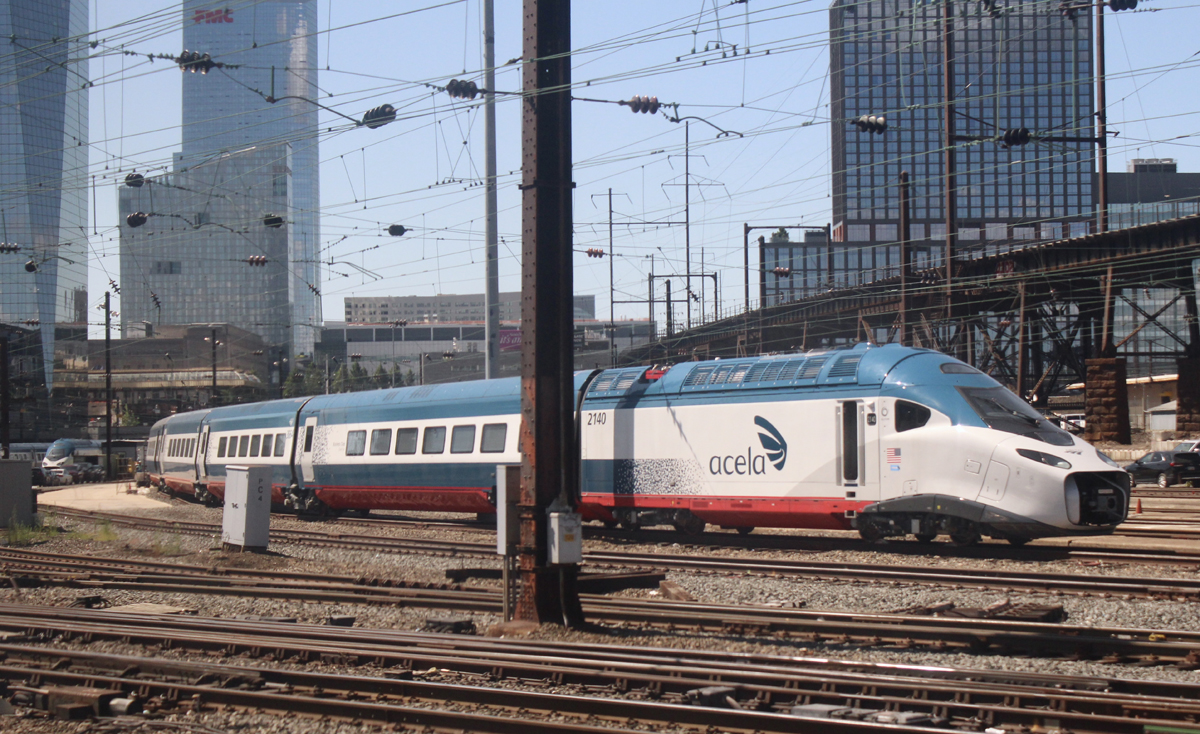


WASHINGTON — Delays principally caused by faulty door activation and slower running over what are normally the fastest portions of Amtrak’s Northeast Corridor have tempered the generally warm reception the “Next Generation” Acela trainsets received when they debuted last week. But the trainsets are now offering passengers a welcome — and long overdue — alternative to their 25-year-old predecessors and 50-year-old Amfleet workhorses.
Operating delays
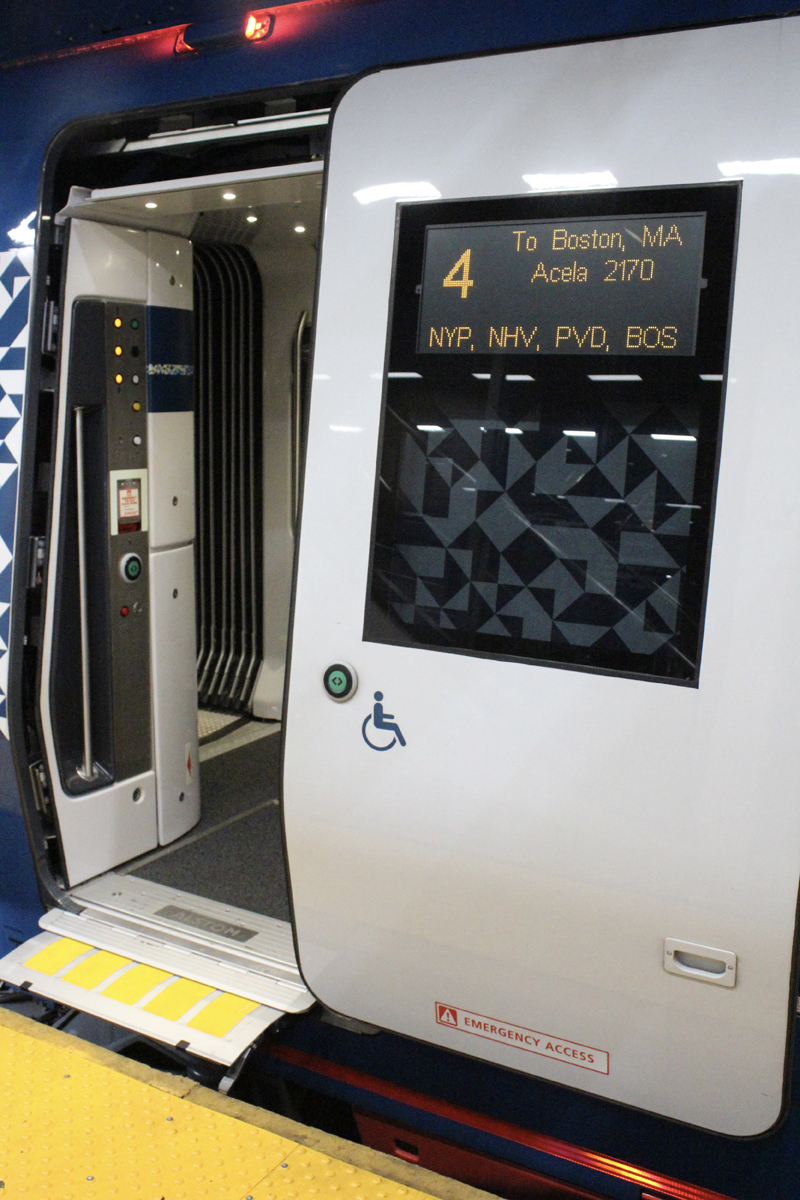
On several occasions since their debut, station dwell times lengthened when doors on the nine-car trainsets did not operate properly. The most consequential disruption reported through Amtrak’s train status app occurred Tuesday, Sept. 2, when eastbound No. 2154 experienced “an earlier mechanical assessment and a brief stoppage to resolve an issue with a mistakenly opened door.” A long pause occurred at New Haven, Conn., on that trip, resulting in a Boston arrival one hour, eight minutes late.
The same day, 43 minutes of delay to No. 2153 into Washington was attributed to “speed restrictions and a mechanical assessment,” while afternoon NextGen No. 2173 arrived 52 minutes late due to an “equipment adjustment while in transit.” Other trains since last Thursday had door malfunctions, and many seemed to lose the most time between New Haven and Providence, R.I. That segment includes short portions of track that can potentially accommodate the trainsets’ advertised 160-mph top speed, once several operating challenges are overcome [see “NextGen Acela expands capacity …,” Trains.com, Aug. 28, 2025]. On Friday, trackwork on the “New Jersey Speedway” between New Brunswick and Trenton slowed many trains.
On the other hand, with one NextGen operating in each direction Saturday and Sunday and two round on trips Labor Day Monday, seven of the eight NextGen assignments either arrived early at their final destinations or no more than 6 minutes late.
A new experience
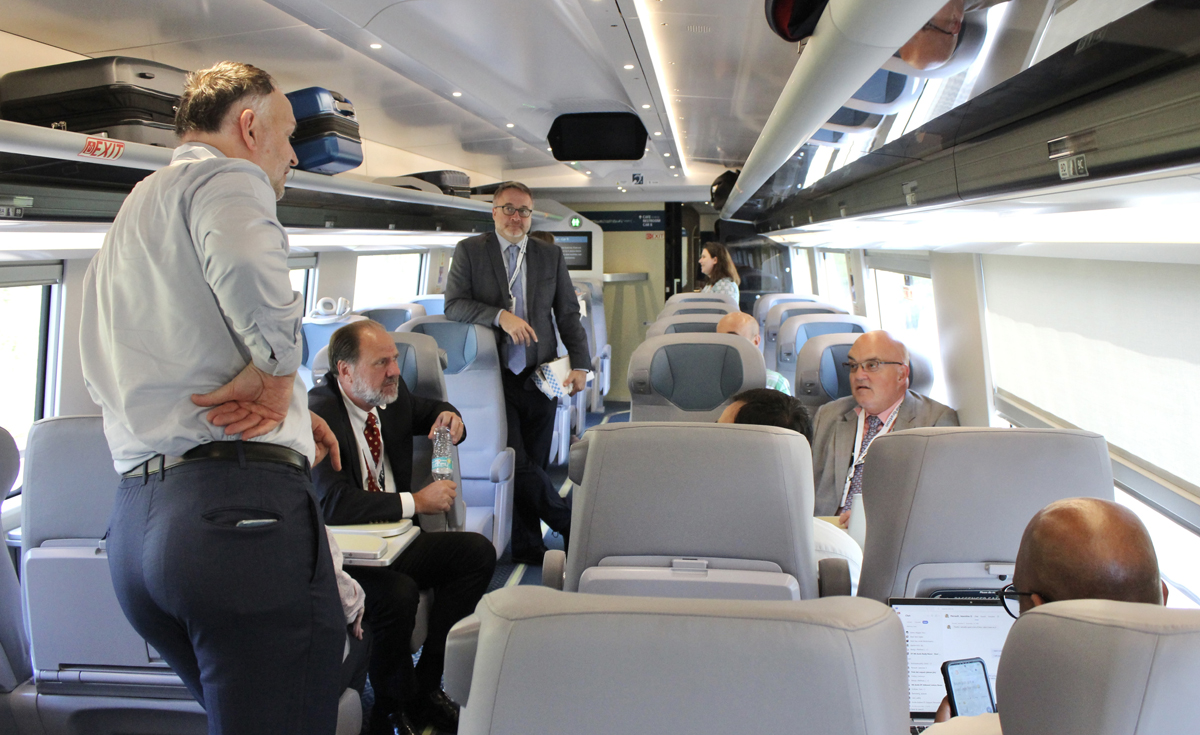
The fact these trains are finally running — remember that at one point they were to be dubbed “Acela 21” — is a relief to all involved, even though there are numerous loose ends to tie up. The seats are a bit narrower and firmer than the original Acela or Amfleet seats. Their slight recline is achieved by the seat sliding forward. However, the shaped headrests and greater spacing that allows power and USB ports access to both occupants are a welcome addition.
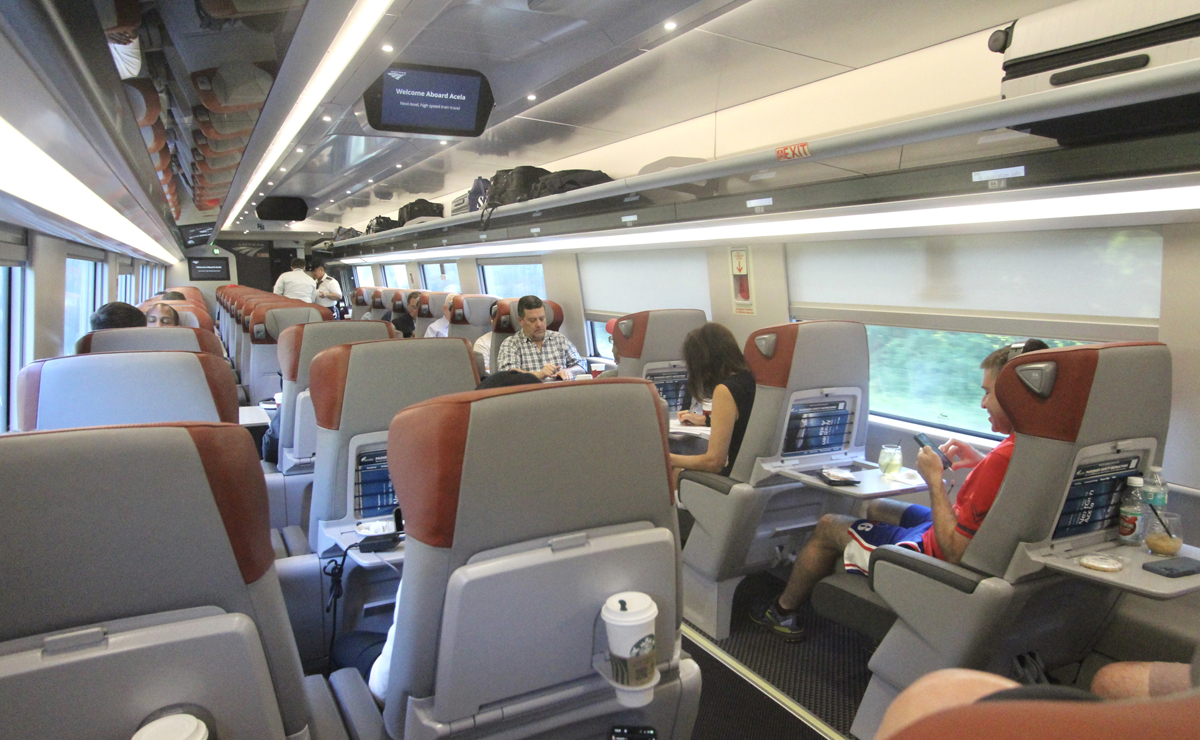
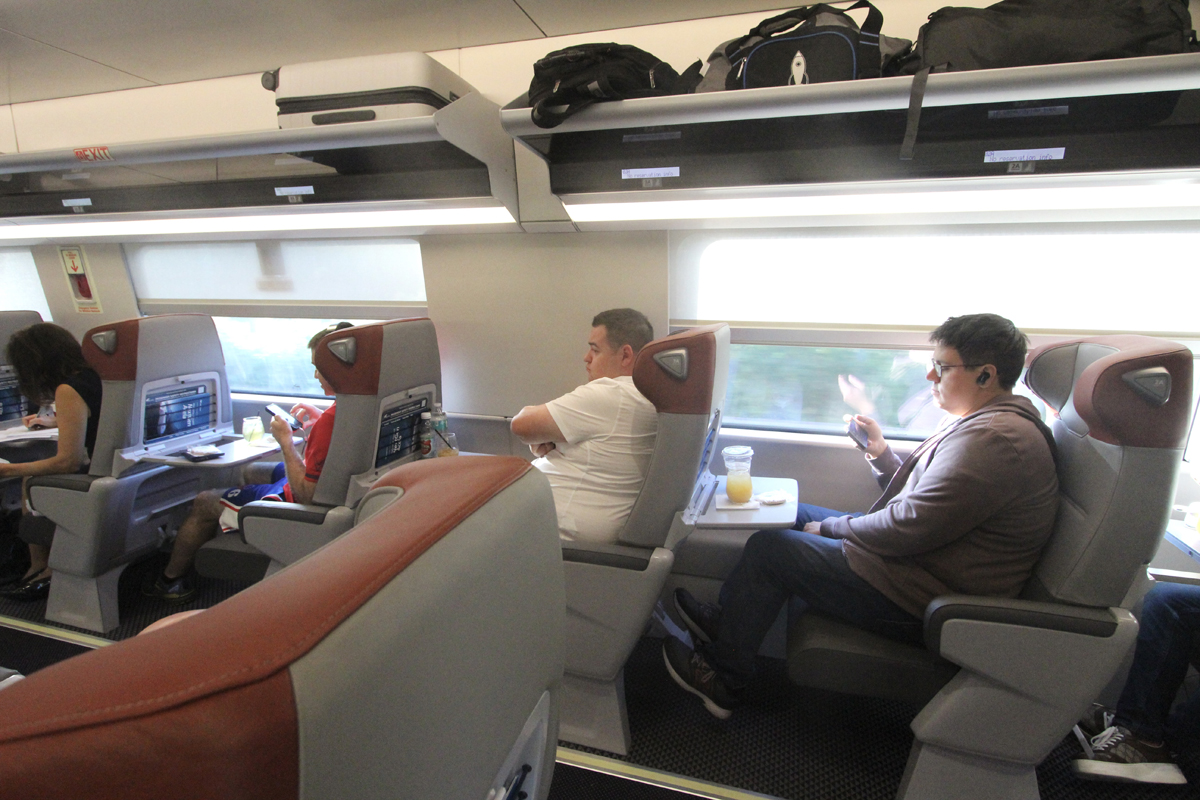
It’s also clear that the equipment has energized Amtrak onboard service staff, proud to preside even though learning how to execute in the new environment must be an adventure. Serving beverages and breakfast to a sold-out house on that Friday morning was efficient and properly orchestrated so passengers destined for Wilmington, Del., and Philadelphia received their meals in time from a first-class galley in the adjacent coach.
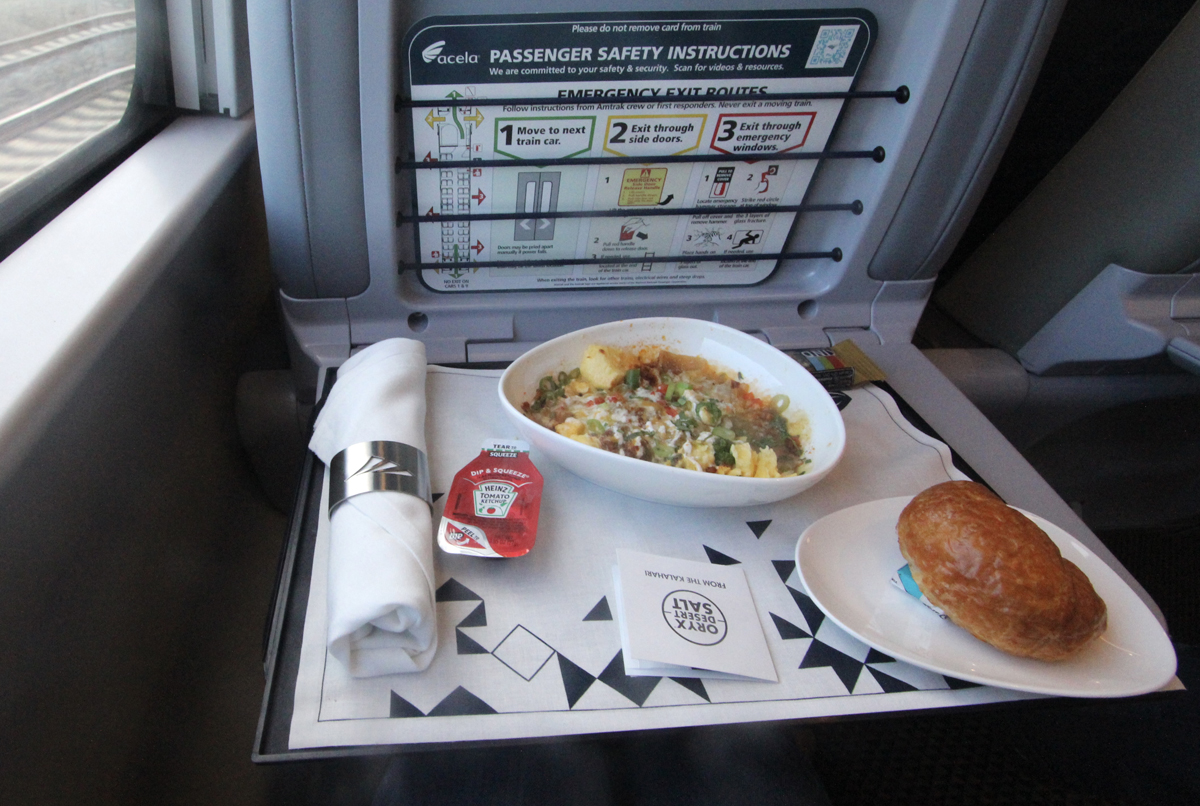
Because extensive testing precipitated changes that require retrofitting on already-manufactured trainsets, it is unclear how fast Amtrak will be able to accept more NextGens to take over or add to existing Acela schedules. But as with any new product, more modifications are likely. That’s what happened to the original Acelas, which went through complete fleet withdrawals when problems with defective yaw dampers, brakes, and tilting mechanisms were detected only a few years after they began operating.
— Updated Sept. 5 at 2 p.m. to correct identification of others in photo with former Amtrak CEO Stephen Gardner.