Passenger Commuter & Regional Caltrain equipment sale to Peru sparks legislation to prevent similar deals

Caltrain equipment sale to Peru sparks legislation to prevent similar deals

By Trains Staff | December 8, 2024

| Last updated on August 6, 2025


State legislator says move is bad for decarbonization effort; Caltrain sees environmental benefits for Lima

Email Newsletter

Get the newest photos, videos, stories, and more from Trains.com brands. Sign-up for email today!

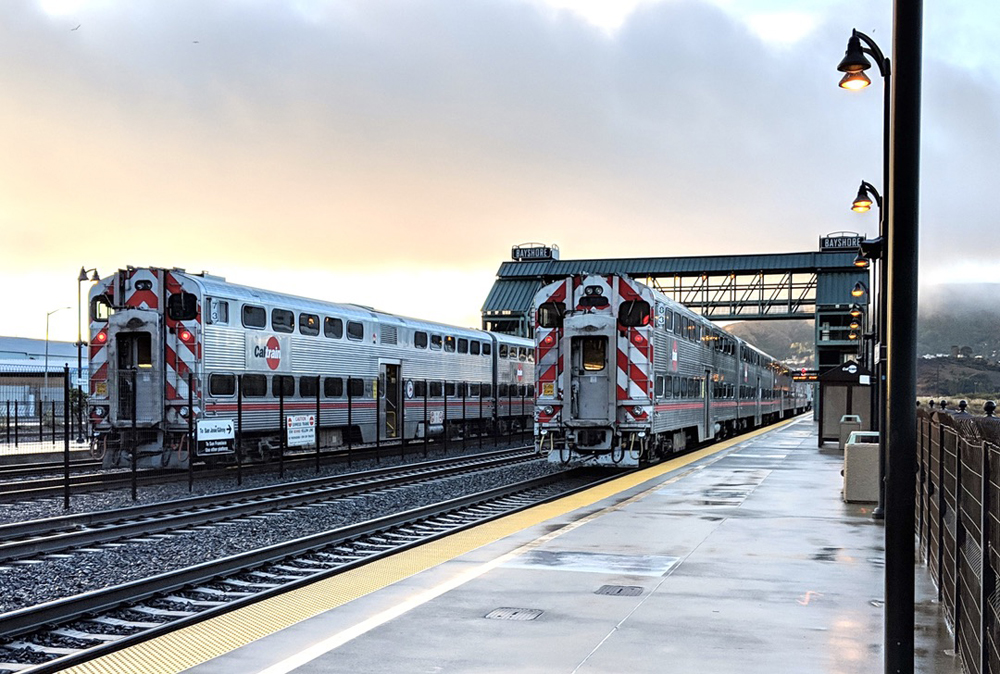
Two commuter trains await departure at station
Legislation introduced in California seeks to prevent a future deal like the one sending retired Caltrain diesel-powered equipment to Peru. Caltrain

SAN JOSE, Calif. — A California state legislator is seeking to bar resale of diesel-powered trains for reuse following Caltrain’s sale of equipment for use to launch a commuter rail service in Lima, Peru.

The San Jose Mercury News reports that state Sen. Dave Cortese (D-San Jose) introduced the bill on Monday. Just a single-sentence summary of the legislation currently appears on the state legislature website, but it would presumably impact only future deals like the one between Caltrain and Lima — not that transaction itself, which has already been signed by both parties and received a waiver from the Bay Area Air Quality Management District [see “Caltrain equipment is bound for Peru,” Trains News Wire, Nov. 16, 2024].

Cortese, in a statement quoted by the Mercury News, said “Are we not all fighting to decarbonize the same air? As a world leader in decarbonization in our transportation sector, we need to lead on this.”

Sam Sargent, director of strategy and policy for Caltrain, pointed out that even with the reuse of the diesels, the sale would have major environmental impacts in Lima. He said a U.S. State Department study said the process would remove 20,000 metric tons of pollution from the air, take 4,000 cars off the road, and generate 150,000 to 250,000 passenger trips on weekdays.

Said Caltrain spokesman Dan Lieberman, “We’re generally of the opinion that any policy that results in more people getting out of cars and into sustainable modes of transit, like trains, is a good policy and one worth pursuing.”

The air quality waiver was required because at least some funding for the Caltrain electrification project that made the Peru-bound equipment was awarded on environmental grounds, and such funds require the equipment being replaced to be disabled to prevent its future use. The involvement of the U.S. State and Commerce departments in the Caltrain-Lima deal may have helped gain the necessary approval.