Progress Rail closes La Grange engine plant
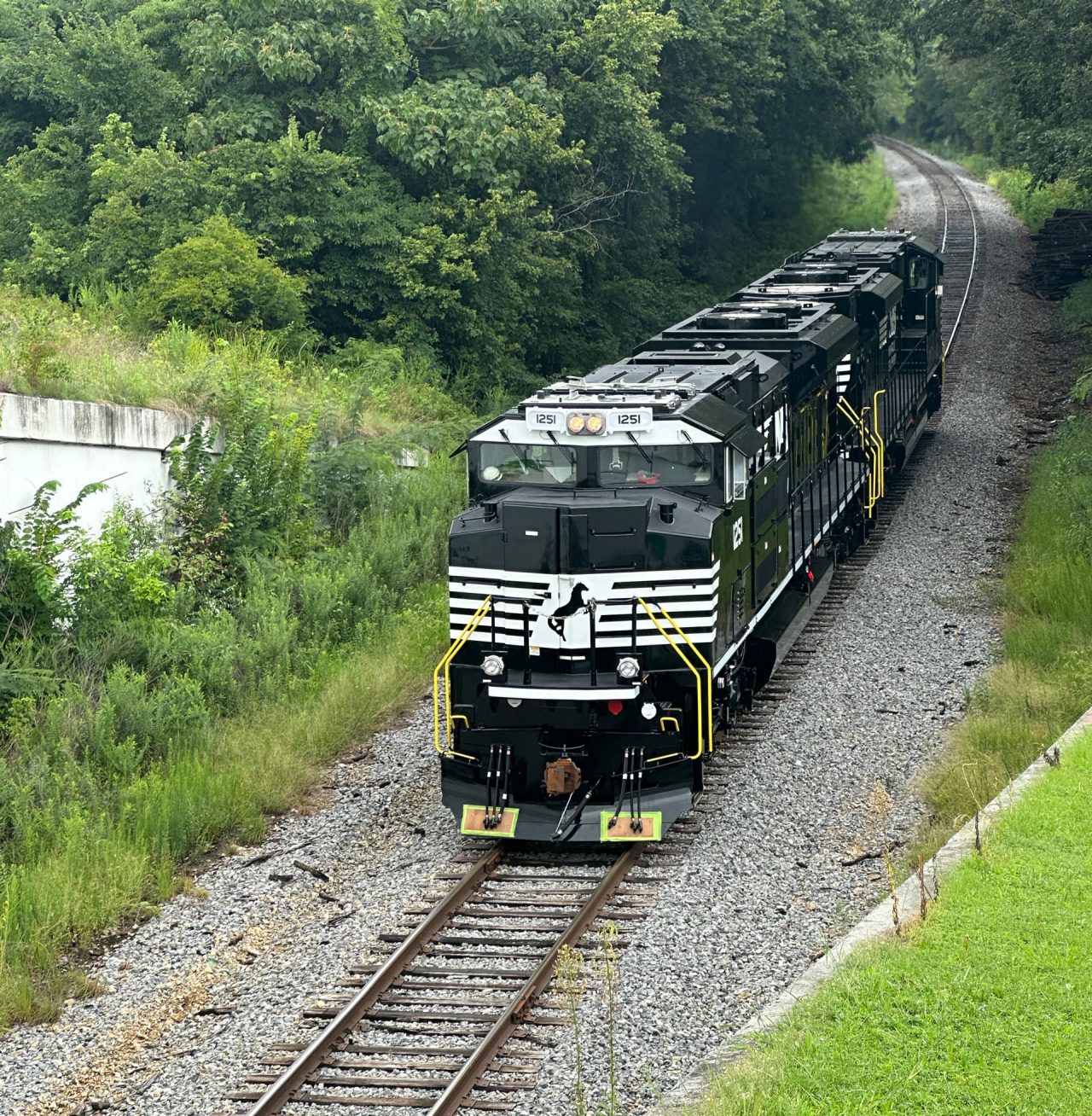
Progress Rail has closed its La Grange, Ill., engine facility, ending manufacturing at a site that had been part of locomotive production since EMD broke ground for its main plant there in 1935. Progress, which announced plans to close the plant in 2018, said it anticipated the transition of engine manufacturing and assembly to Winston-Salem, N.C.; electrical locker manufacturing and assembly to Muncie, Ind.; and other work to outside suppliers, would be complete March 31. “This decision to consolidate allows Progress Rail to use manufacturing space as efficiently as possible and remain a competitive supplier to the rail industry,” Progess said in a statement. “The company continues to maintain the LaGrange office for engineering and administrative support roles, which are not impacted by this consolidation.
Broken rail caused 2019 derailment of CN grain train in Alberta
A broken rail led to derailment of a Canadian National train at Chipman, Alberta, in September 2019, but investigation was unable to determine why the rail broke, according to a report issued Wednesday by the Transportation Safety Board of Canada. The derailment occurred about 4:05 a.m. on Sept. 29, 2019, in Chipman, about 49 miles east of Edmonton, with 18 cars — cars 69 to 86 of a westbound 100-car grain train — derailing. No injuries occurred. The report indicates that most of the cars ended up in a jackknifed position, consistent with sudden, catastrophic rail failure, and video from an eastbound train which had previously passed through the location showed a track anomaly.
Missouri legislative committee approves budget calling for Amtrak cuts
The Missouri House of Representatives’ budget committee has approved a budget that would cut the state-supported Missouri River Runner passenger service between St. Louis and Kansas City, Mo., from two daily round trips to one. The Missourian reports the budget calls for $9.85 million for passenger service, while two daily round trips would cost at least $12.65 million. Prior to the COVID-19 pandemic, the train had operated twice daily and carried more than 170,000 passengers a year. It is currently operating just one round trip because of pandemic-related service reductions.