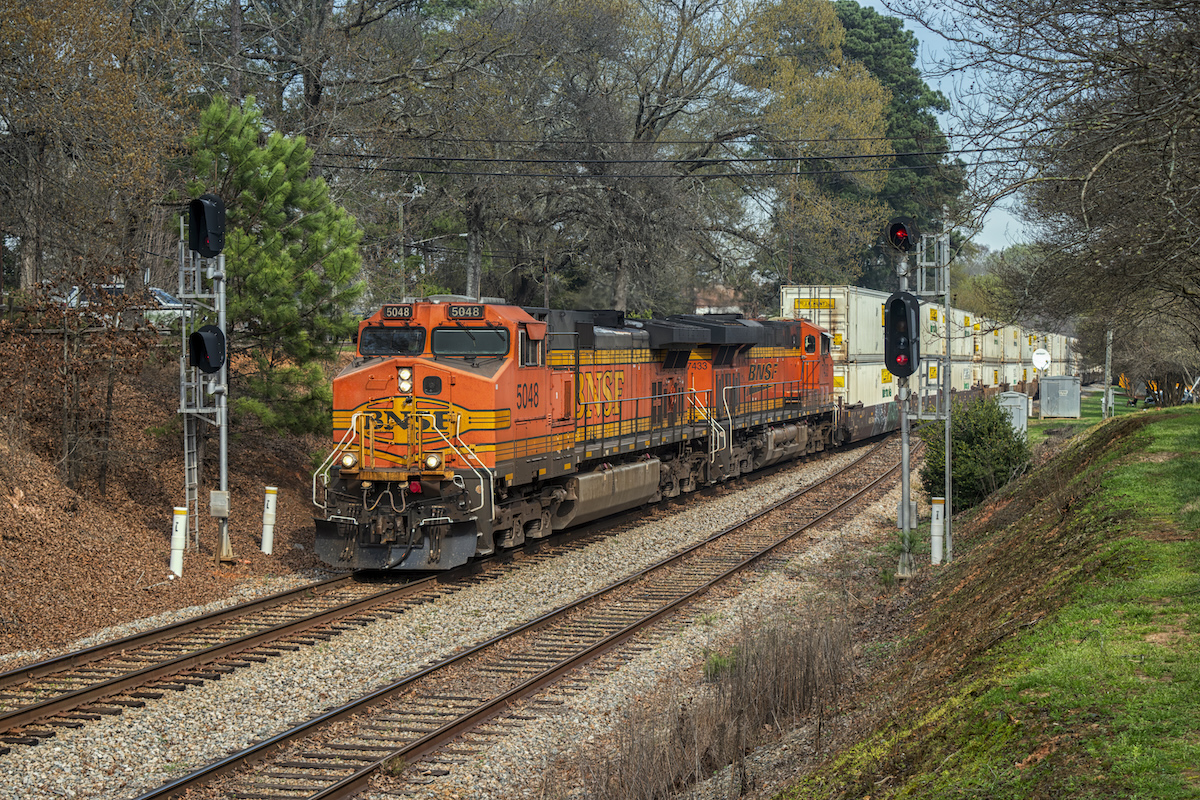


ATLANTA — Norfolk Southern customers engaged in more than $7.7 billion in development for more than 60 new or expanded rail-served industries on NS and its shortline partners, the railroad said today (Monday, Feb. 2).
While U.S. manufacturing saw mixed indicators in 2025, the railroad’s network continued to attract investment. NS has more than 500 U.S. manufacturing projects in the site selection phase.
“Our customers’ $7.7 billion pipeline underscores rail’s foundational — and increasingly strategic — role in U.S. supply chains,” NS Chief Commercial Officer Ed Elkins said in a press release. “In 2026, we’re focusing on creating turnkey sites and achieving ever-higher service standard so that customers benefit from a range of advantages that come with choosing a Norfolk Southern-served property.”
The developments were across a broad range of industrial sectors, including metal, paper, aggregates, and automotive. Among the key projects were a new auto manufacturing facility in Orangeburg, S.C. [see “Auto supplier ready to break ground …,” Trains.com, Dec. 5, 2025] and a $6 billion Eli Lilly and Co. pharmaceutical plant in Huntsville, Ala. [see “Norfolk Southern to serve …,” Dec. 10, 2025].
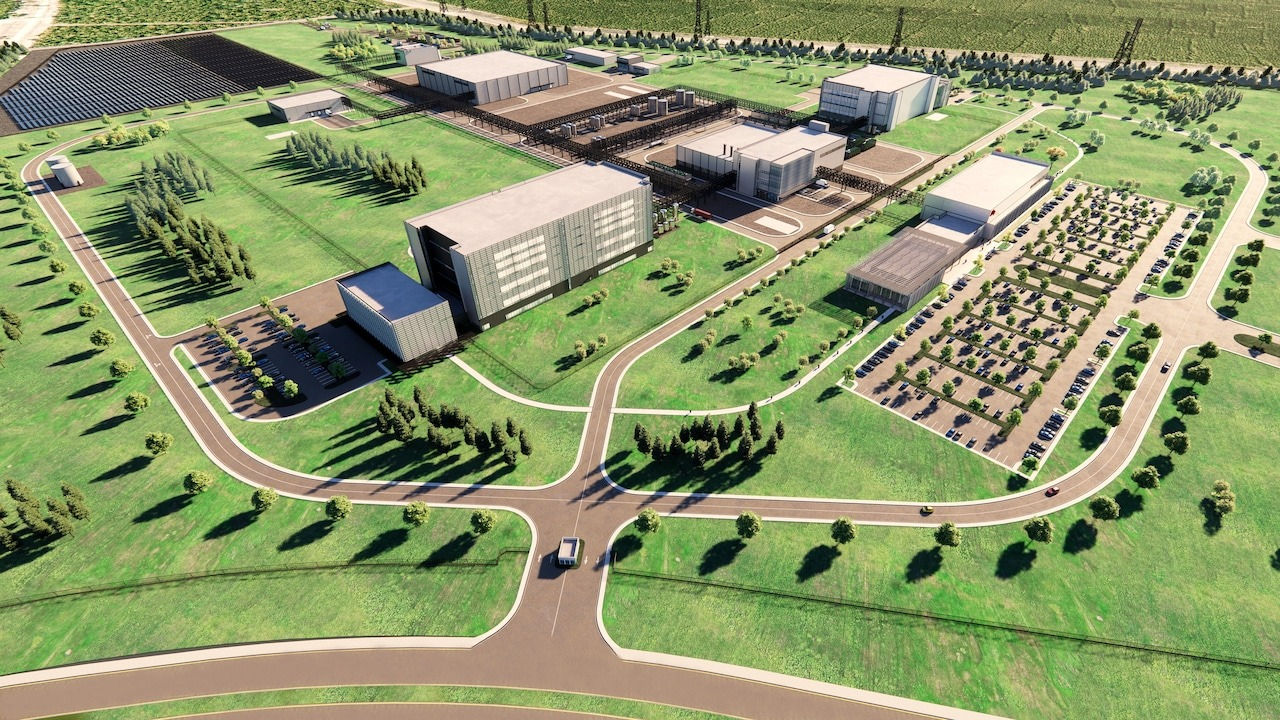
Norfolk Southern’s rail-served sites include 15 that in 2025 were receiving the independent Readiness Evaluation for Development and Investment designation from the Site Selectors Guild.
“These REDI designations make site selection faster and more predictable for companies that rely on rail,” said Craig Hudson, NS group vice president of industrial development. “Our development-ready sites are engineered for rail connectivity and logistical efficiency, which helps customers compress timelines and communities capture high-quality jobs and investment.”
— To report news or errors, contact trainsnewswire@firecrown.com.
Share this article