




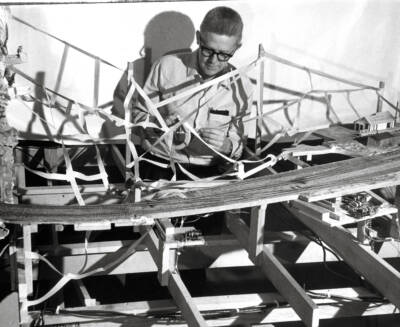
Model Railroaders of the 1970s: Pioneers of Change
The 1970s were a time of change. Model railroading was no exception. Modelers tested new techniques and technologies, while the…
Read more
The 1970s were a time of change. Model railroading was no exception. Modelers tested new techniques and technologies, while the…
Read more
My HO scale Agawa Yard layout is set in a fictional suburb of Vancouver, British Columbia, in the spring of…
Read more
It’s no secret that model railroading can be expensive. Big-ticket individual items, such as locomotives, can carry price tags which…
Read more
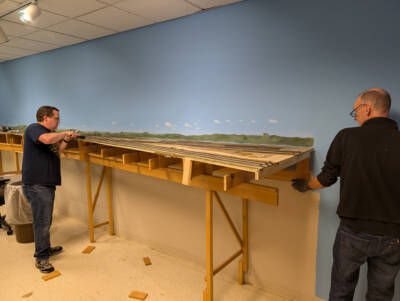
Benchwork is the foundation of a model railroad. Sturdy benchwork and you have a solid base for your layout’s life.…
Read more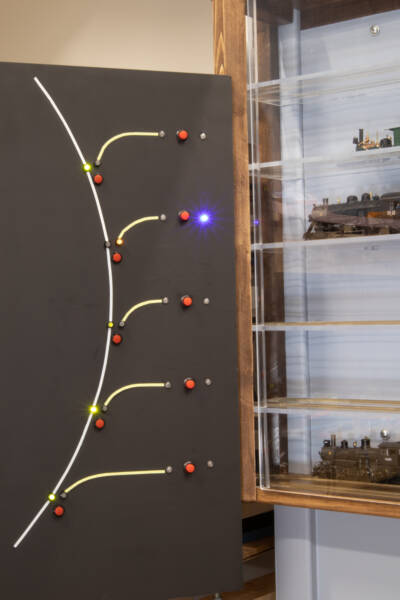
This project is the continuation of the “Build a working display case” project in our October 2024 issue. This second…
Read more
Facts and features Name: Pennsylvania RR Scale: HO (1:87)Size: 6′-8″ x 12′-6″Prototype: freelanced, inspired by PRRLocale: northeastern PennsylvaniaEra: changeable between…
Read more
Facts and features Name: Chicago, Indianapolis & Louisville (Monon) Scale: S (1:64)Size: 38 x 62 feetPrototype: MononLocale: west central IndianaEra:…
Read more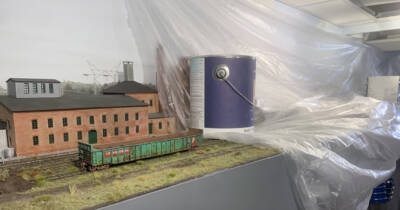
Next to “we are moving” some of the most disconcerting words a layout owner can hear is “we need home…
Read more
Everyone has to move at some point in their life, but for model railroaders, there’s an added task: reassembling a…
Read more
A finished S scale layout or individual model can be both visually and operationally impressive. However, getting the desired model…
Read more
If you’re like me and enjoy riding Amtrak, but also enjoy model railroading, you’ve likely asked yourself “can I take…
Read more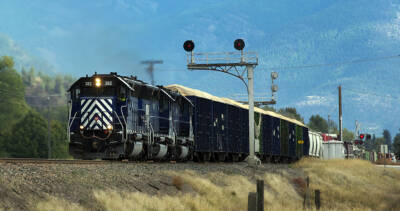
A common question newcomers to model railroading ask is “Why do railroads use signals?” The quick answer is to keep…
Read more