




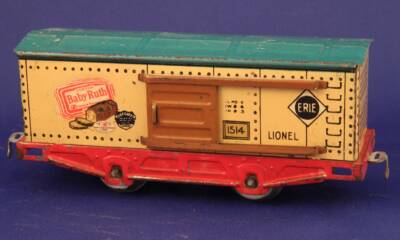
The history of toy train lithography
During the first three decades of the 20th century, most toy train manufacturers simulated the appearance of prototype railroad cars…
Read moreDuring the first three decades of the 20th century, most toy train manufacturers simulated the appearance of prototype railroad cars…
Read more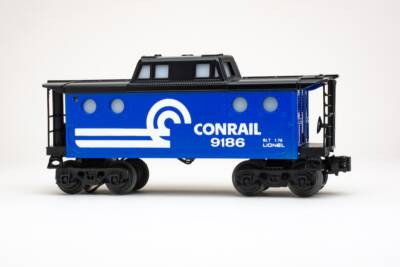
Railroads changed almost endlessly in 20th-century America, due to bankruptcies, mergers, and takeovers. Regional lines combined to improve efficiency, retain…
Read more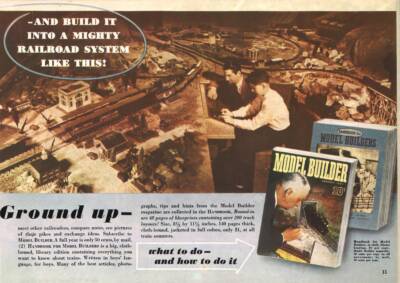
Talk about inspiring dreams of greatness! Sepia-tone photographs sprinkled about in the opening pages of Lionel’s consumer catalog for 1940…
Read more
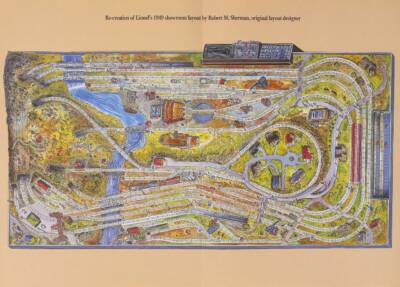
Becoming acquainted with Robert Sherman, the talented and kind-hearted artist affiliated with Lionel and Diorama Studios, stands as a highlight…
Read more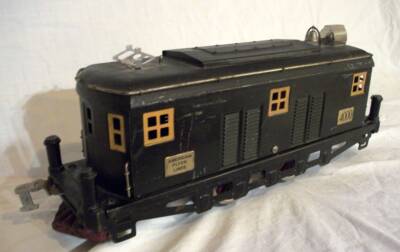
What do I collect? I collect original prewar trains in Standard and Wide Gauge, i.e. 2 1/8”. Lionel created the…
Read more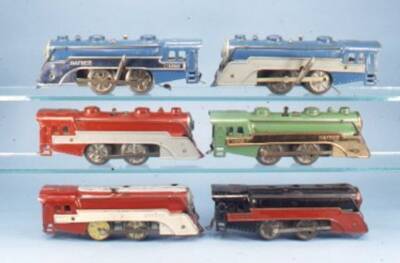
Former Editor Neil Besougloff purchased this manuscript in 2002, and wondered why it hadn’t been used. I found the answer…
Read more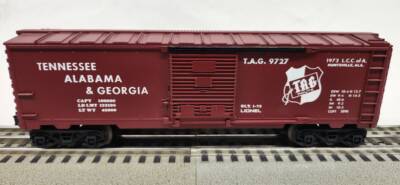
The idea of a custom run product — a manufacturer creating a special item for a retailer not sold in…
Read more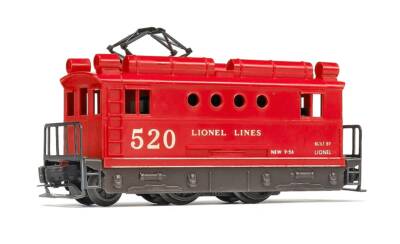
Lionel’s No. 520 Lionel Lines Boxcab Electric stands out among other postwar O-27 locomotives because there is so much about…
Read more
Len Carparelli knew The Lionel Story very well. This talented artist, who made a career from restoring trains, primarily locomotives,…
Read more
In its heyday as “The Standard Railroad of the World,” the Pennsylvania Railroad had thousands of trackside industries systemwide to…
Read more
Lionel’s No. 2159W GG1 Freight Set for 1950 often has received criticism from collectors for being less than outstanding. In…
Read more
I found this manuscript from the late John Grams in our manuscript files. There was no date on the envelope…
Read more