




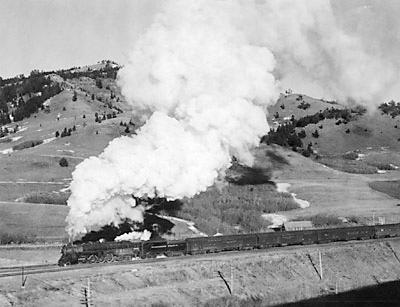
Steam locomotive profile: 4-8-4 Northern
With the general speed-up of passenger train schedules in the 1920s, the need arose for a more powerful version of…
Read moreWith the general speed-up of passenger train schedules in the 1920s, the need arose for a more powerful version of…
Read more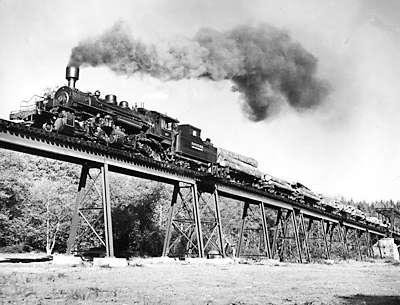
In the 1890s, the Gotthard Railway in Switzerland operated the first Mallet locomotives. They were compound articulated locomotives developed by,…
Read more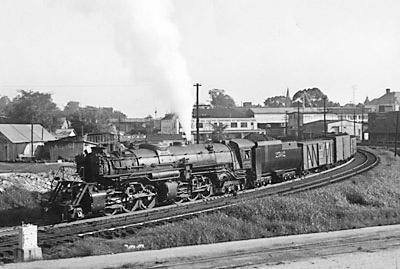
During the latter half of the 1920s the single expansion articulated locomotive had evolved into a very capable machine. It…
Read more
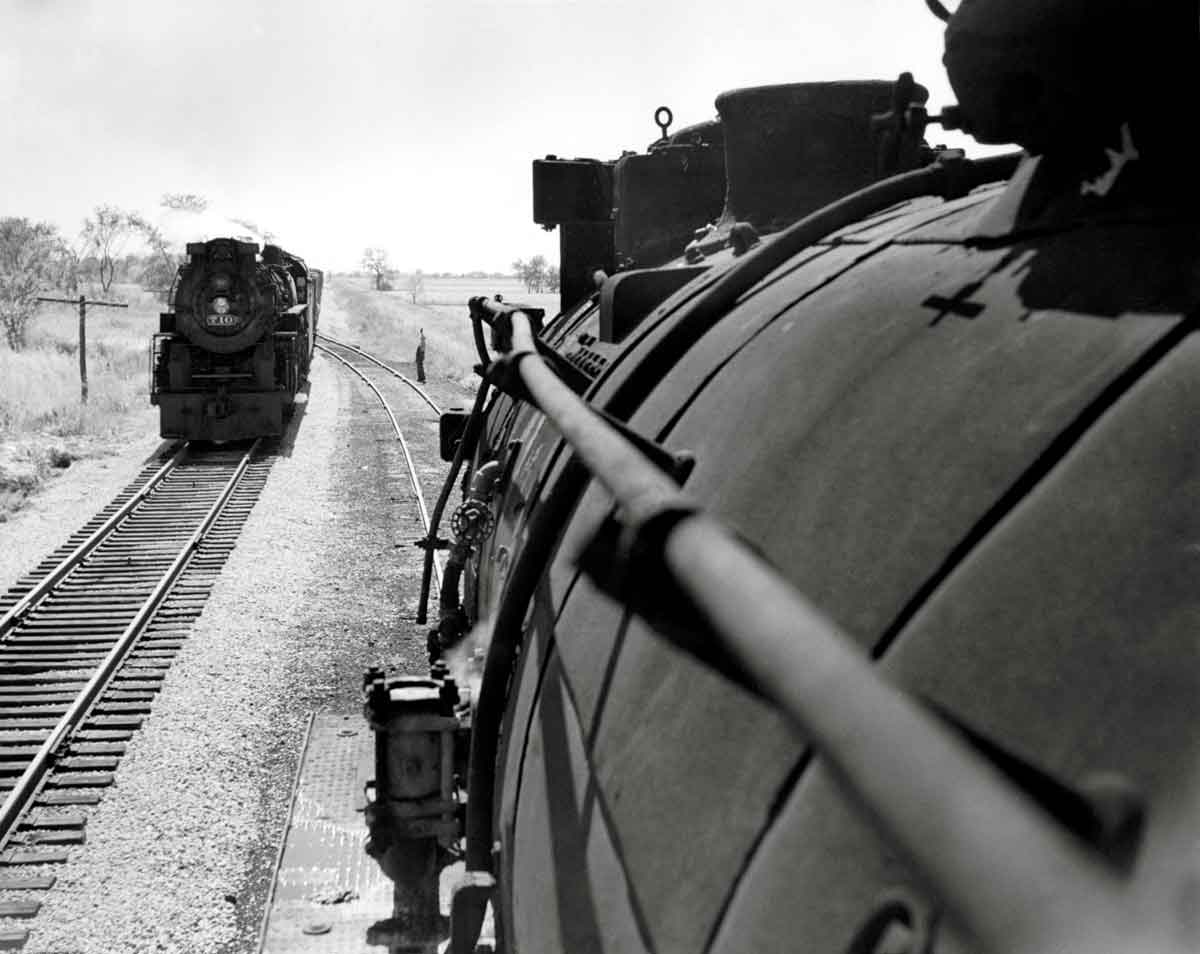
It isn’t much of a stretch to proclaim the 2-8-4 Berkshire-type steam locomotive as the “poster child” of the Super…
Read more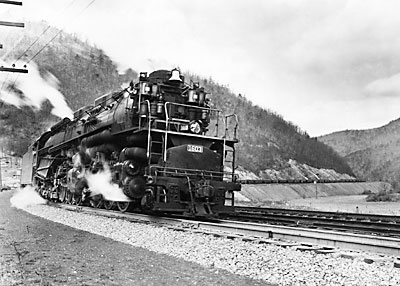
In 1940, the Chesapeake & Ohio needed new locomotives to meet a burgeoning demand for transportation. Its biggest engines were…
Read more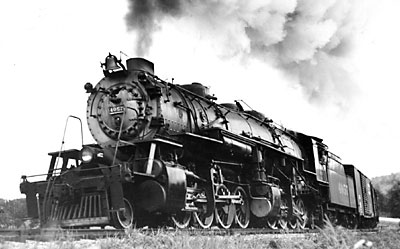
A scant three years after Alco introduced the Mallet to America (with the delivery of B&O’s sole 0-6-6-0 in 1904),…
Read more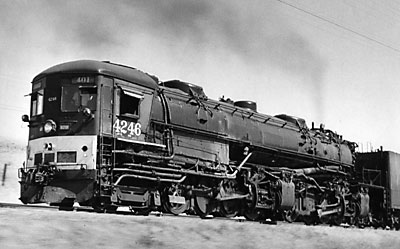
In 1928, the Northern Pacific went shopping for a locomotive that could eliminate doubleheading on the eastern end of its…
Read more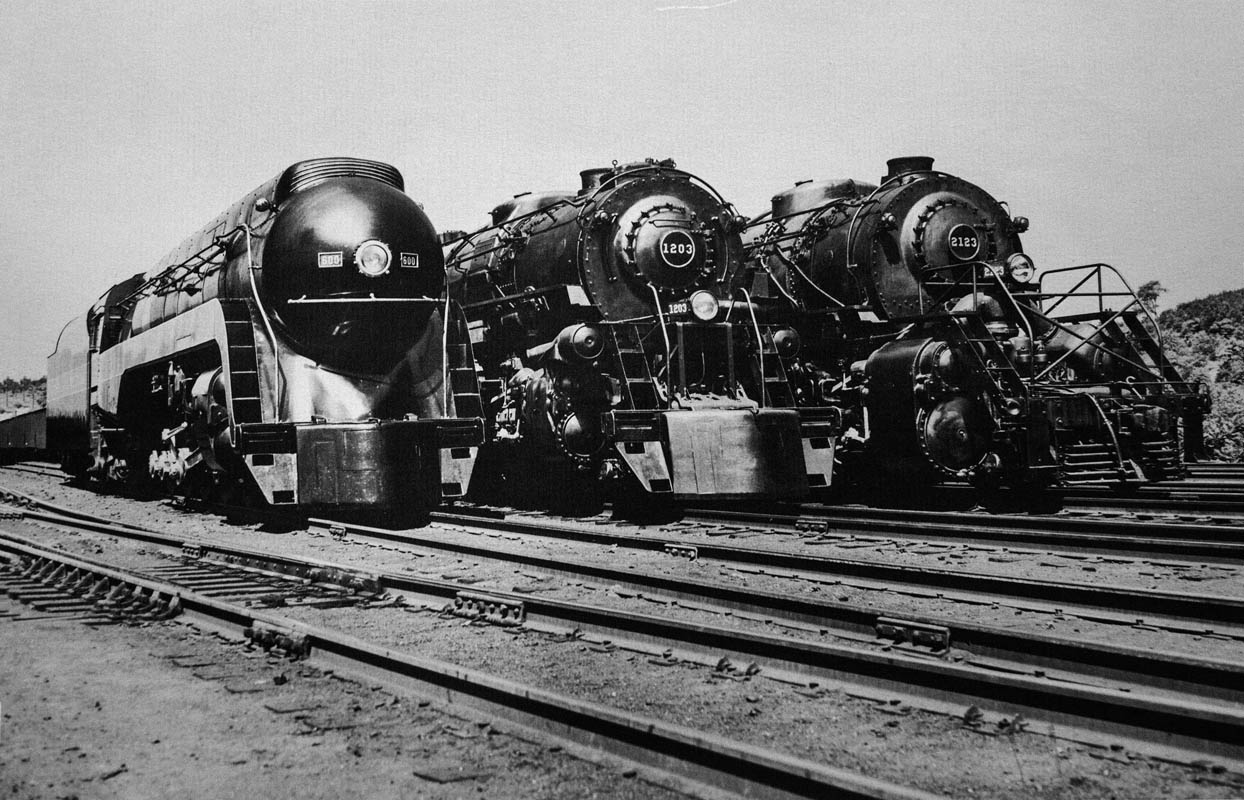
Roanoke, Va., headquarters of the former Norfolk & Western Railway and once known as the “Alamo for Steam,” is home…
Read more
In the 1910s, Lawson Billinton of the London, Brighton & South Coast Railway was tasked with designing a successor to…
Read more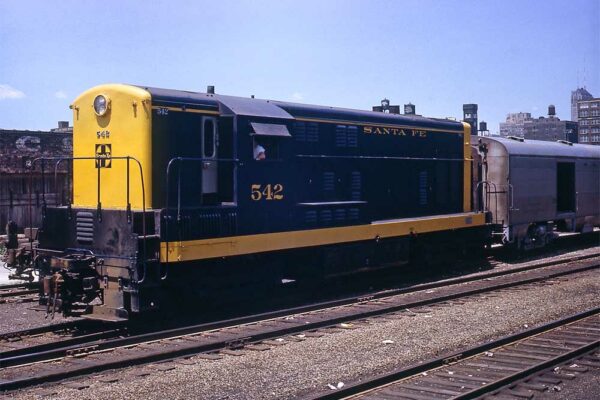
Fairbanks-Morse, the Beloit, Wisconsin-based locomotive manufacturer, was celebrated for its powerful and innovative designs during the transition from steam to…
Read more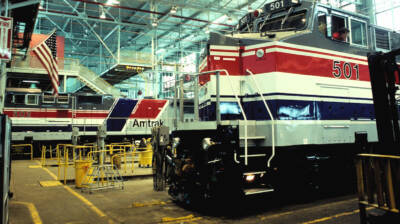
Most railfans will not dispute this statement: The most iconic General Electric locomotives to be employed by Amtrak were the…
Read more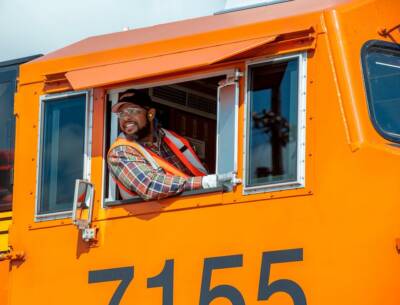
Many of us have had that moment in our lives when we dream of becoming a locomotive engineer. It’s a…
Read more