

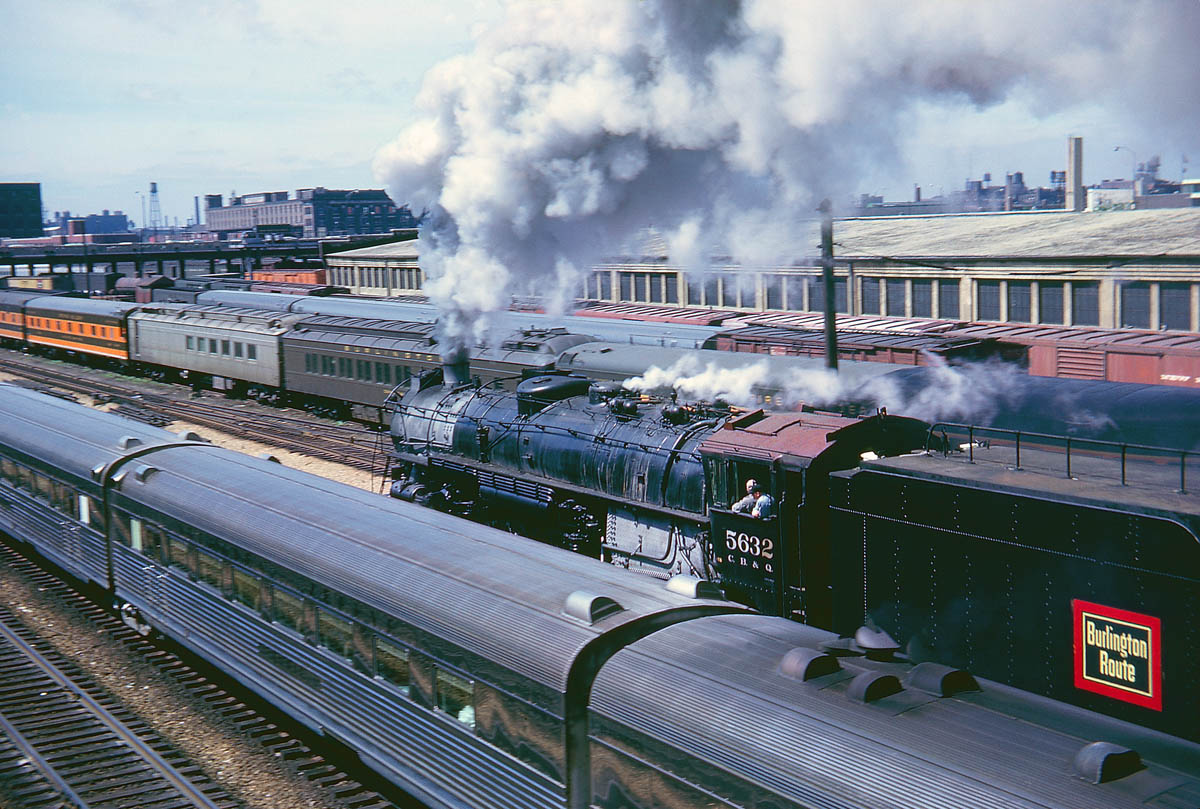
A The cab roofs of some steam locomotives were painted red by certain railroads, both as a matter of style choice and also so the engines of a particular railroad could be easily spotted when they were working in large rail yards that handled several different railroads.
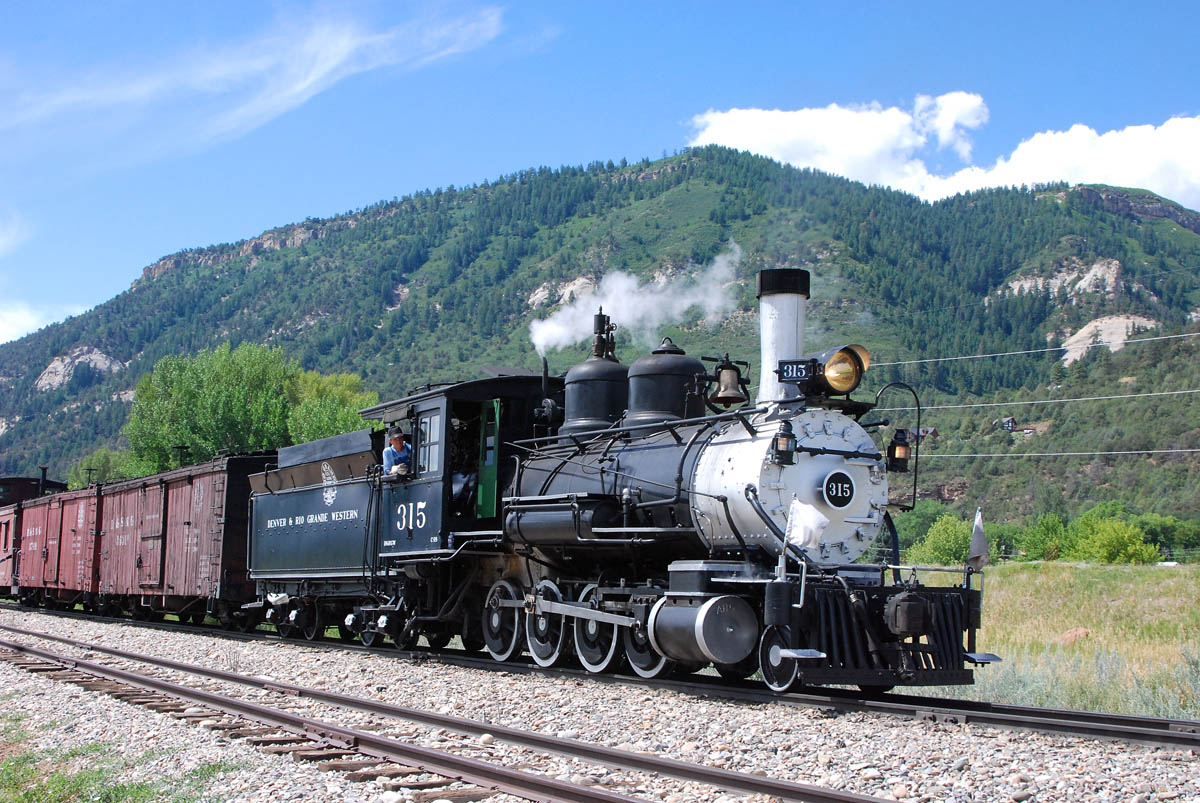
The paint on the smokebox and firebox was a different matter. Both of these surfaces are non-jacketed on steam locomotives, which means that paint would only burn off were it applied to these hot surfaces. Railroads routinely used mixtures of graphite powder and oil to cover these surfaces, which protected the surface from rusting and gave it a rich sheen. The amount of graphite that is mixed with the oil will determine if the coating is dark or takes on a lighter “silver” appearance.
Each railroad used its own mixtures of graphite and oil to give these surfaces the look that it wanted. If you mix silver paint with the graphite and oil before applying it, you can make the smokebox or firebox look like it is painted silver. – Martin E. Hansen, steam historian