
Train Basics ABCs Of Railroading Where diesels go to the doctor

Where diesels go to the doctor

By Chris Guss | March 1, 2018

| Last updated on November 3, 2020


Class I railroads perform heavy repairs at a handful of specialized repair centers across the nation

Email Newsletter

Get the newest photos, videos, stories, and more from Trains.com brands. Sign-up for email today!

NorfolkSouthernJuniataShopAltoonaPennsylvania
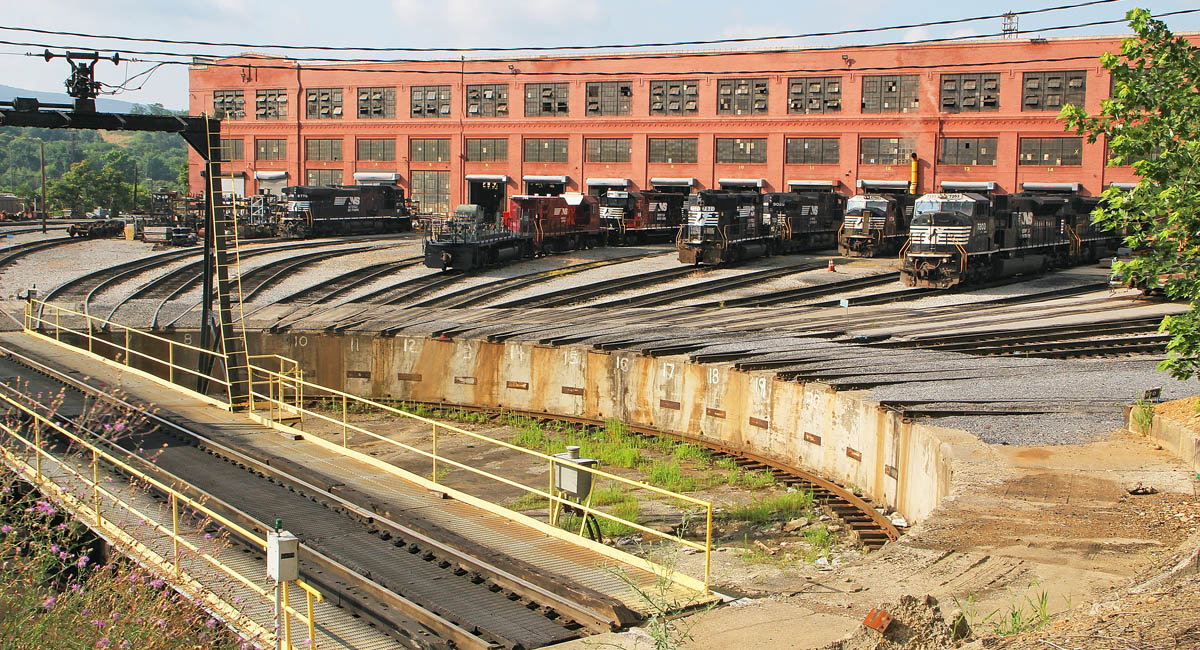
Home for the heaviest rebuild, repair, and repaint work on the Norfolk Southern system is the sprawling former Pennsylvania Railroad Juniata Shops in Altoona, Pa. The backshop is the heart of this operation in the Keystone State.
Alex Mayes
Diesel locomotives are amazing. They are built to withstand the rigors of service, running 24 hours a day, seven days a week for decades. But the stress of endlessly operating for long periods of time coupled with outside forces such as slack action, rough track, and extreme environmental changes, means failures will occur. When the inevitable does happen, railroads must route an ailing locomotive to a shop and get the unit back on the road handling freight as soon as possible. In the steam era, locomotives shops were plentiful, but as diesels took over and railroads merged, the number of shops has dwindled as outdated or redundant shops were eliminated.

Today, major railroads have at least one major shop that handles heavy locomotive work. This facility can perform major rebuilds, wreck repairs, overhauls, paint, and even new locomotive construction. These heavy locomotive shops can be newer facilities such as Union Pacific’s Downing B.

Jenks shop in North Little Rock, Ark., that was constructed in 1984, or housed in buildings built in the steam era and repurposed when diesels took over. BNSF Railway’s shop in Topeka, Kansas, is one such example and has been operated by BNSF and predecessor Santa Fe for almost 150 years.

While these shops are more specialty in nature, the railroads also have a number of small-to-medium-sized facilities across their system to handle light-to-moderate repairs that don’t require a trip to a heavy locomotive repair shop. Types of work handled by these shops can be as small as minor electrical work to replacement of traction motors, alternators, and other larger items that may fail and need replacement.
KCSSD70MAC3920ShreveportLouisiana
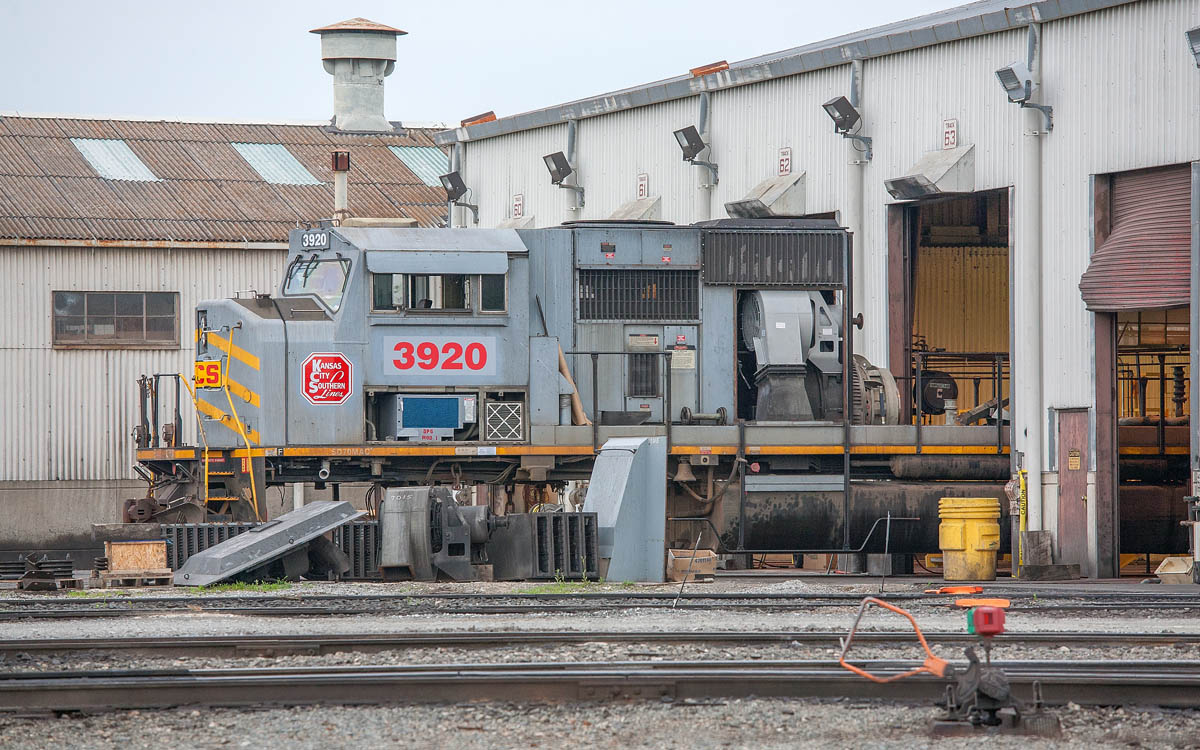
Kansas City Southern units, like SD70MAC No. 3920, get heavy work at the shop in Shreveport, La.
Chris Guss
With the advent of maintenance contracts in the 1980s, portions of railroad shops at various locations have been dedicated to the maintenance of locomotives under contract. These contracts are typically for new locomotives and specify performance guarantees for the fleet of units covered for a certain period of time. The locomotives are still maintained by employees of the railroad, but are managed by personnel from the locomotive builder that sold the maintenance contract to the railroad. Contracts can span almost the life of the locomotive or end with the first contract term, with the railroad assuming full maintenance of the units.

Before consolidations and reductions in the number of shops, the vast majority of work was performed in-house by a railroad’s own employees. There has been a trend to send more locomotive maintenance to third-party companies over the years. Ironically, many of these third-party companies have their businesses located in the same locomotive shops the Class I railroads vacated.

Some third-party shops can see a steady flow of work from a railroad, ranging from overhauling and/or upgrading older locomotives to smaller maintenance work for years while other railroads choose to send work to third-party companies more sparingly.

Class I railroad locomotive shops

  • BNSF – Topeka, Kansas
  • Canadian National – Homewood, Ill.
  • Canadian Pacific – St. Paul, Minn.
  • CSX – Waycross, Ga.; Huntington, W.Va.; Cumberland, Md.
  • Kansas City Southern – Shreveport, La.
  • Norfolk Southern – Altoona, Pa.; Roanoke, Va.; Chattanooga, Tenn.
  • Union Pacific – North Little Rock, Ark.

This story originally appeared in the March 2017 issue of Trains Magazine.