Virgin Trains bid for UK West Coast service disqualified NEWSWIRE

Virgin Trains bid for UK West Coast service disqualified NEWSWIRE

By Keith Fender | April 11, 2019

| Last updated on November 3, 2020


Ruling could mean end of Virgin Trains' British business

Virgin_Trains_UK_Fender
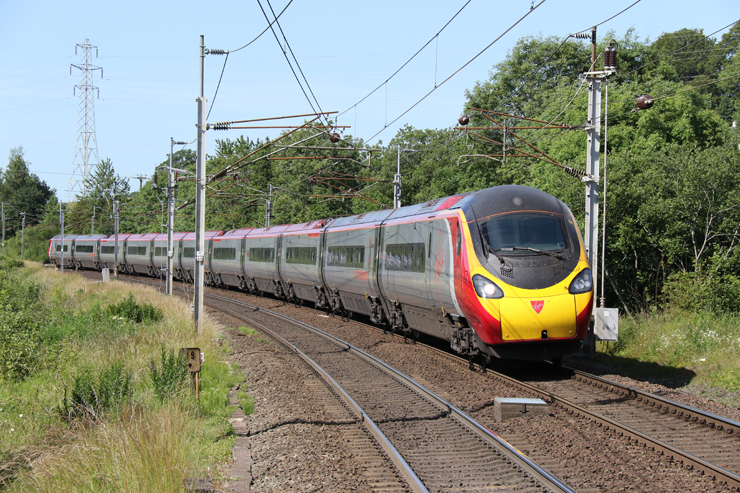
A Virgin Trains Pendolino train on the West Coast route in Oxenholme in northern England in July 2018. The trainsets are owned by a leasing business, not by Virgin, and will be used by whoever takes over West Coast operations.
Keith Fender

LONDON — Days after unveiling new the rebranded Virgin MiamiCentral station as part of the rebranding of Brightline into Virgin Trains USA, Virgin Group chairman Sir Richard Branson has received bad news on another rail operation.  His Virgin Rail company may disappear from the British rail network before Christmas, and certainly by next March, after the British government disqualified its bid to continue operations in the UK.

The bids led by Virgin’s partner, British transport group Stagecoach, was to continue to run the West Coast network from London to Manchester, Liverpool, and Glasgow. Virgin has operated the network since it was privatized in 1997. Virgin sold 49% of its UK rail company Virgin Trains to Stagecoach in 1998 and the two companies have cooperated on the route since then.

The new 11-to-15-year contract to operate the route is due to start in March 2020 at latest. Beginning in 2026, it will include operation of the first stage of the new “High Speed 2” 225-mph high speed line, under construction between London and Birmingham.

The bid involving Virgin (which owned 20% of the planned new operator), Stagecoach (which owned half), and French railway SNCF as was disqualified by the British Department for Transport for failing to meet requirements for funding the national rail industry pension plan. Stagecoach was also disqualified at the same time from two other contracts for the same reason.

The reason may sound obscure but the numbers involved are significant. When British Rail was privatized in the 1990s, employee pensions remained in one national plan funded by the industry’s new companies. By some estimates, the plan faces a deficit of several billion dollars, and the British government requires new contract holders to sign up to avoiding any default on pension payments. Stagecoach, with a turnover of around $1 billion, decided that signing up to future possible cash calls of hundreds of millions was too risky.

“I am devastated for the teams who have worked tirelessly to make Virgin Trains one of the best train companies in the UK, if not the world,” Branson said in a statement on the Virgin Trains website. “Virgin Trains has led in the industry for more than 20 years and we wanted this to continue for many more years.”

Two bidders remain for the contract, considered the most important in the UK: British transport company First Group, partnered with Italian national railway company Trenitalia,  and a consortium of Hong Kong-based MTR Group, Chinese high speed rail company Guangshen Railway, and Spanish national railway company RENFE.

Another Virgin Trains operation had its contract taken away in May 2018 for failing to fulfil payments to the government. The London-to-Edinburgh East Coast route, branded as Virgin Trains East Coast although Virgin was only a 10 percent owner, had only run for three years, costing majority shareholder Stagecoach around $280 million and Virgin a smaller amount. A government-run company has replaced the Virgin/Stagecoach operation.

Share this article