

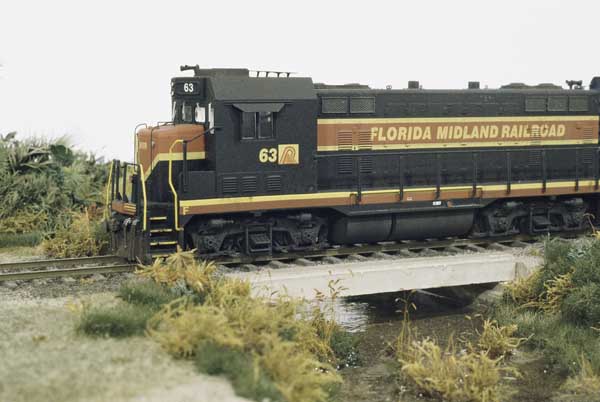
Replicating the color striations, texture, chips, and cracks of concrete with paint and styrene is tricky at best. On the flip side, the texture of most concrete products is too coarse for modeling applications. However, I was able to make my own HO scale prefabricated concrete bridges using Sakrete anchor-bolt cement and styrene sheet molds.
Anchor bolt cement is a concrete-based product that has a finer grain than regular concrete. It’s an ideal modeling medium because it dries to the same colors as real concrete and replicates its texture without looking out of proportion.
Though the project shown here is HO scale, you can use this technique in any scale to model a variety of precast concrete products. In my article “3 common culverts,” featured in How to Build Realistic Layouts: Model the Trackside Scene, I described how to model a culvert. But don’t stop there. Other precast items you can model include bridge beams, structure foundations, warehouse walls, and pipes.
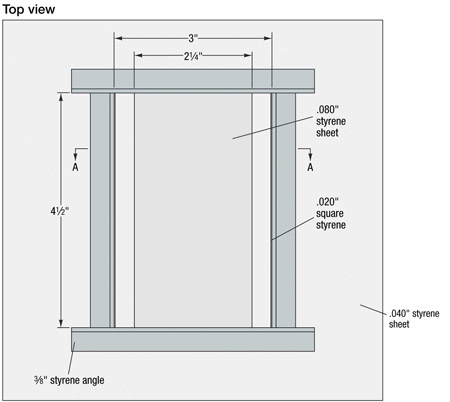
Making and casting molds
I was able to find a wealth of information, including prototype photos and drawings, on the Web sites of various manufacturers of precast products.
While studying the photos, I noticed that most precast concrete structures are utilitarian, where function and cost rule over form. As such, I didn’t worry about making the bridge too fancy from an esthetic standpoint.
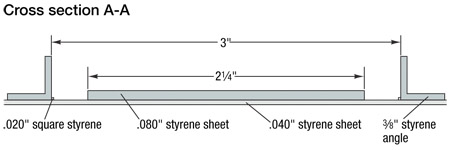
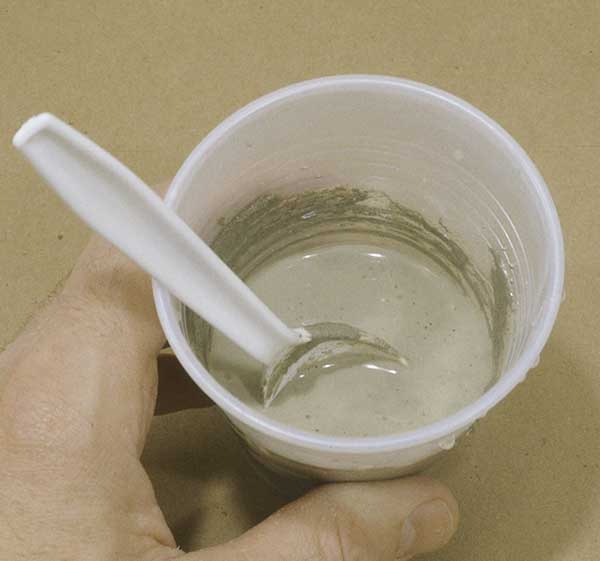
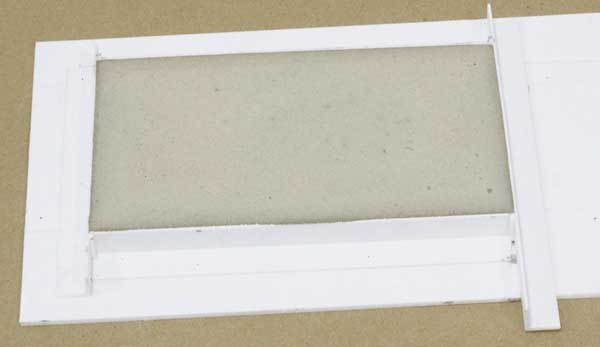
Finished castings
Though the anchor-bolt cement hardens in 30 minutes, I let it dry for 24 hours before pulling the castings from the molds. Since the molds were easy to make, I wasn’t overly concerned if they were damaged while removing the castings. However, I carefully pried the styrene back and gently twisted the mold so I wouldn’t break the casting.
If a casting should break, don’t worry. The breaks are generally clean, and the broken pieces can be cemented together with cyanoacrylate adhesive (CA).
Finishing touches
After removing the castings from the molds, I inspected each one for air bubbles. I filled the bubbles by putting a small amount of fresh cement on my fingertip and working it into the hole in a circular motion. I wiped off excess cement with a damp cloth.
I then set the bridge into the scene and placed the flextrack over the bridge deck. Though the bridge is a one-piece casting, you can easily attach multiple castings using a gel-type CA or hot glue.
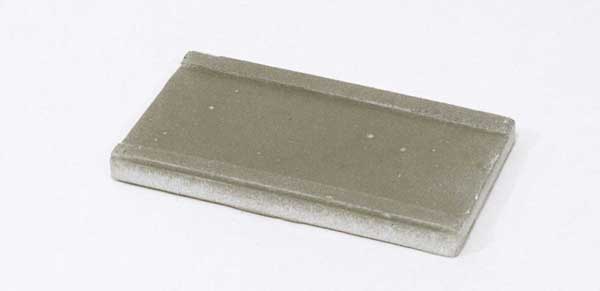
The finished casting (see fig. 4) represents a relatively new precast bridge. With a bit of weathering, you can give the bridge a light gray or tan appearance, similar to that of aged concrete.
Whether you need a precast concrete culvert or a loading dock [for the latter, see How To Build Realistic Layouts: Freight Yards. -Ed.], these casting techniques will work well for a variety of applications. And you’ll be using real cement, so you’ll end up with prototypical colors without any painting.