

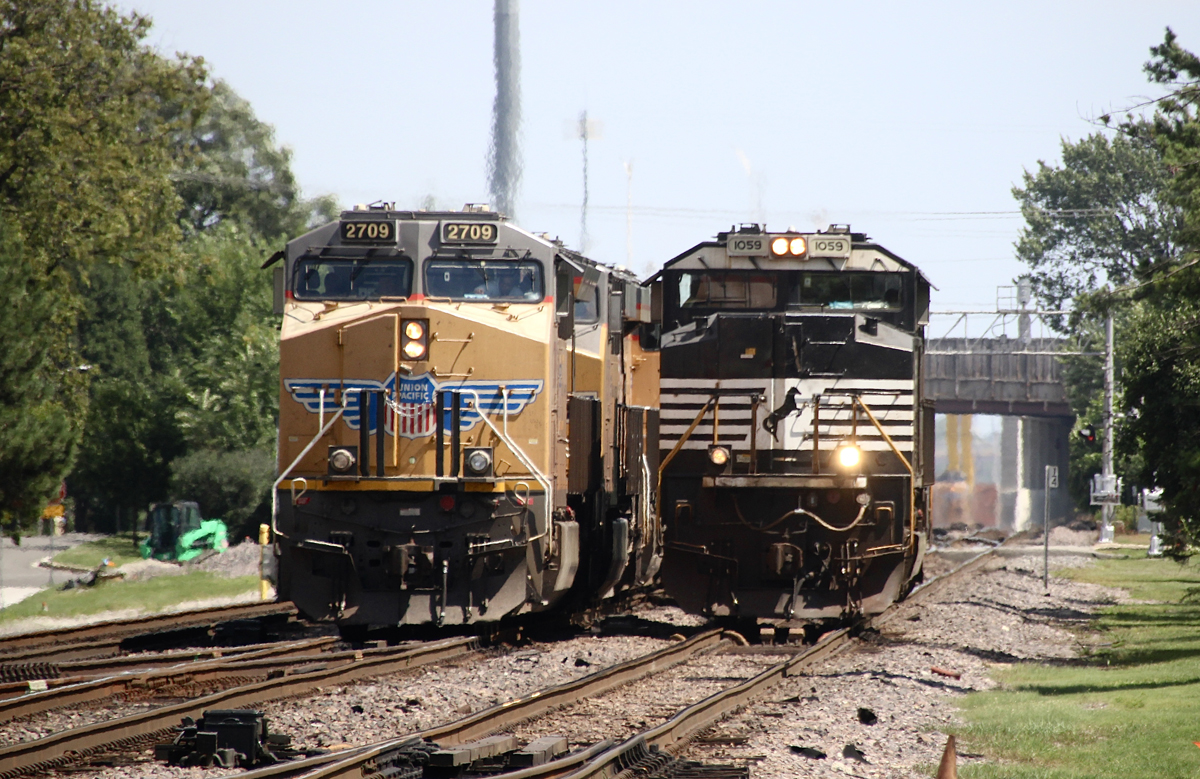
The Trump Administration has rolled out a variety of proposed ideas to address the ever-present “affordability” issue. President Trump’s Dec. 17 speech on the topic proposed a number of potential changes — including efforts to reduce drug prices and mortgage payments as well as a tariff dividend — in an attempt to help consumers. However, most of these ideas are costly palliatives that will accomplish little.
But a simpler, long-term solution is hiding under Washington’s nose that comes at no cost to taxpayers. On Dec. 19, Union Pacific and Norfolk Southern filed a merger application with the Surface Transportation Board [see “UP and NS say their merger …,” Trains.com, Dec. 19, 2025]. The agreement, which will require approval from regulators, presents a once-in-a-lifetime opportunity to strengthen and expand the country’s transportation infrastructure and bring down costs.
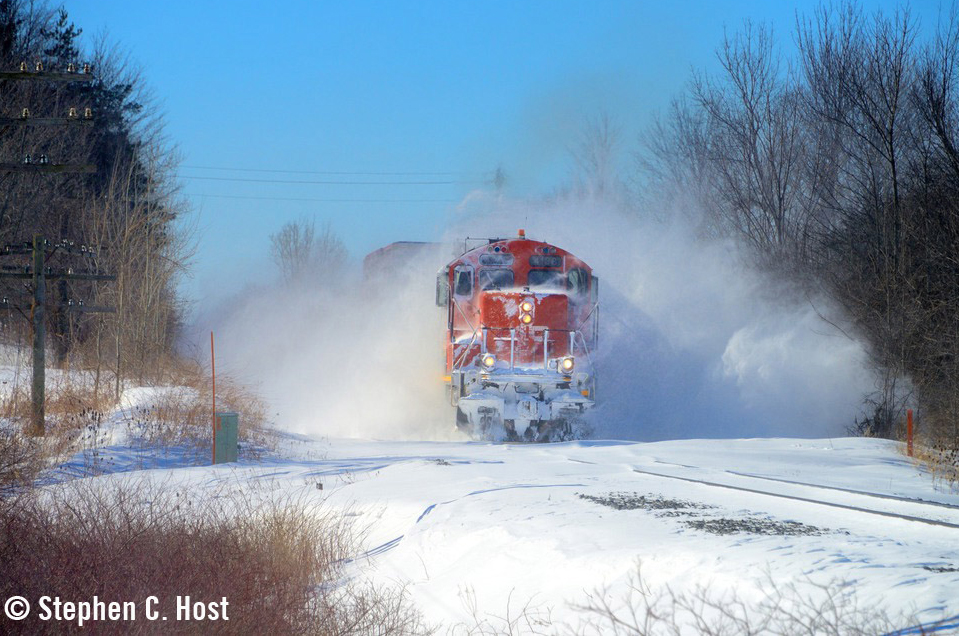
Railroads are a vital, but often overlooked, component of our infrastructure. Every day more than $50 billion worth of goods are transported via rail. The national rail network not only provides a safe alternative to freight trucks — train accident rates have fallen by 33% since 2005 to record lows — but they also help alleviate congestion on our highways. A single mile-long train can remove as many as 800 trucks from the road, reducing congestion, reducing greenhouse gases, and improving road safety. About 5,000 people die each year from accidents caused by trucks, most of them are passenger vehicle fatalities. Rail is far safer for motorists, despite 262 grade-crossing fatalities per year.
Yet, for all the advantages, the current railroad network has room to improve. One big problem is that it is segmented into eastern and western railroads, which creates headaches for shippers. Cross-country shipments must be transferred from one carrier to another, which can create days-long delays that add time and costs to shipping goods. Reducing the need for interchanges would save time, reduce shipping costs, and ultimately produce savings for consumers.

Improving the efficiency of the U.S. rail network would create an alternative that would boost competition in the shipping market, thus driving down freight transportation costs and reducing inflation.
Trucks move about 28% of the nation’s freight, and freight transportation constitutes 10% of private-sector GDP. Rail rates are remarkably lower than truck rates. With a more truck-competitive product, lower transportation costs would translate into lower point of sale costs, especially for things like homes and cars.
Unlike trucking firms, Class I railroads receive no subsidies from the government to maintain and improve their infrastructure, and they invest almost $25 billion a year on their tracks. U.S. taxpayers subsidize the trucking industry at about $40 billion per year through ongoing general fund transfers to the Highway Trust Fund. Ultimately, a more efficient rail network would save that money, plus reduce the cost of shipping — a double win.
Some have raised objections to a merger that reduces the number of long-haul railroads in the U.S., but such objections fail to acknowledge that the real market is not the freight rail transportation industry but the freight transportation industry at large, since goods can travel by truck as well. What’s more, the geographic segmentation of the freight industry means that Union Pacific and Norfolk Southern don’t actually compete with one another, since they service different regions of the country. The vast majority of shippers today have the option of using two or three railroads or a variety of trucking companies to ship their goods; the proposed merger will not change that calculus.
President Trump understands the forces that are driving up the costs of basic goods and his administration has made affordability a priority. Given our $2 trillion annual deficit, the administration and Congress may be hard-pressed to pass legislation that would allocate much money to address the problem, but approving a merger that would serve to reduce freight transport costs would be a costless way to reduce inflationary pressures in the U.S.
— Michael F. Gorman holds the Niehaus Chair of Operations and Analytics at the University of Dayton department of MIS, OPS, and Analytics
Share this article